



















For patients facing surgery at Peterborough Regional Health Centre (PRHC), knowing their operation won’t be delayed and that they will receive world-class anesthesia care to prevent pain during the procedure and recover quickly brings peace of mind.
That’s why the PRHC Foundation is making it a priority to replace aging anesthesia equipment at the hospital with state-of-the-art technology that will support both scheduled and emergency procedures and help anesthesiologists to better tailor care to each patient.
“Surgical innovation is a key pillar of the $70 million Campaign for PRHC,” says Lesley Heighway, PRHC Foundation president and CEO. “When they give to this area of care, donors are supporting faster diagnosis and treatment of disease, shorter wait times and hospital stays, and better recovery through quicker, safer, more precise care.”
“So far, donors to surgical and minimally invasive innovation have made it possible for PRHC to fund a $6 million upgrade to the interventional radiology facilities and to invest $2.5 million in minimally invasive surgical tools in six operating rooms. The next step is bringing a hybrid operating room to PRHC — which would be the region’s most advanced surgical suite — and replacing outdated anesthesia equipment with modern technology in each of PRHC’s current ORs.”
Anesthesia equipment supports personalized care through thousands of procedures
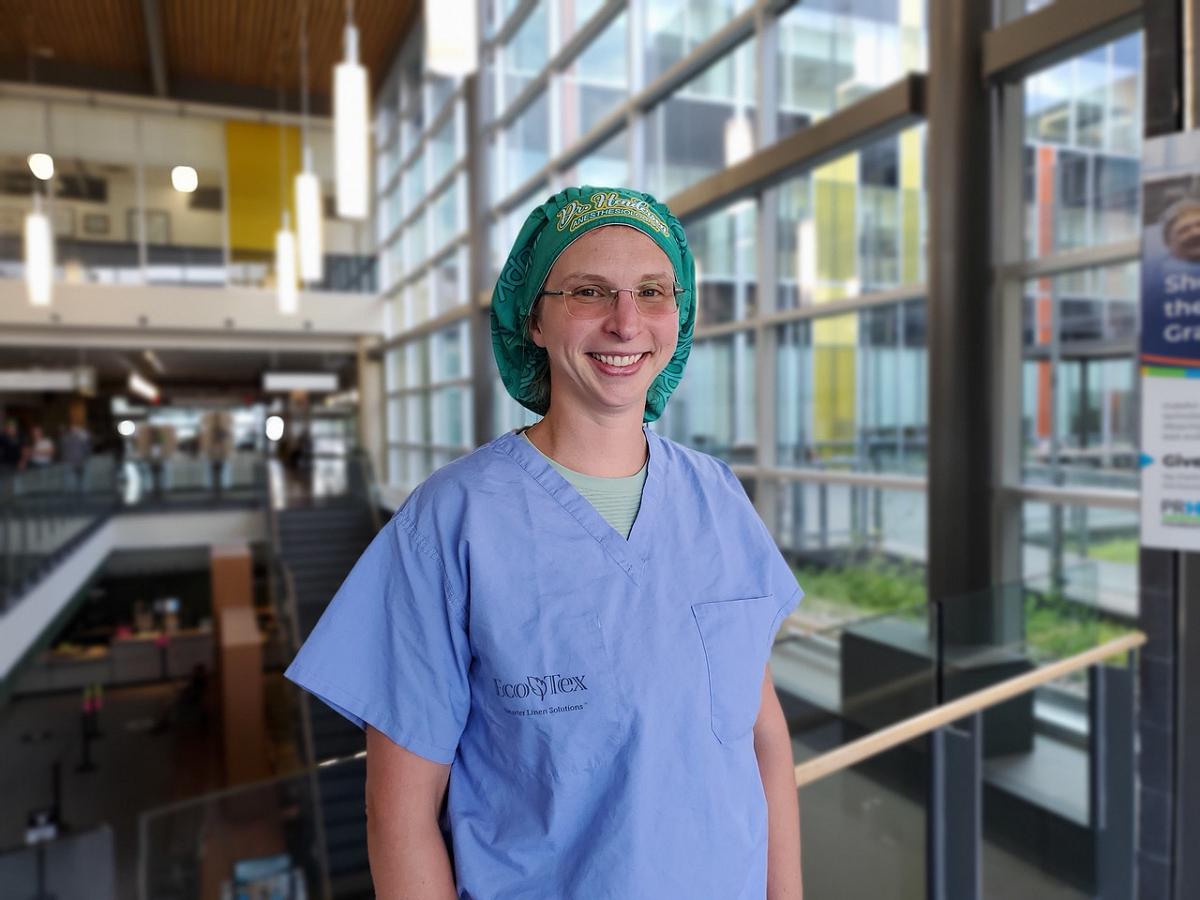
Across PRHC’s 12 operating rooms and its labour and delivery unit, anesthesia care supports thousands of procedures every year. Anesthesia machines deliver oxygen and inhaled anesthetics and provide breathing support when needed. They also help anesthesiologists monitor patients during a procedure and adjust care as needed.
“This is not only an essential tool to support a patient’s life during surgery, but also to keep a patient comfortable and give them the best chance for the best recovery,” says Dr. Carla Henderson, chief of anesthesiology and co-medical director of surgical services at PRHC. “How I manage it contributes to good results for the patient. My goal isn’t just to help a patient through an operation — it’s to help them return to the life they came to surgery to reclaim.”
Before surgery, PRHC anesthesiologists like Dr. Henderson assess each patient to plan their anesthesia care. They consider factors such as height, weight, body proportions, medical history, and how the body processes medications.
“We make sure we have all the right pieces of information so we can provide safe care and the best care,” Dr. Henderson says. “Then, as a patient has surgery, we’re present the whole time. An anesthesiologist is an essential part of your care that you might not have realized is right there by your side. We don’t leave the room for any reason, because it’s our job to care for you continuously and adapt that care at a moment’s notice.”
Aging anesthesia machines increase the risk of surgical delays
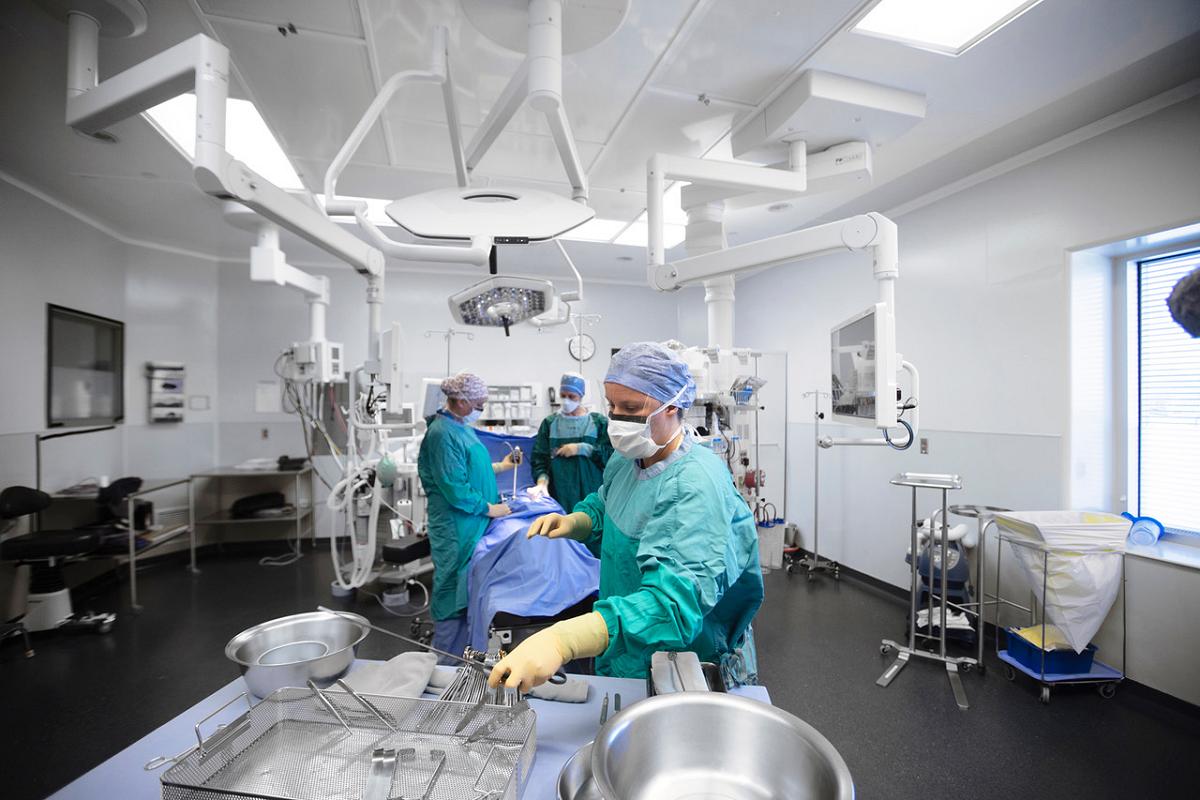
PRHC’s existing anesthesia equipment is in near constant use. Dr. Henderson says each day begins with a safety check on every machine before it is used for a procedure.
“If a machine fails the safety check, it’s removed from service,” Dr. Henderson explains. “If we don’t have enough anesthesia machines, surgeries could be delayed until we do.”
The potential for delays is one reason PRHC is making it a priority to upgrade the machines, which have been in service for 13 years.
New, state-of-the-art equipment also offers features that support advances made in anesthesia care over the past decade.
New anesthesia equipment offers built-in advanced brain monitoring
One area of growing understanding is recovery after surgery, especially for patients with Alzheimer’s disease or other cognitive impairments. This is significant because the regional population that the hospital serves is aging.
That’s why the newest technology incorporates brain-activity monitoring to help anesthesiologists assess patients’ responses and guide anesthesia care. Currently, none of the machines at PRHC have this capability. Instead, the hospital has three separate devices that can be used alongside the current anesthesia machines to provide this benefit.
The new machines would also support high-flow nasal oxygen delivery, which supplies oxygen through small prongs placed in the nostrils.
For selected short procedures, this can help maintain oxygen levels without inserting a breathing tube into the windpipe. It can also help anesthesiologists put high-risk patients to sleep first before inserting a breathing tube — reducing the need for a breathing tube placement while the patient is awake.
Dr. Henderson says the technology could be useful for procedures such as biopsies and vocal cord surgery. It means patients who are typically at a higher risk of experiencing anesthesia complications will have access to safer and more advanced care.
“Every decade there’s a new advent in anesthesia that integrates the new best things,” Dr. Henderson says. “Every patient’s care should be supported by the best possible equipment.”
State-of-the-art technology helps PRHC attract the best healthcare professionals
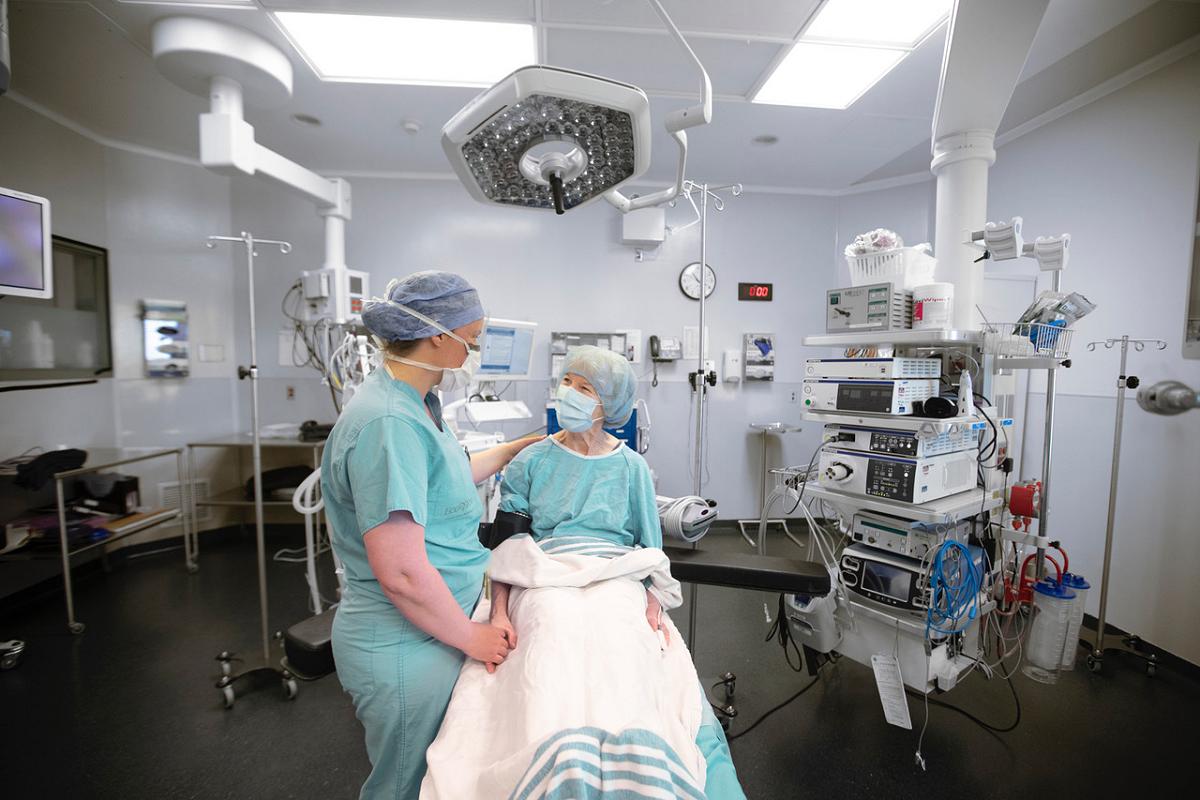
Dr. Henderson says that, when PRHC acquired its current machines 13 years ago, they were “at the forefront” of anesthesia technology. Replacing them would help the hospital continue to provide world-class care for patients.
“Historically, the hospital’s been committed to bringing the most innovative anesthesia care to Peterborough,” she says, adding that having state-of-the-art technology is important for recruiting the best healthcare professionals.
“There’s a national shortage of anesthesiologists and we tell new recruits that we want to upgrade our anesthesia machines. When you recruit, you want to put your best foot forward. They know this is a priority and that the community is behind us, so that’s exciting.”
Since 2020, the PRHC Foundation has raised $63.6 million through generous donations to support the Campaign for PRHC, which has already begun to transform care and reimagine healthcare closer to home.
“Since the government doesn’t fund hospital equipment, PRHC relies on the generosity of our community to fund the tools and technology the hospital’s doctors, nurses, and staff need to save lives,” says Heighway.
“A growing and aging population of 600,000 people counts on PRHC to be there when we need it most. By donating to the Campaign for PRHC, community members aren’t simply supporting the hospital — we’re supporting each other and the future of care for generations to come.”
To learn more about bringing updated anesthesia machinery to PRHC and to make a donation, visit the PRHC Foundation website at prhcfoundation.ca or call 705-876-5000.
This branded editorial was created in partnership with the Peterborough Regional Health Centre Foundation. If your organization or business is interested in a branded editorial, contact us.