




















El Niño or not, winter is coming — and with it comes higher energy costs.
GreenUP has long helped homeowners lower their bills through energy efficiency measures, but there’s another oft-overlooked group that can benefit from the cost savings, improved comfort, and emissions reduction of a well-maintained building and HVAC system: small business owners.
To help these local entrepreneurs, GreenUP’s energy and Green Economy Peterborough programs have now teamed up to pilot an energy savings service for small businesses.
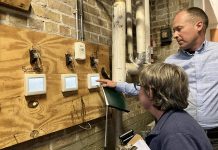
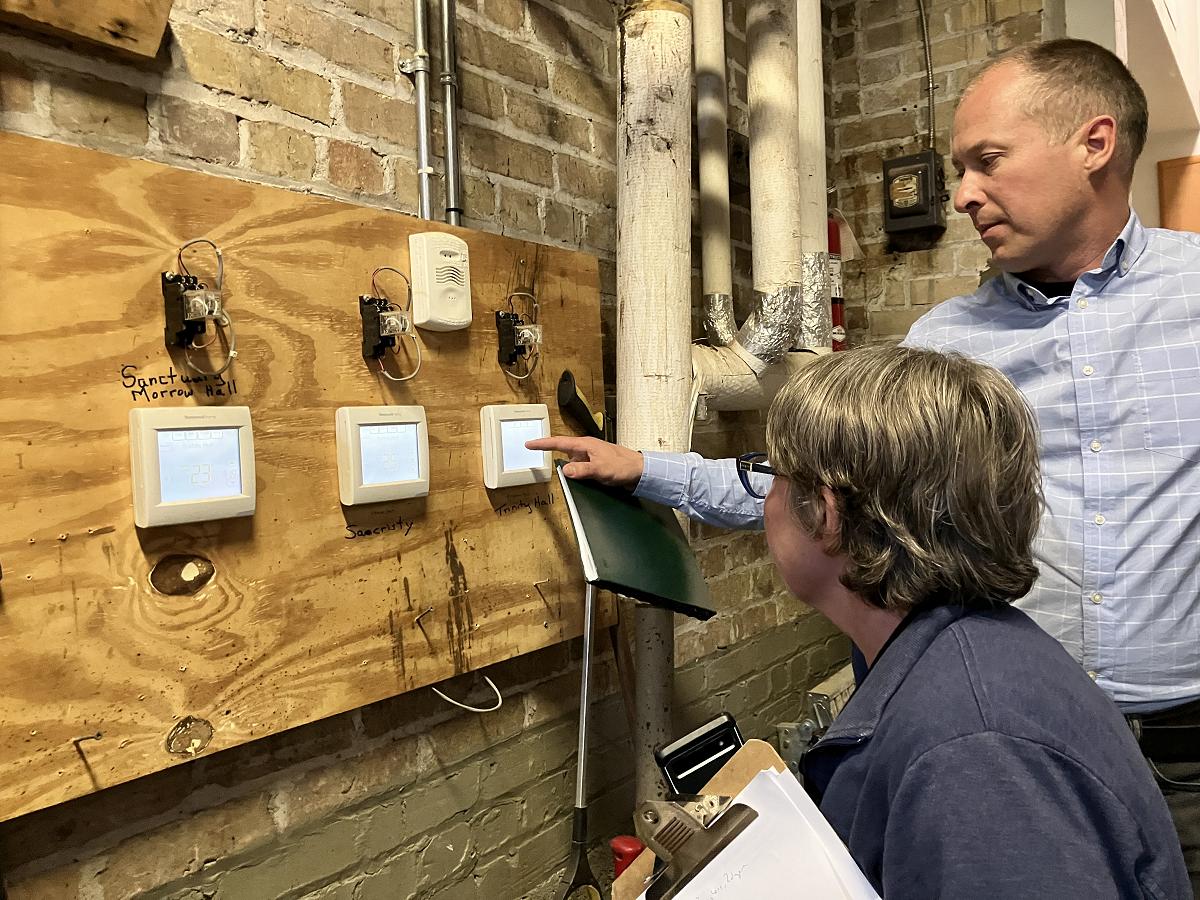
Energy program manager Clara Blakelock assesses spaces like offices, warehouses, manufacturing centres, and retail outlets to determine the potential for energy savings, then makes recommendations for maintenance, upgrades, and simple improvements.
“Buildings are buildings, and in certain ways, whether they are homes or workplaces, they perform similarly. It’s heat loss, ill-maintained equipment, insufficient insulation, and energy waste that need to be addressed,” says Blakelock. “For businesses, differences would be, for example, the operating hours, the extent and complexity of mechanical systems, and building use and design.”
Still, for Blakelock, some recommendations apply to almost every small business she has evaluated. A quick walkthrough of a workplace can uncover opportunities for simple energy saving improvements.
Thermostats
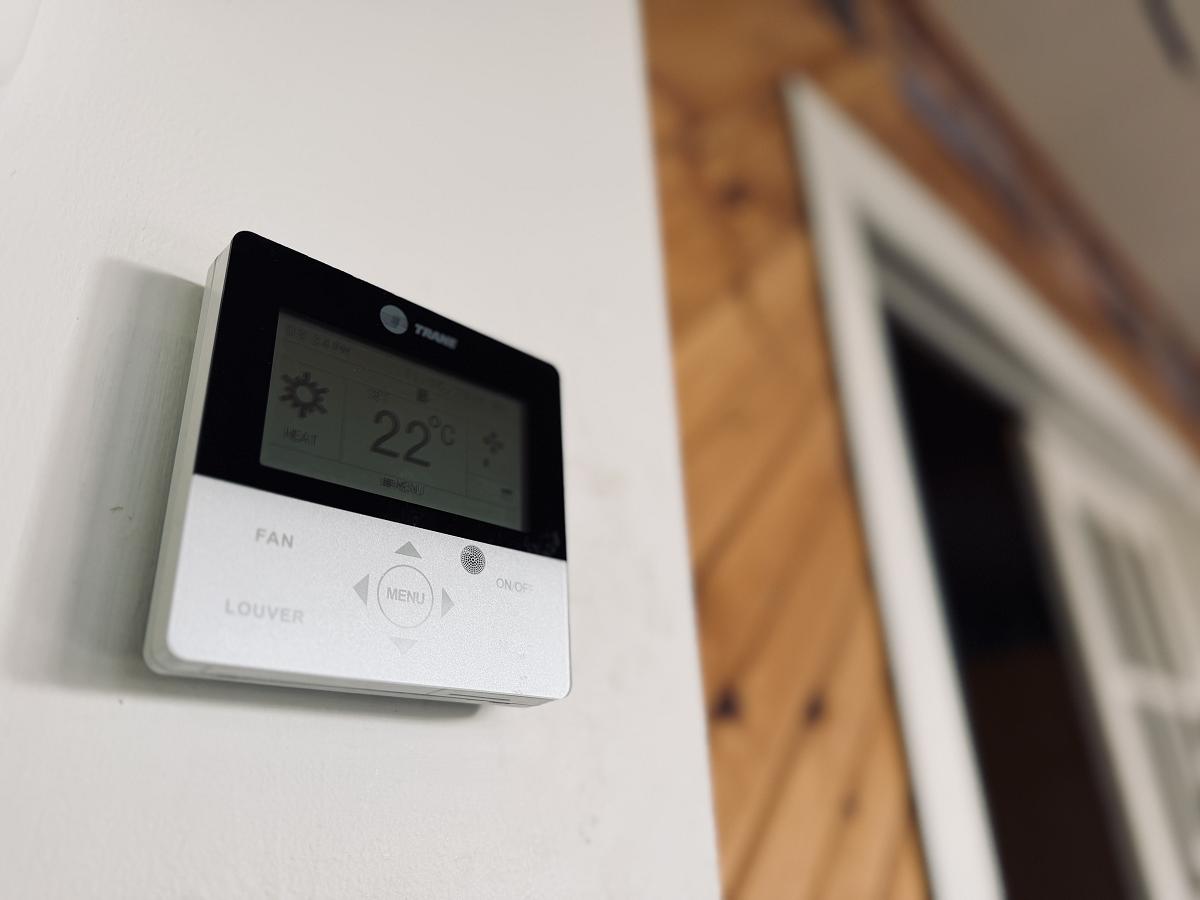
“In most organizations I’ve visited, there’s work to be done on thermostats — I would start with this easy, often cost-free fix,” Blakelock says, encouraging business owners to check that thermostat dates and times are correct and programming them according to occupancy.
“Don’t waste energy heating a space to optimum comfort levels when no one is using that space,” she says.
In the winter, set occupied temperatures to the lowest comfortable level for the space (usually around 20°C) and lower them by 3°C to 4°C when unoccupied. Retailers should remember that customers coming in from the cold are bundled up; non-tropical temperatures can improve their comfort and prolong their stay.
Smart thermostats, an option that allows temperatures to be centrally managed, include occupancy and temperature sensors, and “learn” a building’s use patterns. Enbridge Gas and Save On Energy currently offer incentives to install them at no charge.
Employee temperature tolerances vary. Instead of expensive-to-run space heaters, encourage staff to consider efficient foot and seat warmers that heat the body directly rather than the surrounding air.
Air sealing
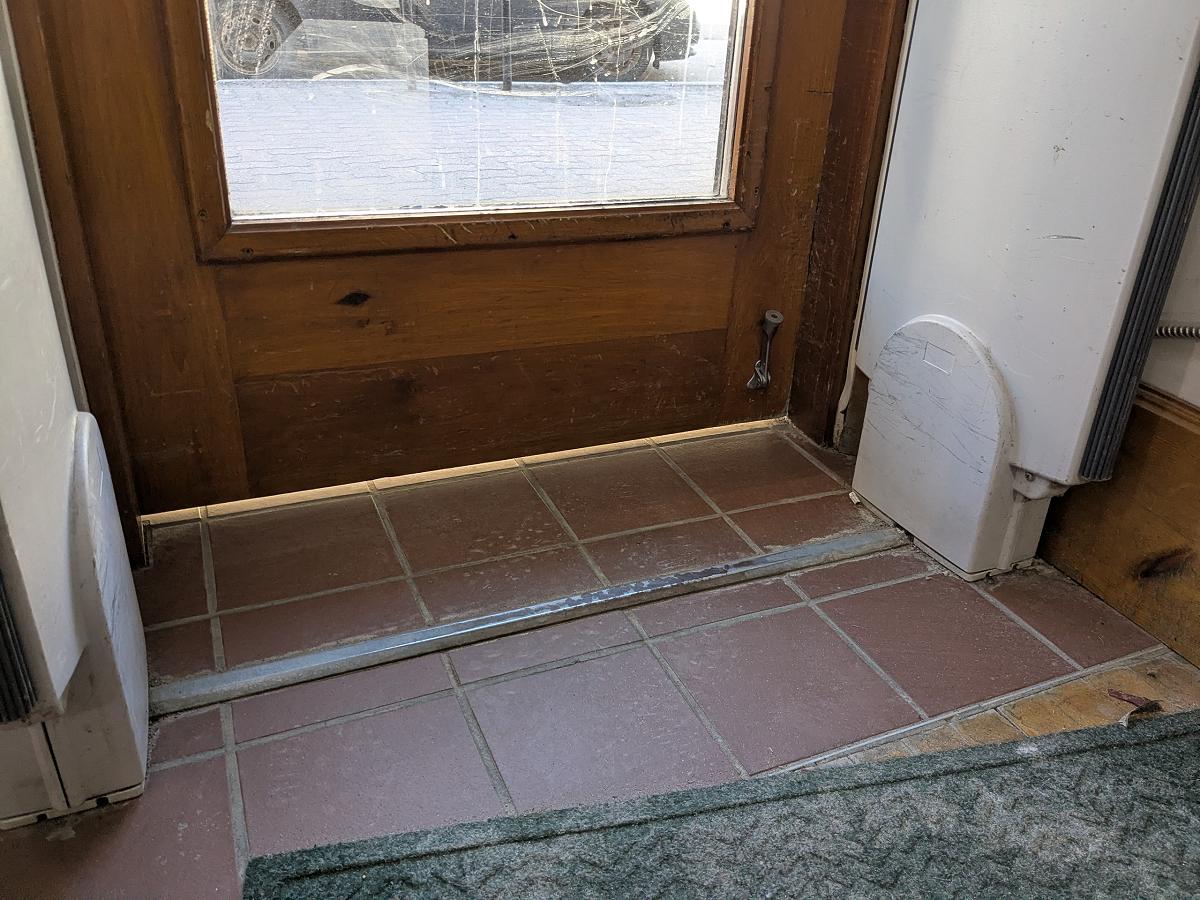
After addressing thermostat inconsistencies, staff should walk around their facility looking for air sealing opportunities, says Blakelock — an activity sometimes called an “energy treasure hunt,” a name that implies the cost savings to be discovered. Air sealing stops uncontrolled air leakage through gaps, cracks, and penetrations in the building envelope.
Check windows and exterior doors for drafts, worn weatherstripping, gaps around frames and deteriorated caulking. Inspect walls, ceilings, roofs, and basements for cracks, and look for gaps around outlets, pipes, wiring, skylights, and access panels.
Pay particular attention to loading docks, overhead doors, and foundations, where gaps can let in significant amounts of outside air.
Air sealing supplies are readily available. Caulking, weatherstripping, door sweeps, expanding foam, and insulation can seal gaps around windows, doors, walls, and utility panels. A utility knife, scraper, and backer rod can help prepare surfaces and ensure a proper seal.
“Air sealing is generally inexpensive to address, doesn’t require special skills, and can reduce energy costs meaningfully, especially if considered over several years,” says Blakelock. It also helps manage indoor air quality and reduce risk of pest infestations.
Regular maintenance
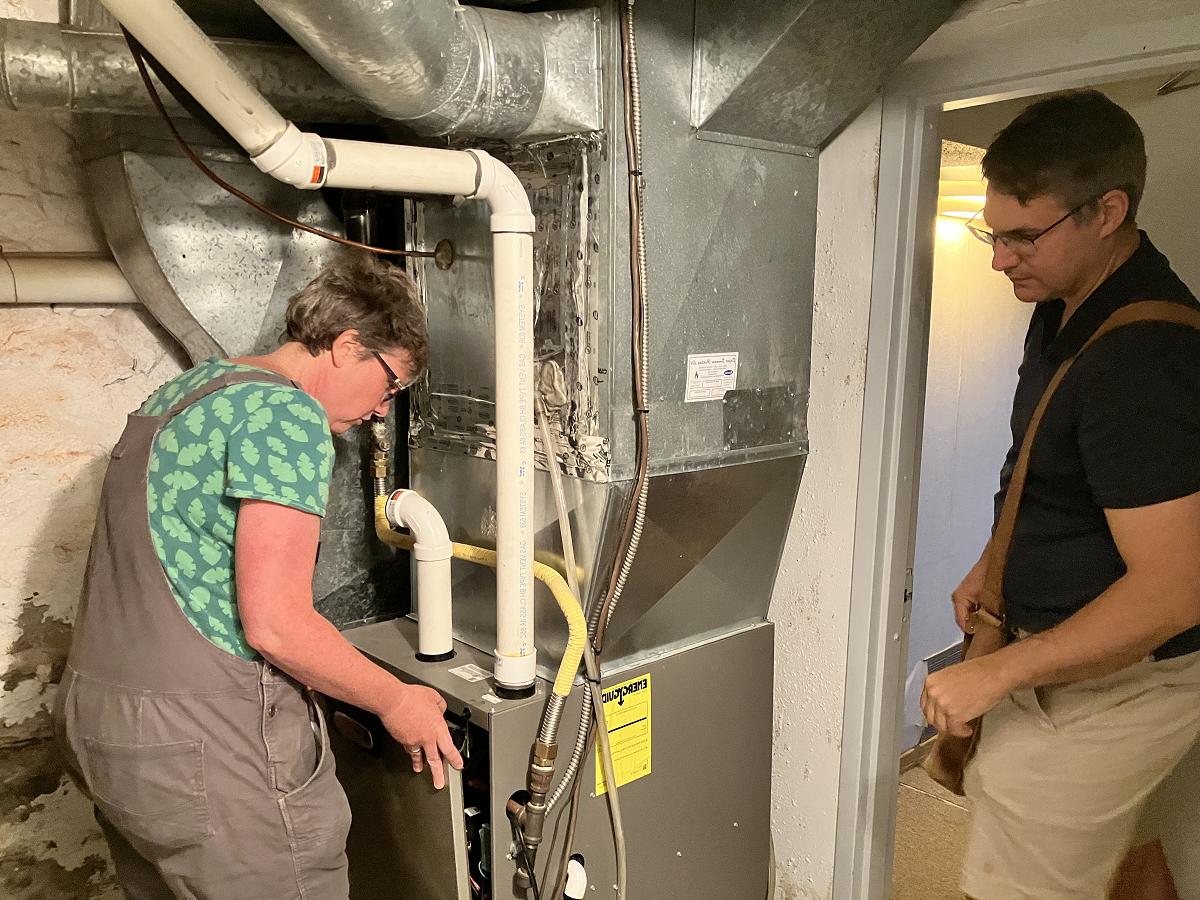
A third opportunity starts with a calendar and a notification program to schedule regular HVAC servicing and filter changes and cleaning.
Maintenance schedules will vary depending on the equipment. For example, a mini-split heat pump’s filter should be removed, washed, dried, and reinstalled every three to four weeks to maintain efficiency, while a furnace filter should be changed every three months.
Furnaces, heat pumps, and boilers should be serviced by a licensed HVAC technician annually.
“Low-cost and no-cost measures are worth the effort,” says Blakelock. “The financial benefits add up over time. Think about it: if you can save $200 a year, that’s $2,000 over 10 years, not to mention a bit of protection against a volatile and uncertain energy market.”
With funding from the RBC Foundation, GreenUP’s energy and Green Economy Peterborough programs are working to help small businesses make and benefit from energy upgrades and sustainability strategies.
Participants of the energy savings action plan pilot will help shape a future service designed around the real-world energy efficiency needs of small businesses. Spots in the pilot are limited. For details, contact Green Economy Peterborough program manager Jackie Donaldson at jackie.donaldson@greenup.on.ca.
Green Economy Peterborough is a GreenUP program and business network that supports local organizations in reducing their environmental impact. To learn more and subscribe to the Green Economy Peterborough newsletter, visit greeneconomypeterborough.ca.