















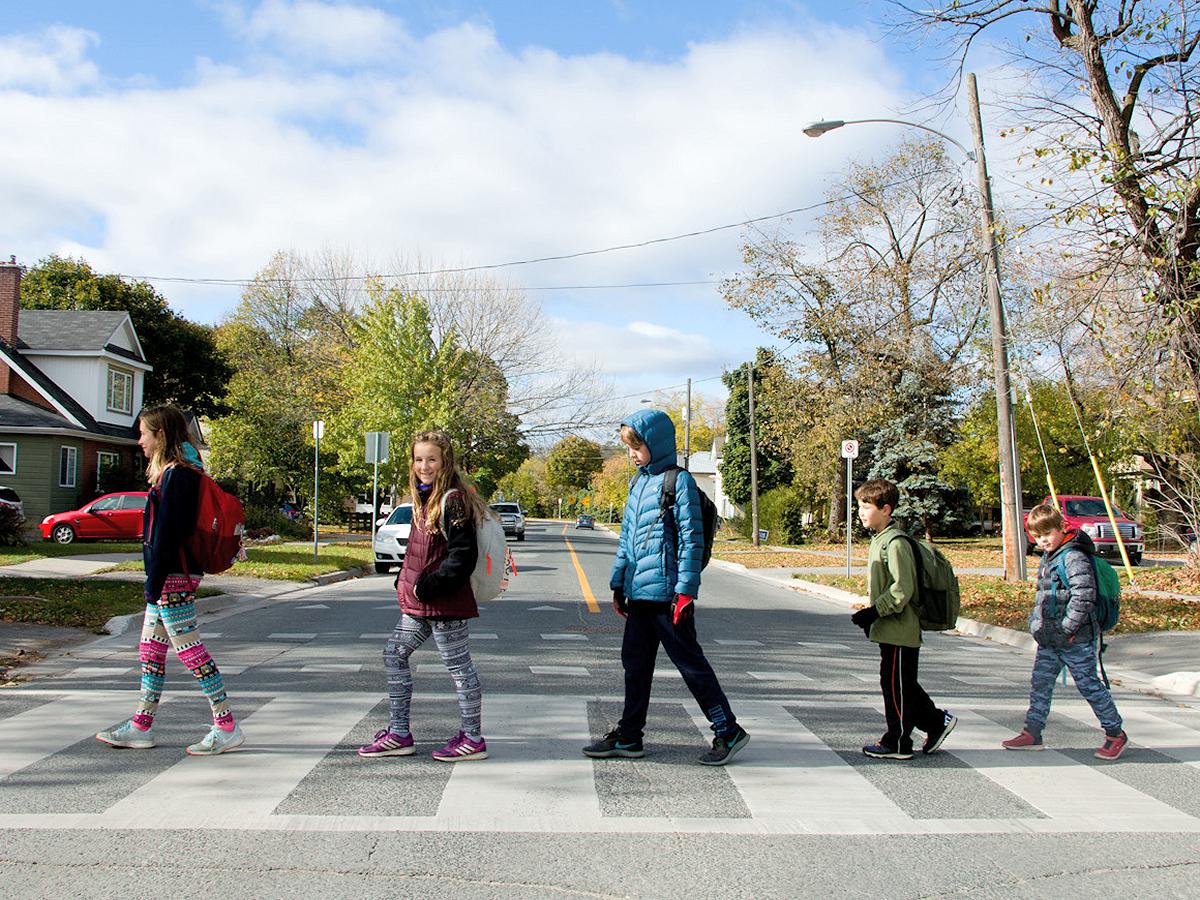
October is Walktober — a month to celebrate walking and to recognize the many benefits of getting around on foot. For families walking to school, seniors heading to an appointment, or anyone choosing to leave the car at home, walking can be one of the simplest ways to get around.
“Active transit supports our mental and physical health, as well as the health of the environment,” says Dr. Thomas Piggott, medical officer of health and CEO of Lakelands Public Health. “I personally am grateful for the opportunity to walk, scooter, or bike with my kids to school and to my work every day, and wish everyone in our community had this beautiful opportunity.”
Whether walking feels like an appealing daily transportation choice has surprisingly little to do with the motivation of the person doing the walking. It has much more to do with decisions made at City Hall.
This year, Walktober arrives at an interesting moment: Peterborough is in the middle of a municipal election, with voting underway ahead of Election Day on October 26. That makes this a good time to remember just how much local government has to do with the experience of walking and biking.
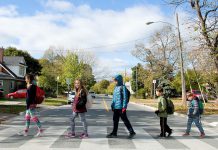
Consider a typical trip to school. Whether a child can safely walk or bike may depend on the speed limit of the road, whether there is a sidewalk, where a crossing is located, how visible that crossing is, whether pavement markings are maintained, how much traffic is moving through the neighbourhood, and whether vehicles are allowed to stop or park in a particular location.
However, a resident does not have to cycle to work every day to care about whether a neighbourhood has a safe crossing. A parent does not have to walk their children to school every morning to care about vehicle speeds around schools. Someone who drives most of the time still benefits from streets where people walking, cycling, or taking transit can move safely alongside one another.
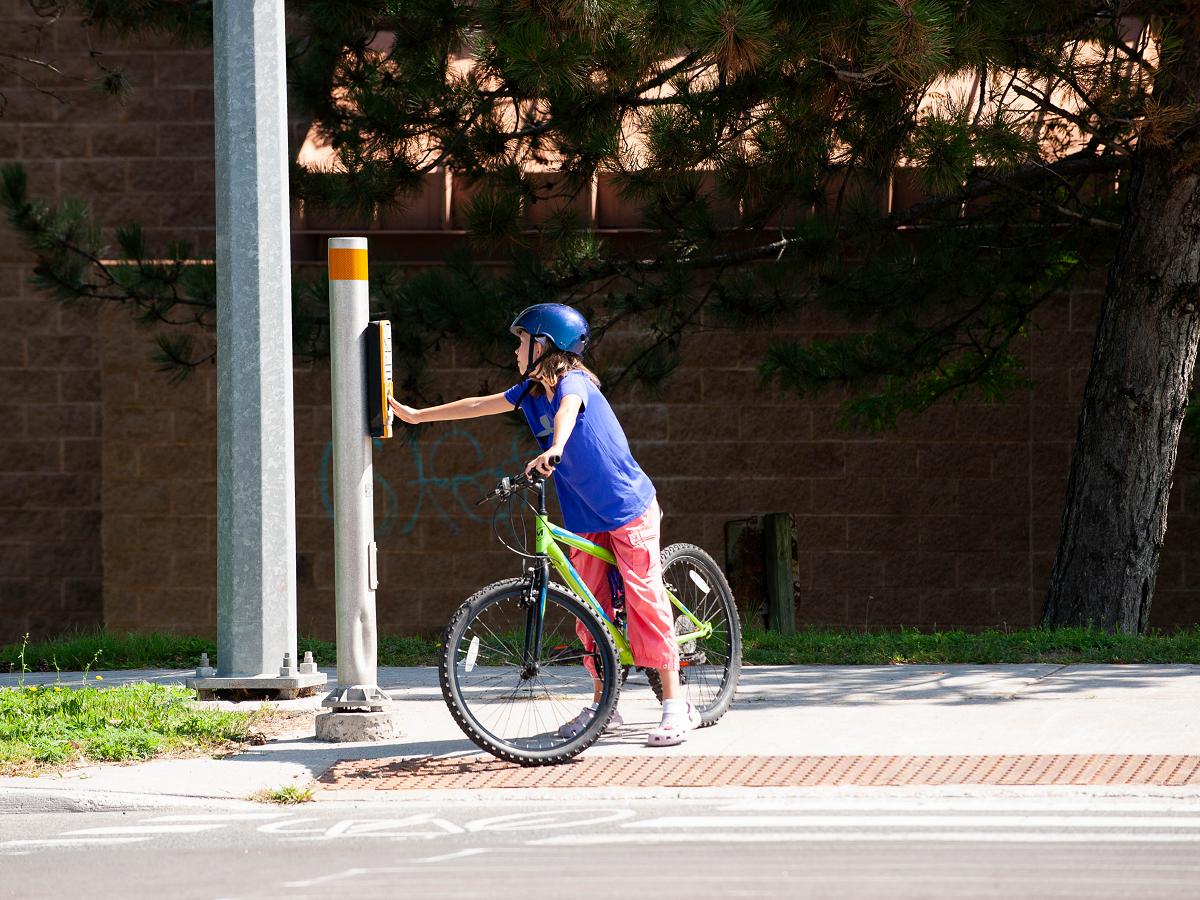
“From a public health perspective, the onus should be on our communities designing safer infrastructure and ensuring drivers pay keen attention to the safety of those using active transit when behind the wheel,” says Dr. Piggott.
In recent years, the City and County of Peterborough have reduced speed limits in school areas, established community safety zones, and introduced additional road safety treatments which are now rolling out on a wide scale.
Beyond school zones, municipal decisions shape the wider transportation network that people use every day: sidewalks, trails, pedestrian crossings, bike infrastructure, road design, transit connections, traffic-calming measures, snow clearing, and maintenance. Council decisions about budgets and priorities determine not only what gets built, but what gets maintained and what gets considered for the future.
One of the most cited factors for safety is speed; even small reductions are significant.
According to Parachute Canada, for each 1.6 km/h reduction in average speed, collisions are reduced by five per cent. Pedestrians who are struck by vehicles travelling at 50 km/h are almost six times more likely to die of their injuries than a pedestrian stuck at 30 km/h.
Speed is almost always a factor in unsafe walking or biking conditions, and local roads that pass our schools, hospitals, recreation centres, and retirement homes are often the responsibilities of the municipal government.
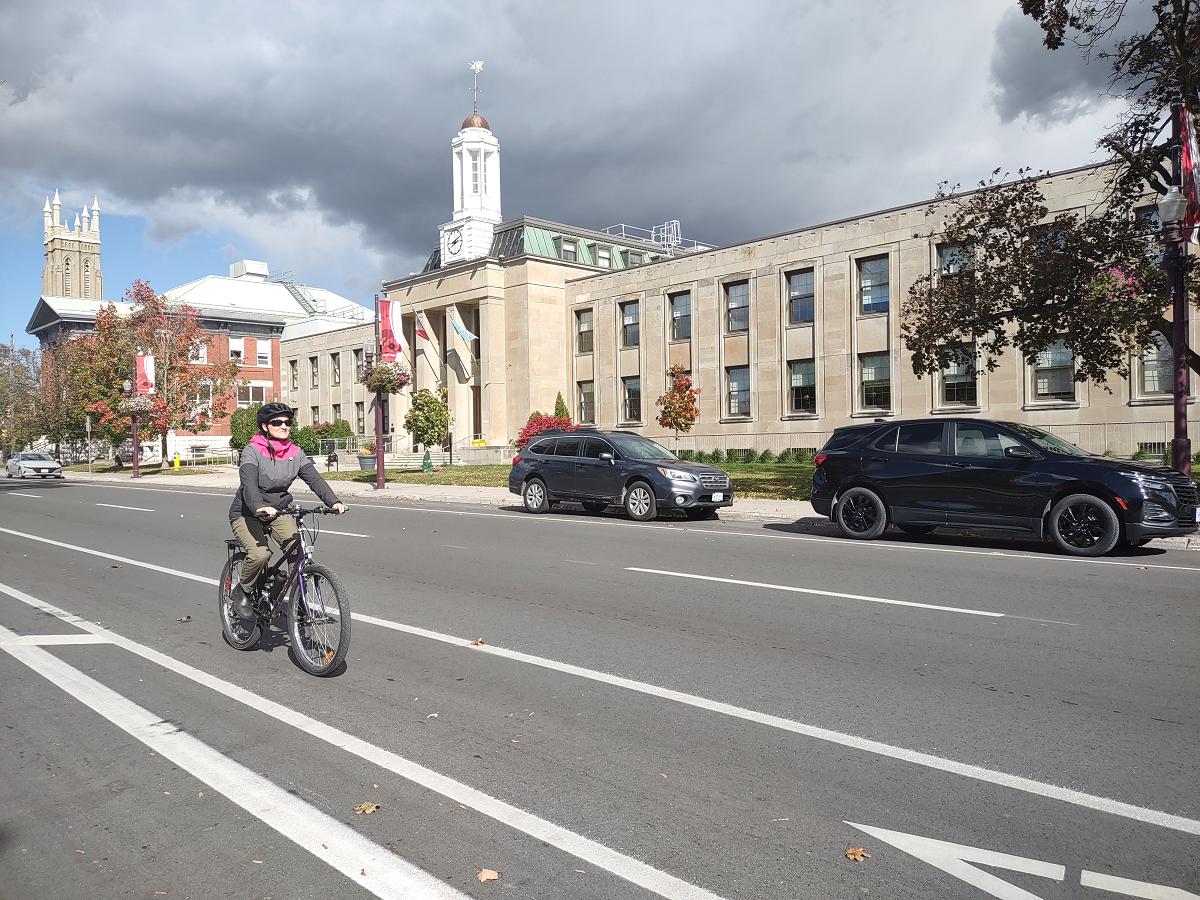
Walktober is therefore a useful prompt not just to lace up a pair of shoes, but to take a closer look at the decisions (and the people making them) that shape the walking and biking networks in a city — namely, the local city council.
What does a candidate say about pedestrian safety? What are their priorities for sidewalks, crossings, cycling infrastructure, and traffic calming? How do they think about school-zone safety? What role do they see for enforcement, engineering, and education? How will they balance transportation priorities laid out in the city or region’s active transportation master plans?
Those are questions residents can ask candidates directly, regardless of whether they intend to walk, bike, drive, or take transit most of the time.
So this Walktober, the invitation is to do two things: walk a little more, and pay a little more attention to the streets along the way.
Notice where the route feels comfortable and where it does not. Notice where children have to cross, where sidewalks disappear, where cars move quickly, and where a simple design choice makes a street easier to navigate.
Then, as the municipal election approaches, consider asking the people seeking local office how they would approach those issues. Because when it comes to the everyday experience of walking and biking, the ballot is closer to the sidewalk than it might seem.
Be sure to vote in the municipal election on Monday, October 26 either in person or online. For election details in the City of Peterborough, visit peterboroughvotes.ca and, for Peterborough County, visit www.ptbocounty.ca/county-government/elections.