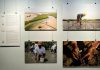

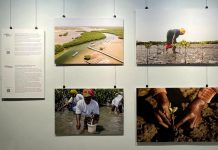















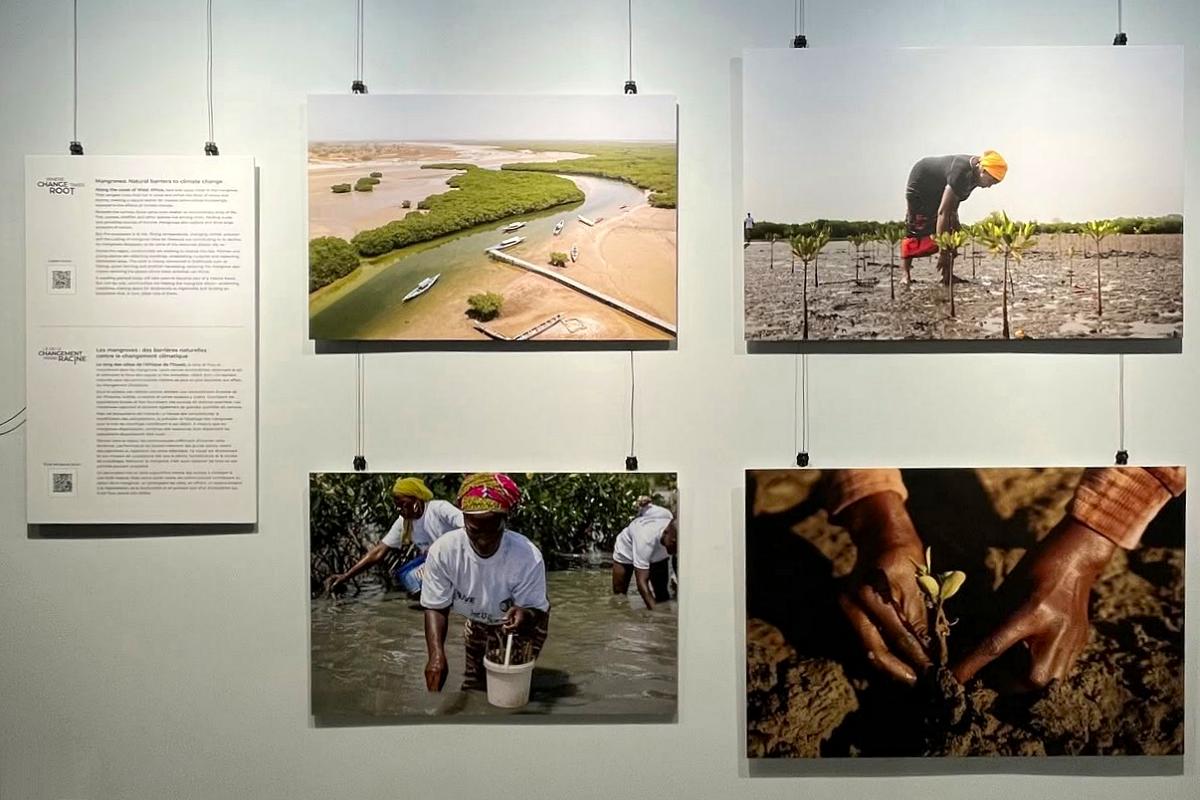
A travelling photo exhibition that highlights the impacts of climate change through images and stories featuring women from countries in West Africa is visiting Peterborough until the end of October.
Where Change Takes Root is on display at the main branch of the Peterborough Public Library at 345 Aylmer Street North in downtown Peterborough until Saturday, October 31.
Presented by Inter Pares in collaboration with the Kawartha World Issues Centre (KWIC), the exhibit shares how women in communities in Guinea-Bissau, Senegal, and Togo are finding ways to grow food, sustain livelihoods, and care for the land in the face of a changing climate.
“That’s what’s really highlighted through this exhibit — it gives a peek into what things look like in real time,” said Ashley Armstrong, communications co-director for Inter Pares, in an interview with kawarthaNOW.
Inter Pares is an international feminist charity based in Ottawa that works with frontline counterpart organizations in countries across West Africa to provide support and advocacy rooted in local knowledge and community leadership. KWIC is a grassroots Peterborough-based charity that connects global issues to local initiatives and provides educational programs for youth and community members.
Both KWIC and Inter Pares said they take an intersectional approach to social and climate justice, recognizing the disproportionate impact of environmental change on women both those working in the agricultural space and on a day-to-day basis.
“Climate change impacts women livelihoods across the world in different ways, and gender equality impacts power dynamics within situations when women are not put in a position to lead,” said KWIC executive director Margaret Zou.
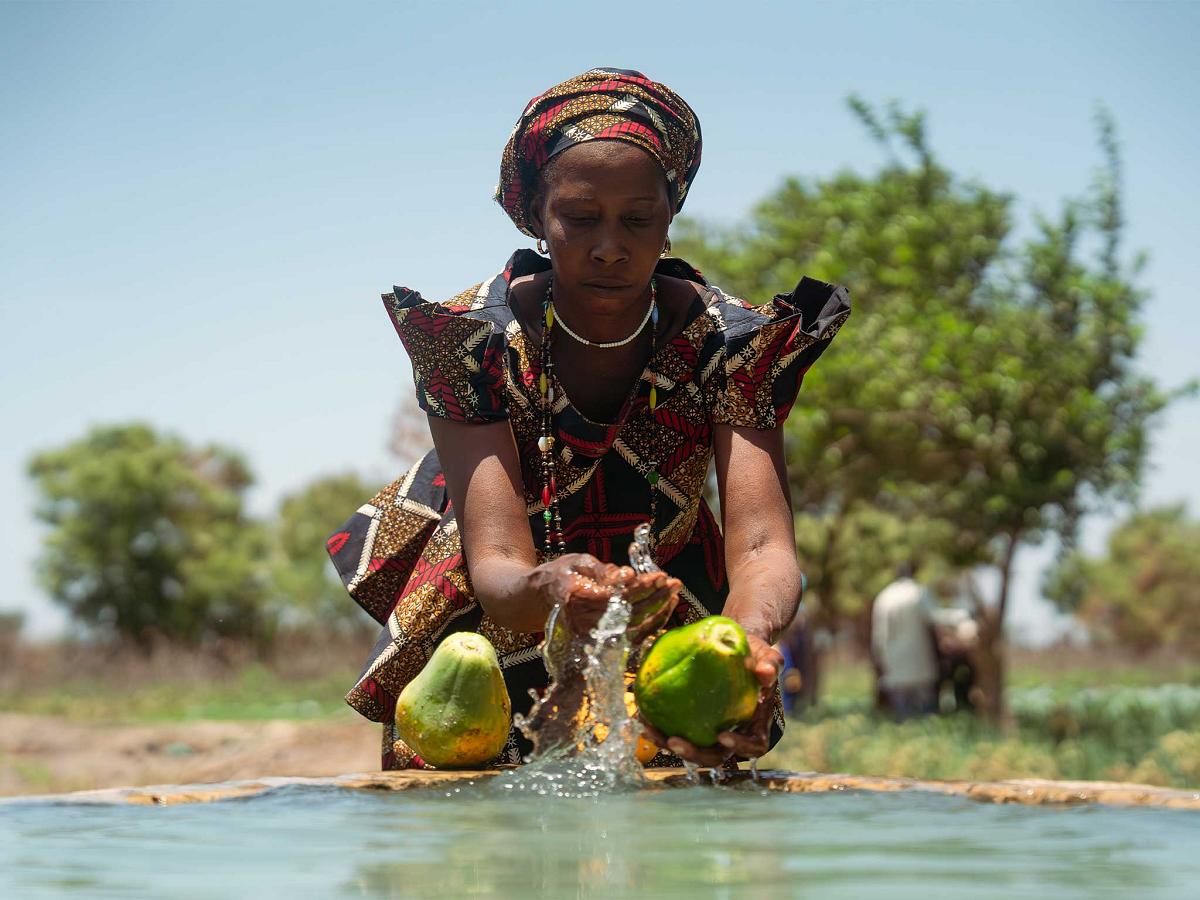
Armstrong said that female farmers are acutely affected by the impacts of climate change, in addition to structural imbalances and social norms.
While women are largely responsible for growing and preparing food and managing the natural resources that sustain their families and communities, she explained, women often have less access to land and other resources and less say in decisions that shape their environment.
“Intersectional feminism is all about who has power and who doesn’t,” Armstrong added.
“When we’re looking at work against climate change, or communities that are struggling with climate change, and they’re primarily farming communities, we’re looking at who has access to land. Who has control of the land? Who makes the decisions in the communities? Who doesn’t? Who doesn’t even have a seat at the table to be contributing to those conversations?”
At the heart of these photographs are women whose knowledge, leadership, and collective action are helping shape more just and sustainable food systems, Armstrong said.
From restoring mangroves to protecting local seeds to beekeeping, community gardens, and sustainable harvesting, the exhibit explores how women are drawing on their knowledge of the land while finding new ways to respond to the challenges around them.
The exhibition launched at Saint Paul University in Ottawa on September 15 for a 10-day stint before travelling to Peterborough for the whole month of October. It’s third location will be in Montreal.
Armstrong said that Inter Pares will continue to tour the exhibition in 2027 to new cities. Where Change Takes Root will also return to Peterborough on March 12 for a one-day exhibit at Trent University (1600 West Bank Drive).
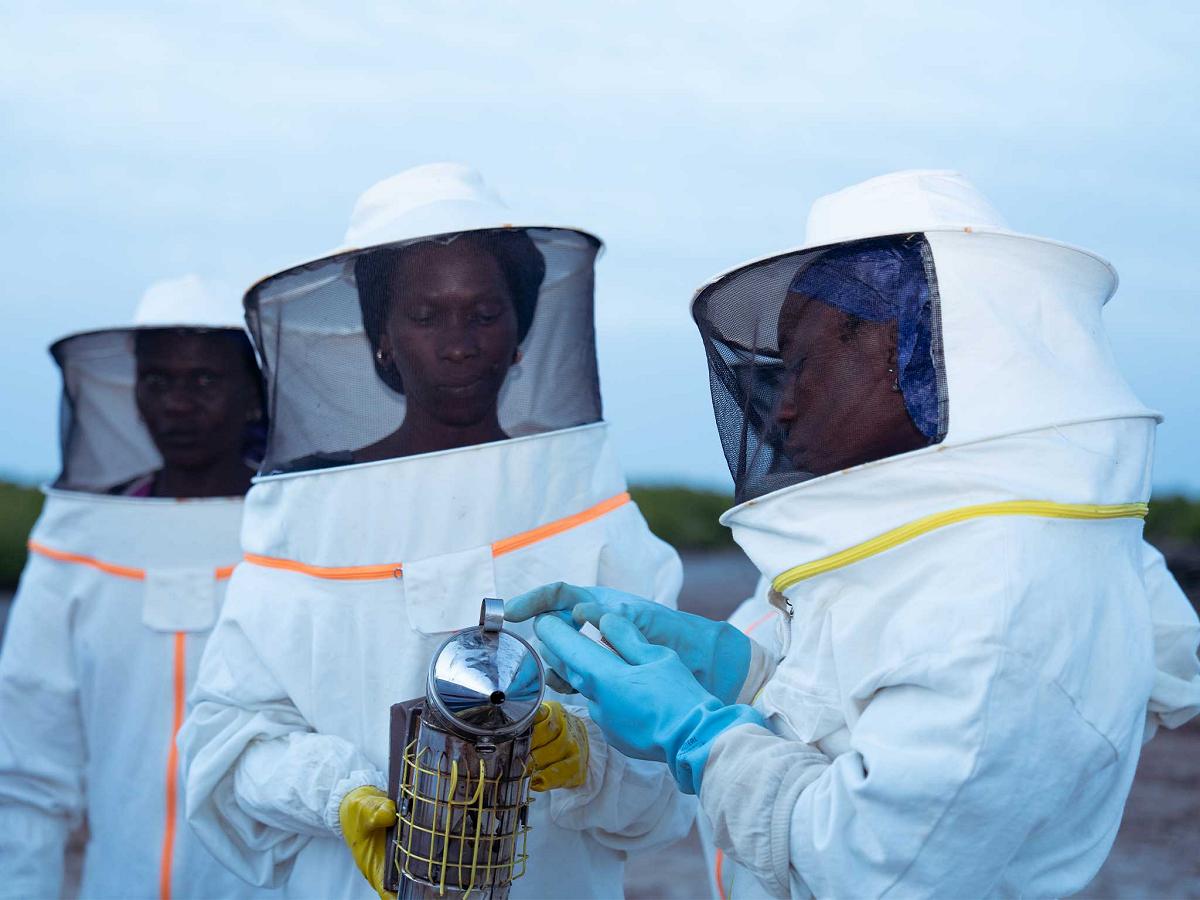
“The point of this tour is to help people see that these issues are not only happening overseas — climate change is happening here,” Armstrong said. “People are having a hard time affording food, buying food, and growing food here too.”
KWIC partnered with Inter Pares to bring the exhibit to Peterborough after a year of internal transition that welcomed Zou into the executive director role. Zou told kawarthaNOW that there is strong alignment between Inter Pares and KWIC’s mission to connect global issues to local initiatives, and indicated that their relationship would be an ongoing one.
“This exhibition brings together global issues and local issues,” Zou pointed out. “That brings people together to have these conversations, and then we can find solutions.”
Speaking further to the timing of this exhibition, both Armstrong and Zou mentioned the recent history of funding reductions to international aid programs in Canada, Europe, and especially the the United States.
In 2025, Mark Carney’s federal Liberal government announced a $2.7 billion cut to international aid programs over four years.
This followed the elimination of almost all contracts and programs of the United States Agency for International Development (USAID) by the Trump administration, amounting to a reduction of around $60 billion in aid.
“These cuts are really gutting local organizations that are working to kind of address these issues (climate change),” said Armstrong.
Armstrong and Zou said that the exhibit aims to have attendees ask themselves questions about how local action in Peterborough can impact global issues in West Africa.
“My hope is that people come through this exhibit, see these beautiful photos, and leave thinking more deeply about how climate change is affecting their own environments, and what work is happening locally to make sure that people have access to food,” Armstrong noted.
The work featured in Where Change Takes Root is being carried out in partnership with SUCO and with financial support from Global Affairs Canada.