


















A baby porcupine that was frequently seen wandering beside a section of trail in Peterborough’s East City earlier this fall is now in the care of a wildlife sanctuary.
That’s the word from Steve Paul, who posted an update on Thursday (December 4) that he received from the Shades of Hope Wildlife Refuge in Pefferlaw, located just west of Kawartha Lakes in the Town of Georgina, about the baby porcupine — also called a porcupette.
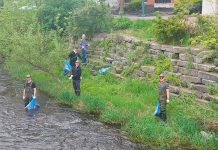
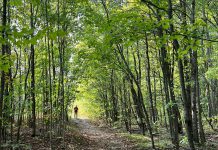
While Paul is best known as the founder of Clean Up Peterborough (for which he was recently recognized as a Paul Harris Fellow by the Rotary Clubs of Peterborough), he also has a reputation as a wildlife advocate, so when he noticed posts being made in the East City PTBO Neighbourhood Hub Facebook group about a porcupette being spotted in the daytime alongside the Rotary Greenway Trail between Hunter and Douro Streets, he took an interest.
“As it happened over probably a two to three-week period and people were seeing it quite often, in the back of my mind I started to ask myself if there could be something wrong with it,” says Paul. “Is it a little bit too young (to be on its own)?”
As a volunteer for Trumpeter Swan Conservation Ontario for a number of years, Paul has helped bring injured or sick trumpeter swans to nearby animal hospitals, including one back in June. Through this work, he has learned that when it comes to trying to rescue wildlife, “you don’t want to get involved too early,” as that could be more harmful to the animal if it’s not actually in need.
In the case of porcupines, which are the second largest rodent species after the beaver, that can also be potentially hazardous for the rescuer given the animal’s natural defences — barbed quills that will easily detach and become embedded in a predator.
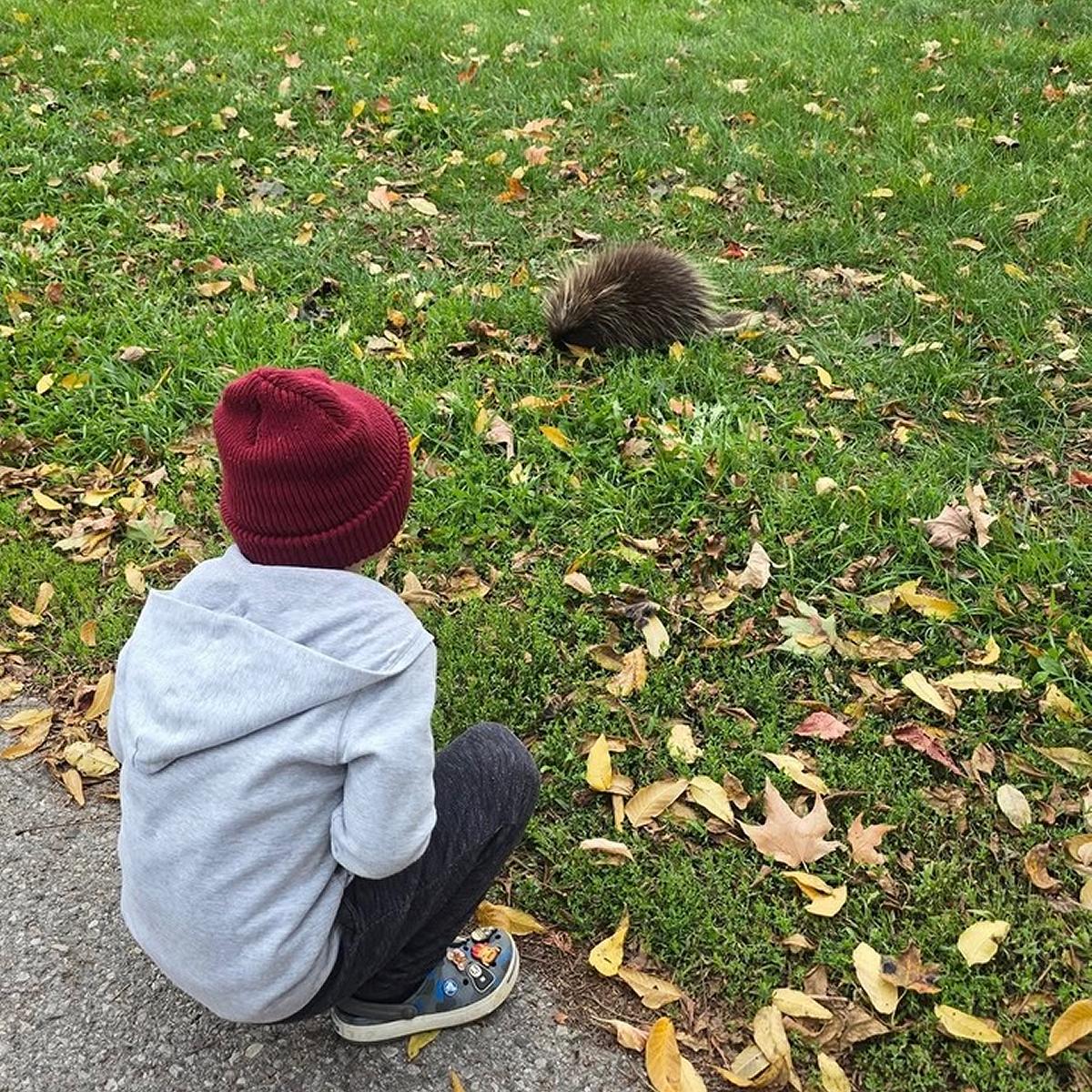
Paul adds, since young porcupines often wait on the ground while their mother is nearby foraging in trees, he decided to monitor the sightings.
“I tend to take a backseat approach because the last thing you want to do is use your human heart and go, ‘The world’s ending,'” says Paul. “That’s how people end up taking deer fawns (into rescues) when they should be leaving them alone.”
But upon seeing another concerned citizen make a post in the Facebook group on Sunday, November 23 asking if someone could help the porcupette, he decided to call Shades of Hope, which told him someone had already reported their concerns about the animal.
Shades of Hope recommended to Paul that, based on the size of the porcupine, it should be captured and brought to the facility for examination. Paul told the refuge he planned to do so that Tuesday but then, late on Monday, Shades of Hope contacted him and advised somebody else had already captured the animal and brought it in.
That person was Jessie Rose Powell, who had posted that Monday afternoon in the Peterborough and Kawartha Wildlife Facebook group that she noticed the porcupine appeared to be sick, staying in the same spot for two hours with “laboured breathing and wheezing.” She also called Shades of Hope, described the animal’s condition, and they advised her to capture the porcupette and bring it in, which she did later that same afternoon.
“They’re one of the largest wildlife rescue and rehabilitation centres in our area,” says Paul about Shades of Hope. “They take over 7,000 intakes in a year, so they’re always busy. Anytime I show up there, there’s always someone calling about squirrels, raccoons — all these animals. It never stops.”

On Wednesday (December 3), Paul received an update from Shades of Hope about the status of the porcupette, which was discovered to have an upper respiratory infection and potentially pneumonia. Shades of Hope also said that the animal was too young to be on its own based on its age and size (porcupines leave their mothers when they are about five months old), and would spend the winter at the refuge.
“It makes you wonder if mom got killed by a car,” says Paul. “You’d never normally see them (in the daytime) — they’d only be out at night.”
Paul says Shades of Hope told him that, after the porcupette recovers from its infection, it will be introduced to another porcupette at the refuge. While porcupines are solitary in nature, they may den with other porcupines throughout the winter.
“When they’re keeping young ones over the winter, they (Shades of Hope) eventually try to bring them together, even just for company,” says Paul. “When they’re young, they can form bonds with each other, and (Shades of Hope founder) Gail (Lenters) did tell me that there is a possibility that these two may bond over the winter.”
Paul says the plan is for the porcupine to be released back into the wild in the spring, and he hopes to be there for the occasion. In the meantime, he’ll continue to do what he can for local wildlife while also sharing stories like this to encourage others to see the inspiring work done by rescues like Shades of Hope.
Calling Shades of Hope a “wonderful organization,” Paul encourages people who encounter a wild animal that appears to need help to first reach out to Shades of Hope and ask questions.
“But you also know you can trust them with any animal and know they’re going to take care of a little baby porcupette that could need care for five or sixth months, and they’re never going to abandon it. It doesn’t matter how much it costs to take care of that animal, big or small, you know they’re going to be there.”
He also encourages people to support Shades of Hope by making a donation at www.shadesofhope.ca/donate.html.