






















Each December, Canadians collectively generate a mountain of waste, and a surprising amount of it comes from what’s around the gift, rather than what’s inside.
Wrapping paper, tape, bows, and glittery decorations are used for mere moments before heading directly to the landfill.
This year, consider shifting to a whole new approach to wrapping. After all, it’s the thought that counts.
Why rethink gift wrap?
While many people assume gift wrap goes straight into the blue bin, much of what is used during the holidays is not recyclable. Glitter-coated paper, metallic foil wraps, laminated bags, glossy finishes, and decorative add-ons like bows and ribbons all contain plastics or mixed materials that the recycling facility cannot process. Even tissue paper, because of its short fibres and dyes, can’t be accepted.
And then there’s tape. Clear tape is a single-use plastic designed for convenience, not circularity. Millions of strips of tape are thrown away every holiday season. Once discarded, these tiny bits of plastic behave just like other microplastics: they persist in the environment for generations.
Reducing holiday waste isn’t about reducing joy. It’s about thoughtfully choosing materials that honour both the person receiving the gift and the planet that supports everyone.
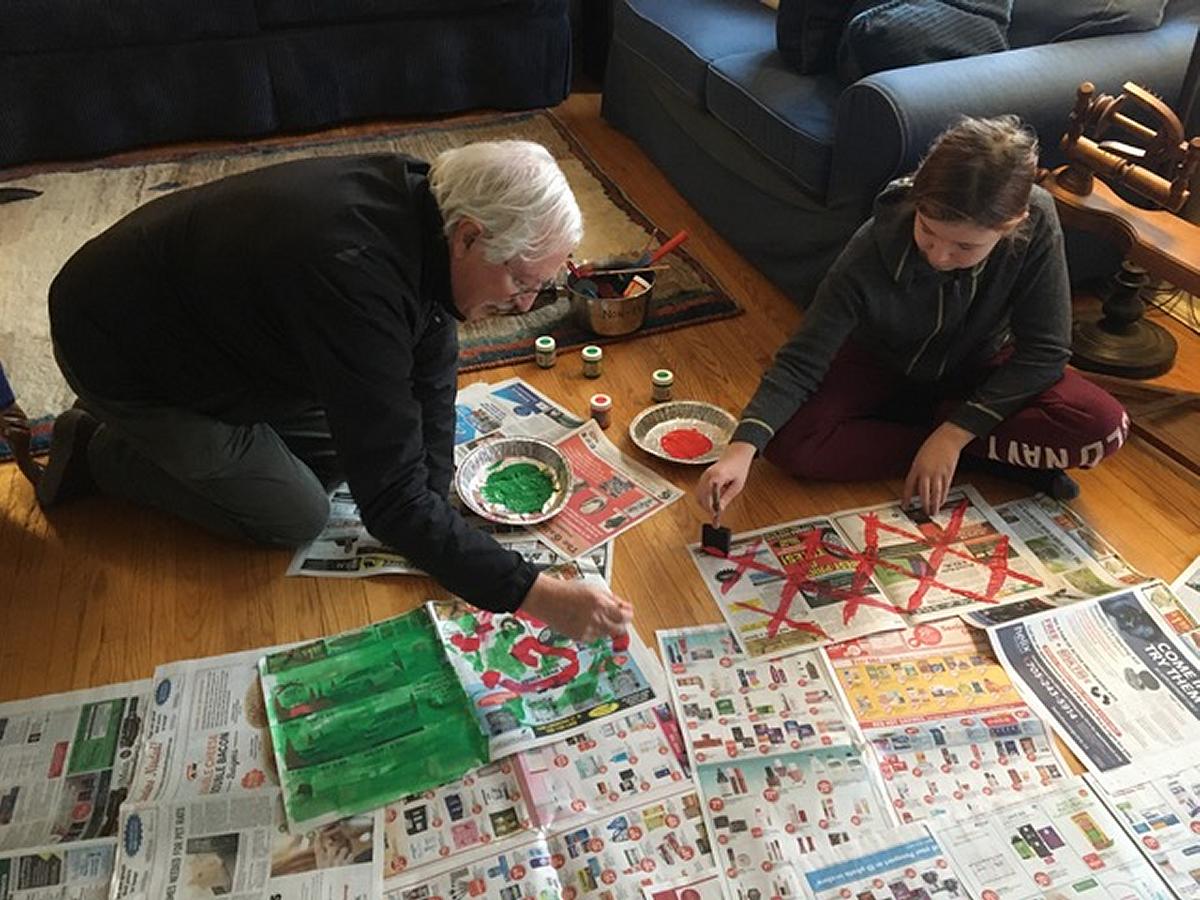
Reduce, reuse, recycle: holiday edition
Here are a few easy ways to shift wrapping routines by reducing what is used, reusing what’s already available, and choosing materials that can be recycled or composted once the festivities are over.
Reduce the single-use stuff
- Skip anything sparkly, shiny, or metallic
- Choose non-glossy paper and cards
- Avoid plastic bows and curling ribbon
- Buy less: one thoughtful item wrapped beautifully is more sustainable than multiple packaged gifts.
Reuse what already exists
- Wrap with old maps, calendar pages, or children’s artwork
- Reuse a tea towel, scarf, bandana, or thrifted fabric
- Pop the gift in a nice reusable shopping bag
- Place it in a sturdy reused gift box
- Wrap in paper from parcels or shipping
- Accessorize the gift with a cloth ribbon and a wooden tag that can be reused.
These options add charm and personality and avoid new waste entirely.
Recycle (or compost)
If new wrapping is required, look for:
- 100 per cent paper without gloss or glitter
- Paper tape, masking tape, or no tape at all
- Plain paper tags
- Twine, jute, or cotton ribbon
- Chose to decorate a gift with elements from nature that can then go into the green bin, such as dried oranges, sprigs of greenery, pinecones, or a feather.
Fabric wrapping traditions
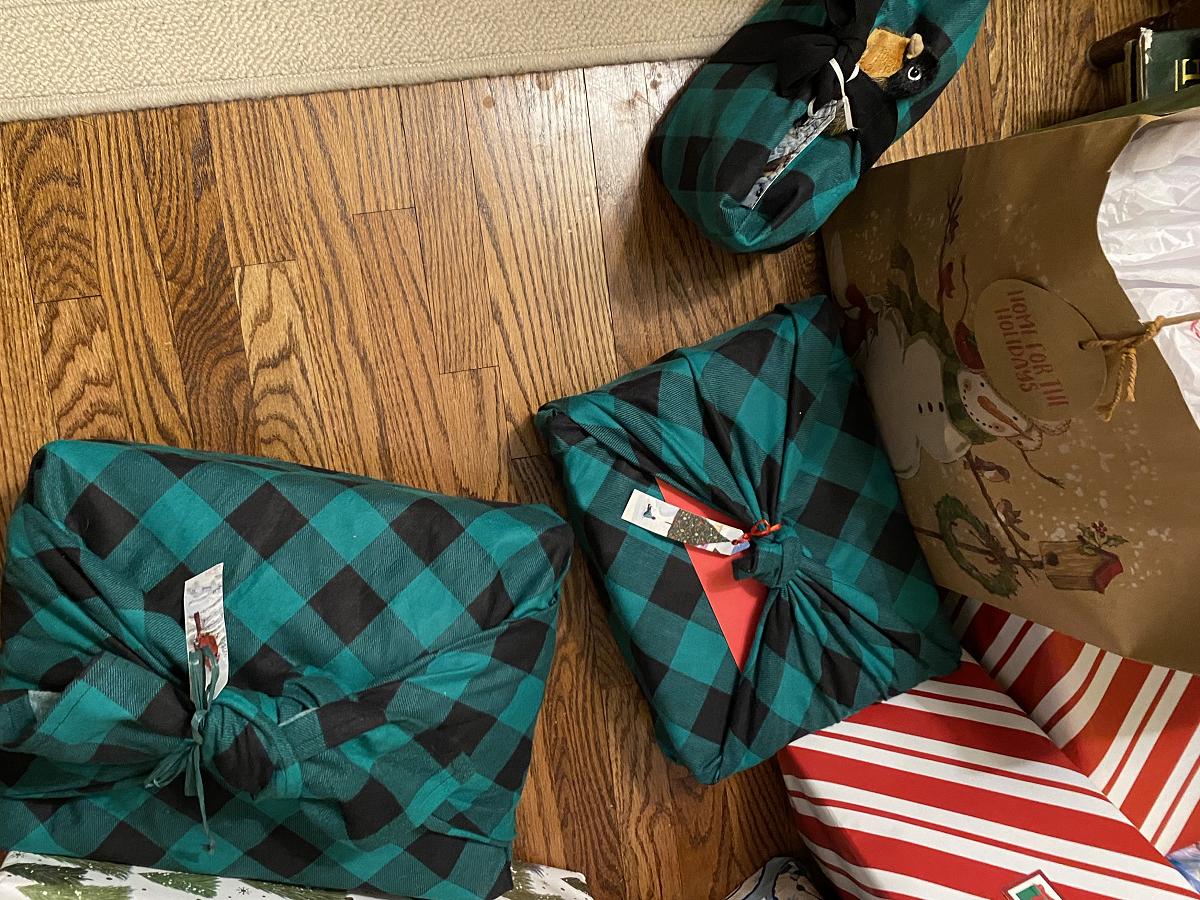
Ready to try something new this year? Consider an even more creative option.
Around the world there are several cultural traditions that wrap gifts in fabric. Japanese furoshiki uses square cloths tied in elegant knots; Korean bojagi uses beautiful, often hand-sewn coverings. These fabrics become part of the gift itself, and can be kept, returned, or passed along.
A set of colourful fabric “gift wrap” could, in itself, be the perfect gift for that special someone who appreciates sustainability.
“Santa sacks” and reusable bags

A growing number of families who celebrate Christmas use “Santa Sacks”: large cloth bags that can hold multiple presents. Children can open the sack on Christmas morning and return it for reuse next year. This tradition reduces waste dramatically and can make the moment of opening gifts a little more magical. Reusable fabric bags are another simple option. They’re quick to fill, easy to store, and last for years.
If fabric isn’t an option, durable and recyclable paper gift bags work beautifully. Choose those without foil, glitter, or lamination so they can eventually be recycled, and reinforce handles if needed. For matching tags, cut up old holiday cards, punch a hole in them, and tie them on with twine.
Every little change — even switching from plastic to paper tape — reduces the footprint of the holidays. By embracing wrapping as part of the gift-giving experience, the door opens to more creativity, personalization, and joy.
Learn more about taking local, sustainable action at greenup.on.ca or follow GreenUP on social media @ptbogreenup.