



















GreenUP grew over 5,000 native plants in 2025 and supported the planting of hundreds of others. In celebration of these restoration efforts, along with newly installed tree identification signage at Ecology Park, GreenUP will highlight a few select native trees in a three-part series over the holidays.
When most life seems to retreat in the harsh Canadian winter, coniferous trees stand tall — sheltering wildlife, cleaning the air, offering reliable food sources, and adding a welcome splash of colour to an otherwise grey landscape.
Each of these species brings its own unique traits, transforming what could feel like a bleak midwinter into a season of opportunity for countless creatures.
From the black-capped chickadee to red squirrels and the white-tailed deer, these evergreens don’t just support wildlife — they sustain it. Their cones offer nutrient-packed seeds, their fresh twigs provide winter browse, and even the occasional berry hanging on from fall becomes a welcome treat. Together, they create a dependable winter pantry long after other food sources have disappeared.
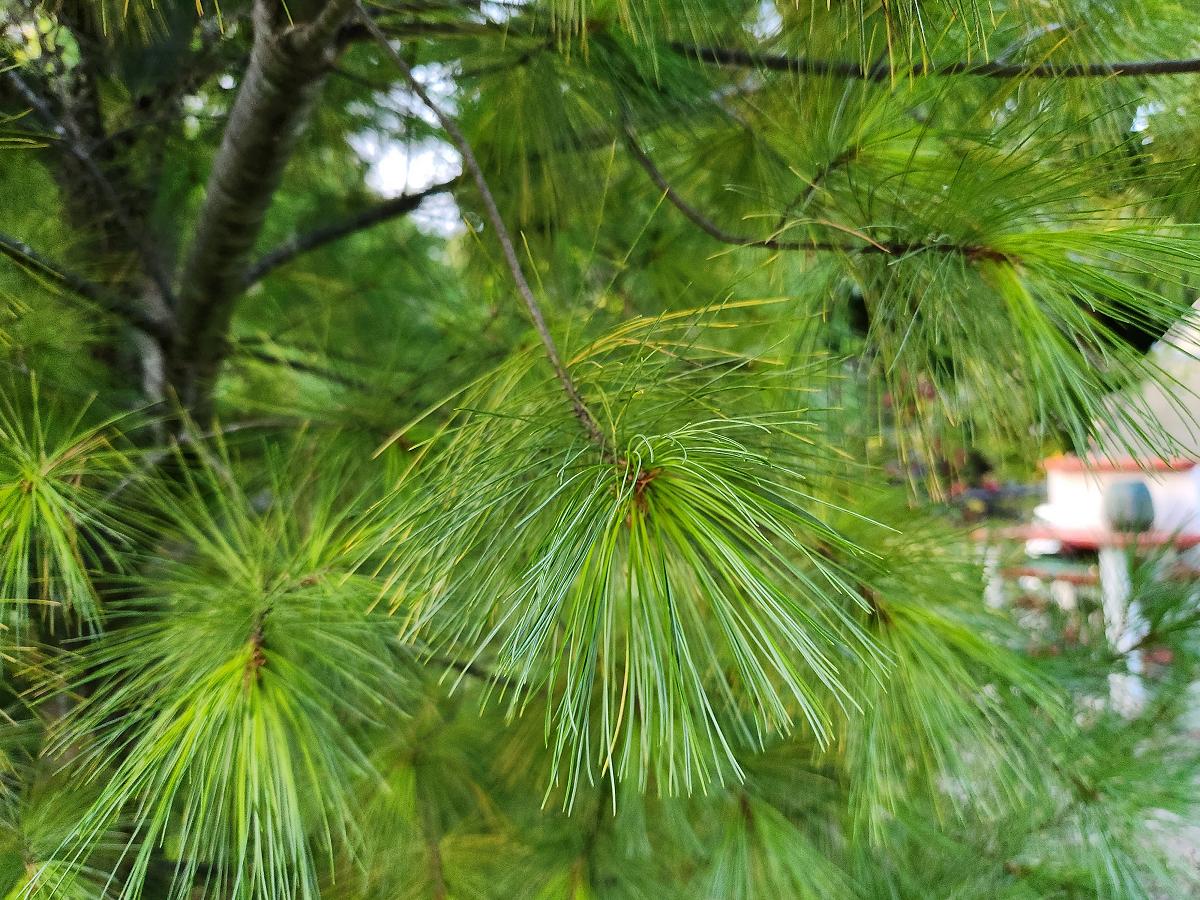
Among these winter champions, the eastern white pine (Pinus strobus) stands out as a symbol of resilience. Known as the “Great Tree of Peace” amongst the Haudenosaunee, this tree’s tall, straight trunk and soft bundles of five needles carve a silhouette instantly recognizable across Ontario. Yet, beyond its iconic form lies a wealth of ecological gifts.
The soft, flexible branches of the white pine offer a dense shelter from the cold, harsh winter winds and snow. Black-capped chickadees, pine siskins, and other small songbirds often choose white pine stands for foraging and rest, as their needles offer shelter from the elements. Red squirrels also rely on these giants, caching cones through the summer to prepare for their much-needed winter feasts.
Food and shelter aside, white pines also play a crucial role in shaping winter habitats. Their soaring trunks provide lookout posts for owls and hawks alike, while mature stands break the wind and create calmer understory conditions where deer can rest. Even in the deepest cold, white pines remain pillars of resilience.
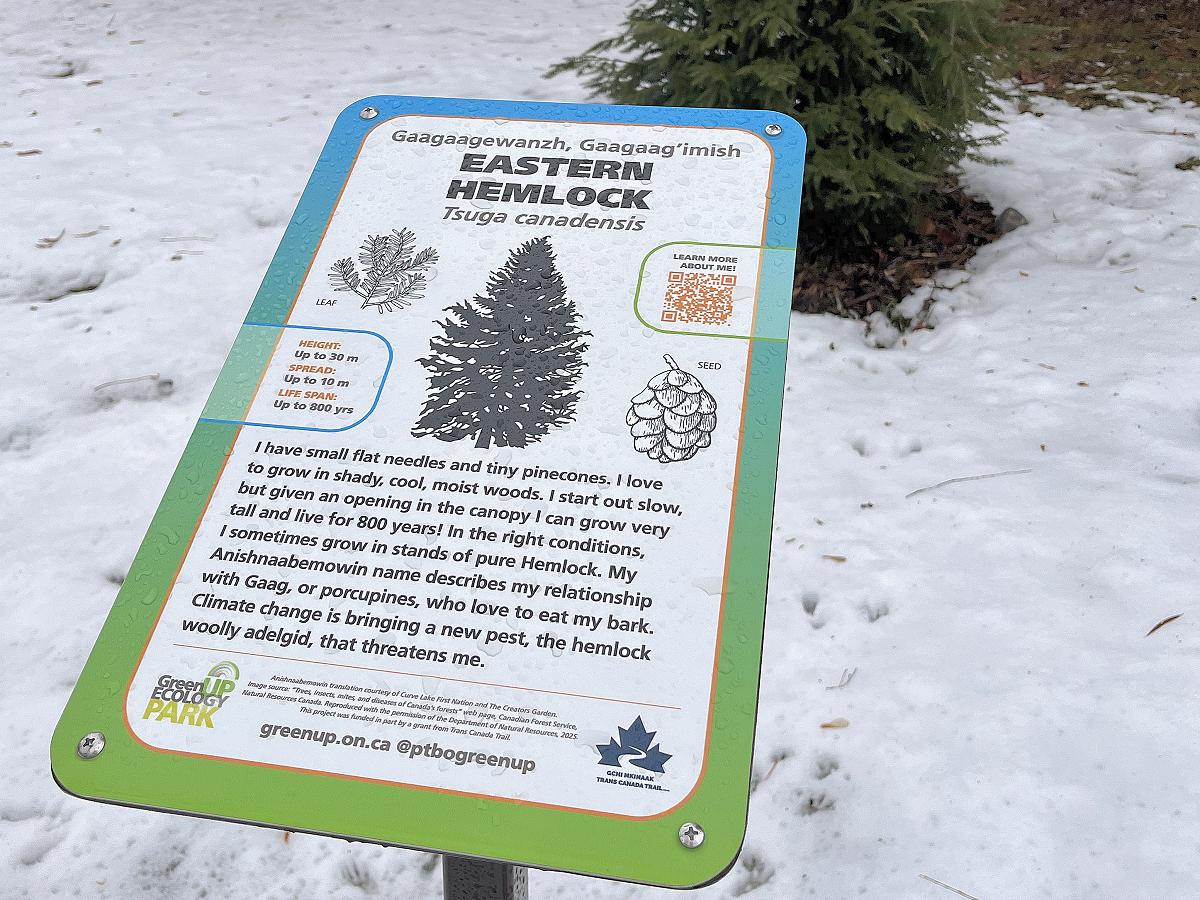
The white pine isn’t alone — it shares the spotlight with another humble giant, the eastern hemlock (Tsuga canadensis). Found throughout cool ravines and shaded northern slopes, the hemlock creates some of the most stable winter microhabitats in the forest. Its shiny green needles with a pale underside form dense, layered canopies that buffer wind like no other, trapping warmth, catching snow, and leaving the forest floor below surprisingly warm.
Nuthatches and golden-crowned kinglets find themselves foraging through fine needles in search of overwintering insects, while the deer below stop to take a break in this unique utopia. Though they often have a frail appearance, hemlocks are ecological powerhouses responsible for cooling rivers and providing habitat for brook trout.
In winter, when life seems to retreat in wait for spring, hemlock stands remain quietly alive, softening the landscape, sheltering the vulnerable, and shaping entire ecosystems from their shaded understories to the cold streams they guard. Their presence offers a subtle reminder that resilience doesn’t need to be loud or towering; sometimes, it’s found in the gentle sweep of evergreen branches that make survival possible.
Another conifer with a compelling story is eastern white cedar (Thuja occidentalis), also known as “The Tree of Life.” This hardy species offers remarkably high-quality winter browse, making cedars an essential food source for deer, rabbits, and porcupines when other options are buried under snow.
Often found clinging to limestone cliffs, wetland edges, and rocky shorelines, this tree’s flat overlapping scales make up its unique leaves, which are recognized by all. Simply put, this tree survives where few other trees dare to grow, including the Niagara Escarpment, where some of Canda’s oldest eastern cedars still stand.
Cedar’s contributions extend far beyond its limbs. Flocks of cedar waxwings often drift through white cedar stands in winter, pausing amongst the sheltered branches. Mature cedar stands also form wide-spreading fibrous root systems that work to stabilize soil along streams and wetlands, protecting vital riparian habitats that remain active throughout the winter.
Winter may strip the world to its bare essentials, but in the evergreen presence of white pine, hemlock, and cedar, lies a story of endurance. Their branches hold not only snow, but entire communities. Their roots anchor more than soil — they anchor entire ecosystems. In their company, the winter forest feels less empty and far more alive.
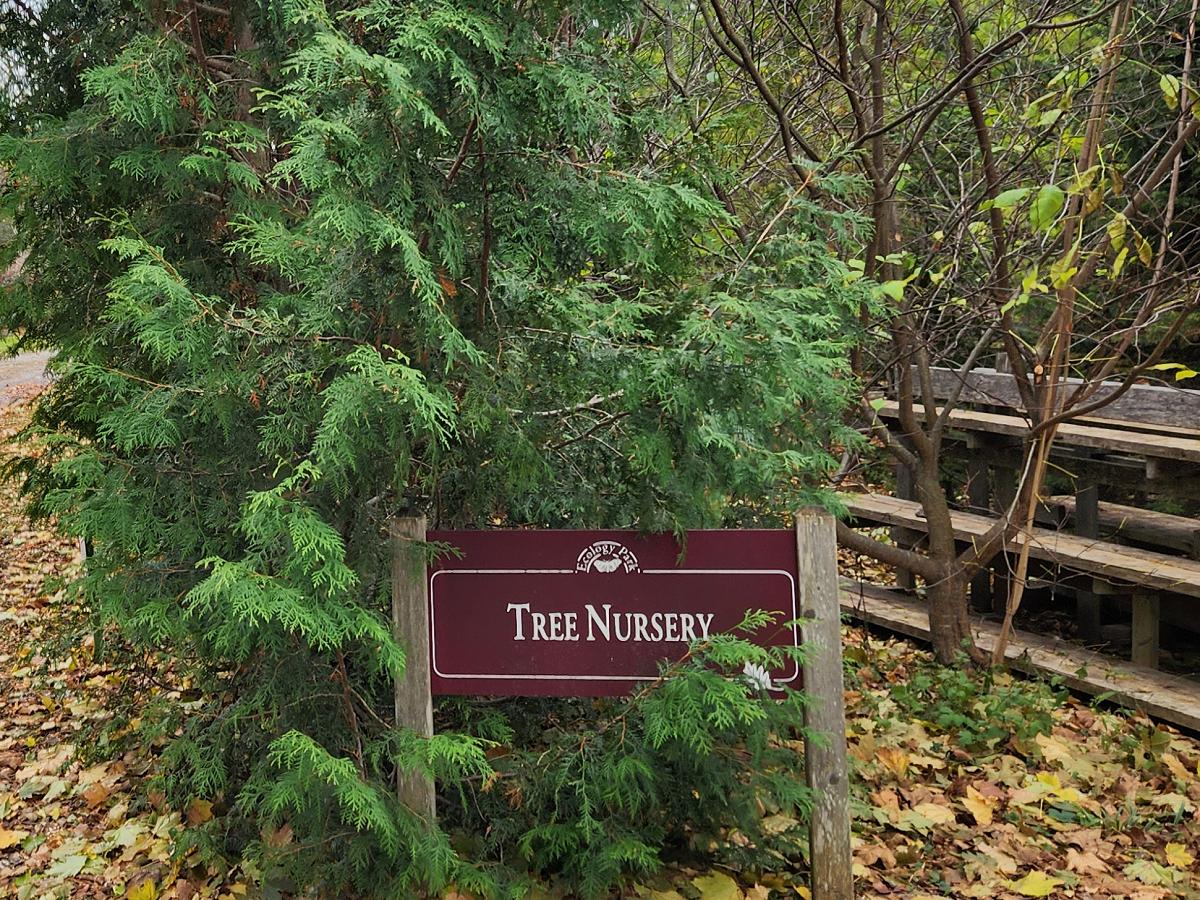
Visit Ecology Park to see these native tree species and the newly installed tree identification signage, funded in part by Trans Canada Trail, and featuring Anishnaabemowin translation of the tree names courtesy of Curve Lake First Nation and The Creators Garden.
You can support GreenUP’s work to restore native habitat locally by donating today at greenup.on.ca/donate-now/.