





















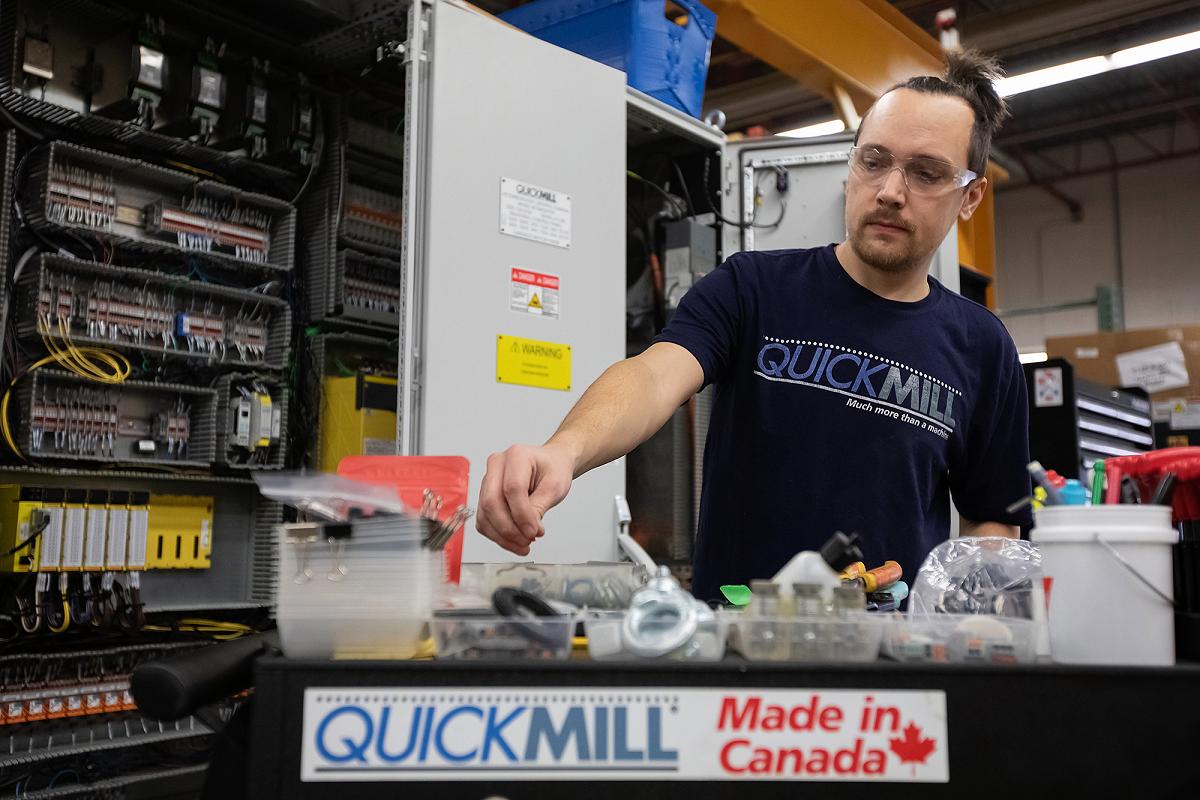
For many Canadian manufacturers, the disruptions to traditional trade relationships have contributed to a year filled with turbulence, volatility, and economic uncertainty.
For Peterborough’s Quickmill, which has grown into one of the world’s leading manufacturers of large-scale machining centers over the past 40 years, the disruptions pose a challenge because the U.S. is their most important export market.
To meet the challenge, Quickmill is pursuing a diversified growth strategy that has already seen the company deliver solutions for a wide range of existing customers while simultaneously expanding into new markets. That includes Quickmill being one of a select group of Canadian export-ready companies chosen by the federal government to join the Team Canada Trade Mission to Mexico in February.
With Mexico a global hub for advanced manufacturing, there is plenty of potential for Quickmill’s gantry-style CNC machines, which are crafted in Peterborough for demanding and repetitive work across industries including oil and gas, aerospace, mining, HVAC, defence, and more.
“While always mindful of geopolitics, Quickmill and our customers are focused on business,” says Quickmill President and CEO Chad Watson. “We are reinforcing our value proposition with core customers, finding new applications for our machines, introducing cutting-edge technology, and developing new export markets.”
Maintaining strong U.S. customer relationships
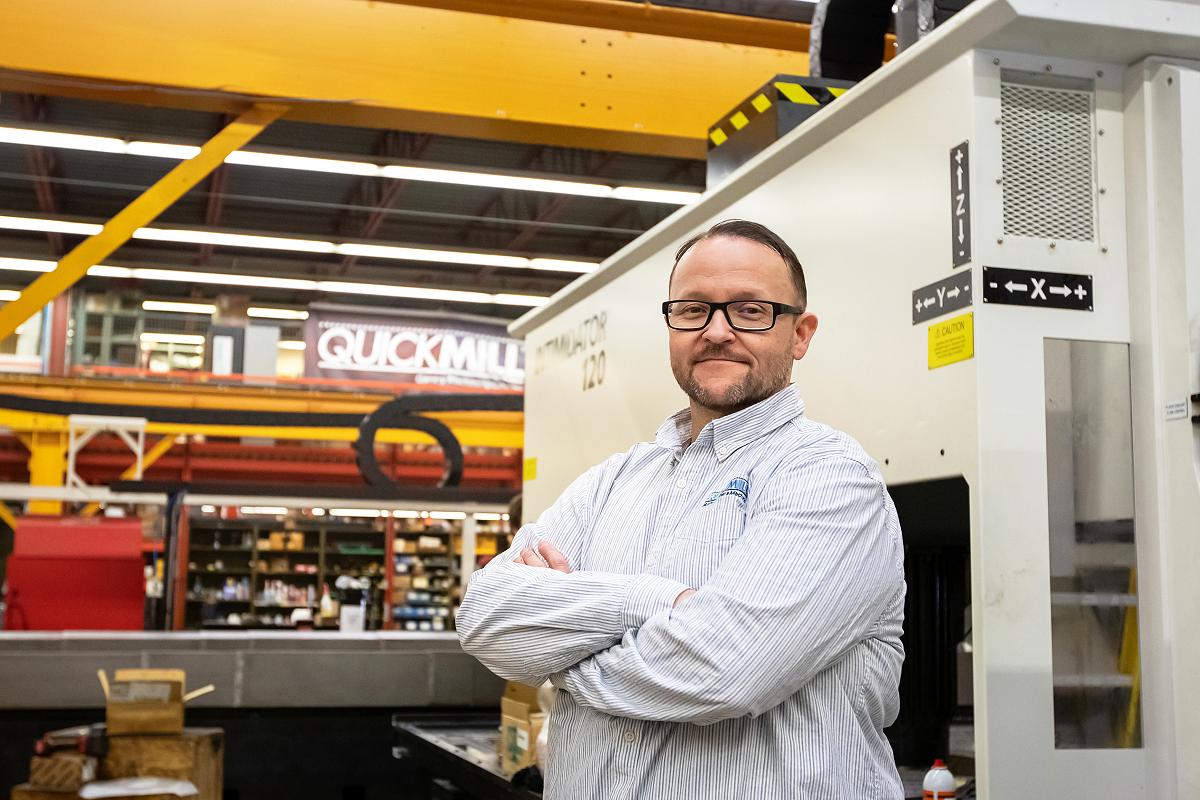
Although Quickmill is actively exploring new markets like Mexico and the Middle East, the company continues to provide the U.S. market with the high-quality customer service that Quickmill is known for. With three sales representatives working in specific areas across the country, Quickmill maintains face-to-face and personalized relationships that include on-site service, technical supports, upgrades, and much more.
Available for codesign and customization, Quickmill’s CUSMA-compliant machines ensure U.S. customers benefit from the advantages of working with a manufacturer in the Eastern time zone and having efficient transportation connections. These benefits have contributed to Quickmill’s strong and growing reputation in the U.S.
“Our customers are Quickmill ambassadors,” says Quickmill Regional Sales Manager Phil Green. “Not only do they offer testimonials and referrals, but they open their doors for demonstrations.”
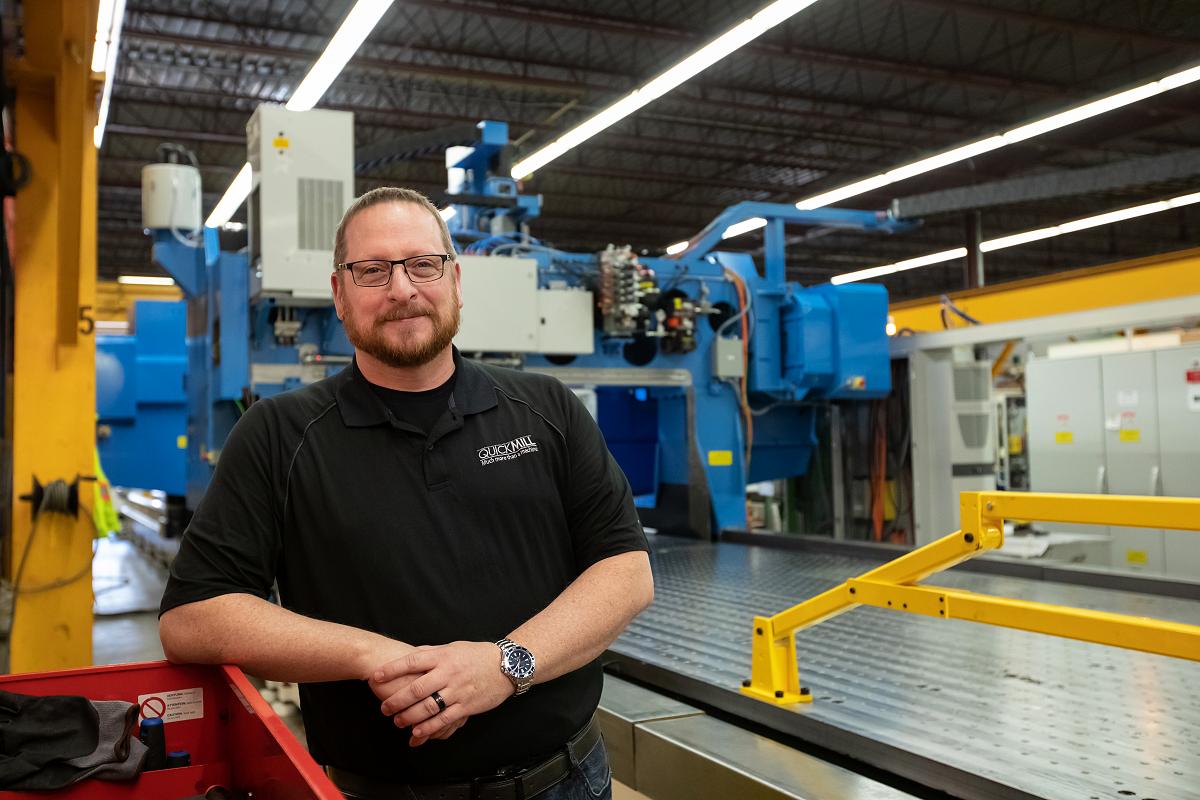
As an example, Green describes a recent collaboration with a Virginia customer who was considering upgrading a 25-year-old Quickmill machine to a newer model.
The customer saw a similar machine in action by visiting a Pennsylvania facility, who was a client of Green’s colleague Mark Williams.
“My client got to see a new Annihilator operating in a production environment, speak directly with operators and owners, and witness the machine’s power and efficiency,” says Green. “It gives prospective buyers confidence by seeing first-hand what our machines can do, and it gives them confidence in us.”
Advancing innovation with friction stir welding
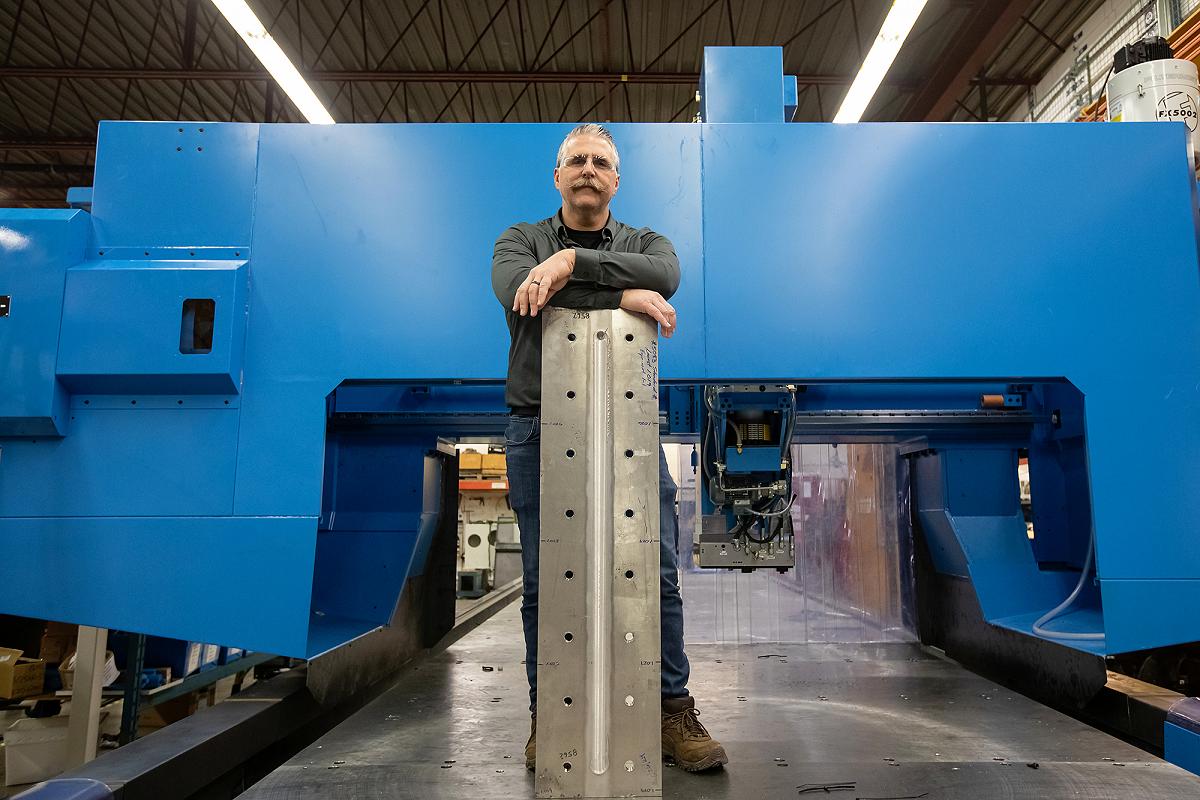
Quickmill also continues to evolve and introduce new technologies, building upon the high-quality drilling, milling and innovative engineered solutions customers have relied on for decades.
This includes developing machinery that is ideally suited for friction stir welding capabilities. In this solid-state welding process, the inert gas, electric arc and welding rod are replaced with non-consumable tools that generate frictional heat between the rotating tool and the workpiece, causing the metal material to plasticize and mix. This produces stronger bonds, eliminates porosity and cracks, and reduces distortion.
“Friction stir welding is about careful heat control. It generates a tremendous amount of force,” says Quickmill Engineering Manager Rob McArthur. “You need a matching counterforce, enormous axial strength, and stability — especially over long distances. Quickmill machines are designed from the ground up to handle these loads and deliver clean and consistent welds every single time.”
VIDEO: FANUC-Controlled Friction Stir Welding Machine Helps Advance US Manufacturing
Though the transformative process is traditionally used for softer metals like aluminum and thinner sheets, Quickmill’s machines are uniquely designed with the capacity to friction stir weld steel sheets and thick pieces of aluminum up to two inches.
“Friction stir welding integration is a clear competitive advantage for Quickmill,” says McArthur. “It can be one of many tools integrated, so a single machine can drill, tap, mill, and weld.”
The applications for these purpose-built machines are vast, including aerospace, automotive, shipbuilding, and other defence projects.
Supporting the federal government’s major infrastructure projects like high-speed rail
Quickmill’s innovative technology is ideally suited to leverage opportunities arising from the federal government’s Buy Canadian Policy, and major infrastructure projects that will rely on Canadian manufacturing.
“We follow the major projects discussion carefully,” says Watson. “From pipeline to ports, from small modular reactors to major bridge infrastructure, Quickmill can be a Canadian supply chain partner for these historic Canadian investments.”
Given that friction stir welding technology is becoming popular for aluminum rail car production and customers have used Quickmill’s machine centers to produce rail cars and track components, the company is an ideal partner to contribute to Alto’s high speed rail project, a development that will also directly impact the company’s home in Peterborough and The Kawarthas.
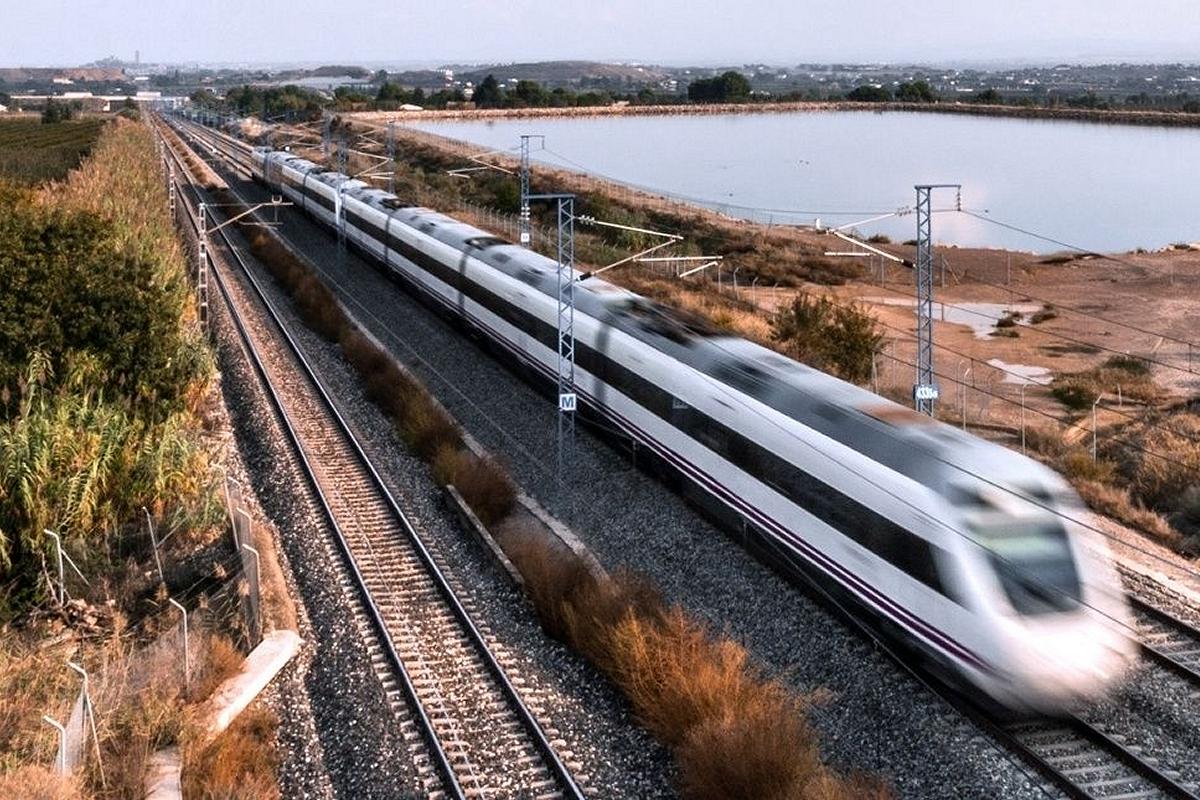
One of the nation’s largest infrastructure investments in recent history, Alto will span 1,000 kilometres from Toronto to Quebec City, including a stop in Peterborough, with trains reaching speeds of 300 km/h or more.
According to Alto and its private developer partner Cadence, building Canada’s first high-speed rail network will require over 4,000 kilometres of steel rails alongside massive quantities of structural beams, catenaries, and other core materials.
“Many specifications, like the carbon and manganese content in the steel rails are yet to be determined,” says Quickmill Regional Sales Manager Mark Williams. “But based on our U.S. experience, we can custom engineer a solution to machine Alto’s rails and track components, using more powerful motors, multiple spindles, and large platforms.”
Expanding into Mexico’s advanced manufacturing market

As well as strengthening its markets in Canada and the U.S., Quickmill is making expansion into Mexico, the third country in the CUSMA agreement, a priority. The company will focus on the Monterrey region in Neuvo Leon, which is known as the industrial engine of Mexico and a leader in heavy equipment manufacturing.
“We believe there is a great match between Quickmill’s machining solutions and the needs of Mexican manufacturers and machine shops,” says Lee Brown, Quickmill Sales Director, who has visited Mexico four times in the past year and attended industry trade shows like FABTECH Mexico and Tecma.
Quickmill received support from the National Research Council Industrial Research Assistance Program (NRC-IRAP) to test assumptions about customer demand in Mexico. This led to Quickmill developing a Spanish version of the company website and being promoted by Mexican industrial trade publications.
“The NRC-IRAP project shortened our learning curve,” says Brown. “We have adapted after gaining insights on the use of Spanish versus English in marketing, answered service and training questions, and discovering the prevalence of WhatsApp in business dealings in Mexico.”
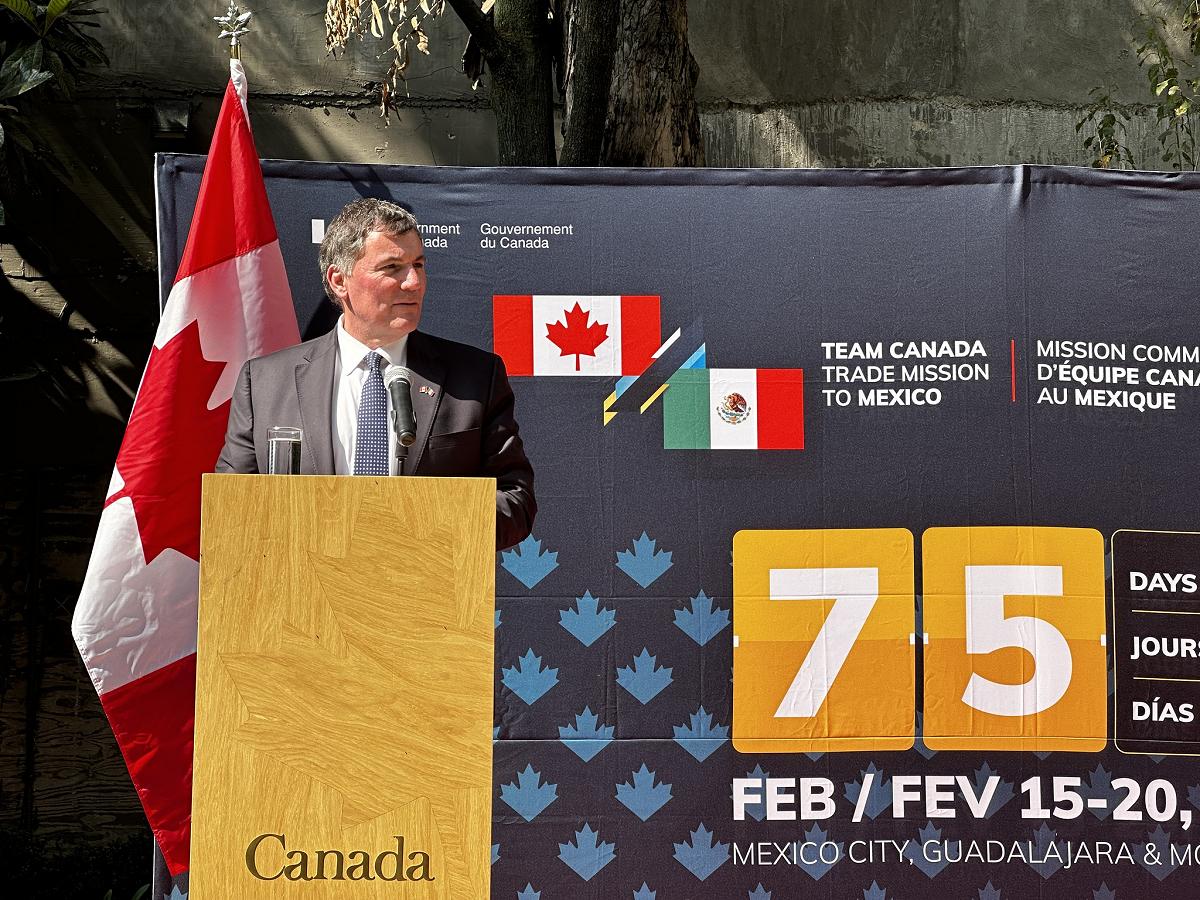
Quickmill’s Mexican expansion strategy has already proven fruitful, with the company invited to join the Team Canada Trade Mission to Mexico from February 15 to 20.
Led by the Honourable Dominic LeBlanc, President of the King’s Privy Council for Canada and Minister responsible for Canada-U.S. Trade, Intergovernmental Affairs, Internal Trade and One Canadian Economy, the high-profile event in Mexico City and Monterrey will provide Quickmill with networking opportunities with international business leaders, support in finding new partners, and insight into the country’s unique business landscape.
“As an export-focused Canadian manufacturer, Quickmill’s inclusion in the Team Canada Trade Mission to Mexico presents opportunities to grow our operations here in Peterborough and generate new wealth for the country,” says Watson. “We feel incredibly grateful and privileged for the invitation to participate.”
Positioning for long-term and diversified growth in Canada
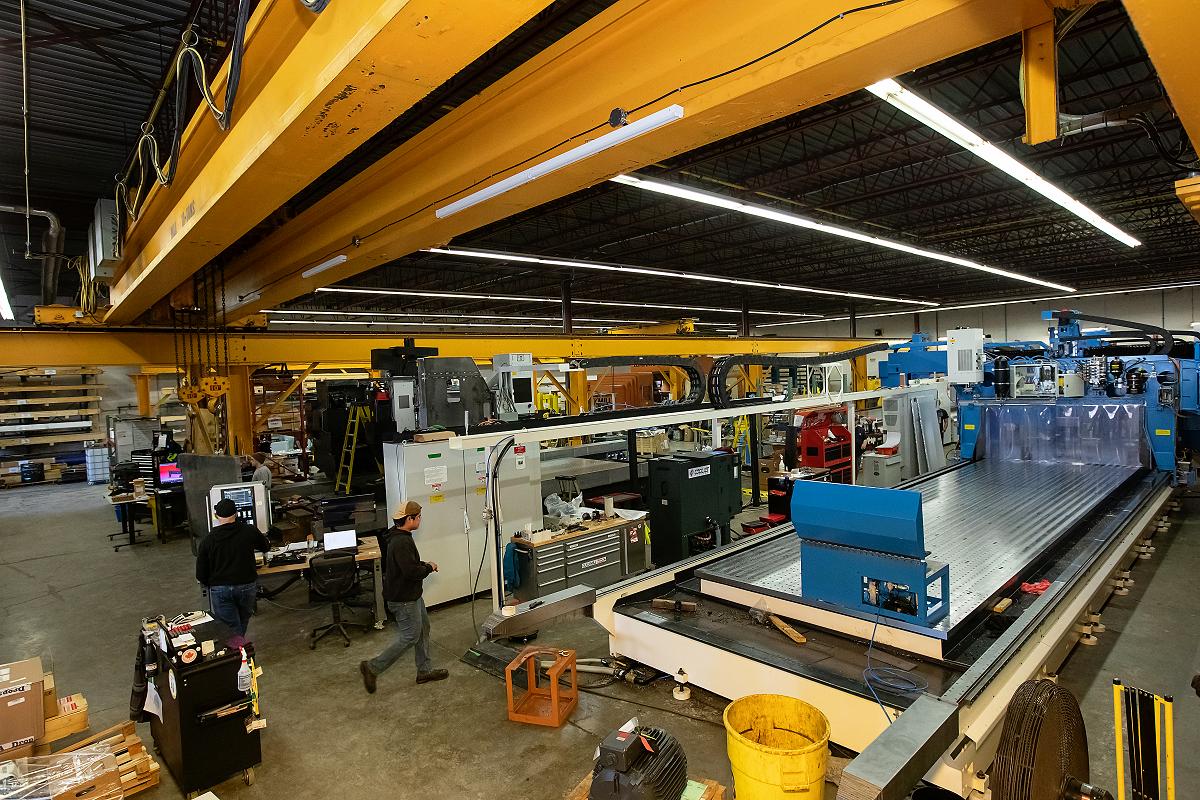
While expanding into new markets like Mexico will help balance U.S. exports, Quickmill’s growth strategy is not just about overcoming short-term trade challenges.
Instead, it strategically positions the company for long-term and diversified growth that is grounded in its founding principles: delivering high-quality and reliable products, providing exceptional service and support, and creating innovative custom-engineered solutions tailored to each customer’s needs.
To prepare for potential growth, Quickmill is exploring options to expand its production facilities to build more and larger machines. It is also actively hiring for manufacturing and customer support roles.
To learn more about Quickmill, visit quickmill.com. For employment opportunities, visit quickmill.com/careers.
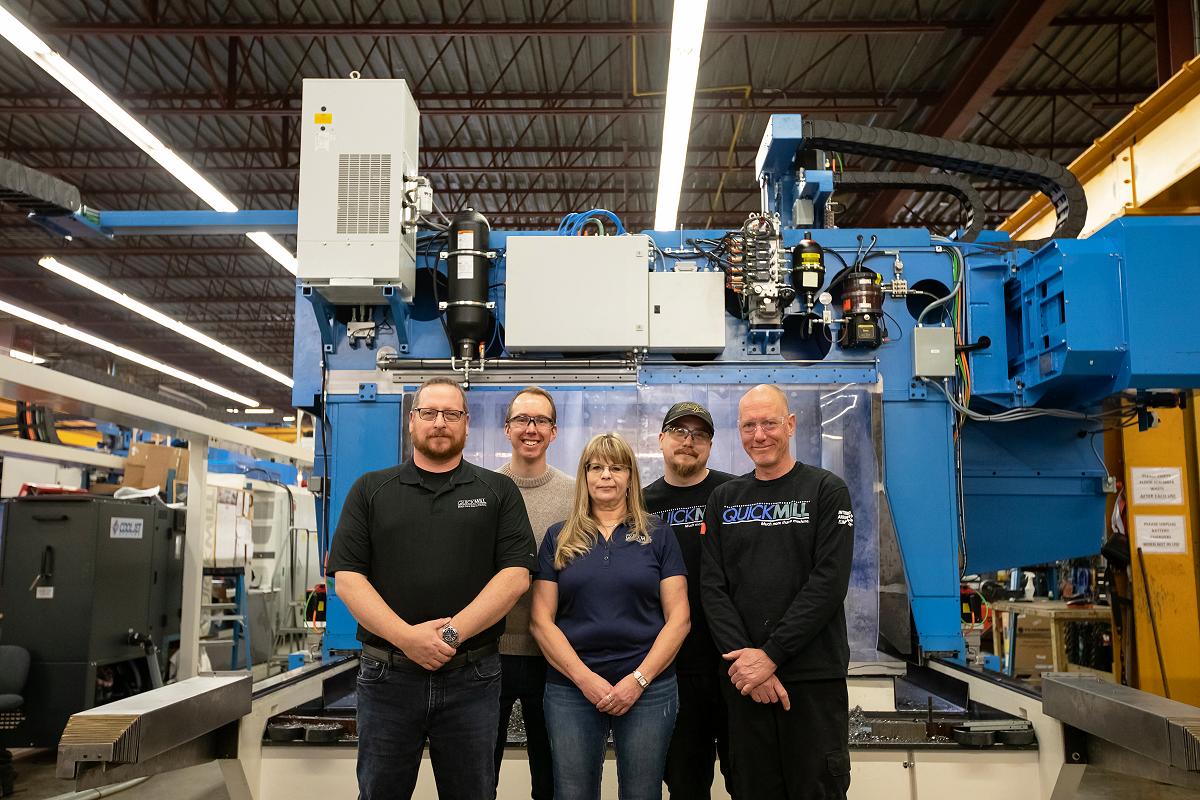
This branded editorial was created in partnership with Quickmill. If your organization or business is interested in a branded editorial, contact us.