


















As with so many environmental challenges, some of the best solutions are surprisingly simple — and often close to home. Enter the garbage-eating worm: a humble but powerful ally in tackling kitchen waste, improving soil health, and reducing greenhouse gas emissions.
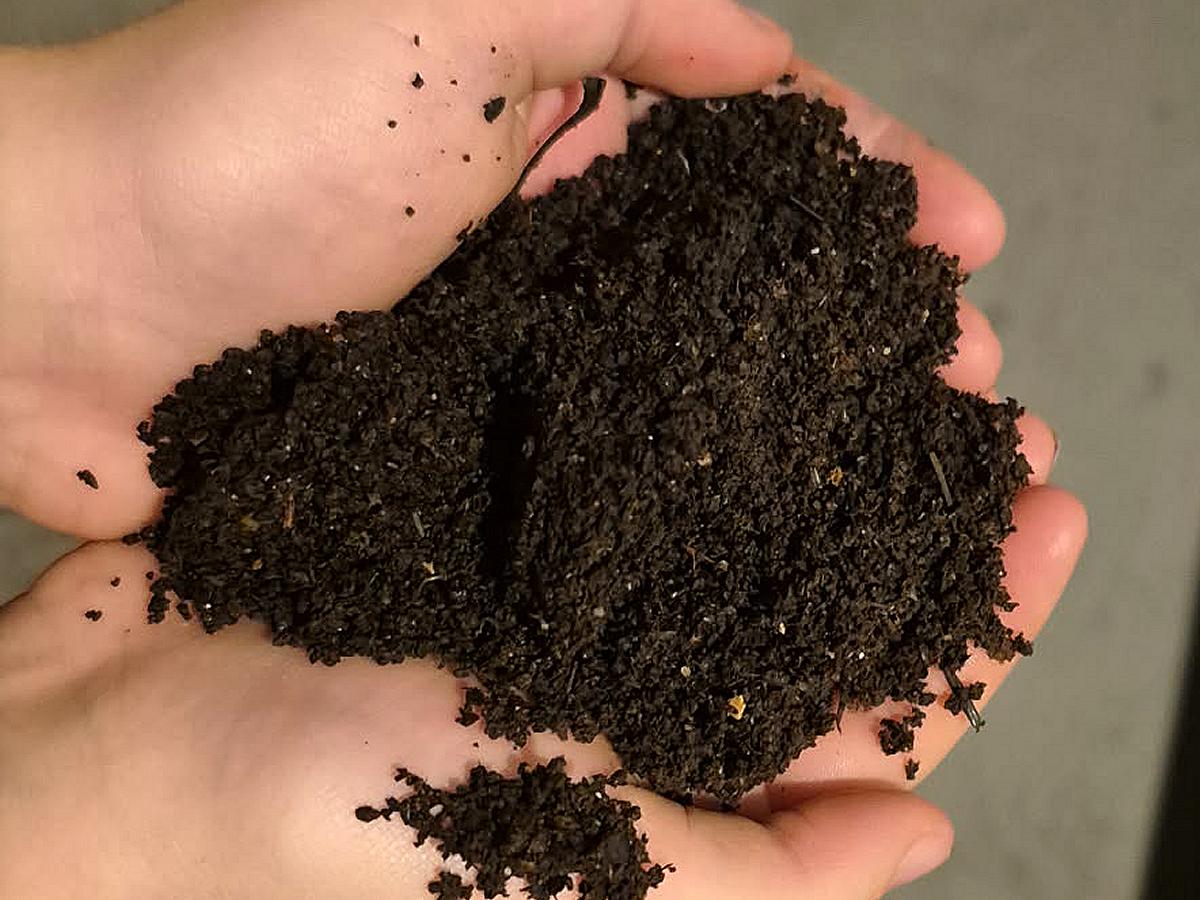
Vermicomposting, also known as worm composting, is the process of using worms to break down food scraps and other organic “green” waste. As worms consume this material, it passes through their digestive systems and is transformed into worm castings — a rich, soil-like material that retains valuable nutrients and beneficial microbes.
These castings return nutrients back to the soil in a form plants can readily use.
Transforming kitchen waste into “black gold”
Worm castings are often referred to as “black gold,” and for good reason.
They are considered one of the highest-quality soil amendments available. When added to gardens, raised beds, or houseplants, they help improve soil structure, increase water retention, and provide slow-release nutrients.
Plants grown with worm castings are often more disease-resistant, drought-tolerant, and productive, with stronger root systems and higher yields.
One of the most appealing aspects of vermicomposting is its flexibility. Unlike traditional composting, worm composting is fast and can be done indoors year-round, regardless of space or climate.
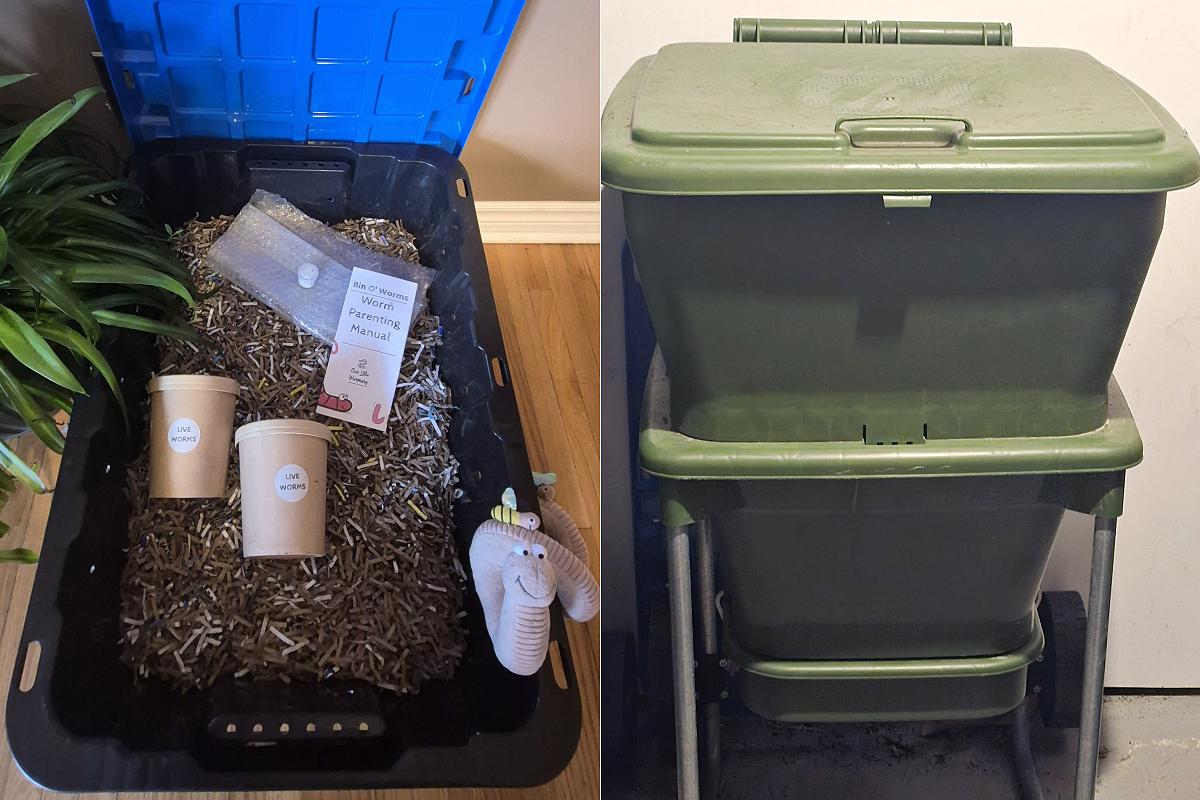
Worm bins can live just about anywhere: backyards, balconies, apartments, basements, classrooms, or even under the kitchen sink. And to address the most common concern — no, a properly maintained worm bin does not smell. Like all healthy compost systems, it should have a mild, earthy scent, similar to the forest floor.
Worm composting systems range from simple homemade bins made from plastic totes to larger systems designed to handle higher volumes of food waste. Some deluxe models like the Hungry Bin can process up to five pounds of food scraps per day, though most households do just fine with a basic setup.
Online tutorials offer many affordable do-it-yourself options, and local vendors such as Our Little Wormery provide starter bins that include bedding, instructions, and worms, making it easy to get started. For those not ready to commit, Our Little Wormery also offers worm bin rental programs — worms included — allowing people in the Peterborough area to try vermicomposting before investing.
Choosing the right worms
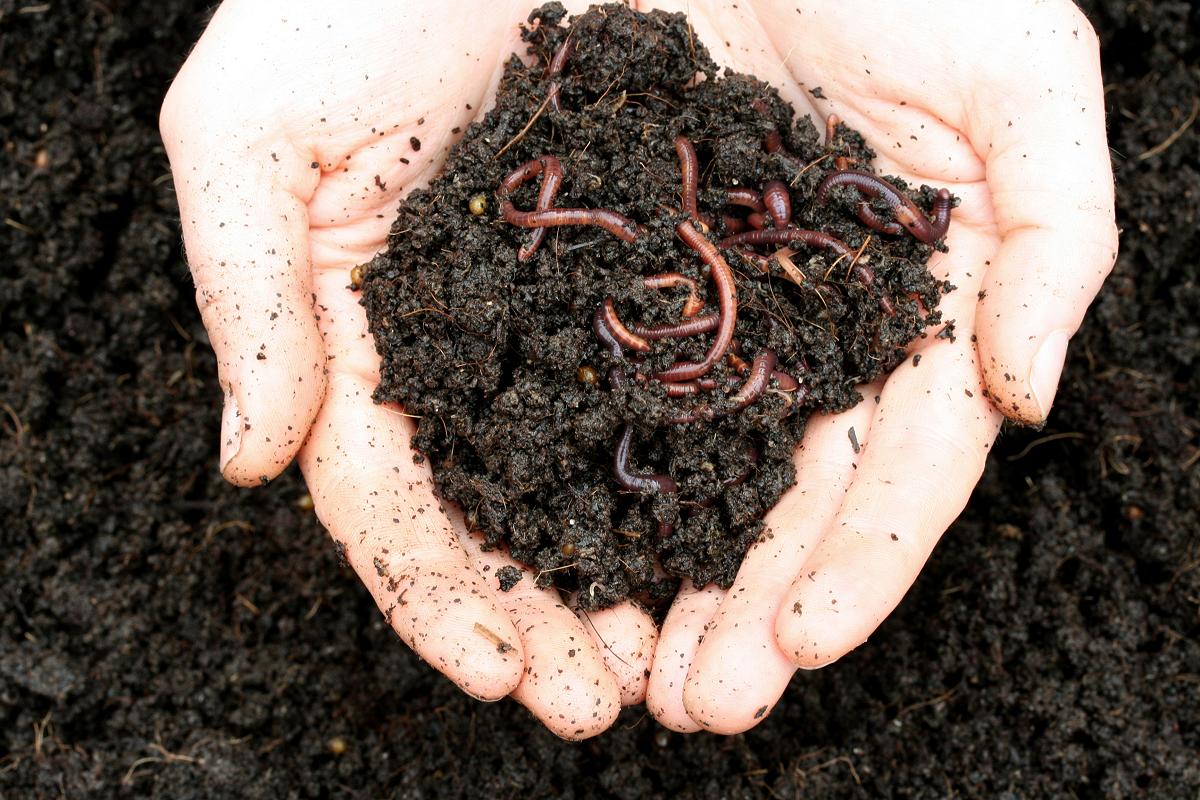
Not just any worm will do. The workhorse of vermicomposting is the red wiggler worm. These worms are ideal because they live near the surface, thrive in confined spaces, reproduce quickly and can eat up to half their body weight in food each day.
While earthworms are not native to North America, red wigglers are considered non-invasive and generally do not survive in wild environments here, making them a safe choice for indoor composting.
However, not all worms sold online or in stores are suitable. Some sellers distribute invasive species, such as Asian jumping worms, which can cause serious ecological damage if released. It is important to verify the species before purchasing and treat worm bins as closed systems, never releasing composting worms into the natural environment.
Vermicomposting and climate change
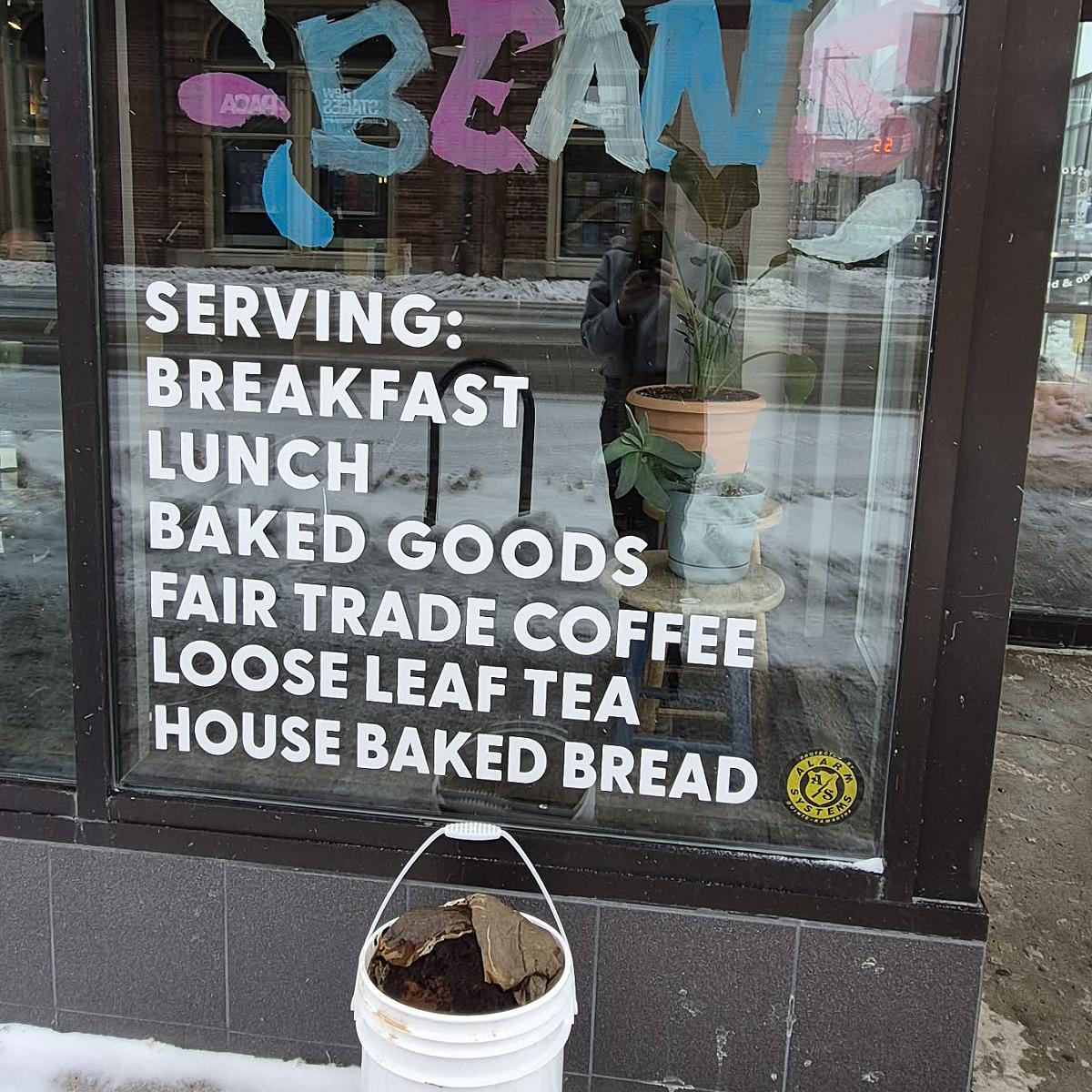
Beyond convenience and soil health, vermicomposting also helps combat climate change.
When food waste ends up in landfills, it decomposes without oxygen, producing methane — a greenhouse gas far more potent than carbon dioxide. In Ontario, millions of tonnes of organic waste are landfilled each year, contributing roughly six per cent of the province’s total greenhouse gas emissions, most of it from methane.
In communities such as Peterborough, where commercial green-waste collection is limited or unavailable, food scraps continue to add to this problem.
Vermicomposting offers an alternative. By keeping food waste out of landfills and returning organic matter to the soil, worms help store carbon where it belongs — underground.
Worm composting indoors may seem unconventional at first, but those who try it quickly discover how clean, quiet, and effective it is.
Worms are industrious, low-maintenance creatures that turn waste into nourishment without complaint. Why not let them do the work — and get paid in “black gold?”
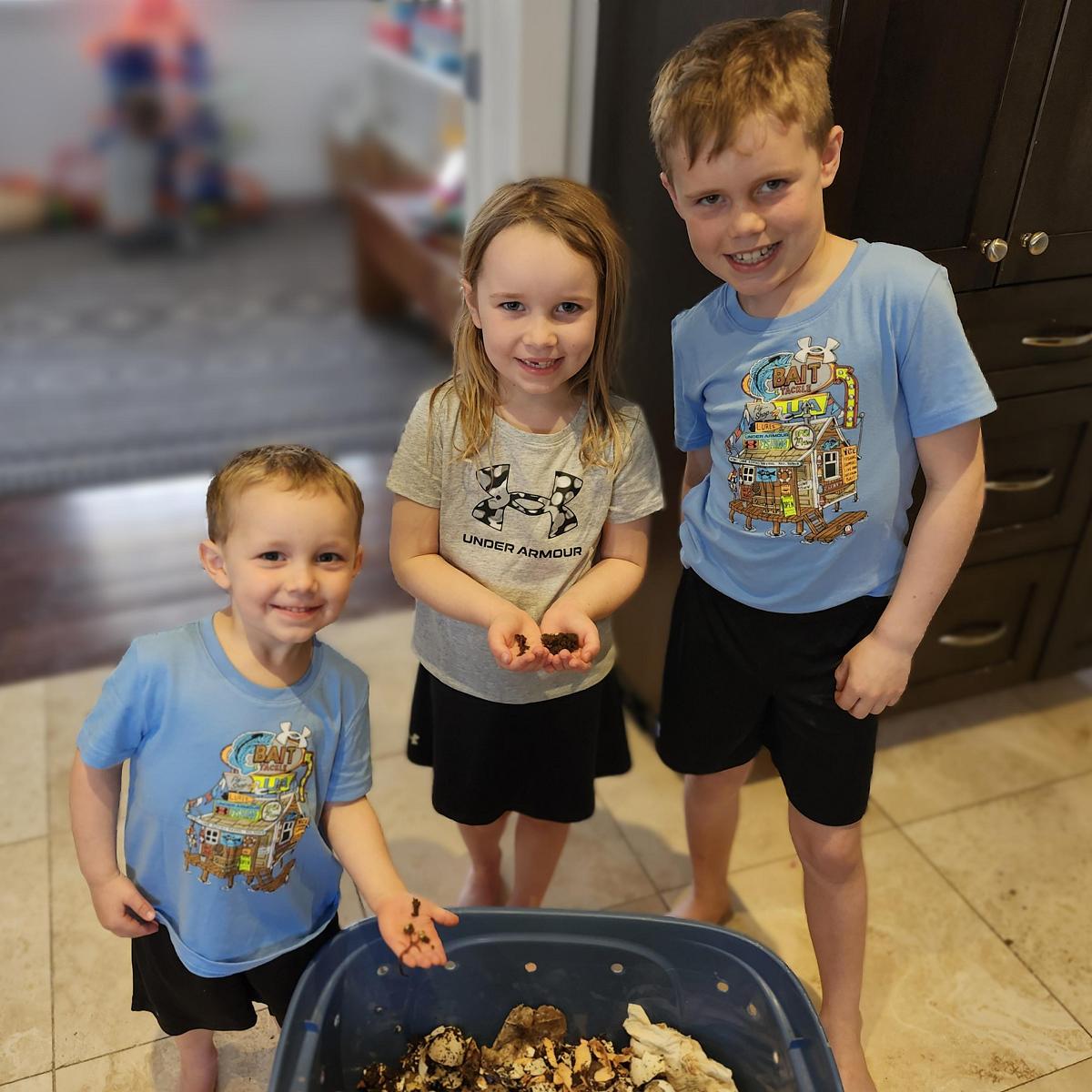
GreenUP guest columnist Callie Downer owns Our Little Wormery in Peterborough. To learn more about sustainable practices using vermicomposting, including bin purchase, rentals, or to engage in a workshop, visit www.ourlittlewormery.com