















A double bill screening of dance films created by Ottawa-based interdisciplinary artist Laura Taler will reveal the evolution of her innovative filmmaking over 30 years.
Public Energy Performing Arts will be screening Taler’s 1995 film the village trilogy and her 2025 film Matryoshka Crush at the Art Gallery of Peterborough beginning at 7 p.m. on Friday, March 27.
Part of a 30-year anniversary tour, the screening will be followed by a facilitated discussion with Taler about her films and, the next morning, a masterclass led by Taler herself.
Tickets for the March 27 event are available at a sliding scale pricing of $10, $15, or $20 plus fees at publicenergy.ca/performance/the-village-trilogy-laura-taler. There is a content warning for crude and sexual content.
A Romanian-born Canadian artist, Taler works across a range of media including performance, film, sound, sculpture, and installation. Praised for its unique combination of emotional resonance, wit, and striking visuals, her acclaimed work has led her to residencies and fellowships in Canada, Buenos Aires, and Berlin. It has also earned her numerous awards including the SAW Gallery Dennis Tourbin Prize for New Performance and the 2024 Creative City Network of Canada’s Public Art Legacy Award for her MONAHAN installation.
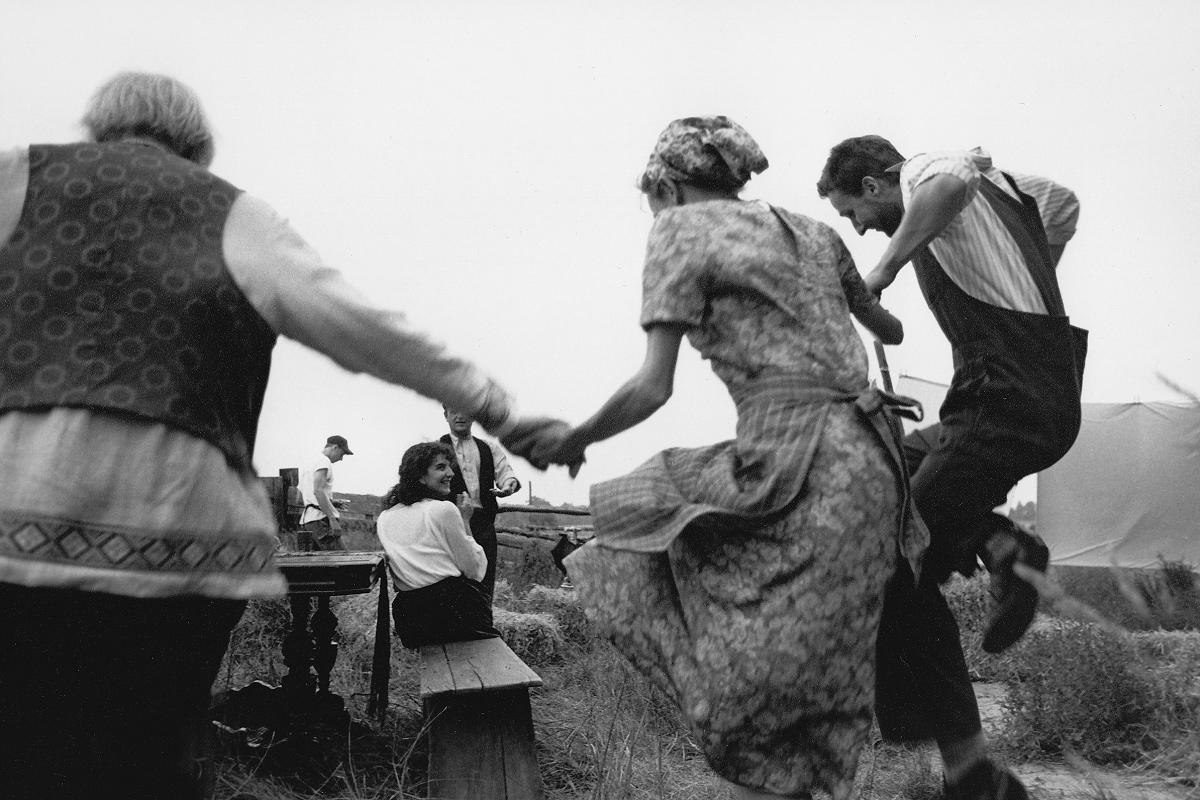
Taler first branched out from being a contemporary dance choreographer to being a filmmaker and visual artist with her 1995 directorial debut the village trilogy. Shot on black-and-white 16 mm film by director of photography Michael Spicer, the 24-minute film is a portrayal of the search for home, alluding to the millions of people uprooted through emigration in the past century. Consisting of three distinct though related chapters, the village trilogy reinterprets the physical characteristics of early cinema.
The film premiered at the 1995 Moving Pictures Festival of Dance on Film and Video, a screendance event and touring program that took place in Toronto. In an interview with the festival co-founder Kathleen Smith published for the International Journal of Screendance in 2025, Taler explained that she began to dance because she “never really felt comfortable with words,” noting she learned German when going to kindergarten in Romania, Italian and Hebrew when her family moved to Italy, and English and French when they moved to Canada.
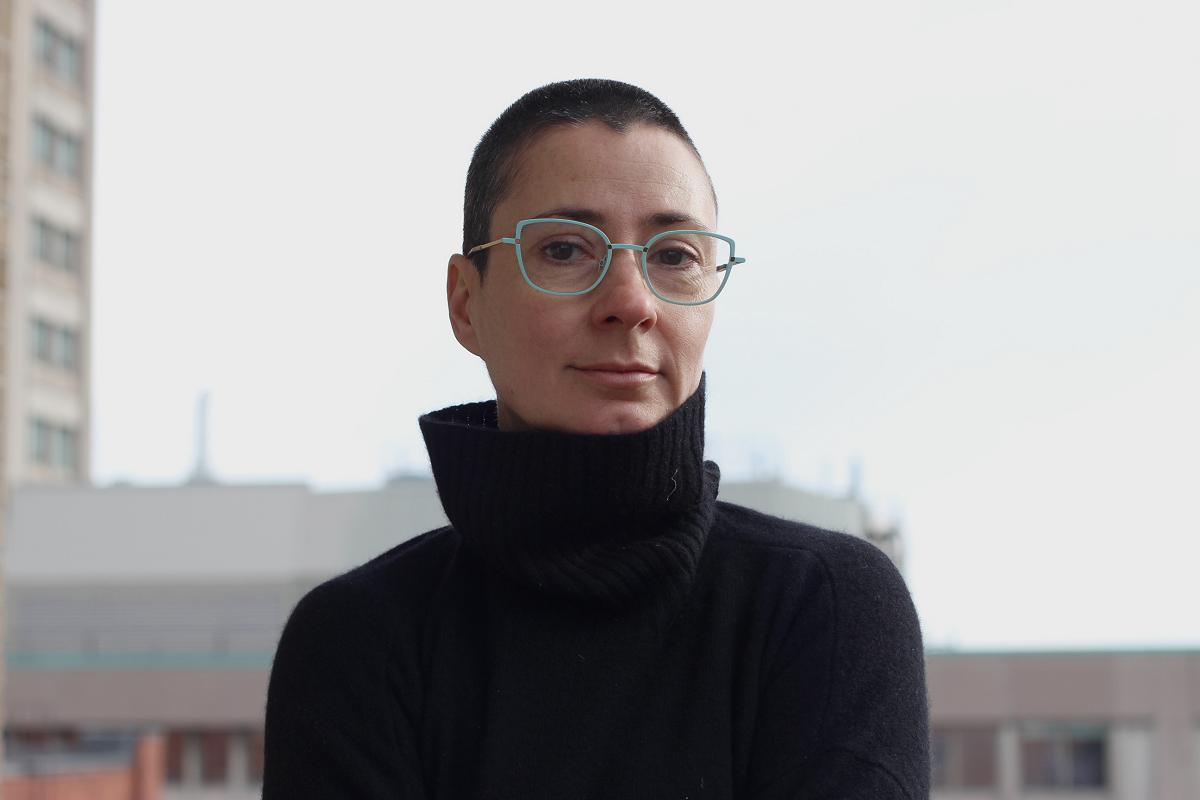
“When we went to Italy, I had no idea what people were saying to me,” Taler recalls. “When we came to Canada, my parents sent me to sleepover camp after we were here for a week. I had like five words of English, so I had to read people’s gestures and facial expressions. I had to read the affect in the room to understand what was going on, and so I would mimic people’s faces or I would mimic what they were doing. I think I started to dance because I felt really comfortable expressing myself in a way that didn’t include words.”
When asked about her transition from dance to filmmaking, Taler says part of the inspiration came to her at the Canada Dance Festival in Ottawa in 1992. A lover of musicals and silent films, she had already been in a 1989 CBC television drama series called 9B when she was a teenager and loved being on set. During the festival, she came across a bunch of dance films at the library, watched all of them, and loved them.
“I can’t remember the names of the films, but I can see them in my head. I loved the fact that these films created these different worlds, different from the one we live in, through set and costume and location and movement,” she said. “That was a big inspiration.”
That fall, Taler attended a “hard, intensive” workshop at the Banff Centre for Arts and Creativity where she was already thinking about the village trilogy.
“I had applied as a choreographer thinking that I might want to direct eventually. When I left, all I wanted was to direct,” she said. “I had done the opening solo as a live stage piece and I had a group of dancers that I got into the forest in these funny outfits to do these weird little Laura Taler movements.”
Taler told Smith she’s always been drawn to works that don’t fit into boxes but that are “strange” in a positive way as being something that audiences are not familiar with but that makes them think differently.
“I’ve always tried to play with the idea of creating something cinematic with movement, not necessarily like capital C choreography, but with movement where you’re not being told so much through words,” Taler said. “And then trying to figure out like, what if it’s not like what you would expect or what you would want. Instead it kind of pushes you to think differently or to slow down or it makes you uncomfortable — all those things.”
VIDEO: Excerpt from “the village trilogy” (1995)
As for the village trilogy, the film was awarded Best Experimental Film at the Toronto Worldwide Short Film Festival, the Gold Hugo for Short Subject Experimental at the Chicago International Film Festival, and the Cinedance Award for Best Canadian Dancefilm at Moving Pictures. Presented internationally over 30 years, the film was heralded by Dance International Magazine as a catalyst for the beginning of the dance film boom in Canada.
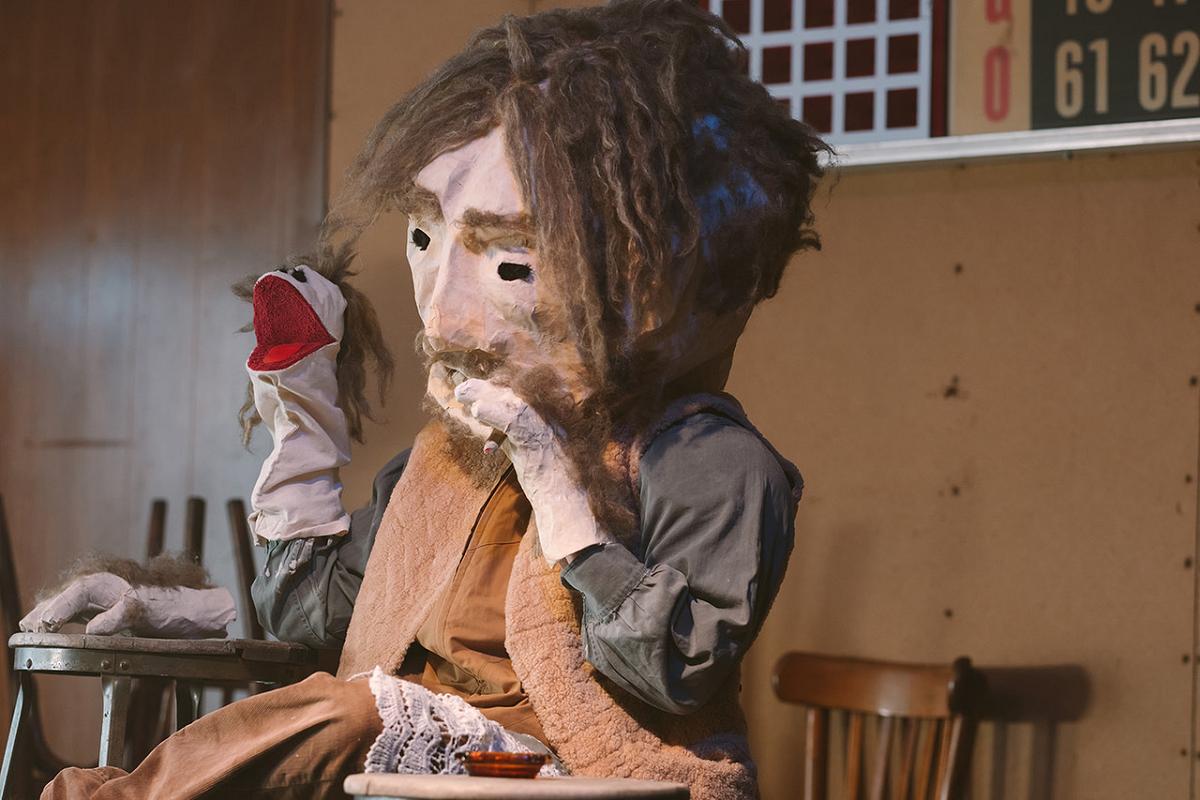
Thirty years after that first film, Taler created her most recent work Matryoshka Crush, a darkly funny and disturbing tale of intense yearning depicted through a series of monsters revealing themselves in an old tavern, where their ordinary acts transform into a chain of micro-disobediences.
Taler wears a series of masks, layered upon each other like Matryoshka nesting dolls, to play Kukeri, Big Head, Hairy Face Medusa, and Little Head. They recall, respectively, nature and magic, the old world, female rage, and childlike wonder.
Named for the symbol of Eastern European culture, Matryoshka Crush breaches narrative conventions, straddling contemporary video art, dance film, and personal narrative, and is described as “a lament to the old world and how we are enmeshed in one another.”
The 47-minute film premiered as a continual loop playing every hour alongside an installation at Gatineau’s AXENÉO7 Gallery in the summer of 2025.
Public Energy’s screenings of the village trilogy and Matryoshka Crush on March 27 will be followed by a question discussion about the films with Taler facilitated by Peterborough theatre artist and author Kate Story.
On Saturday, March 28, Taler will lead a masterclass at the Theatre On King from 10 a.m to 1 p.m. using the village trilogy and Matryoshka Crush to explore how her artistic practice has evolved over decades.
The half-day masterclass will look at the evolution of her practice using case studies from the films and video installations, offer in-depth discussions about the processes of planning a shoot, and equip participants with practical tools and tactics for communicating ideas. Performers, visual artists, dance artists, filmmakers, musicians, and all other artists interested in movement, the camera, and installation are invited.
Tickets for the masterclass are $10 plus fee and are available at publicenergy.ca/performance/laura-taler-masterclass/.
kawarthaNOW is proud to be a long-time media sponsor of Public Energy Performing Arts.