







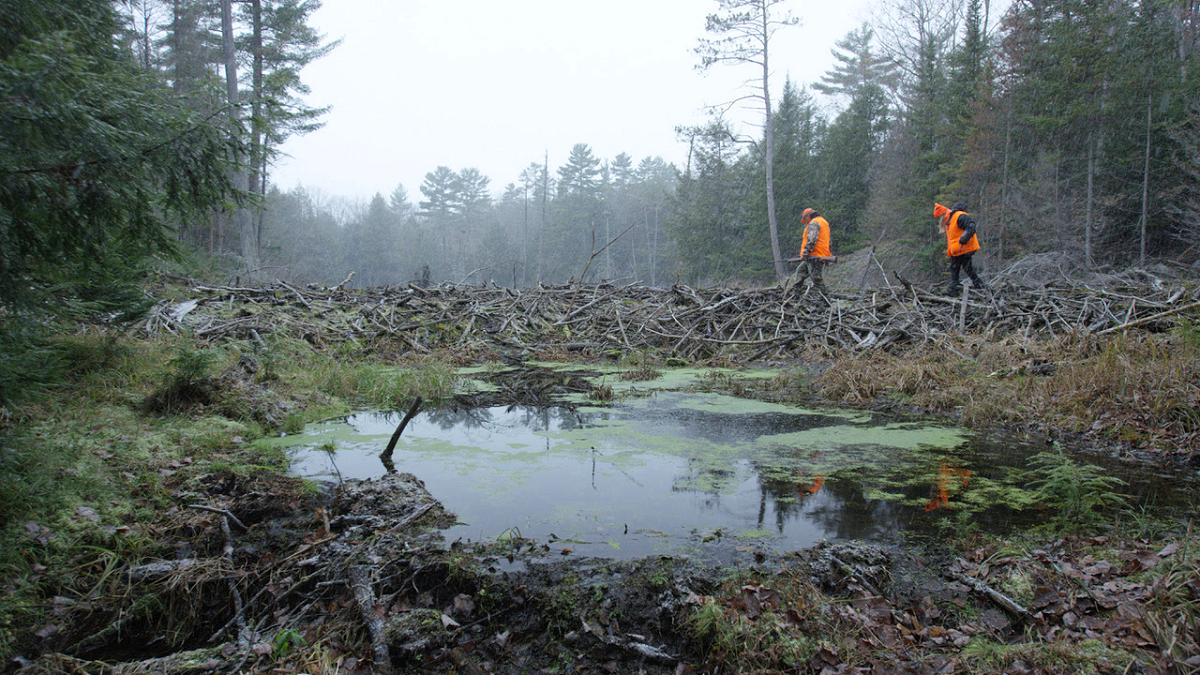
Have you noticed a change to the beaver populations in your nearby rivers? Are water levels decreasing? Are there more wolves and coyotes walking about this year?
These are some of the key questions that will posed and discussed throughout a series of “Talking Circles” being held this spring by non-profit environmental organization The Land Between, and your observations could be crucial for understanding changes happening across the region.
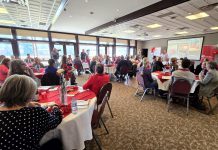
Three of the four events are taking place in the Kawarthas region: Thursday, March 26 at the Robert McCausland Community Centre in Gooderham in Haliburton County, Thursday, April 9 at the Buckhorn Community Centre in Peterborough County, and Thursday, April 23 at the Faraday Community Centre in Hastings County. The final event takes place in Muskoka on Wednesday, April 29 at the Bracebridge Centre for Active Living. Each session will run from 4:30 to 7 p.m., with an open house beginning at 4 p.m.
The Land Between is a grassroots charity that works to characterize, celebrate, and conserve the region for which it’s named, where the Canadian Shield meets the St. Lawrence Lowlands. Indigenous-led and community-driven, the organization connects people with the communities and landscapes by encouraging conversations through events like the Talking Circles.
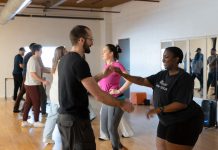
“A Talking Circle is a respectful group discussion format inspired by Indigenous traditions that encourages participants to share knowledge, experiences, and perspectives in an open and balanced way,” says Gary Williams, former Curve Lake First Nation chief and councillor and a member of The Land Between Council. “Participants sit in a circle so that everyone can see one another and no one is placed above another.”
In many talking circles, an object like a feather, stone, or stick is passed around to guide the discussion, giving the holder the opportunity to speak or pass if they prefer not to speak. This format, Williams says, “encourages listening, reflection, and respect for different voices within the group.”
VIDEO: The Land Between Knowledge Circles Project
Kate Dickson, a project ecologist for The Land Between, says the organization wanted to take this approach to get more community insights rather than a conventional meeting led by an “expert” that may not encourage open dialogue. Through the Talking Circles, which will be facilitated by Williams, The Land Between hopes to invite engagement from those who may lived experience and insight into changes happening on the land.
“There is a really rich knowledge of nature and wildlife that comes from people who live and work on the land,” Dickson says. “People who’ve been a long-term resident somewhere and have walked the same path every day for 30 years, or people who are harvesters, anglers, naturalists, or outdoor enthusiasts, are often the first to notice changes on the land.”
“That knowledge is not always seen or valued as it should be in traditional conservation science,” she adds. “We view the Talking Circles as an opportunity to centre these voices and plug into those observations in a way that’s not always done in conservation.”
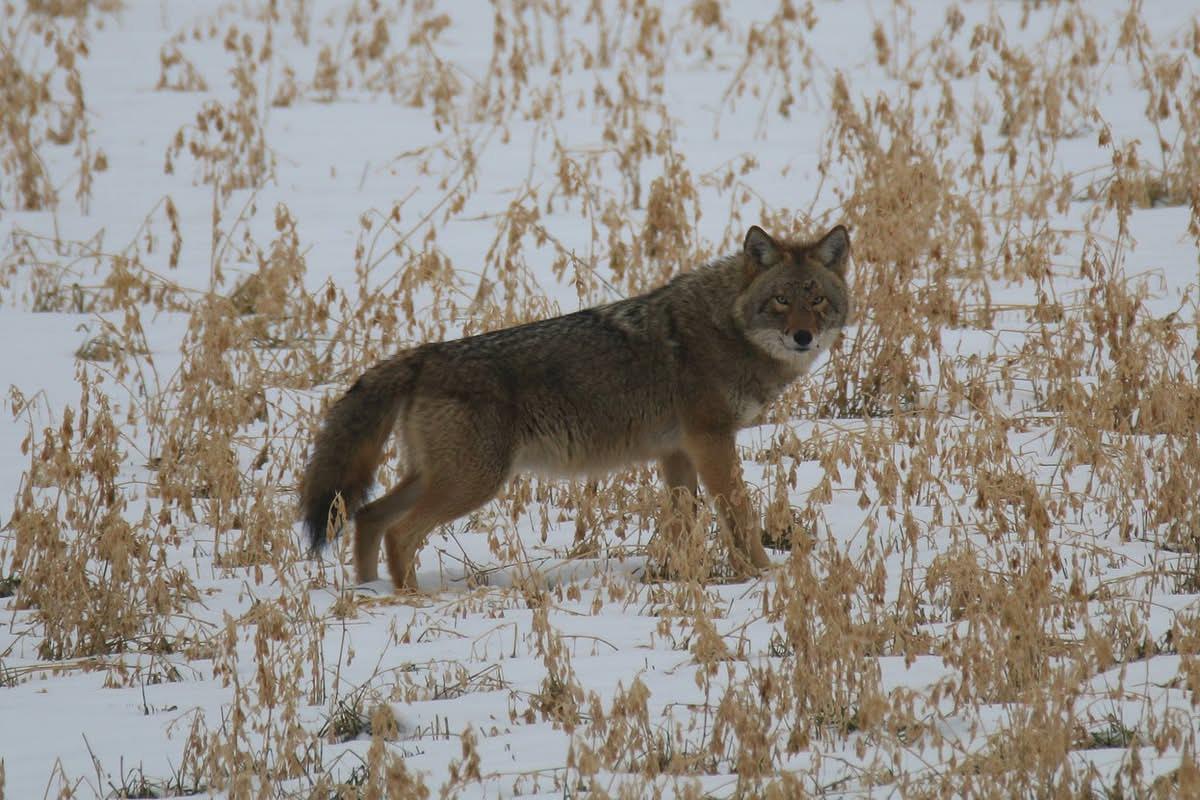
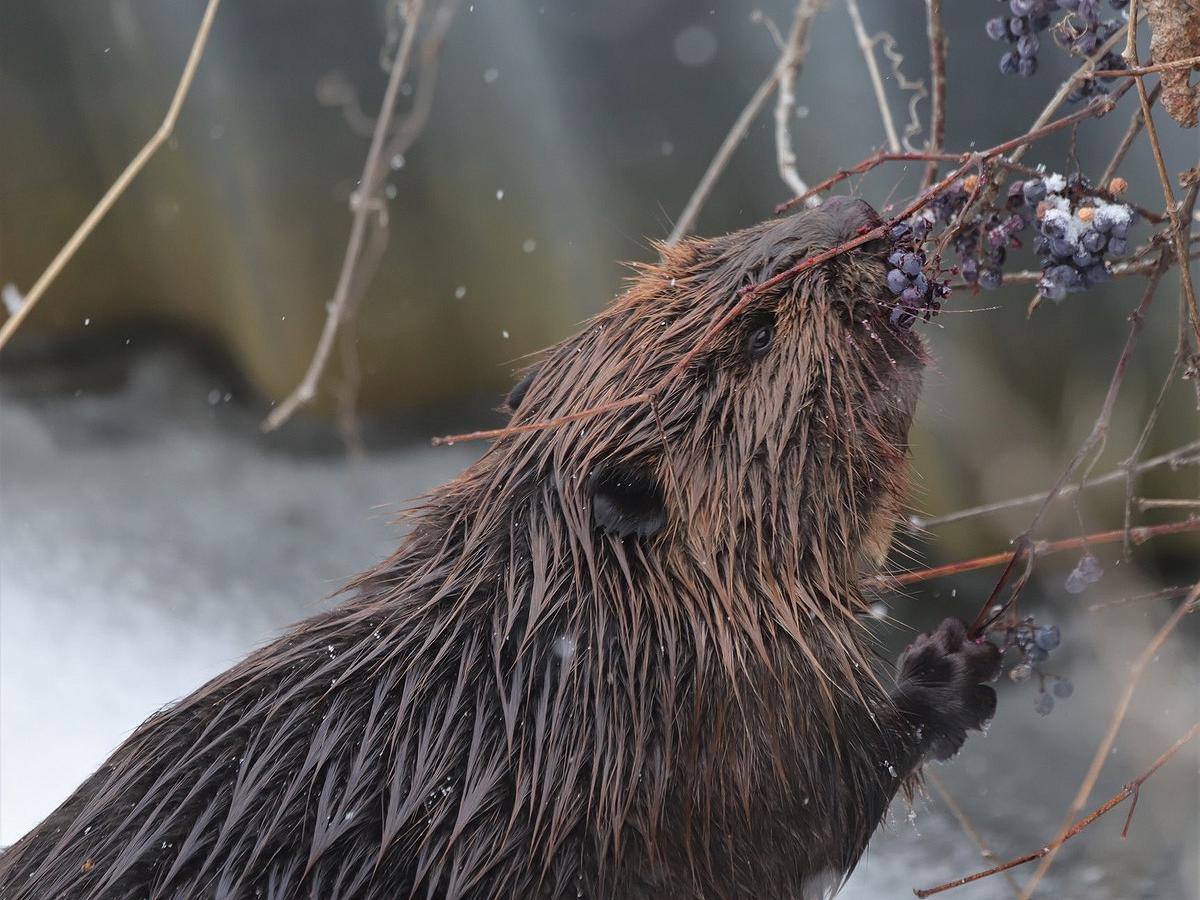
Community members with expertise and experience are invited to join in the discussion to explore changes or other observations surrounding beavers, canids (including wolves, coyotes, and coywolves), wetlands and water, and other matters.
“We deliberately selected these topics because they’re all areas where people with really deep lived experience tend to notice things that short-term studies don’t always see,” says Dickson. “We’ll go around and it will be really open for people to share what they’ve seen or noticed about that specific species or habitat type, before we move on to the next.”
Topics could include changes in a bird species’ arrival time or nesting success, wolf movement patterns, where turtles are nesting or frequently crossing the road, changes in water levels or quality, and what kind of wildlife species are present in an area.
The Talking Circles will also present opportunities for community members to share other ecological insights that don’t necessarily fit one of the categories.
The gatherings, however, are not debates or political forums.
There will also be a video camera set up for participants to record themselves sharing insights or stories, and the resulting videos may be used as an educational tool or posted on The Land Between’s social media pages.
In addition to The Land Between staff taking notes on shared observations, which will remain anonymous, there will be a formal survey passed around to participants to ask specific questions relating to the key topics.
“We compile all of that and put it on a map and it lets us look at trends for these categories to say on the whole (for example) if people are noticing turtles increasing across these areas, and we plot them,” says Dickson. “You can really see where the changes are and what direction the changes are in across these core categories.”
The information that comes from these observations will be used by The Land Between on various projects or by connecting with partner organizations.
“If we’re in Bracebridge and they say there’s an area where they’ve seen a lot of turtles dead on the road, they’ve seen a lot of turtles struck, and they’ve pulled over to help them, or they’ve seen a lot of nesting mothers, that can help our organization,” Dickson says. “Maybe we can try to mobilize some volunteers there, or we can send someone out to do an assessment to see whether an eco-passage might be possible. It helps us fill in those gaps.”
For interested participants who can’t stay for the whole session, or for people at a community centre who may not be aware of the event, there will be a poster area outside each Talking Circle providing more details on each of the priority topics and the actions that The Land Between and other community partners are taking.
Though not required, advance registration is encouraged at thelandbetween.ca/knowledge-circles-near-you, where you can also submit your observations if you’re unable to attend one of the Talking Circles.