














Following multiple rejections from Peterborough city council and losing an appeal to the Ontario Land Tribunal, the tide has turned for Peterborough Action for Tiny Homes (PATH) through a new collaboration with One City Peterborough to build self-contained residential units at existing residential properties.
PATH was formed in 2022 with the goal of establishing a community of sleeping cabins for chronically unhoused people in Peterborough. After originally conceiving a 30-cabin community, the grassroots organization applied to the City of Peterborough for a temporary use by-law for a 15-cabin community at 834 Park Street, which city council rejected on December 5, 2022, directing PATH to work with city staff to find another location.
PATH then entered into a lease agreement with Habitat for Humanity Peterborough and Kawartha Region for a property at 385 Lansdowne Street East and applied to the city two years later for a temporary use by-law to build 24 sleeping cabins at that location. Despite city staff support for the application, city council rejected it on August 26, 2025. PATH appealed that decision to the Ontario Land Tribunal, which ruled against PATH last October.
Despite these setbacks, PATH board member Keith Dalton told kawarthaNOW they are “energized by the prospect of being able to move forward” by redirecting their efforts away from a sleeping cabin community to establishing a series of additional rental units (ARUs) in partnership with One City.
This project intends to further the work of both organizations in providing sustainable and supportive housing.
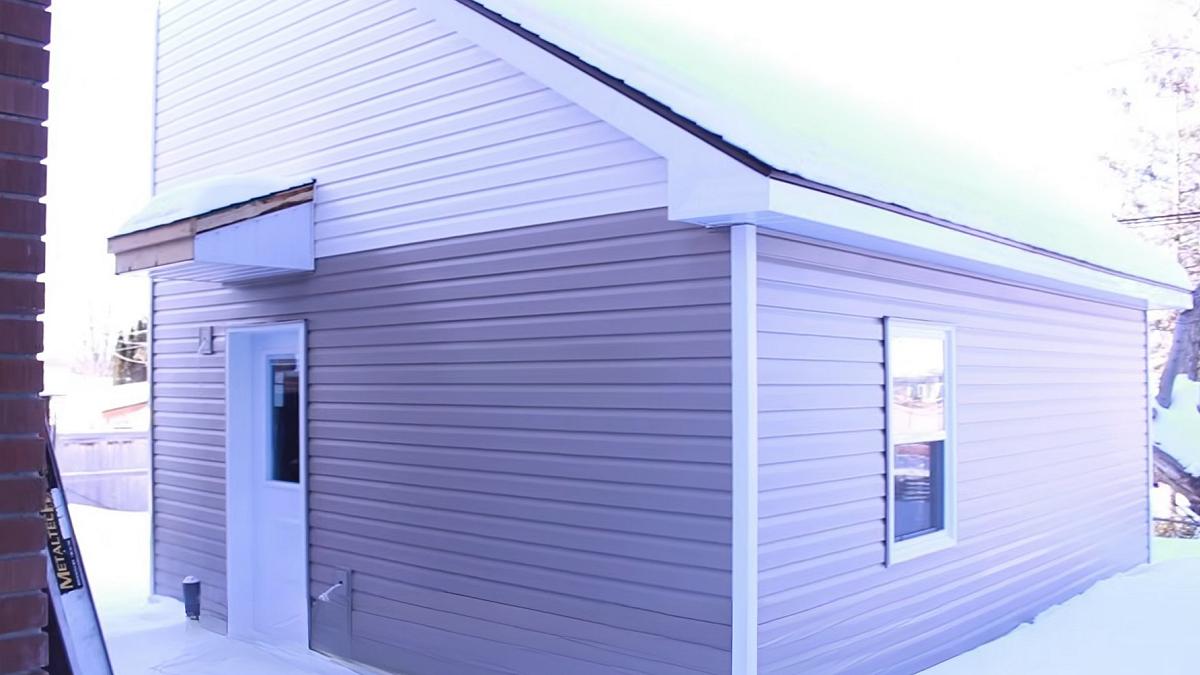
ARUs are defined within the City of Peterborough as a “self-contained residential unit with a private kitchen, bathroom facilities, and sleeping areas within dwellings or within structures ancillary to a dwelling.” This can include basement apartments and so-called in-law suites as well as independent structures.
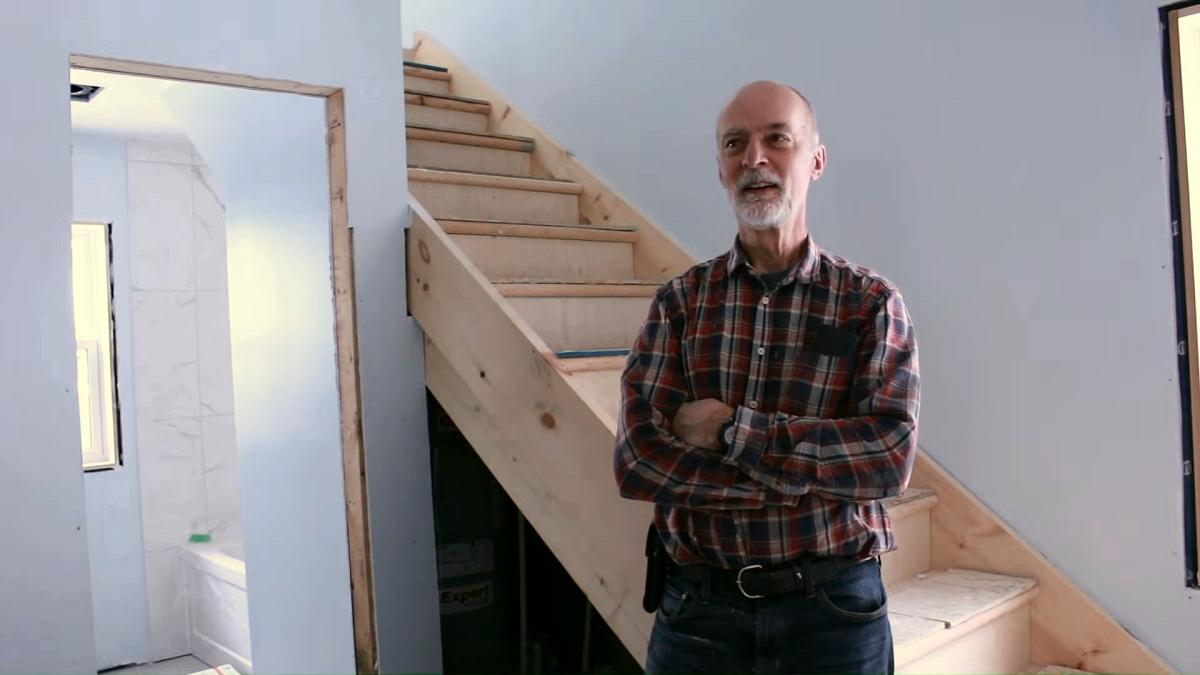
Through this program, new ARUs are being established on properties already owned by One City. The charity currently owns eight residential properties and partners with local landlords to support a total of 51 spaces for transitional living.
Dalton explained PATH’s role in this program, as the team leading the actual construction and design of the units as well as being the project management team leading permit applications and volunteer management.
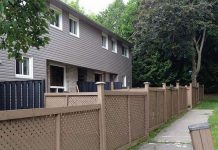
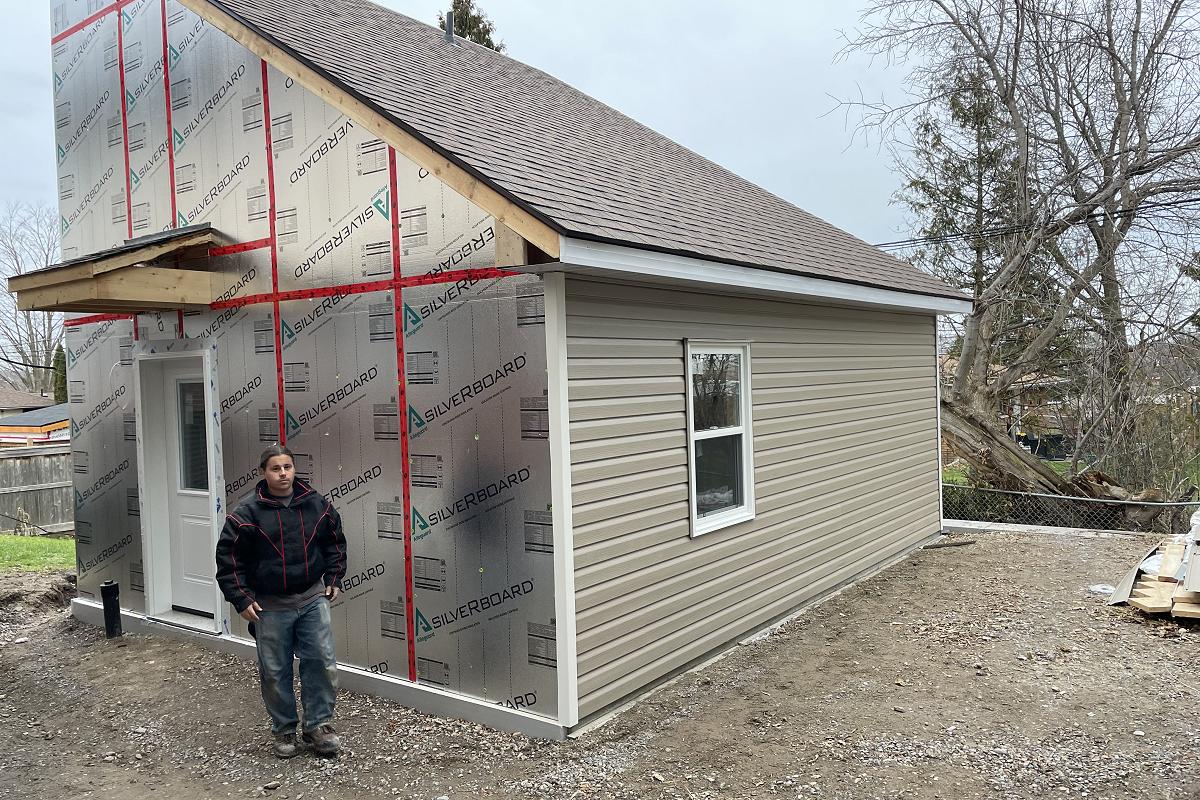
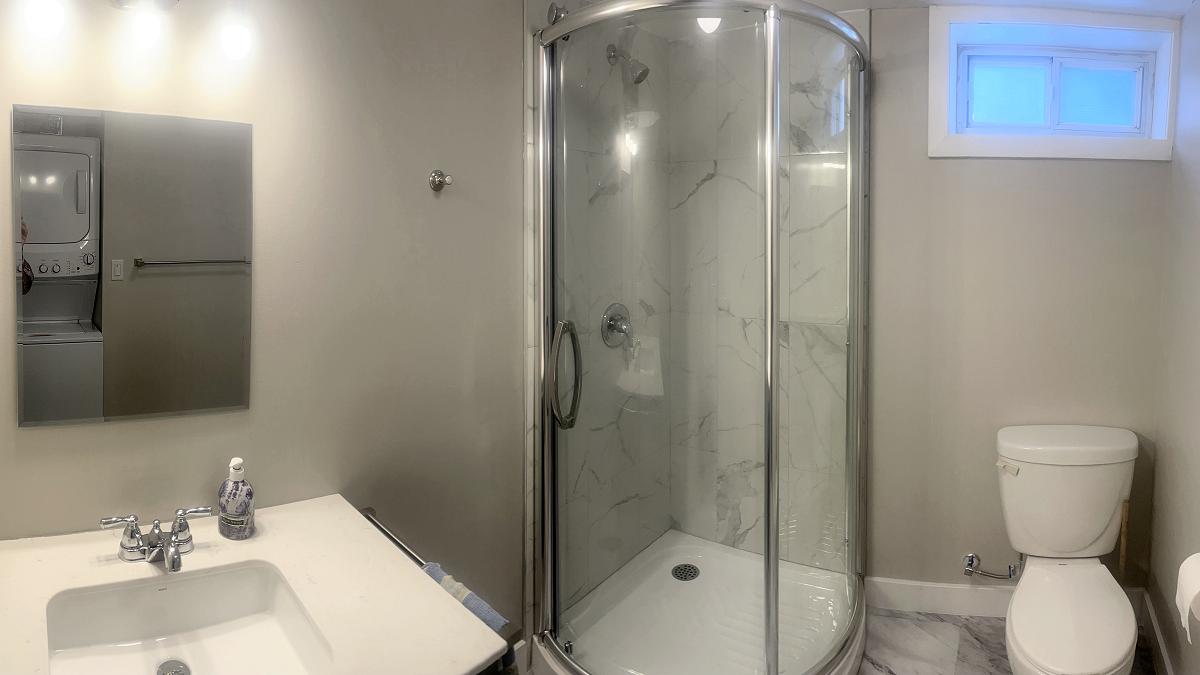
At this time, the program has one fully completed and two nearly completed ARUs built on One City properties — including a backyard “tiny house” and a self-contained basement apartment in the main building — and they are already seeing success for the program.
Michael Vanderherberg, director of property development at One City, shared that for the first ARU at their Monaghan Street property, the tenants were given the choice to live in the new unit and happily agreed to the new living situation.
Speaking of One City’s first ARU resident, Vanderherberg said “that person is doing really well because of having their own space.”
Both Dalton and Vanderherberg spoke about the significance of the ARUs being single-occupant dwellings. Historically, One City has run congregate living programs where residents live in groups of four or five.
“That doesn’t work for everybody,” says Vanderherberg, noting that some people do not thrive in a group environment.
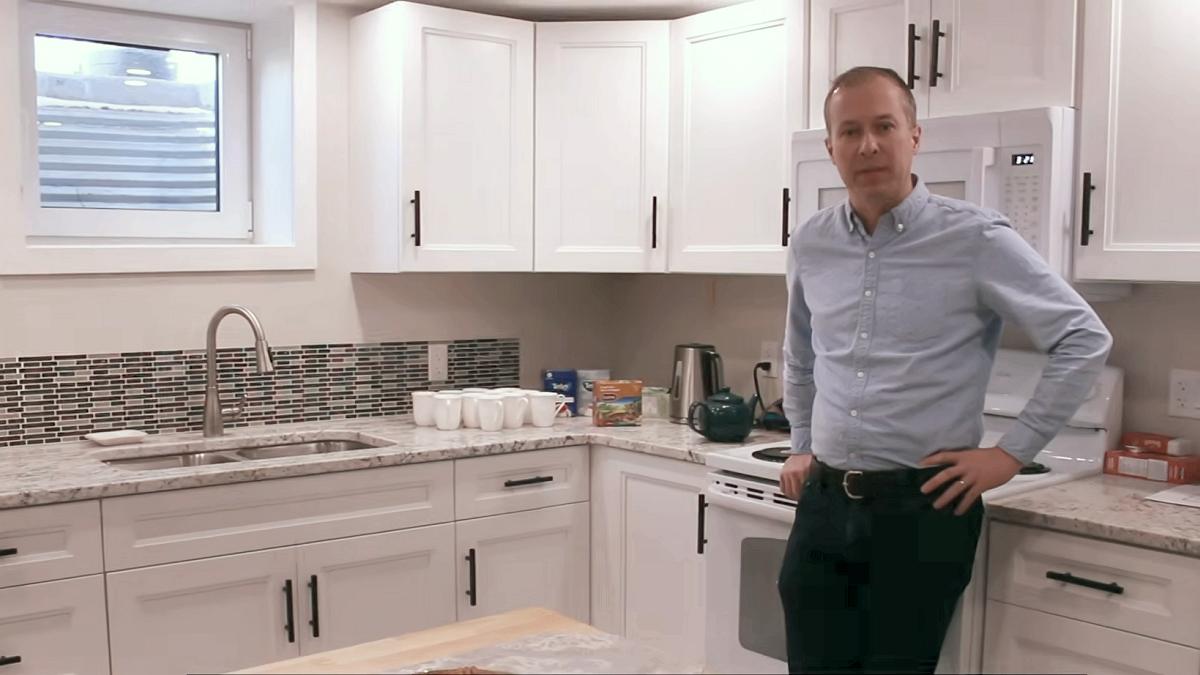
Furthermore, when considering the wider Peterborough rental market, there is a lack of single-occupant apartments available, with even fewer being recognized as affordable housing. This program intends to increase the available stock of single units to support not only the tenants directly involved, but to relieve pressure on the rental market as a whole.
Vanderherberg described single-occupant units as “an opportunity to re-engage with families and spaces,” through intentional and effective integration into the community.
When city council considered PATH’s temporary use by-law application for a sleeping-cabin community at 385 Lansdowne Street East, they heard delegations from a number of local businesses and residents expressing concerns with a community of unhoused people at that location. Through its single occupant focus, the ARU project circumvents these concerns.
“People have no idea that these (ARUs) belong to us, and we want it to stay that way,” Vanderherberg said, adding that the anonymity provided by ARUs is consistent with One City’s goals of integration.
To achieve their goals of expanding the ARU project, One City and PATH have secured significant funding through grants, fundraising, and government incentives.
Vanderherberg expressed his gratitude in particular to the United Way of Peterborough & District for their support with funding from the Reaching Home program on behalf of the Government of Canada. This grant has been used in part to purchase a property that will close on April 15, where One City intends to add ARUs.
Another factor in the success of the project is the city’s municipal incentive program, which provides up to $80,000 per unit to cover municipal fees associated with the development and construction of new affordable units as well as project costs.
Vanderherberg explained that this funding is suited to One City’s non-profit status, as they have a long-term commitment to the affordable housing market.
“This is mission work,” Vanderherberg said. “We’ll still be doing this in ten years.”
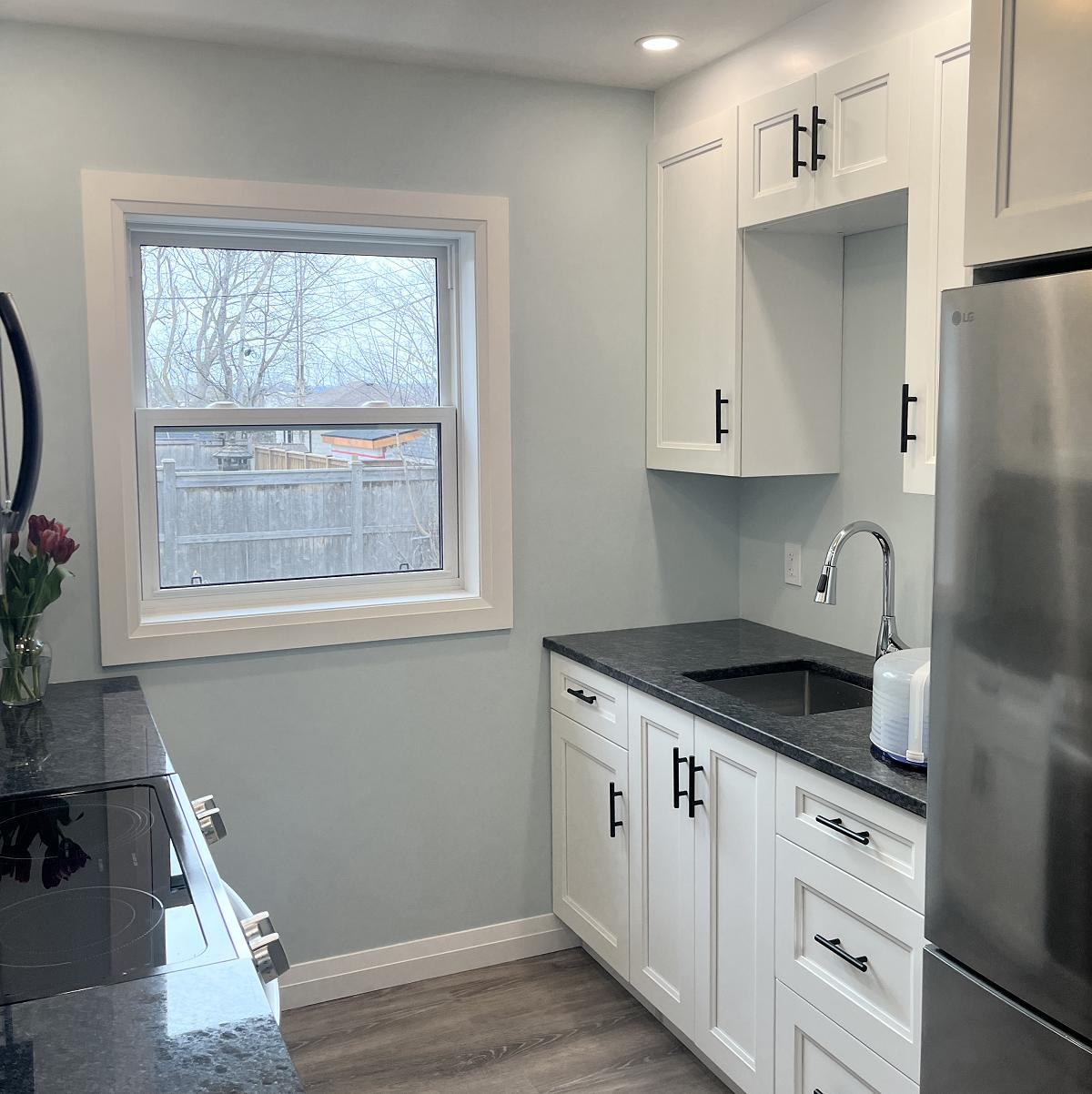
One City and PATH are also actively fundraising for the ARU project to supplement grants, incentives, and rental income. They have worked closely with corporate donors such as Kingdon TimberMart and Gus’s Kitchen & Bath, who have provided donations of construction supplies and household furnishings.
One City and PATH are already taking action to establish further ARUs and to acquire more property under the ownership of One City. On their website, One City indicates their housing programs “remove housing from the private market” and treat housing as a right and not a commodity.
According to Vanderherberg, One City aims to purchase two properties and is working to acquire three- and four-bedroom properties that show potential for increased capacity through ARU construction.
“They’re coming quicker, which is great,” he said.
As for Dalton, he says he is pleased with the progress PATH has made with ARUs over the past year but knows there is still much work to be done to meet the needs of the community.
“We need ongoing efforts in this area,” he said. “We can’t do it alone.”
When asked what the community at large could do to support the ARU program and the mission of PATH and One City, Dalton spoke about the importance of communicating with elected officials to express support for ARUs and supportive housing.
He suggested the main role of the general public is to “encourage our local council to make this kind of thing more mainstream.”
Evident through the conversations with Dalton and Vanderherberg is the importance of collaboration not only between community-led organizations but also with municipal and provincial officials. For example, PATH’s first proposal for a sleeping cabin community was moved by Town Ward councillor Alex Bierk, who has continued to be an ardent supporter of their work.
Vanderherberg expressed his appreciation for the work done by city staff in the housing department who have assisted One City and PATH in completing the official requirements for their ARU developments.
“It feels like they have been a partner in this work, and it’s been a joy,” he said.
For Dalton, it is essential that councillors support not only the program as a whole but also the individual agencies and organizations that are leading the work.
“We need a council that will engage with organizations working on housing in a sustainable and affordable ways,” he said.
As the ARU program progresses, Vanderherberg emphasized the value that Dalton and PATH have brought to the project so far and how they will drive the program forward in its goals.
“I am so fortunate to have him in this work,” Vanderherberg said of Dalton. “We couldn’t achieve any of this without Keith and PATH coming on side.”
Vanderherberg is calling on community members to get involved and support the ARU initiative through donations and volunteerism. He encourages interested individuals to email him at mvanderherberg@onecityptbo.ca.