












Less than a year after Ben Samann’s 26,300-acre tract of land south of Bancroft became the largest protected area owned by an individual in Canada, 100 acres of forested land behind the resort he owns in North Kawartha Township have been recognized by the federal government as an area where biodiversity is being conserved.
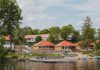
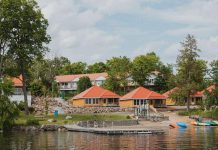
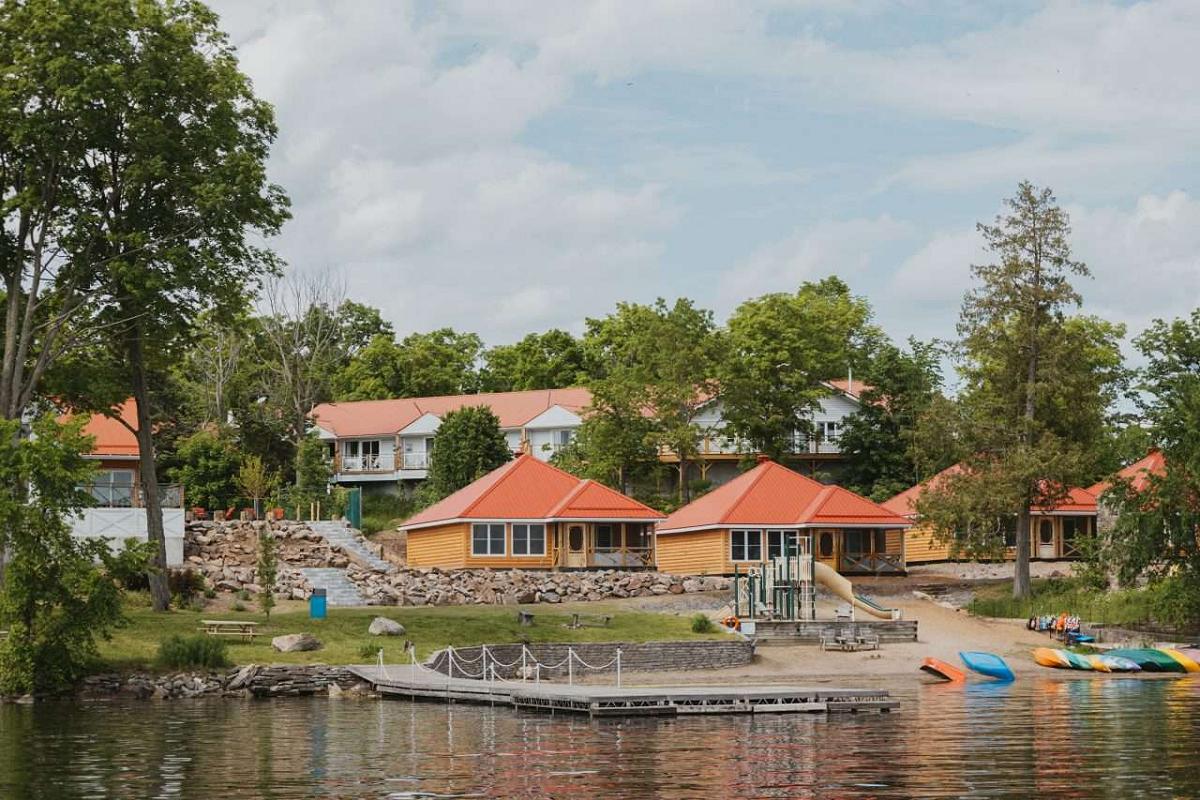
In partnership with the Ontario Conservation Accelerator, the 100-acre property at Viamede Resort in Woodview has been recognized as an Other Effective area-based Conservation Measure (OECM) and added to the federal government’s protected and conserved areas database.
An OECM designation is a way for the federal government to recognize lands and waters that are managed in ways that achieve the conservation of biodiversity, but are not protected areas or parks.
While the main objective of a protected area is conservation, an OECM is managed for another purpose while also achieving conservation and biodiversity outcomes. OECMs can include military training bases, research sites, native prairie grasslands managed for beef production, or — as in the case of Viamede Resort — recreational areas.
“Viamede intends to keep that 100 acres of forest behind their property intact for the long term,” says Kristyn Ferguson, the managing director of the Ontario Conservation Accelerator, an organization of conservation experts committed to accelerating conservation in Ontario.
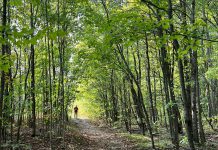
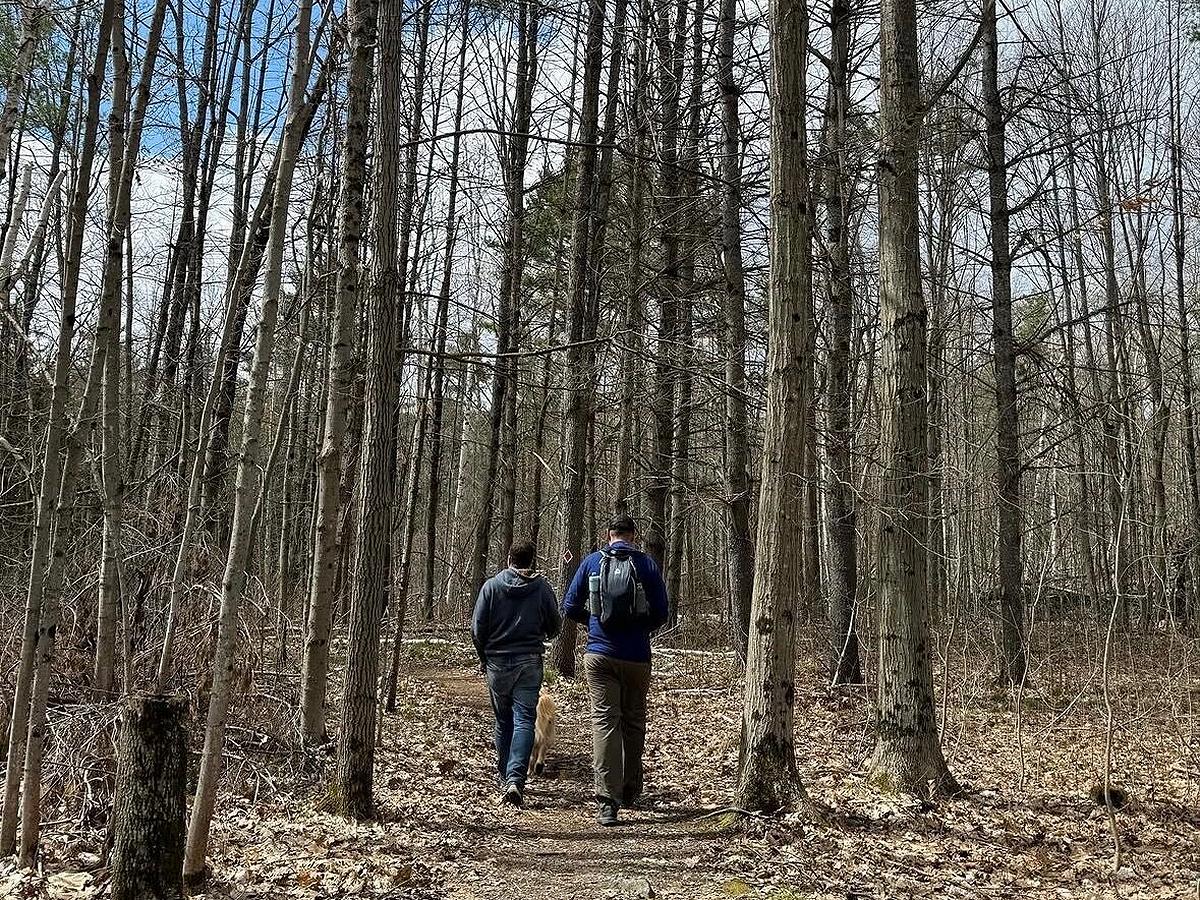
“Viamede’s compelled to do that to give their guests a great experience. It’s in the management plan that this is how the property will be maintained for hiking trails and the disc golf course, and that’s really important to them. Even though none of that was for conservation, when you take a walk out there, it is a hot spot for plants and wildlife.”
Samann has been connected with the Ontario Conservation Accelerator since before it was established in 2024 by experts with decades of conservation experience. This includes executive director Mike Hendren, who previously led the Kawartha Land Trust when Samann was a board member.
As a long-time supporter and donor of the organization, Samann trusted the Ontario Conservation Accelerator when they suggested getting the property recognized.
“It’s important that we capture lands that are functioning as protected areas, even if there’s no formal protection,” Samann explains. “It helps guide government policy, it helps guide scientific research, it helps identify areas of focus. It’s important that the landowner who owns a few hundred acres, or even just one hundred acres, recognizes this is something they can do.”
Though used by visitors for hiking, bird watching, disc golf, and other activities, the Viamede Resort property fits the requirements for OECM designation because it promotes long-term conservation, and restricts activities that would be counter to conservation such as vehicle activity and resource extraction.
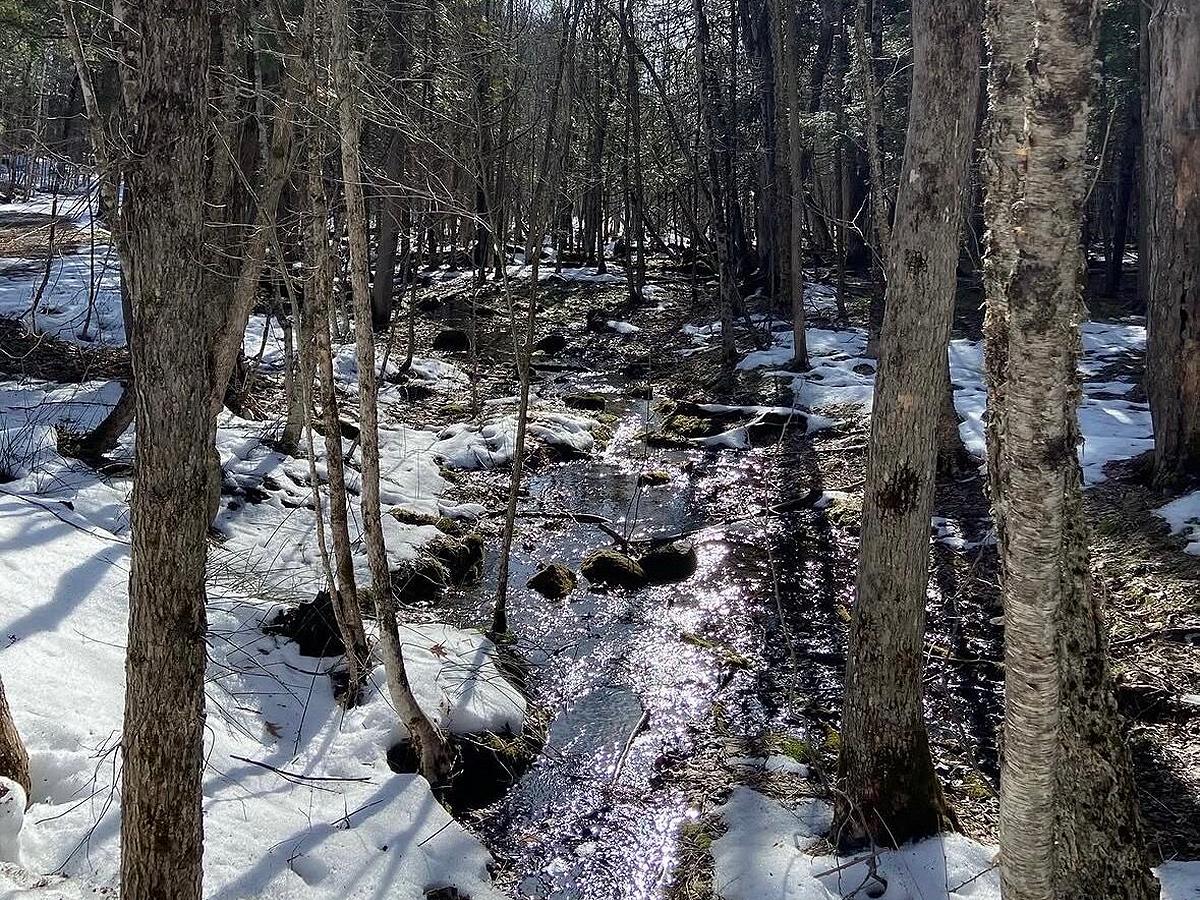
“This site is a mixture of mature forest, rock barren, and some wetland areas that just pop up in the spring and then dry out by the summer,” Fergus says.
“That mixture of habitat is in really good condition and it’s providing habitats for a huge variety of species.”
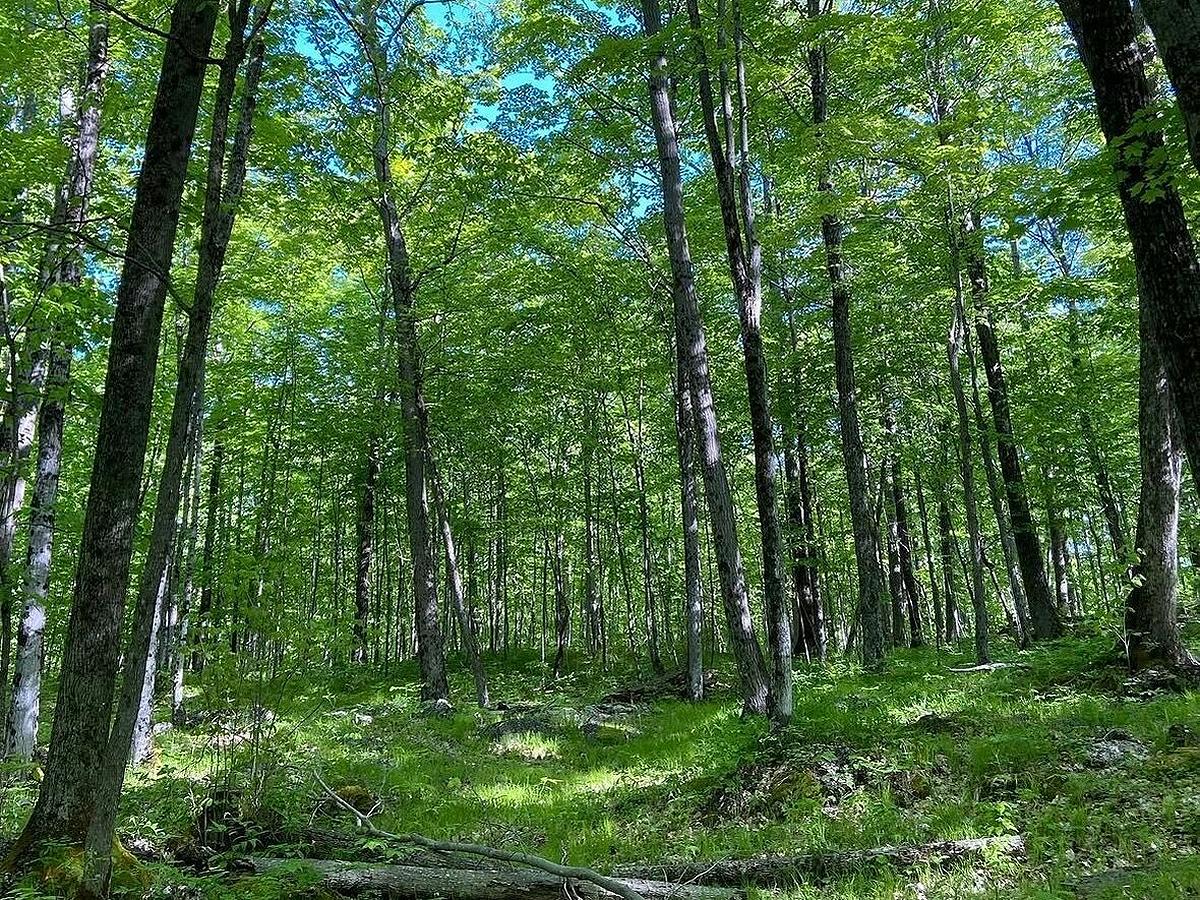
In her visits to the property, Ferguson says she’s heard red-shouldered hawks and seen barred owls and rare migrating warblers on the property.
“They’re making their way on this voyage north and Viamede is providing this beautiful connected piece of green among these other protected areas, giving these animals the resting place, the feeding place, and the launching place to continue their massive journey up to the boreal forest,” she says.
“These lands are big enough and protected enough and important enough to be providing these amazing outcomes for nature, as well as a place for people to enjoy nature, so to me, that’s the ultimate win-win. The animals are happy, people are happy, and that’s what makes this place so special.”
Canada is a global leader on OECMs, having recognized its first — portions of Canadian Forces Base Shilo in Manitoba — in 2019.
In the new nature strategy launched by Prime Minister Mark Carney in March, OECMs play a substantial role in reaffirming Canada’s commitment to protect 30 per cent of the country’s land and water by 2030.
The strategy outlines the goal for OECMs and other opportunities on land to complement protected areas by accounting for an additional eight per cent of the goal. Currently, 14 per cent of Canada’s land is designated as being protected.
“Landowners like Ben Samann are providing a model that can be followed for others to demystify some of these emerging conservation tools, which are something that anybody can access,” says Ferguson. “Folks like Ben who were willing to take that pioneering with a little bit of a risk-taking, which certainly describes Ben, and joining in these early conservation initiatives is really powerful.
“I hope it is a little bit contagious to others, because I really believe conservation works best when everybody plays their part in it, and I think landowners who love their land have some role to play.”
For more information on the Ontario Conservation Accelerator, visit theoca.ca.