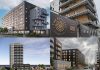

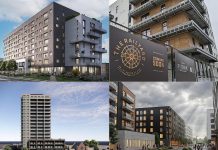


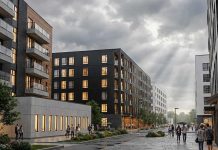











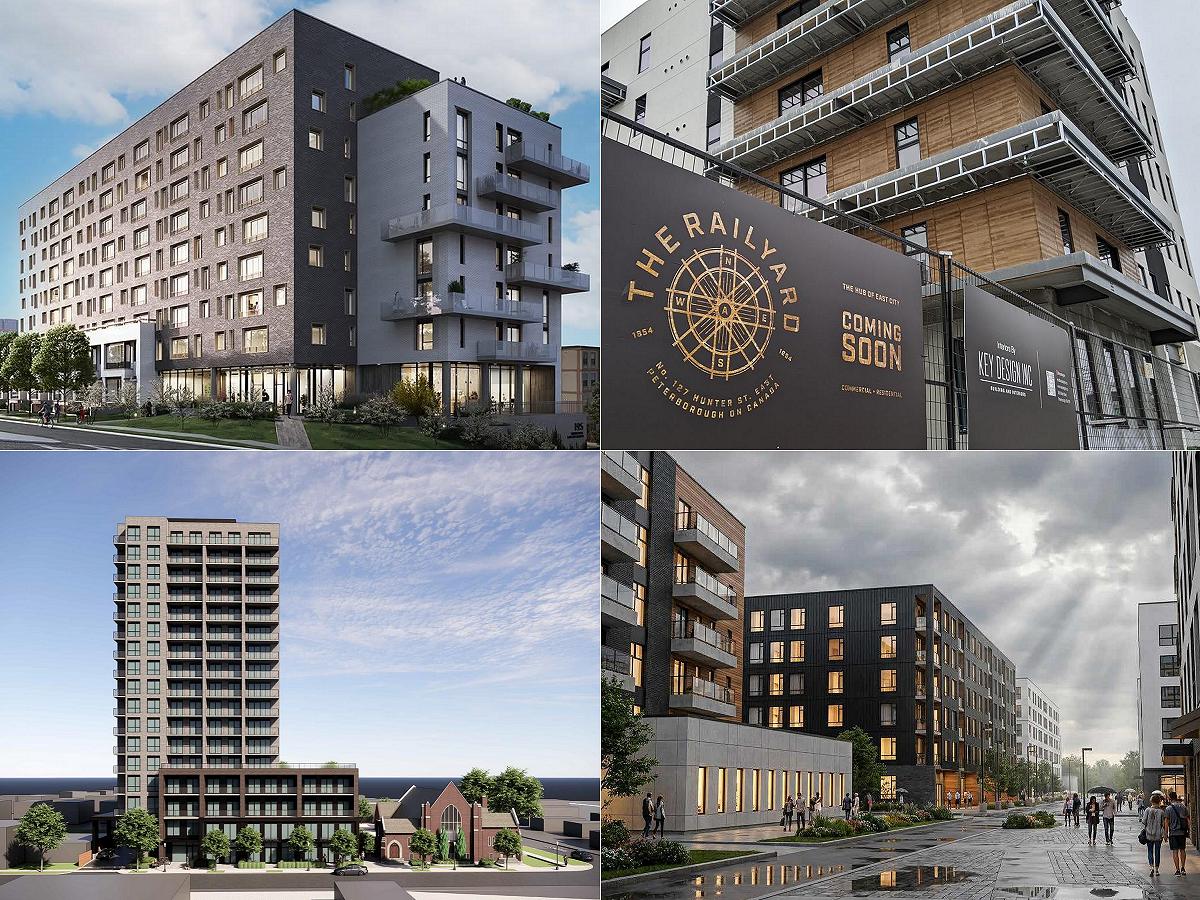
East City resident Susan Dunkley emailed the following letter, entitled “East City – Responsible Development, Infrastructure and Public Accountability,” to members of Peterborough city council on Tuesday (November 24). With her permission, kawarthaNOW is publishing the letter verbatim in its entirety.
Dear Mayor and Members of City Council,
First and foremost, congratulations to our newly elected Council. To those returning and those joining Council for the first time, I wish you every success as you undertake the important responsibility of shaping the future of our city.
With a new Council comes an opportunity for fresh perspectives, thoughtful decision-making and a renewed commitment to listening to the residents of Peterborough.
It is with that hope that I am writing to express my considerable frustration and growing concern about the continued intensification of East City, particularly following the November 24 kawarthaNOW article regarding Ashburnham Realty’s proposed fourth building alongside the Rotary Greenway Trail.
When Is Enough, Enough?
In 2023, East City residents were advised that the fourth building in Ashburnham Realty’s development had been eliminated. Permission was subsequently granted to double the height of the third building from three to six storeys, with the explanation that the overall number of residential units would remain essentially unchanged.
Now that the third building has been completed, the fourth building is back on the table, with a further 55 residential units and yet another request to double the permitted building height from three to six storeys.
It is difficult to understand how residents are expected to have confidence in the planning and consultation process when the rationale presented in support of one approval can seemingly be set aside once that development has been completed.
Equally concerning is the request to reduce the minimum lot area per dwelling unit from 175 square metres to just 55 square metres, alongside numerous other requested variances relating to parking, setbacks and vehicle access.
How does doubling the permitted height of a building and reducing the required lot area per dwelling unit by nearly 69 per cent align with the public’s reasonable understanding of a minor variance?
The Cumulative Impact on East City
Less than a block away, construction is already underway on the 17-storey development beside Mark Street United Church, which will introduce another 205 residential units, commercial space and four levels of structured parking.
Between these two developments alone, we are looking at an additional 260 residential units, over and above the numerous developments already completed or approved throughout East City.
At what point do we stop assessing individual developments in isolation and begin looking at the collective impact on this relatively small and already congested community?
East City is a beautiful, established neighbourhood with a distinctive character, a rich history and a wonderful sense of community. Yet increasingly, it feels as though every available parcel of land is being viewed as an opportunity to accommodate as many residential units as possible, with insufficient consideration given to the neighbourhood as a whole.
Traffic, Congestion and Public Safety
Anyone who regularly travels through East City is familiar with the existing congestion.
Hunter Street East, Rogers Street and the surrounding residential streets are already under pressure. Our limited river crossings further compound the problem.
With hundreds of additional residential units come more vehicles, delivery trucks, service vehicles, visitors and increased demand for parking.
I would like to understand whether a comprehensive traffic study has been undertaken that considers all completed, approved and proposed developments collectively, rather than simply assessing the traffic generated by each individual project.
I am also concerned about the potential impact on pedestrian and cyclist safety, particularly given the proximity of this latest development to the Rotary Greenway Trail.
The Year-Long Closure of the Swing Bridge
As if the existing congestion and anticipated construction activity were not enough, we must also consider the year-long closure of the swing bridge.
We are introducing significant construction activity, hundreds of additional residential units and increased traffic into an area that will simultaneously lose an important transportation link.
Where is the coordinated plan to manage this?
How will construction vehicles, existing residential traffic, emergency services, pedestrians and cyclists safely navigate East City during this period?
These are not separate issues. They are interconnected challenges that will have a very real impact on the daily lives of residents and businesses throughout the neighbourhood.
Aging Infrastructure and the Cost to Taxpayers
East City is one of Peterborough’s older neighbourhoods, and with that comes aging infrastructure.
What assurances do residents have that our existing water, sanitary sewer, stormwater and road systems can accommodate this level of intensification?
Has a comprehensive infrastructure capacity assessment been undertaken that accounts for the cumulative impact of all these developments?
What additional wear and tear will our roads experience as a result of years of construction activity and increased traffic?
And, perhaps most importantly, who will ultimately bear the financial burden of upgrading, repairing and maintaining this infrastructure?
It is not unreasonable for residents to expect that infrastructure capacity be established before significant development proceeds, rather than discovering its limitations after the fact.
Public Consultation and Accountability
I am particularly troubled to learn that this latest proposal does not require further approval from City Council and that the requested variances will instead be considered by the Committee of Adjustment.
While I appreciate that this may be permitted under the existing planning framework, it raises a broader question about the effectiveness of that framework in protecting the interests of established neighbourhoods.
When a development changes so significantly from what was previously presented to residents, there should be a meaningful opportunity for public scrutiny and consultation.
The fact that the public notice for a development of this magnitude did not include renderings or concept drawings is also disappointing.
Public consultation should be more than a procedural requirement. It should provide residents with sufficient information, transparency and opportunity to meaningfully participate in decisions that will affect their community for decades to come.
What Will Our New Council Do Differently?
I recognize that our newly elected Council has inherited many of these challenges and that decisions made by previous Councils cannot simply be undone.
However, I would respectfully ask what this Council intends to do differently moving forward.
Specifically, I would ask Council to consider:
- A comprehensive East City development and intensification review that considers the cumulative impact of completed, approved and proposed developments.
- A neighbourhood-wide traffic and transportation study, including the impact of the swing bridge closure.
- A comprehensive assessment of existing infrastructure capacity and anticipated upgrading costs.
- A review of how significant zoning variances are assessed and communicated to the public.
- Greater transparency and meaningful public consultation when substantial changes are made to previously presented development plans.
- A coordinated construction and traffic management strategy for East City.
I am not opposed to growth. I recognize the need for additional housing and the importance of encouraging investment in our city.
However, the need for housing should not be used as a blanket justification for development of any size, in any location, without adequate consideration of the consequences.
There is a significant difference between responsible intensification and overdevelopment.
East City is not simply a collection of available development sites. It is a living, breathing community that generations of Peterborough residents have helped to build, nurture and preserve.
We should not have to sacrifice the very qualities that make this neighbourhood desirable in order to accommodate growth.
I sincerely hope that our newly elected Council will demonstrate a willingness to look beyond individual development applications and consider the long-term sustainability, functionality and livability of East City.
The question is not simply how much development we can accommodate, but how much development we can responsibly sustain.
I would appreciate a response outlining how Council intends to address these concerns and what steps will be taken to ensure that the future development of East City is approached in a more coordinated, transparent and responsible manner.
Respectfully,
Susan Dunkley
Peterborough Resident