
















More than two years after launching its organic waste diversion program for single-family households, the City of Peterborough will be expanding it to a small number of restaurants and food-generating businesses to evaluate a larger expansion of the program.
The city launched the first phase of its curbside green bin program in October 2023, collecting organic waste from around 28,000 households. In 2024, the program diverted more than 6,800 tonnes of methane-producing organic material from the city-county landfill, processing it into compost at the Peterborough Organics Facility.
The second phase of the program involves expanding the green bin program to restaurants, multi-residential properties, and small commercial sites.
In December, city council approved a report for an implementation program that included the first step of phase two, focusing on restaurants primarily within the Downtown Business Improvement Area (DBIA) and in the surrounding areas that use the city’s garbage collection service, potentially also including other food-generating establishments.
“These establishments generate a significant volume of organic waste, making them strong candidates for early implementation,” the report states, noting that each small restaurant typically produces between 10 and 25 kilograms of organic waste per day.
“The initial rollout will include approximately 25 voluntary participants, primarily at restaurants. This focused approach will allow the city to refine collection methods, address logistical constraints, and optimize service routes within a high-density commercial area.”
Businesses interested in participating in the project can fill out a form at peterborough.ca/greenbin until March 6. The city says those not selected for the initial rollout of the project will be considered as the program expands.
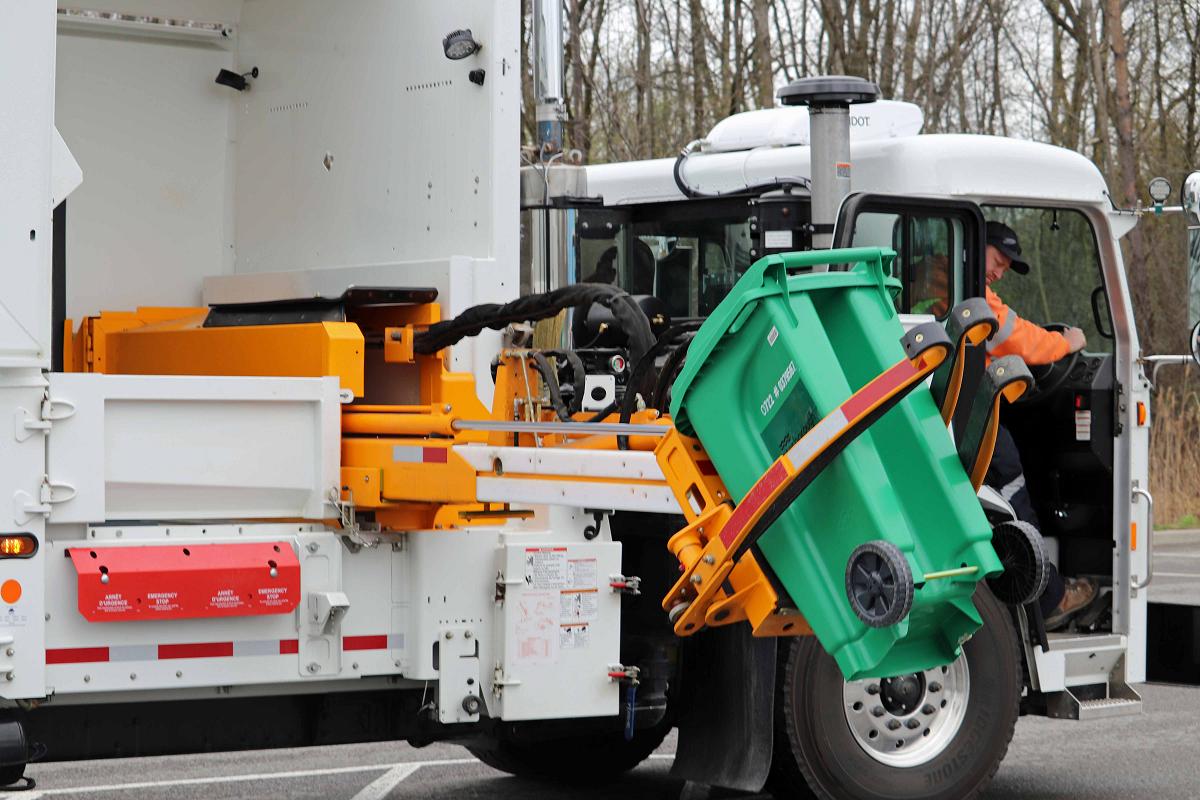
Some of the operational challenges the city has identified in collecting organics from downtown restaurants include one-way streets that limit the collection vehicles’ automated arm use, on-street parking obstructing green bin placement, limited indoor or outdoor storage space for bins, scavenging from bins, bin sizes suitable for high-volume generators, and determining optimal collection frequency.
The initial rollout to 25 participants will allow the city to evaluate the program in 2026 and 2027 before expanding it to additional restaurants. Following the expansion to restaurants, the city will focus on organics collection at multi-residential buildings that receive city garbage collection services, scheduled to take place from 2028 to 2030.