














The Transportation Safety Board of Canada (TSB) has released its investigation report into last summer’s collision between a freight train and a pickup truck in the Township of Cramahe in Northumberland County that killed a 69-year-old man from Frankford.
In the report released on Wednesday (March 4), the TSB concludes the driver underestimated the risk of a collision and did not see the approaching train until it was too late — a situation that was aggravated because of obscured sightlines.
The crash happened shortly after 8 a.m. on July 14, 2025, when a westbound Canadian Pacific Kansas City (CPKC) intermodal freight train travelling about 90 km/h struck a southbound pickup truck at the Hunt Road grade crossing.
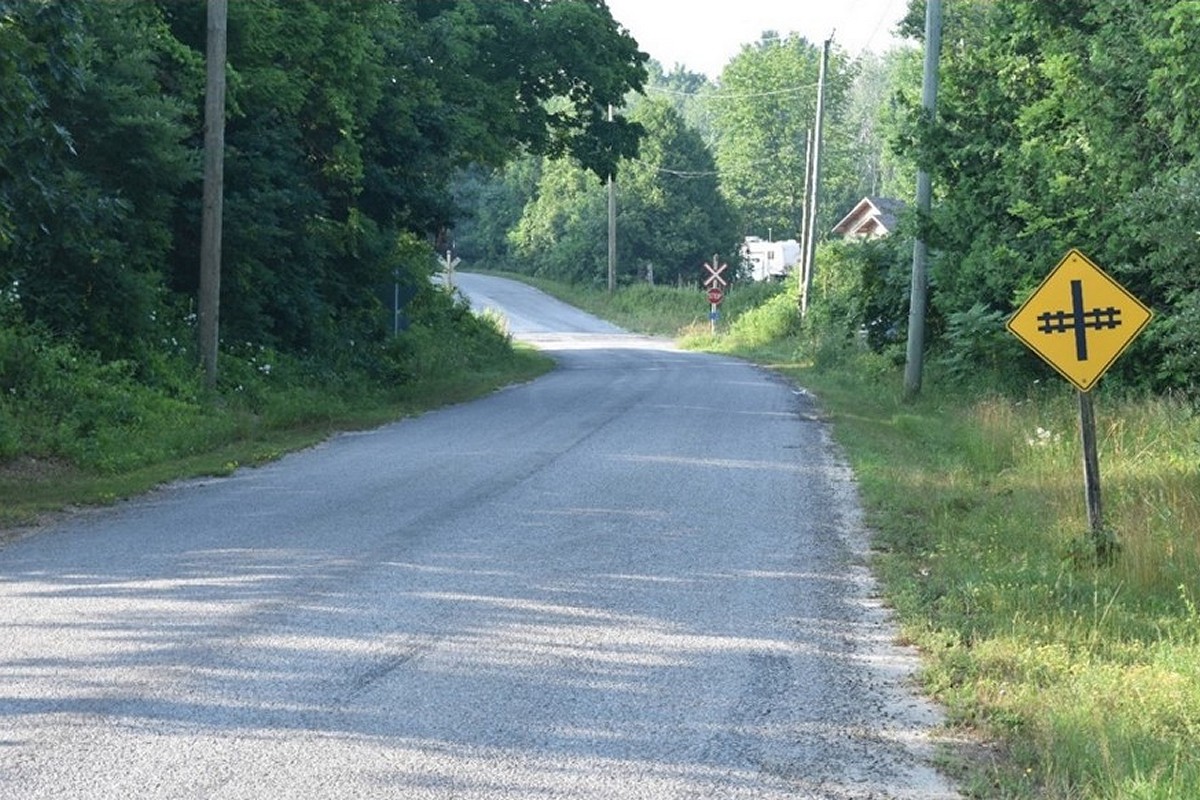
The passive public grade crossing features a standard retroreflective railway crossing sign supplemented with a stop sign. Passive public crossing systems do not warn drivers of an approaching train, but instead rely on the vehicle driver to take the necessary steps to avoid a collision.
About 200 metres to the north, Hunt Road crosses another double-track CN railway line that does have automated protection, warning drivers of approaching trains. Vehicles travelling southbound must cross that active CN rail line first before reaching the CPKC crossing where the collision occurred.
The TSB report states that the vehicle driver routinely used the road and was familiar with both crossings.
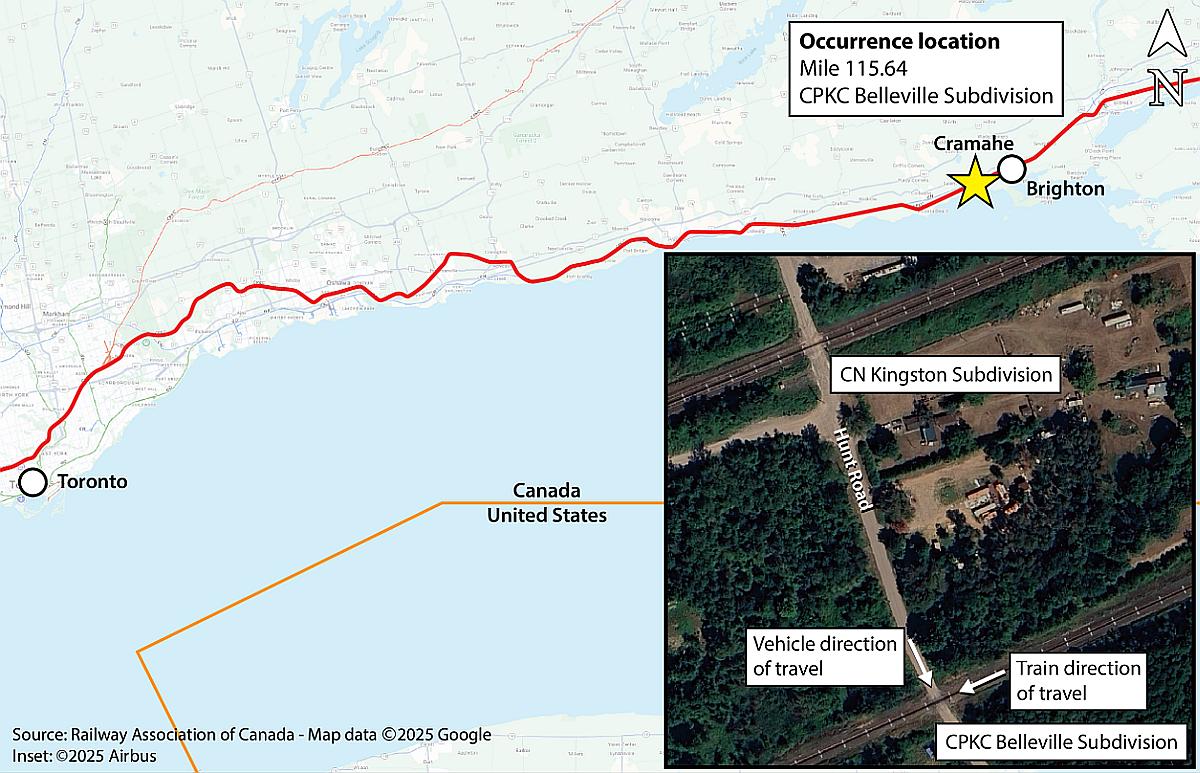
According to the report, data from the pickup truck’s event data recorder indicates the vehicle was travelling around 26 km/h, under the road’s 80 km/h speed limit, when it entered the CPKC crossing just before the collision.
The approaching train only became visible to the driver around two seconds before the collision. Upon seeing the train, the driver attempted to accelerate clear of the crossing, possibly hesitating for a moment.
The TSB report also concludes the driver did not have sufficient time to stop his vehicle once he saw the approaching train. On impact, the vehicle was thrown to the southwest and the driver, who was the sole occupant, was fatally injured.
While the train horn was sounded multiple times as the train approached the crossing, the vehicle’s windows were closed and the engine was running.
According to the report, previous investigations have found that a train horn may not be audible to a vehicle driver under such circumstances until the train is less than two seconds from the point of collision.
“The vehicle driver’s behaviour was consistent with him not hearing the train before it became visible,” the report states.
As for why the driver did not stop at the CPKC crossing, the TSB concludes he underestimated the likelihood of a collision.
“Given his familiarity with the crossing, the vehicle driver would have observed that trains did not travel along that track very frequently,” the report states. “Therefore, a scenario where a train arrived at the same time as his vehicle was occupying the crossing likely would have been perceived as an extremely rare event. Even rarer still would have been a scenario where a collision occurs.”
“The perceived extreme unlikelihood of these scenarios would have been reinforced by the fact that the crossing where the collision occurred had less protection than the crossing immediately to the north, which had higher activity.”
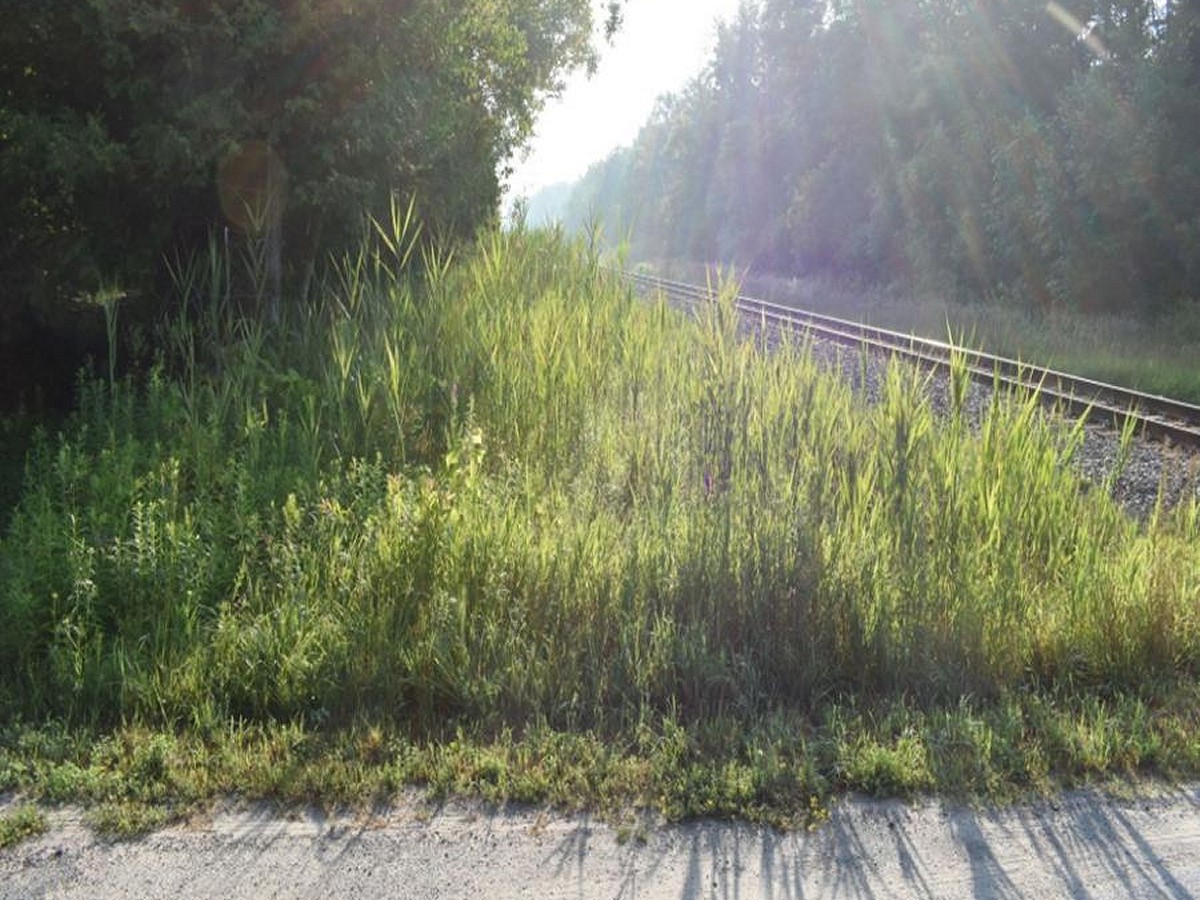
The day after the collision, Transport Canada inspected the crossing and identified concerns about sightlines and vegetation obscuring warning signs, which are the responsibility of the railway and the road authority.
Also on the day after the collision, CPKC performed brush cutting activities to improve sightlines and also cleared brush partially obstructing northward and southward advance warning signs for the crossing.
The week following its inspection of the CPKC crossing, Transport Canada issued a letter of non-compliance to the Township of Cramahe identifying issues related to signage and crossing surface conditions, along with a concern for sightlines at the crossing.
On August 24, Transport Canada conducted a follow-up inspection and found the township had taken no action, resulting in a letter of insufficient action. On September 12, the township advised Transport Canada that vegetation had been cleared and, the following month, completed pavement markings at the crossing.
The TSB notes that its investigation into the incident is for the purpose of advancing transportation safety, not to assign fault or determine civil or criminal liability.
“It is important that railways — in conjunction with road authorities, regulators responsible for grade crossing safety, and other stakeholders — assess whether the defence built on the requirement to stop at a passive crossing equipped with a stop sign can be supplemented to improve rail crossing safety,” the report concludes.