

















One City Peterborough is ending its outreach programs for unsheltered people in mid-May.
One City’s director of outreach services Auden Palmer communicated the “incredibly difficult” announcement in an email on Wednesday (March 18), stating that “shifts in funding were the catalyst for this change.”
Palmer says the funding shifts “prompted us to look carefully at where we can realistically sustain our efforts,” with the non-profit organization deciding to focus its resources at Trinity Community Centre, located in the former Trinity United Church on Reid Street.
That’s where One City operates a daytime drop-in program and an overnight shelter program, with both programs funded through a three-year service agreement with the City of Peterborough.
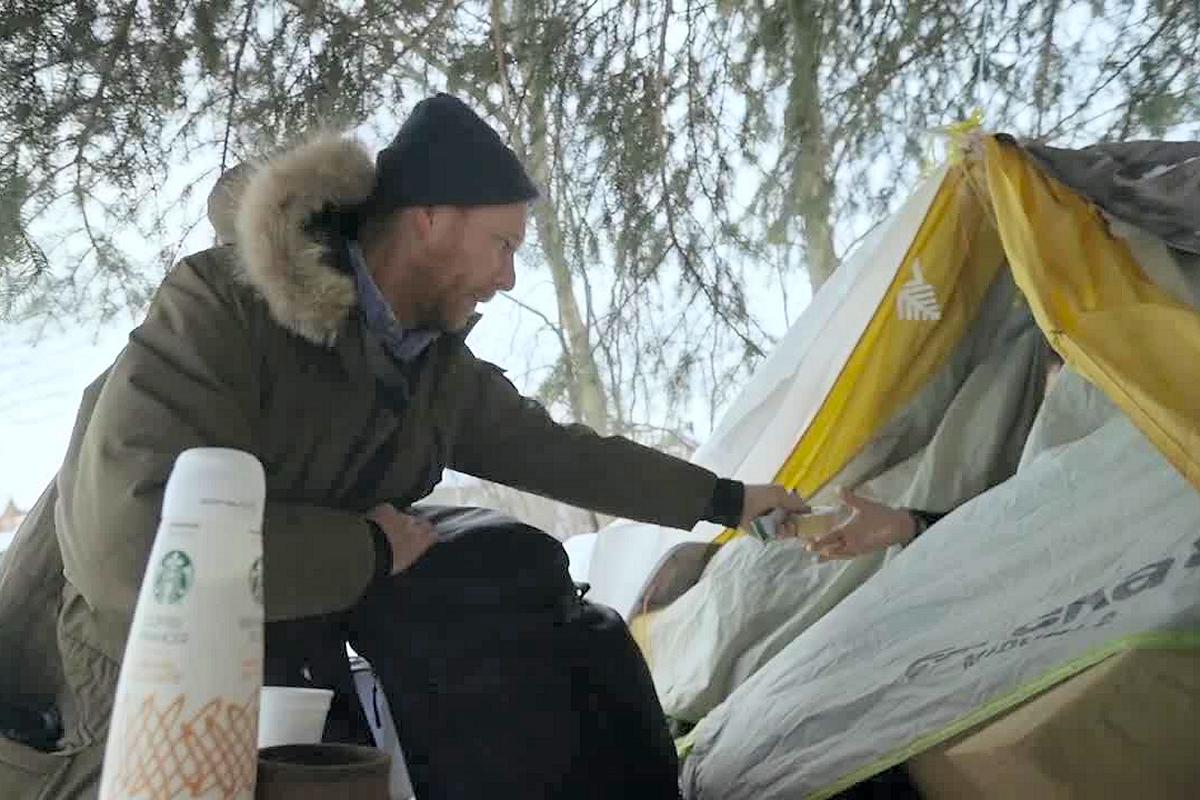
According to Palmer, One City’s original outreach efforts were temporary, small scale, and reactive, with a single staff member checking on people living outdoors only in the winter.
Over the years, One City expanded its outreach programs to include year-round daily check-ins, also building partnerships with healthcare providers, housing teams, harm reduction services, and municipal staff.
“We moved several individuals from their tents into our supportive housing program,” Palmer recalls. “We launched pilot projects to respond to unmet needs: the Unity team offering a rapid response for non-emergency crises in the downtown, and the LINK team providing case management services designed to prevent folks from getting stuck in the system.”
Palmer notes the number of people living outdoors has not decreased, and ending an outreach program built on accumulated trust and consistency “is difficult precisely because of its impact.”
“One of the hardest realities of ending outreach is knowing that people will be left with fewer touchpoints, especially those who distrust institutions or find it impossible to make it into a physical building,” Palmer writes.
Palmer says One City is “doing everything we can to transition responsibly” before the outreach programs end in May, including “sharing tools, information, and training with partners who may be able to carry forward pieces of the work within their capacity.”
“We’re doing our best to make sure no one is left wondering where we went,” Palmer adds. “After May, our emergency efforts will centre on the Trinity Hub, where we’ll continue to offer food, washrooms, shelter, and a low-barrier place to connect to care.”
“Outreach was always about more than just a service; it was about the radical act of showing up. We are deeply proud of the years our team spent in the rain, the heat, and the quiet corners of this city. As we transition this work, we carry the lessons learned from the streets with us. The program, for now, is ending, but the work of seeing, supporting, and connecting our neighbours continues.”