



















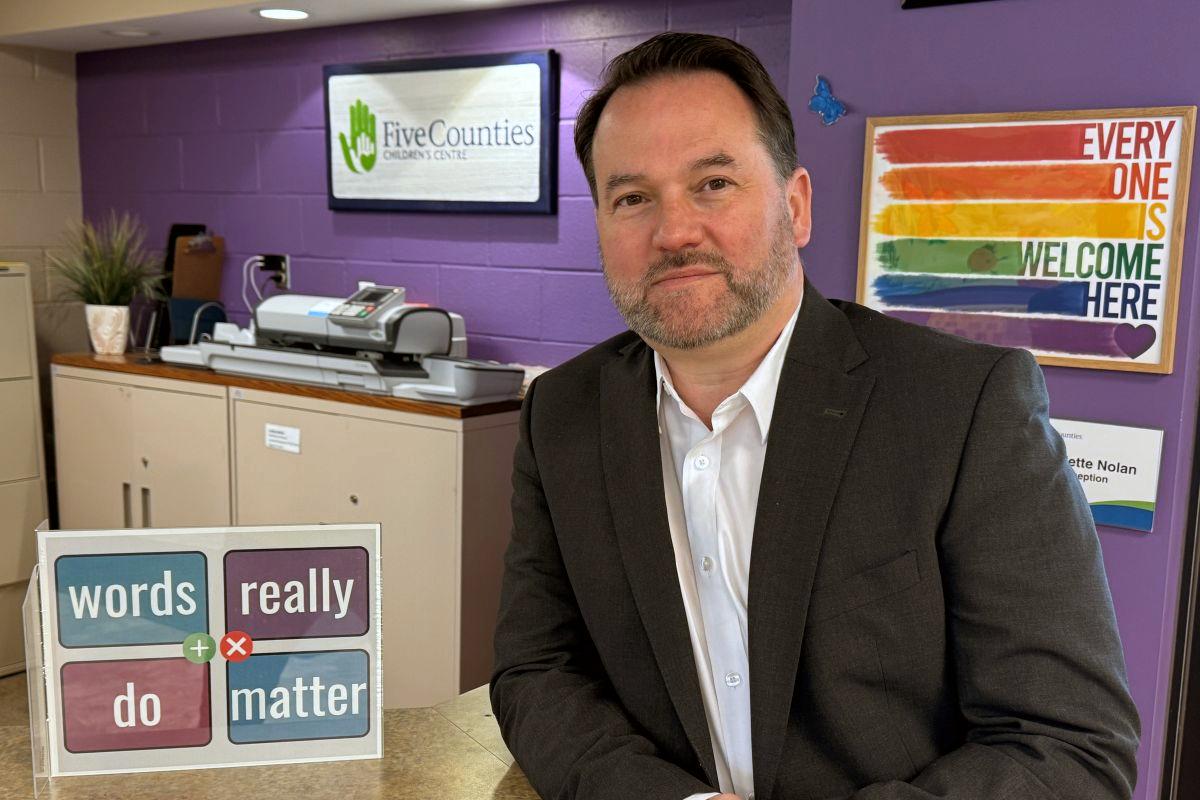
As a social worker by training, I’ve always been struck by the power of words.
Whether spoken, written or shared visually, words help to shape our thoughts, influence our actions, and impact the lives of those around us.
Words can also inspire, as those in the iconic bestseller The Alchemist do for me. Written by Brazilian author Paulo Coelho and released in 1988, The Alchemist is a philosophical fable that follows Santiago, a young shepherd boy, on a journey to discover his “personal legend.”
Santiago travels to the Egyptian pyramids in search of worldly treasure, only to discover a profound spiritual journey about listening to his heart and following his dreams. Along the way, Santiago learns that words can either limit or expand us. He sees that speaking fear strengthens fear, while speaking about hope strengthens courage.
The Alchemist is a profound reminder that every person — especially every child — carries a unique purpose waiting to be discovered. Santiago’s journey teaches us that, with encouragement, belief, positivity, and the right support, even the biggest dreams become possible.
Words matter, but even as they inform and inspire, they can also injure and do harm.
I’m reminded of this when it comes to one word in particular. The “R-word” originates from the Latin verb retardare (to hinder or make slow), appearing in English as early as 1426. It historically meant delayed or slowed, and in the mid-20th century, became a clinical term for intellectual disability.
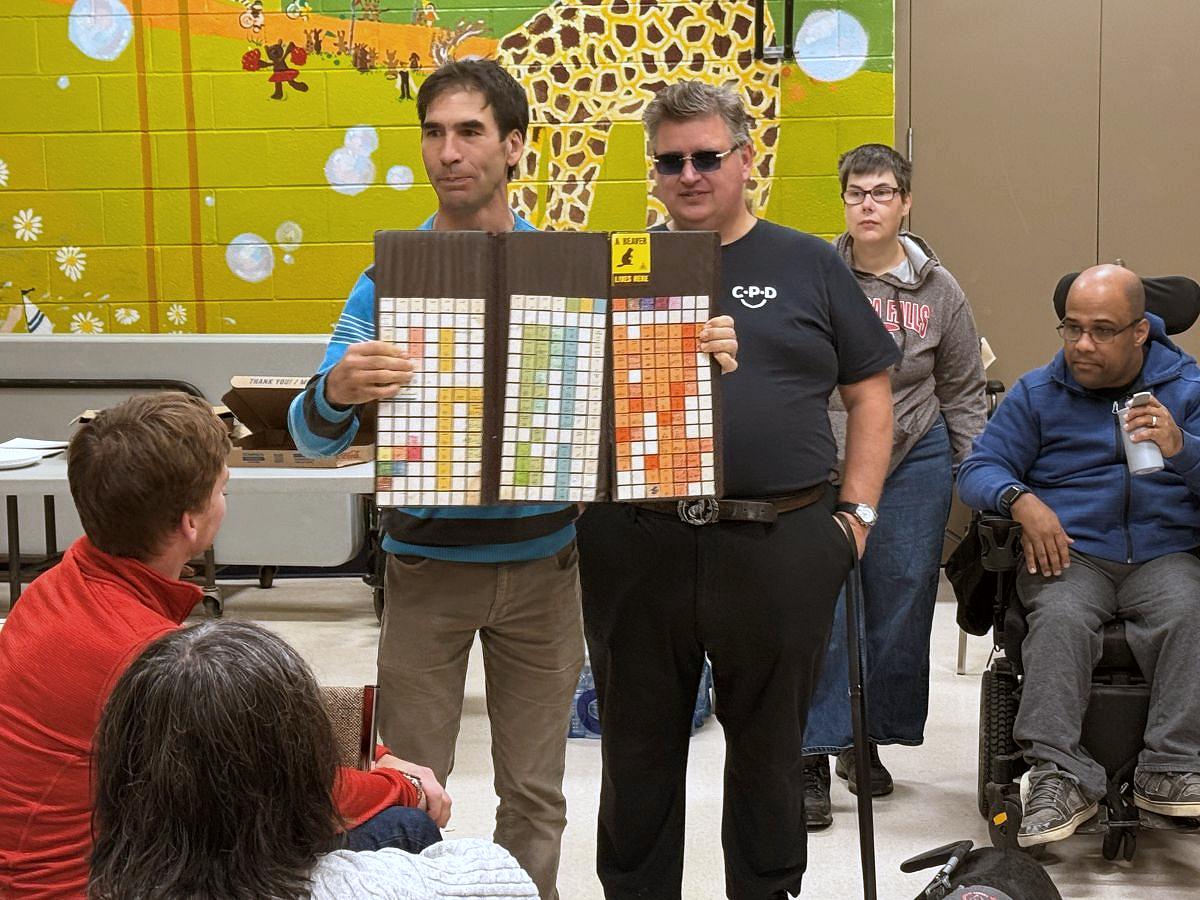
Today, the R-word has been weaponized as a slur and term of ridicule and exclusion. It doesn’t help when influential figures like U.S. President Donald Trump freely use the term to describe political opponents, or that one of today’s most popular podcasters, Joe Rogan, declared “victory” that the R-word is back.
Nowhere is its presence felt more than on social media platforms. New research conducted for Special Olympics, as part of its Spread the Word to End the Word advocacy campaign, finds seven in 10 social media posts are negative towards people with intellectual disabilities. Six in every 10 posts contain a slur, using the R-word or other words combined with “-tard”.
In its campaign, Special Olympics wants us to pledge to change the conversation by eliminating the use of the R-word and replacing it with another word starting with that letter: “respect.”
The Just Evolve public advocacy campaign, championed by the Canadian Down Syndrome Society and other Down advocacy groups around the world, approaches the same problem from another angle: not statistics, but story. The centrepiece of the campaign is a short, clever, tongue-in-cheek video that suggests some words and expressions belong in the past and shouldn’t be part of the way we speak today.
In the video, a young man with Down syndrome serves as a time-travel guide, leading a man who insists on using the R-word into the past and challenging him with customs that were once accepted as normal but are now clearly cruel — or simply absurd. Customs like washing clothes in urine, putting animals on trial, throwing garbage off your balcony, or selling one’s spouse at the market.
The video is witty, but the message is blunt: societies do evolve. And so should we.
VIDEO: “Just Evolve” – CoorDown
Advocacy campaigns can’t fix culture alone, but in both of these cases, we’re reminded that inclusive language isn’t about being “polite.”
It’s about deciding who gets to feel fully human in public, not inhumanely degraded on X or Facebook.
When we spell it out, we see that words matter — and why our choice on how we use them matters even more.