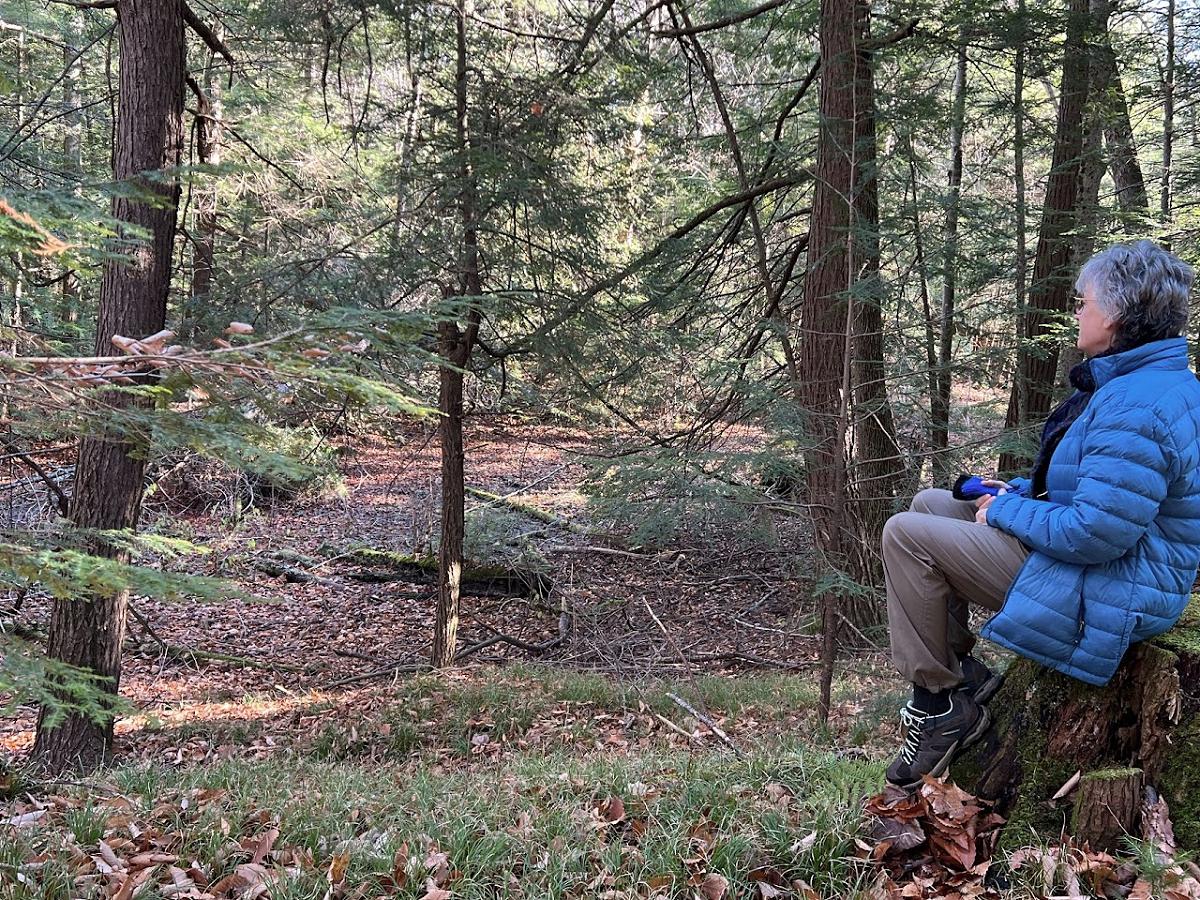













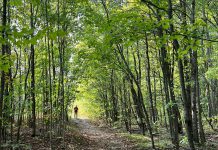


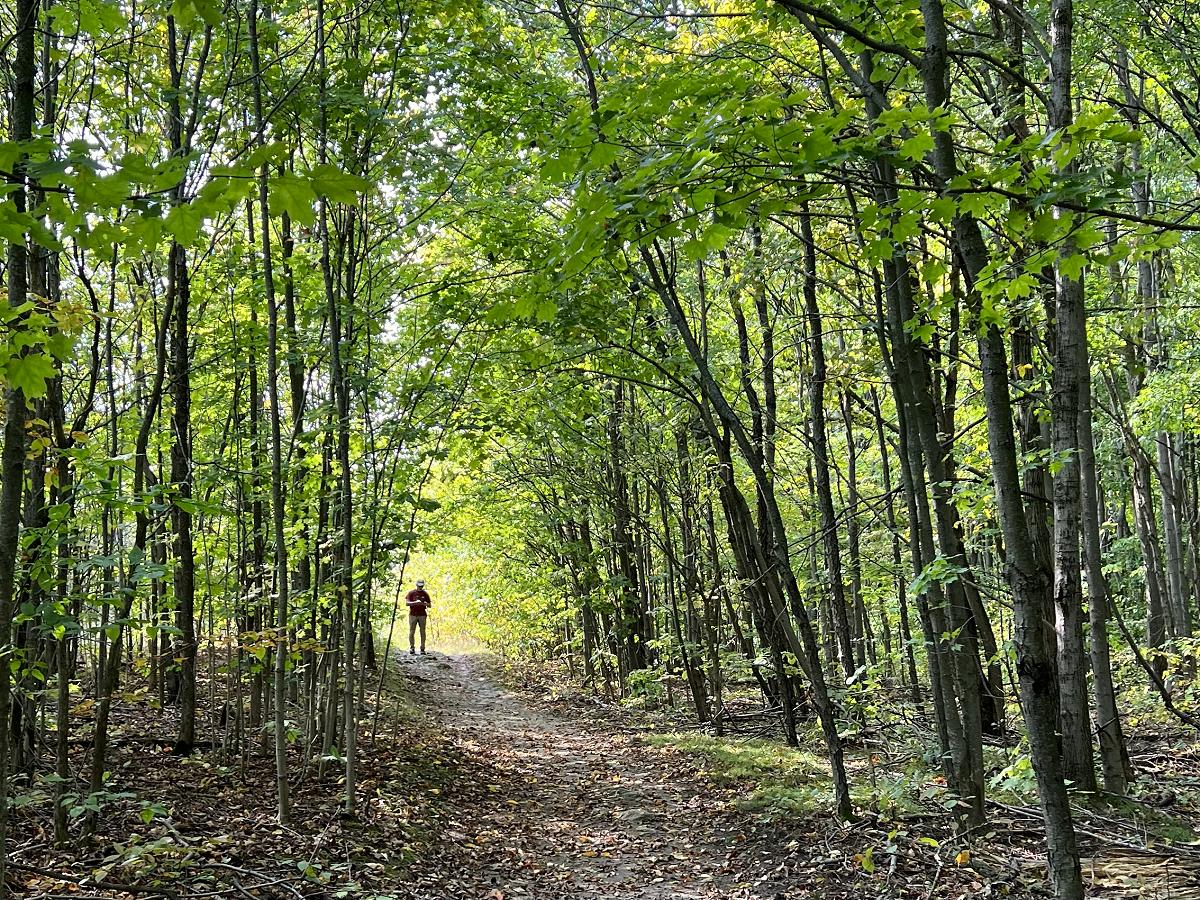
Taking time to walk slowly and mindfully in a forest is not a luxury. It has profound benefits not only for personal wellbeing, but it can also enhance one’s ability and commitment to promote environmental and climate justice, and to show up in effective, realistic, collaborative, creative ways.
Christiana Figueres, climate leader, activist, and one of the architects of the Paris Accord, came to understand the value of taking time to nurture emotional awareness and self-regulation after finding herself overwhelmed by personal and global challenges.
She found that prioritizing self-care is not simply an indulgence, but an absolute necessity which allows her to work in a way that is aligned with her values, while remaining committed to her goals.
Thereafter, Figueres grounded herself in practices that helped her stay within her “window of tolerance,” a concept promoted by Dr. Dan Seigel.
Operating from one’s “window” allows one to function optimally: to think clearly, rationally, and creatively; to regulate emotions; to be open to different perspectives; and to work collaboratively.
Stress can push people outside of their window of tolerance into states of fight, flight, or freeze, which can result in aggressive or impulsive choices. They can also lead to burnout and withdrawal. A powerful way to return to and expand that “window” is to slow down and mindfully engage with nature.
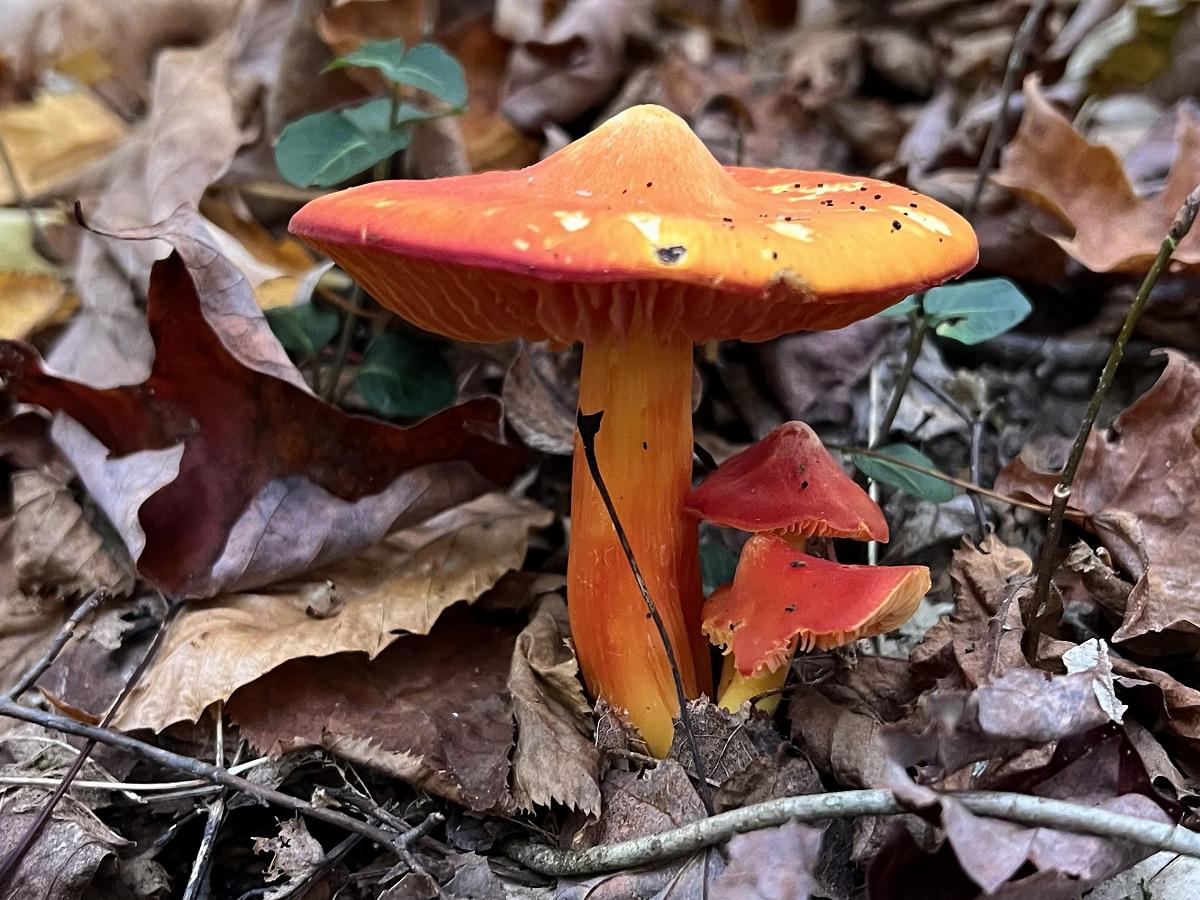
Forest bathing, or shinrin-yoku, combines the wisdom of animism, embedded in Shinto — Japan’s Indigenous spirituality — with mindfulness practices drawn from Buddhism. The act of forest bathing offers simple but profound ways to connect with nature, with oneself, and has many cognitive, psychological, and physical benefits.
Rigorous scientific research quantifies these benefits. The Canadian Psychological Association recommends time in nature for improved immune response and emotional self-regulation, mood, sleep, energy, focus, creativity, and memory, along with reduced levels of stress, anxiety, blood pressure, and depression. Further, it increases social connection, generosity, and cooperation.
It’s no wonder that the practice of forest bathing is also referred to as forest and nature therapy. Medical professionals worldwide are beginning to “prescribe” time in nature. Locally, the Peterborough Public Library lends Ontario Park passes, helping to reduce barriers to those wishing to spend time outdoors.
Not only can mindful time in nature help individuals stay within their window of tolerance, forest bathing is an opportunity to be open to the lessons that nature can teach.
The field of biomimicry, for instance, looks to natural systems to inspire solutions to human challenges. One such example is the invention of velcro, designed after an engineer took notice of the burrs that stuck to his dog during a walk.
One obvious lesson from nature is the reality of change. In her book The Beginning Comes After the End: Notes on a World of Change, American writer, historian, and activist Rebecca Solnit frames the chaos of these times as a radical and often painful re-structuring of our civilization. She reminds readers that change is inevitable, and beneficial.
Solnit points out that the emerging worldview emphasizes and values the reality of interconnection, interrelatedness, and interdependence. Forest bathing is an opportunity to experience connection with nature, and can inspire people to care for what they love.
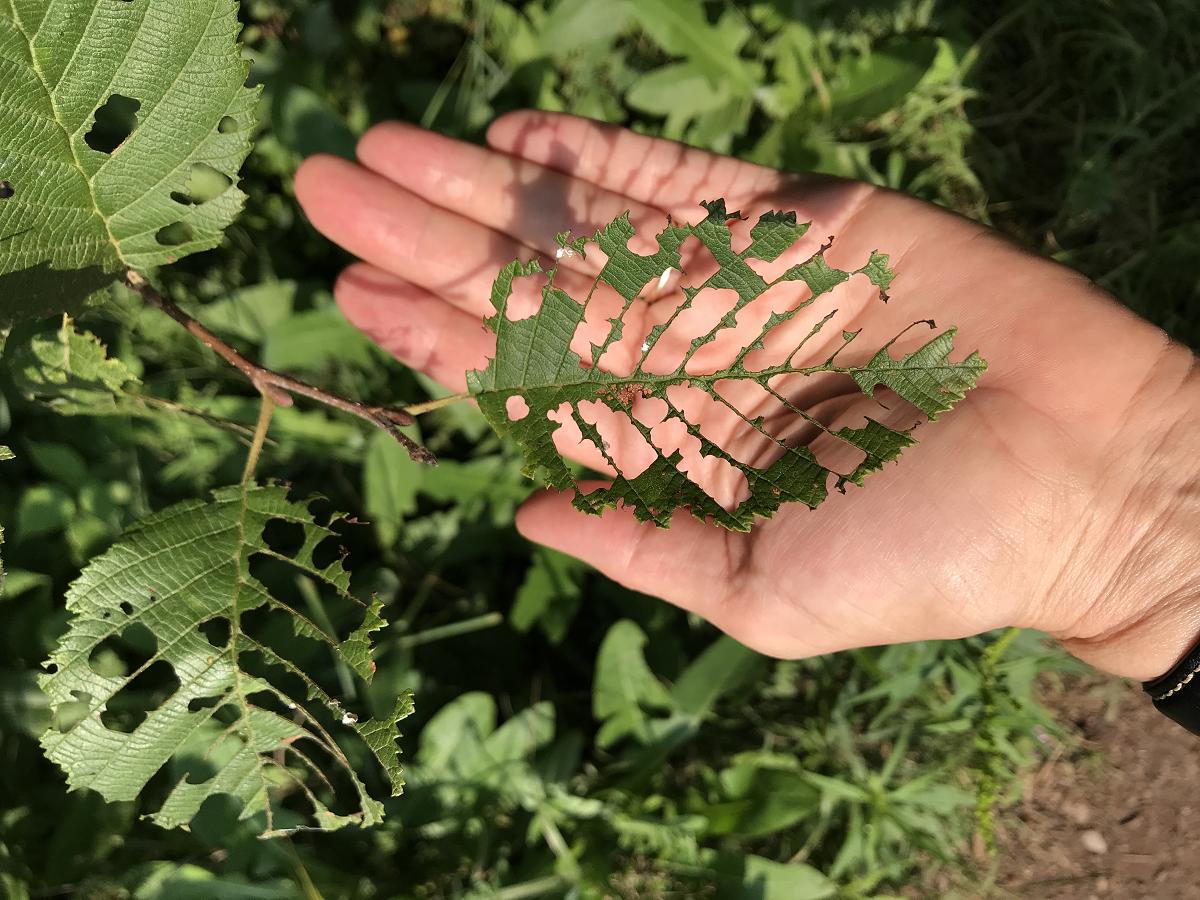
Another lesson inspired by the healing balm of nature: each individual has the freedom to turn towards what brings them a sense of peace and strength.
Psychiatrist and Holocaust survivor Victor Frankl empowered many with his insight that no one can take away the freedom to choose one’s attitude, regardless of the circumstances.
Spending mindful time in nature enhances well-being, increases resilience, and fosters collaboration and commitment — qualities essential for building a healthy future.
As filmmaker Michael Moore writes: “Take a breath. The rest of the choir will sing. Rejoin, so others can breathe. Together we can sustain a very long, beautiful song.”
In caring for ourselves, we strengthen our capacity to care for the world.
“Experience Forest Bathing: Finding Peace in Nature II,” a morning session offered by the Unitarian Fellowship of Peterborough, takes place at the Camp Kawartha Environment Centre on Saturday, April 25. To learn more and register, visit www.peterboroughunitarian.ca/wonderandinquiry/.
Beth McKinlay is an educator, a volunteer with For Our Grandchildren and the Kids Help Phone Crisis Text Line, and a trained forest and nature therapy guide. For more information on her approach to forest bathing, visit sites.google.com/view/mindfulnatureconnection.