















As the fall municipal election in Peterborough approaches, residents are asking candidates hard questions about their most pressing issues. Increasing rates of chronic homelessness and the ongoing housing affordability crisis remain at the forefront of voters’ minds.
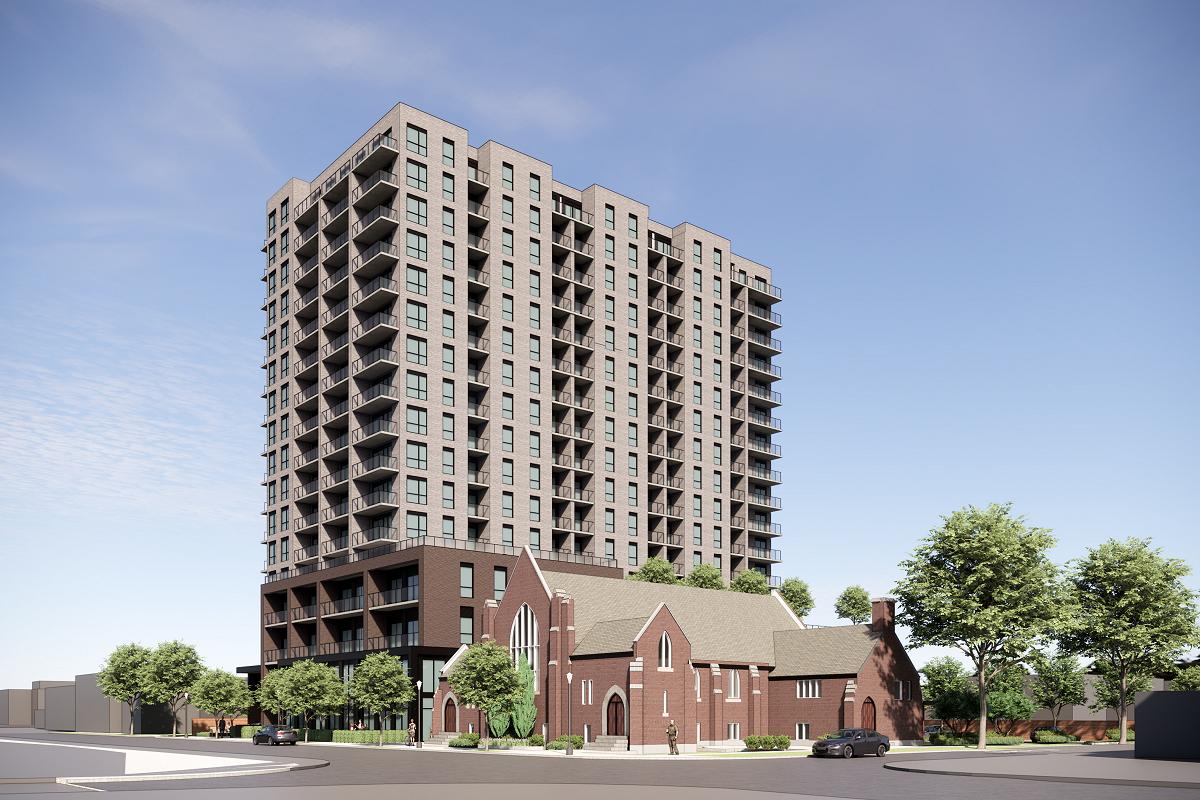
In its 2024 Point in Time report, the United Way Peterborough & District identified a lack of affordable housing as a primary barrier to exiting homelessness. At the same time, some residents are wary of what they consider to be inappropriate housing intensification in established neighbourhoods. For example, the approval of a 17-storey apartment building at 90 Hunter Street East has seen pushback from neighbours due to concerns about maintaining the integrity of the East City community.
Municipal elections across Ontario will take place on Monday, October 26. As residents of a single-tier municipality, Peterborough voters will elect a mayor, two city councillors in each of the city’s five wards, and school board trustees.
Although incumbent mayor Jeff Leal has yet to declare whether he intends to run for re-election, six candidates have filed their nomination papers so far seeking the mayor’s chair: Michael Eamon, Brian Lumsden, Jacob Méthot, Neil Morton, incumbent councillor Keith Riel, and Rebecca Schillemat.
Meanwhile, seven incumbent councillors have already begun their campaign for re-election. With 17 first-time or repeat candidates fighting to take their roles, each seat will be hotly contested. The nomination period is still open until August 21, so it’s possible even more candidates may decide to throw their hats in the ring.
As part of a multi-story series on the Peterborough municipal election, kawarthaNOW has already asked registered candidates in each of the city’s five wards to introduce their campaigns by answering three questions — why they are running, what the biggest challenge is in their ward, and what makes them a unique candidate for councillor — and has published their responses verbatim: Ward 1 (Otonabee), Ward 2 (Monaghan), Ward 3 (Town), Ward 4 (Ashburnham), and Ward 5 (Northcrest).
kawarthaNOW has now contacted all registered ward candidates to ask for their position on key election issues, including the questio “What is your position on housing intensification both in established neighbourhoods and city wide?”
kawarthaNOW asked each of the ward candidates to respond in email, and is publishing their answers verbatim with no editing. Responses were not received by publication date from Jessica Correa (Ward 1 – Otonabee), Andrew MacGregor (Ward 4 – Ashburnham), or Charmaine Magumbe and Debbie Halstead (Ward 5 – Northcrest). Jessica Correa has since withdrawn from the race. Charmaine Magumbe, Andrew MacGregor, and Lucas Graham provided responses after publication.
kawarthaNOW has reached out to Aris Metaxakis, a Ward 2 – Monaghan candidate who registered after kawarthaNOW sent its questions to candidates, and will include his answers to the questions if he responds.
Ward 1 – Otonabee
Kevin Duguay
I support the City’s Official Plan and how it governs housing intensification.
The City’s Official Plan provides the policy framework serving to permit and encourage housing intensification throughout the City. Specifically, the Plan focuses intensification within designated Strategic Growth Areas (Central Area and major suburban roads). This intensification supports effective use of public transit, piped infrastructure (water, sewer and storm-water), existing major roads (including pedestrian facilities) and responds to sustainable and climate change supportive development.
The Plan further addresses intensification opportunities along secondary roads allowing for “missing middle” type housing (row dwellings, townhouses and other multiple unit housing). Finally, the Plan addresses neighbourhood residential uses emphasizing low-density opportunities including additional residential options as well as supporting and enhancing community-supportive uses such as parks, schools and local businesses.
Lucas Graham
I strongly support housing intensification. Peterborough needs many more homes, and continually stretching the city outward is one of the most expensive ways to provide them.
In established neighbourhoods, that means making it easier to add duplexes, townhomes, small apartment buildings, secondary units, and other forms of gentle density while respecting infrastructure capacity, trees, drainage, and accessibility. Higher-density development belongs downtown, along major corridors, and wherever transit and existing infrastructure can support it. We also need community, supportive and deeply affordable housing, because simply increasing the overall number of units won’t meet every housing need.
Sprawl isn’t just an environmental issue; it’s a financial one. Every new low-density area requires more roads, pipes and other infrastructure to reach fewer households, and the City inherits the long-term cost of maintaining it. It also makes more trips dependent on cars, adding pressure to roads and parking elsewhere in the city.
Intensification lets us add housing while making better use of infrastructure we’ve already paid for, supporting better transit, and protecting more green space. To me, that’s simply a more efficient way for Peterborough to grow.
Lesley Parnell
We need more housing — period. Change is not easy but is reality. With today’s economic reality entering the housing market is very difficult. It is expensive to build. It is expensive to buy. Land is limited so we need to have more people and jobs per area for sustained growth and affordability for our citizens. In addition to creating more places for people to live, we increase assessment which helps us with the property tax levels for all. Housing is an economic and quality of life issue for all.
Chris Potter
We need more housing.
But intensification has to be done carefully, not carelessly.
I support more housing options across the city, including gentle density in established neighbourhoods, as long as we’re also paying attention to infrastructure, parking, transit, trees, drainage, road safety, and how a neighbourhood actually functions.
That doesn’t mean freezing neighbourhoods in time. Cities change, and Peterborough is no different. But growth still has to be planned properly.
City-wide, we need more missing-middle housing, more rentals, more affordable units, and more options for seniors, young families, workers, and people who are being priced out. The goal should be to create more places for people to live without pushing all the pressure onto neighbourhoods that weren’t properly planned for it.
Ward 2 – Monaghan
Matt Crowley
Peterborough needs more housing, and I believe intensification has to be a big part of the solution.
The City has already done a great deal of planning to identify where future growth should occur. Strategic growth areas are intended to accommodate higher-density development, and that’s where I believe we should focus much of our future growth. Building housing where infrastructure already exists makes better use of investments taxpayers have already made and supports a more affordable, financially sustainable, and environmentally responsible city.
When people talk about “good planning” I think that also means protecting the purpose of our established neighbourhoods. As we’ve reviewed the City’s planning policies, I’ve consistently raised concerns about the increasing conversion of single-detached homes in the West End into high-occupancy rental properties and boarding houses, particularly when homes are being purchased by investors from outside our community. Peterborough needs more housing, but we also need to preserve opportunities for families to buy homes and build stable neighbourhoods.
That’s why I’ve pushed for stronger planning tools that balance the need for more housing with protecting neighbourhood character. I believe we can encourage the right kind of growth in the right places while ensuring established neighbourhoods continue to evolve in accordance with the City’s planning policies.
I believe that good planning isn’t about saying yes or no to growth. It’s about putting the right type of development in the right place, and we do that well, we can build the housing our city needs while protecting the qualities that make Peterborough’s neighbourhoods great places to live.
Ashley Flynn
Peterborough needs more housing, but we need to build it thoughtfully.
I support responsible intensification that fits the character of existing neighbourhoods while recognizing that every community will evolve over time. We also need to ensure infrastructure, roads, schools, parks, and services can support that growth.
At the same time, we need to remove the unnecessary barriers that slow housing approvals, and while the City has recently begun to do this we should be encouraging a mix of housing options — from starter homes and townhomes to apartments and secondary suites — so people at every stage of life have somewhere they can afford to live.
Rose Kitney
It is very important that every person has a place to call home. I believe housing intensification in established neighbourhoods requires careful consideration prior to implementation. Respecting what is already there along with local resident input is vital and needs to be part of the decision to move forward in established neighbourhoods. The recently approved 17 storey building to be built in East City on Hunter St unfortunately is an example where community input did not factor into the decision to proceed.
Housing and Growth Management Initiatives present in the City’s Official Plan encourage study in priority areas for housing intensification and will lead city wide implementation where appropriate.
Jen Lacey
Housing is more than just meeting provincial housing targets. Like in health care, we can build as many hospital beds that we want, but if there’s no staff to staff those beds, the number of hospital bed don’t matter. The same is with housing. I support thoughtful housing intensification because Peterborough needs a wider range of housing options to meet the needs of a growing and changing community. However, intensification should be planned, not simply imposed. It needs to respect the character of established neighbourhoods, ensure infrastructure can support additional growth, and involve residents in meaningful consultation. If intensification means no actual new housing and risks the loss of affordable housing, this is not a plan that I would support. Established neighbourhoods and their unique needs are part of the planning, not a barrier.
City-wide, we need a mix of housing types, including transitional housing, affordable housing, rental housing, senior housing, and attainable homeownership options. Growth should occur where it makes the most sense, with access to transit, services, schools, and amenities. We should be utilizing lands and buildings that the city currently owns as well as partnering with for profits when appropriate. We currently have an increase of seniors requiring shelter, yet, we have retirement home vacancies throughout the city. Why can’t the city and retirement homes work together to provide affordable housing for some of the people in our community who have spent their whole lives paying taxes and contributing to this community?
In established neighbourhoods, I believe intensification should be compatible with the surrounding community. That means considering issues like traffic, parking, green space, stormwater capacity, and the overall impact on the people who already live there. Residents deserve to have a genuine voice in decisions that affect their neighbourhoods. Residents are the experts of their neighbourhoods, not city council and not city staff. They understand the traffic, the speeding, the space, the parks, every pot hole in the road, every crack in the sidewalk and the overall culture of their neighbourhood and the potential vulnerabilities that intensification could bring. When development is imposed on a neighbourhood with even just minimal consultation, it is simply not enough.
We need to protect existing affordable housing, encourage appropriate new development, and work collaboratively with the County, Provincial and Federal Government as well as housing providers. Housing and affordability do not stop at our city boundary. If we are not receiving support from the upper tiers of Government, we need to form strong partnerships regionally, because ultimately, we all want the same thing — housing that fits our community.
Aris Metaxakis
In a recent trip to Holland, I noticed that there were a lot of apartment buildings, but I did not see high rises, but very well designed neighbourhoods with park spaces.
Also, “Rent to buy” is one way to give people a chance to pay into the equity of a home or a condo, instead of just renting. With the high cost of a house/condo purchase today this would be a feasible way for people to eventually own their home or condo.
Rent control is not ideal but I believe it is necessary; As a city Councillor I would encourage Council to lobby the provincial government to bring some form of it back. Rents are unnecessarily too high and climbing higher.
AJ Shearer
Peterborough needs more housing, and intensification will be part of that solution. By increasing the right mix of housing supply, we can support improving housing costs and ensuring people at every stage of life can live in our community.
The key is making sure growth happens thoughtfully. New development should fit the surrounding neighbourhood where appropriate, make good use of existing infrastructure and contribute positively to the community.
I support increasing housing supply, but I also believe each proposal deserves careful consideration rather than applying the same approach everywhere.
Ward 3 – Town
Alex Bierk
We need more off-market housing, and we need to intensify in a way that adds to the existing character of the City instead of erasing it. People deserve to feel informed, involved, and genuinely heard throughout the planning process.
Jenni Cathcart
I support thoughtful housing intensification — both downtown and across the city — because Peterborough needs more affordable housing options. But “thoughtful” is the key word. In established neighbourhoods, that means working with residents, not around them. Intensification done well respects the character of existing streets while creating the kinds of homes our community needs — starter homes, affordable rentals, and housing for people at every stage of life.
My top priority for housing intensification is to develop the Baskin Robbins factory site downtown into condos or apartments. This would bring more people downtown and signal to other developers that Peterborough is a city worth investing in.
Jessica Kuhlmorgen-Hille
Intensification is a touchy subject. Peterborough is known for the beautiful neighbourhoods, views, nature, and space. I disagree with the height caps being removed from buildings, as the heights alter the environment strongly for the area they are in (see East City), and put airborne wildlife at risk. I support new housing being built and encourage it, but not at the cost of our environment and esthetics. I very strongly disagree with the ‘cash-in-lieu’ policies set forth in the CPPS for affordable housing units. I would like to dive into the CPPS and reopen some of the points for alteration if possible. I was happy to see that home owners have been able to now add more buildings onto the lots they own in order to create housing, garner income, and keep neighbourhoods free of skyscrapers.
Joy Lachica
In the vision of Jane Jacobs, I champion dense, organic and accessible mixed-use neighbourhoods. As a downtowner, I believe that high concentrations of people make for safer streets and generate more vibrant economies. Based on endorsed urban design guidelines scaled to a city of our size, rather than sky-scrapers (eluding connectedness), I advocate avidly for gradual, diverse and liveable infill development.
In December 2022, my motion that staff study and report on a “Housing First” template to address our homelessness crisis as a long-term solution to eradicating it, was passed by council. Its direction was based on the premise of unconditional housing or “housing as a human right”. Fast forward, council has passed motions for winter strategies, established Peterborough’s modular transitional housing project, increased shelter services, as well as partnerships with agencies providing accompanying wrap-around supports and services. However, there is still much scaffolded strategic work that needs to be done within our chosen template, to achieve an outcome we knew would take time. I’m wholeheartedly committed to continuing that work earnestly and effectively.
Nigel Lister
Simply put I believe in intensification. The City has designated Strategic Growth Areas in the official plan and what has been laid out for growth in those areas so far makes sense in my eyes.
Ward 4 – Ashburnham
Gary Baldwin
Our city is growing and as a result we need more housing of all types. Intensification is a given. We are going to see more housing structures built (apartments, condominiums) with higher elevations. Using the new Official Plan and the Community Planning Permit System, Council will be in a strong position to receive some tangible consideration in exchange for increased higher density development. In established or existing neighbourhoods, I would push for reasonable development that would fit with the existing landscape and neighbourhood.
Ashley Bonner
Peterborough and Ontario are going through a massive, rapid housing development phase, and we can all agree on one thing: we absolutely need housing. However, how we choose to build that housing will dictate Peterborough’s financial and social health for decades to come.
The most effective, efficient, and fiscally responsible way for our city to develop is by prioritizing intensification within our existing city limits. Building inward rather than sprawling outward drastically reduces long-term infrastructure maintenance costs, saving taxpayer dollars on roads, pipes, and emergency services. It creates natural efficiencies for both personal and public transit, and it crucially preserves the surrounding agricultural and natural lands that define our region.
When it comes to our established neighbourhoods, intensification must be handled with care, balance, and deep respect for the existing community. It should not mean dropping massive, out-of-scale luxury towers where they don’t fit, which only serves to congest our streets and strain local infrastructure. Instead, we should focus on ‘gentle density’ like accessory dwelling units, duplexes, and laneway homes that respect the unique needs of areas like the island of East City while providing much-needed housing options.
Most importantly, city-wide intensification must have a purpose beyond just developer profit. We have let luxury developments saturate the market for too long. If we are going to increase density across Peterborough, we must demand that a significant portion of it be dedicated to deeply affordable and supportive housing.
True, smart growth means building an inclusive city where our workers, our seniors, and our young families can actually afford to live in the neighbourhoods they love.
Andrew MacGregor
Intensification is necessary. Peterborough is in a good place where we have more housing unit starts than mandated to qualify for Ontario’s building funding program, but the way we advance building projects needs more transparency. An emergent problem is the stark contrast of very tall buildings built with no greenspace immediately adjacent single dwelling homes; this should be corrected by both requiring more green space and by easing restrictions on building heights in neighbouring lots. (Buildings should increase gradually in height across a neighbourhood)
But better still, the City itself should be a key player in the developer scene, building all kinds of housing to manage, especially rent-geared-to-income, assisted living, group housing, half-way housing, etc. The money marked for a sports area could go a long way to addressing the very apparent and economically detracting homelessness that currently challenges our downtown and nearby neighbourhoods.
Jason Stabler
Peterborough is growing and needs more housing. Building this housing where city services and infrastructure already exist rather than growing outwardly is more economically sustainable, uses less land, supports transit use, supports local businesses, and facilitates mode shift (i.e. making trips on foot or by bike instead of driving). In established neighbourhoods however intensification needs to be reasonable and should fit with the character of existing neighborhoods.
Ward 5 – Northcrest
Andrew Beamer
The City of Peterborough needs to ensure that we develop a strong and responsible plan for the creation of new housing units and homes. City Council has done exactly this by unanimously approving the new City-Wide Community Planning Permit System (CPPS) in June 2026. The CPPS is a single streamlined process that accelerates development and housing supply while taking into consideration the current characteristics of established neighbourhoods.
Phillip Jolicoeur
Peterborough needs more housing, but how and where we build it matters.
I have spoken with residents concerned about traffic, infrastructure, neighbourhood character, and whether new development will fit within established communities. I have also heard from young families struggling to find housing, seniors hoping to downsize, and employers unable to attract workers because suitable housing is unavailable. All those concerns are valid.
I support thoughtful intensification that allows neighbourhoods to evolve while respecting the qualities that make them desirable places to live. That can include additional residential units, townhomes, smaller apartment buildings, and larger developments in areas where infrastructure, transportation, and services can support them.
Not every proposal should be approved, but we cannot continue deferring difficult decisions simply because change is uncomfortable. Cities need the courage to take calculated risks and plan for growth before today’s challenges become tomorrow’s crises.
Successful communities did not improve by refusing to change. They planned carefully, invested in infrastructure, and created a range of housing options. Peterborough must do the same while building complete, well-planned neighbourhoods.
Paul Lawton
Peterborough needs housing, but growth must be thoughtful. I do not support a blanket “anything anywhere” approach, and I also do not support simply saying no to development.
In established neighbourhoods, intensification should consider infrastructure, traffic, parking, roads, sewers, schools, parks, emergency access, and neighbourhood fit. Residents deserve to be consulted before decisions are effectively settled.
City-wide, housing should be encouraged where it makes sense: near services, transit routes, existing infrastructure, and areas planned for growth. But housing is not just a unit count. Good planning has to consider families, infrastructure, public safety, green space, and the character of existing neighbourhoods.
Charmaine Magumbe
We need more housing in Peterborough, both in established neighbourhoods and citywide. In older established neighbourhoods, where apartments or houses are being gentrified, tenant protections could include pursuing a renoviction by-law similar to Hamilton’s, which makes it harder for landlords to evict tenants under the guise of renovations and then dramatically increase rents.
I would not support housing intensification that builds a 17-storey apartment building in an established neighbourhood—especially without transparency and accountability to that particular neighbourhood.
City-wide, I support new mixed-use developments that combine residential living spaces with commercial, retail, or office functions in a single building or coordinated neighbourhood. A walkable neighbourhood is an area where daily essentials like grocery stores, parks, schools, and cafes are safely and easily reached on foot, by bike, or via public transit.
I would advocate for more affordable units by partnering with nonprofits, private developers, and upper levels of government to secure funding and incentives for new builds in Peterborough.
I would require affordability in new developments so that any new apartment or condo project sets aside 10–20% of units as geared-to-income. In return, the City could offer targeted property tax breaks or other planning incentives.
I also support mixed-income housing models and rent-stabilization incentives so we are not concentrating poverty and are protecting existing tenants from sudden, destabilizing rent spikes.
Gavin Muir
Change is coming to Peterborough — the demand for housing and better transit isn’t going away, and pretending otherwise wouldn’t serve anyone. But intensification has to be judged by whether it produces the housing types our residents actually need, not simply by unit counts, and it has to be balanced against what makes our existing neighbourhoods strong in the first place. Cutting development charges to hit a numerical target isn’t the same as planning for real housing needs, and it can leave the public covering costs that growth should be paying for. Residents shouldn’t have to choose between growth and community — we can and should have a real say in what that change looks like, in established neighbourhoods and city-wide alike, with a community-first approach guiding how and where it happens rather than growth simply being imposed on us.
Jim Wasson
I believe in a balanced approach to growth. Peterborough needs more housing to meet the needs of seniors, young families, students, and workers. However, growth should be planned carefully so it enhances our neighbourhoods rather than diminishes them. My priorities would be to protect established neighbourhood character by ensuring new developments fit the scale and design of surrounding homes. Improve infrastructure first. Roads, sidewalks, parks, sewers, water systems, schools, and transit should keep pace with new development.
Promote affordable and attainable housing through partnerships with developers, non-profit organizations, and senior levels of government. Preserve green spaces and mature trees whenever possible while identifying suitable areas for increased density. Ensure meaningful public consultation so residents have a genuine opportunity to influence developments in their neighbourhoods. Peterborough needs more homes, but we also need smart planning. Growth should strengthen our neighbourhood, not overwhelm them. I support responsible housing intensification that protects our established communities, improves infrastructure, and ensures every new development contributes positively to our city’s future.
kawarthaNOW has reproduced written responses from candidates verbatim. Any errors, factual or otherwise, or any use of AI-generated content originate with the candidate.
The original version of this story has been updated with a response from Aris Metaxakis, who filed his nomination papers after this story was originally published.
This story was updated on September 1 to include a response from Town Ward candidate Nigel Lister, who filed his nomination papers after the story was originally published.
m>This story was updated on September 10 to include a response from Northcrest candidate Charmaine Magumbe.
This story was updated on September 18 to include a response from Ashburnham Ward candidate Andrew MacGregor.
This story was updated on September 24 to include a response from Otonabee Ward candidate Lucas Graham.