





















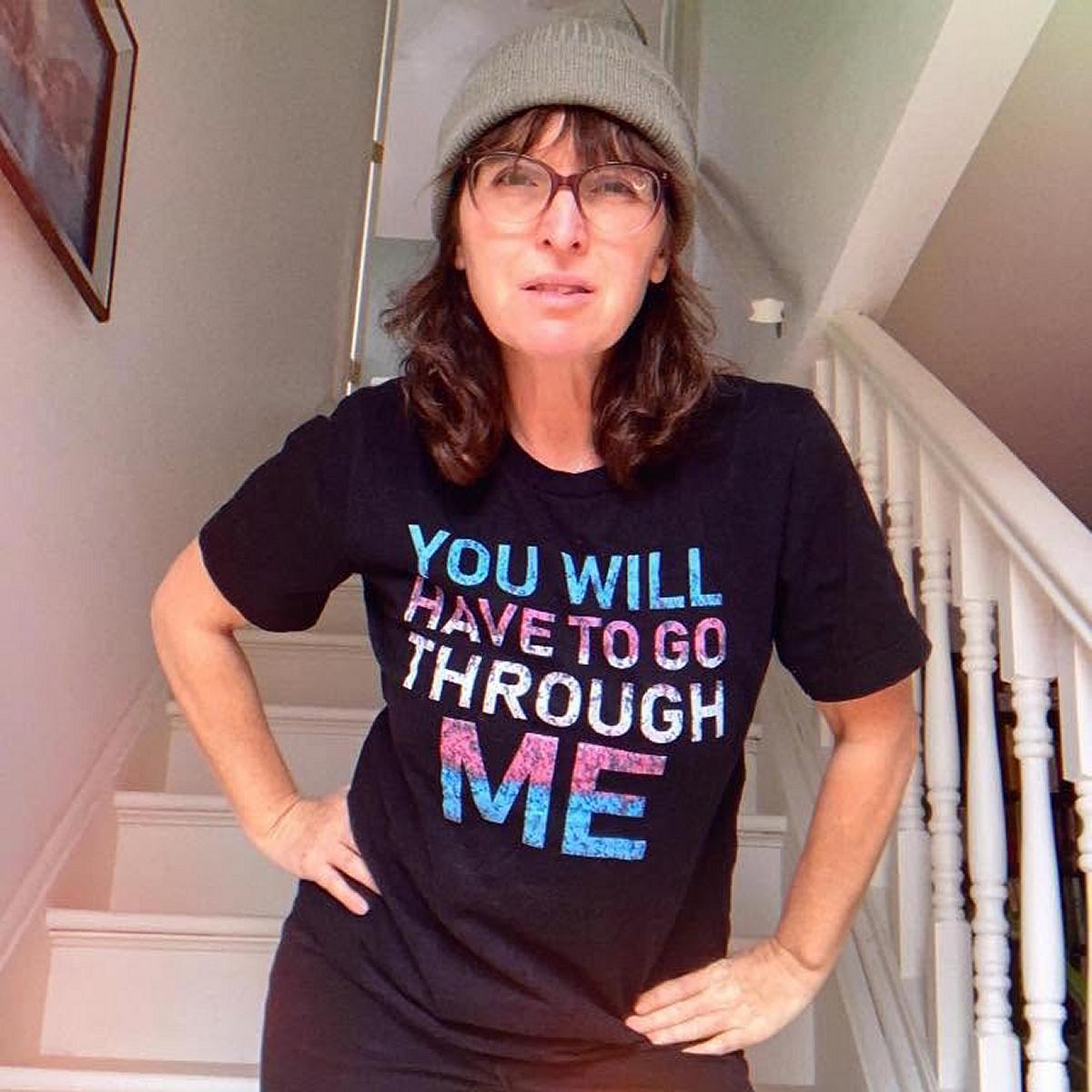
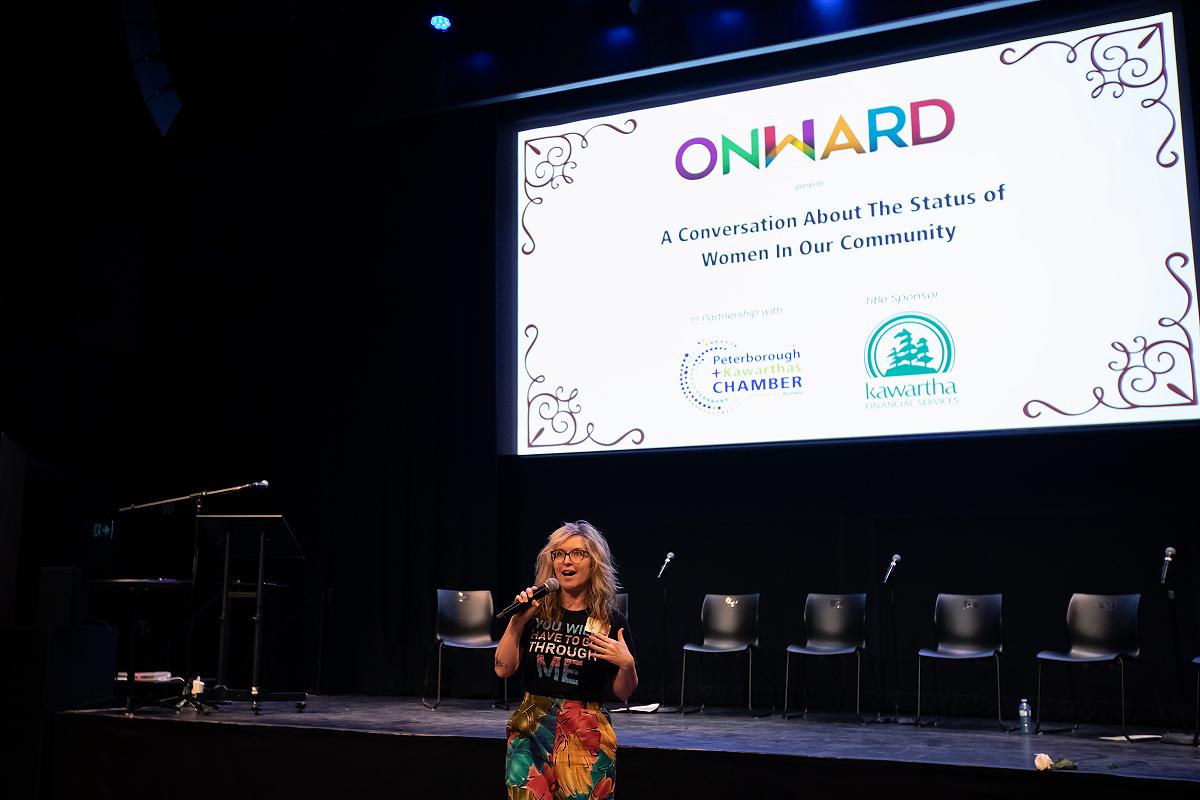
If you follow Peterborough author Erica Richmond online or know her in person, you have probably seen her wearing a T-shirt stating “You will have to go through me,” written in the colours of the transgender pride flag.
That’s because, as an ally and mother to a trans son, she believes that the onus shouldn’t be on individual communities to do their own advocating.
“I’m definitely trying to add a different voice to the mix,” Richmond says. “I know when I post things, depending on where I’m posting, I will get hate and it’s hard — no one wants to get a hate comment directed to them.”
“But if I can’t handle a hate comment as an ally, imagine what it would feel like if I was trans, posting it and getting that comment,” Richmond adds. “I can’t call myself an ally or an advocate if I’m not willing to get hit and take some of that off them.”
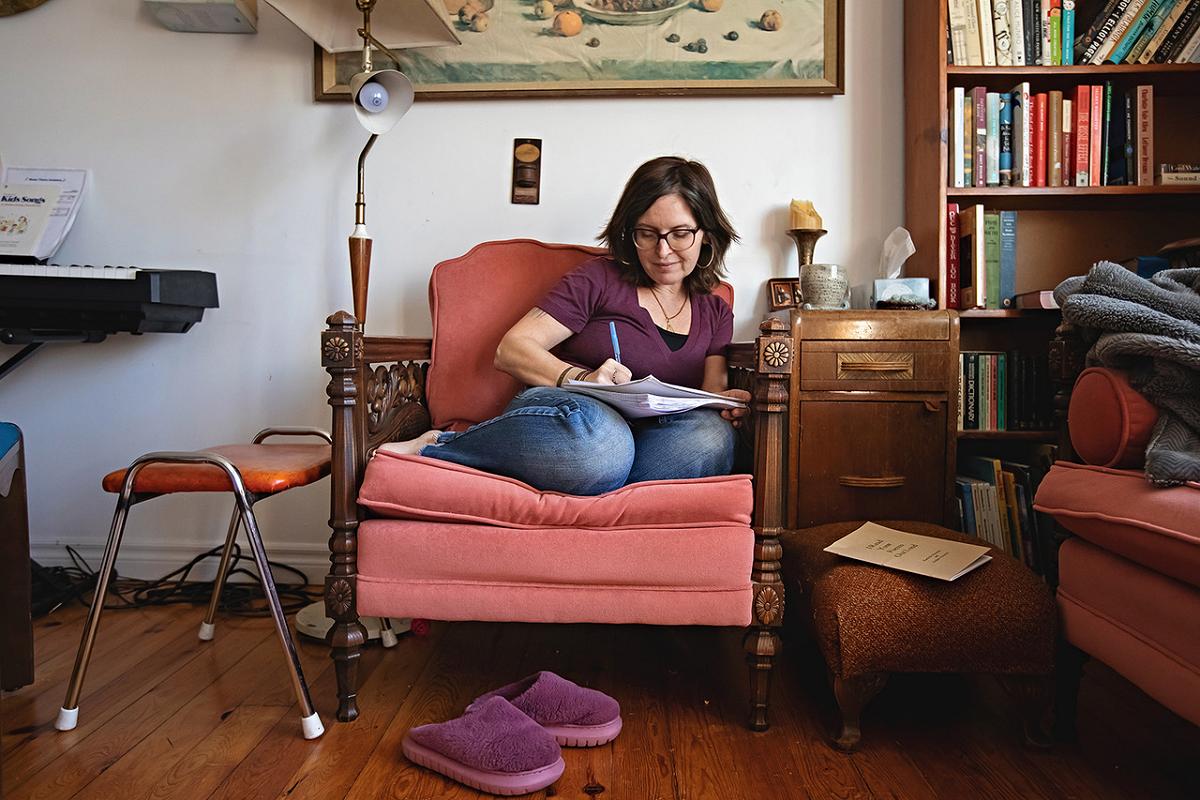
In an essay titled “Always Ash,” published in the HerStry Blog on October 15, Richmond tells her own stories as a mother and ally. The essay comprises small vignettes of memories exploring motherhood and grief — 15 of them, to align with the age of her son when he came out to her by sending her a meme.
Woven between relatable and touching family moments, Richmond describes the fear and anxieties she felt when navigating her son’s transition, while simultaneously living with the consuming grief following the death by suicide of the father of her two children.
“This is written as a list essay, which is definitely one of my favourite styles and forms of writing,” Richmond says. “It also helped, especially when I’m writing about heaviness and grief, because it comes out in these spurts.”
Though she has written many creative essays about heavy topics, Richmond says “Always Ash” was particularly challenging to write because she hadn’t written about her experience before. She was working with a writing coach, who had suggested writing about Ash when she was considering a new piece to submit to a creative writing contest.
“I’d purposefully not written about that (Ash and his coming out) because I thought that’s not my story — it’s Ash’s story,” she says. “But my writing coach said ‘You don’t have to write Ash’s story. You have your own story on this.'”
To write about Ash and those challenging years following his coming out, Richmond says she had to approach it safely.
Writing safely is something she talks about in workshops and speeches she leads through Open Sky Stories, a community for writers. It’s something she’s thought about regularly when writing pieces for Yelling at Dead People, the manuscript that will be comprised of creative essays about grief and parenting.
“I didn’t write this until things were really good with Ash, so that helped,” Richmond says. “Journaling in the throes of things is incredibly helpful, but writing a piece for publication and for others to consume, I think, is often best once you’ve had some breathing space.”
“Things are so, so good now and they were when I wrote it. It wasn’t while I was still feeling all the big feels, so that helped me feel really safe in it.”
Unlike many of her other pieces, there was also someone else’s safety she had to consider while writing. She was constantly checking in with Ash as she was writing and before she submitted the piece to be considered for publication.
Despite the personal revelations about her own anxieties, Richmond guesses the only thing that may have surprised Ash upon reading the final story was her admitting to having confronted their neighbour after he said he’s too “old-fashioned” to use Ash’s new name.
“He was quite happy with it,” she says of Ash’s reaction to the essay. “Ash is a big-time reader and writer himself, so I think he thinks the same ways.”
“The hardest part was really doing justice, and I wanted not to end with people feeling sorry for him. I wanted to showcase how much joy and beauty and love there is in all of this and the messiness in our family.”
It also helped, Richmond says, to balance the harder stuff with the moments of lightness and comedy throughout the anecdotes in the essay.
In contrast to her “old-fashioned” neighbour, Richmond shares that her own parents celebrated Ash’s new names with burst of rainbow flags across their home.
Then there’s the story of injecting “boy juice” (coined by Ash’s best friend), the text conversation Richmond had with her son about the most appropriate emoji to use in a pride post on social media and, of course, the stories of meeting Ash for the first time.
“As soon as he came out, the shift was almost immediate in his confidence, and that was so cool to be able to see that and to know that other people witnessed that as well,” Richmond says. “It really was this beautiful transition into who he really is, so to be able to celebrate that with him is really cool.”

“Always Ash” is one of three essays in Richmond’s full manuscript that have already been published. “The Reverberation of Sound” was published in Beyond Words Magazine in September, and “Parenting After Suicide,” a so-called little book comprised of her essays, was published by Give A Sheet Press at Take Cover Books this spring.
Richmond says that whenever she’s writing, she’s very conscious about only submitting it to publications that align with her own visions and beliefs for the piece.
Similarly, she’s also intentional about who she lets into Open Sky Stories, and makes it very clear through her website and social media posts that her business is always a welcoming and safe space.
“As a business owner, I want to be clear about where I stand and I want to make sure that the people who come into the groups that I lead know I’m not going to tolerate hate — you’re out if anything happens,” Richmond says. “It’s my business and I get to do what I want that way, which is so lovely.”
“Sometimes it’s going to fly over someone’s head or they’re just going to be angry no matter what, but as an ally, it’s important to do these things even though it’s uncomfortable — or maybe especially because it’s uncomfortable.”
For more information about Erica Richmond, visit www.openskystories.com.