






















Peterborough is home to rivers, forests, wetlands, parks, wildlife, companion animals, and families who value living close to nature. Sharing space with wild animals is part of what makes the region special. At times, that also includes mice, rats, and other small rodents who may find their way indoors.
Rodents can cause concern when they enter a home or business, or access food and waste, but they are also an important part of the local ecosystem. They serve as a food source for many species that live in the area, such as owls, hawks, foxes, coyotes, snakes, and other wildlife.
“Education is the first step towards responsible rodent control,” says Eric Knott, a GreenUP board member working to raise awareness about bird and wildlife deaths as a result of rodenticide use.
As incidents of wildlife and companion animal poisoning are on the rise in Ontario, it’s important to understand the consequences of removing rodents by using poisons and glue traps, and to know that safer and more effective approaches exist.
Rodenticides are highly toxic chemicals designed to attract and kill rats, mice, and other unwelcome wildlife by preventing normal blood clotting, causing internal hemorrhaging, or disturbing nervous system functions. They cause prolonged suffering, accumulate in the ecosystem, and contribute to loss of biodiversity.
The pest-control industry often claims that poisoned rodents return to their dens underground to die, and that restricting poisons will make rodent problems worse. In fact, studies indicate that the pre-lethal effects of rodenticides instead make them more accessible to predators, and that rodents often die above ground, which increases the risk of exposure of both predators and scavengers.
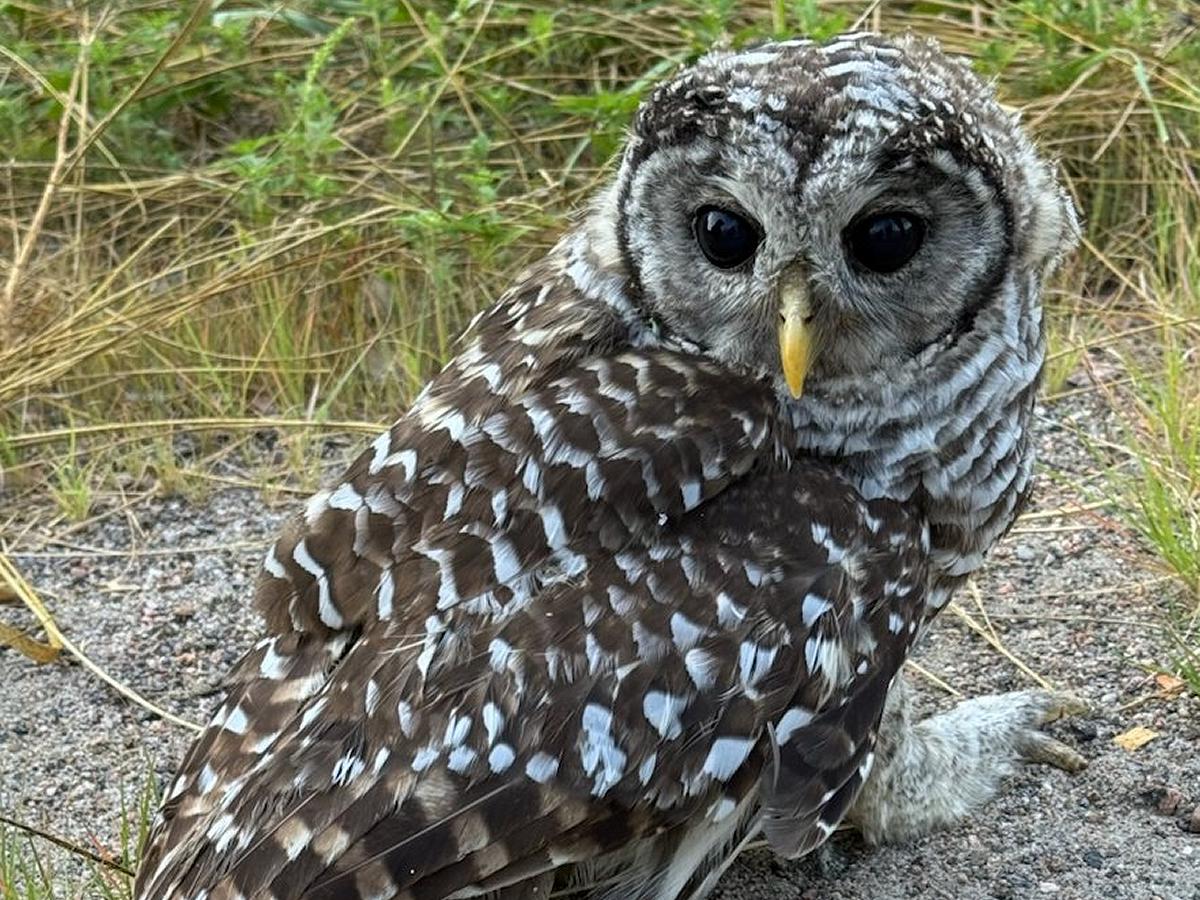
A reliance on rodenticides also facilitates the rebound of infestations. If entry points, food sources, and shelter remain available, new rodents can continue to move in, creating a cycle of repeated poisoning rather than prevention.
Knott encourages people to stop using rodenticides.
“It breaks the circle of life we all depend on,” he says.
Humane preventative measures are available, which focus on the long term by keeping rodents out, removing attractants, and using non-chemical methods when intervention is necessary.
In some cases, traps may be temporarily required if rodents have made it indoors and present an immediate threat. However, companies that provide humane solutions use one-way doors to clear and permanently seal the structure. Glue traps, on the other hand, cause prolonged suffering and may also capture non-target wildlife and companion animals.
A transition to chemical-free solutions to pest management can be achieved with relative ease.
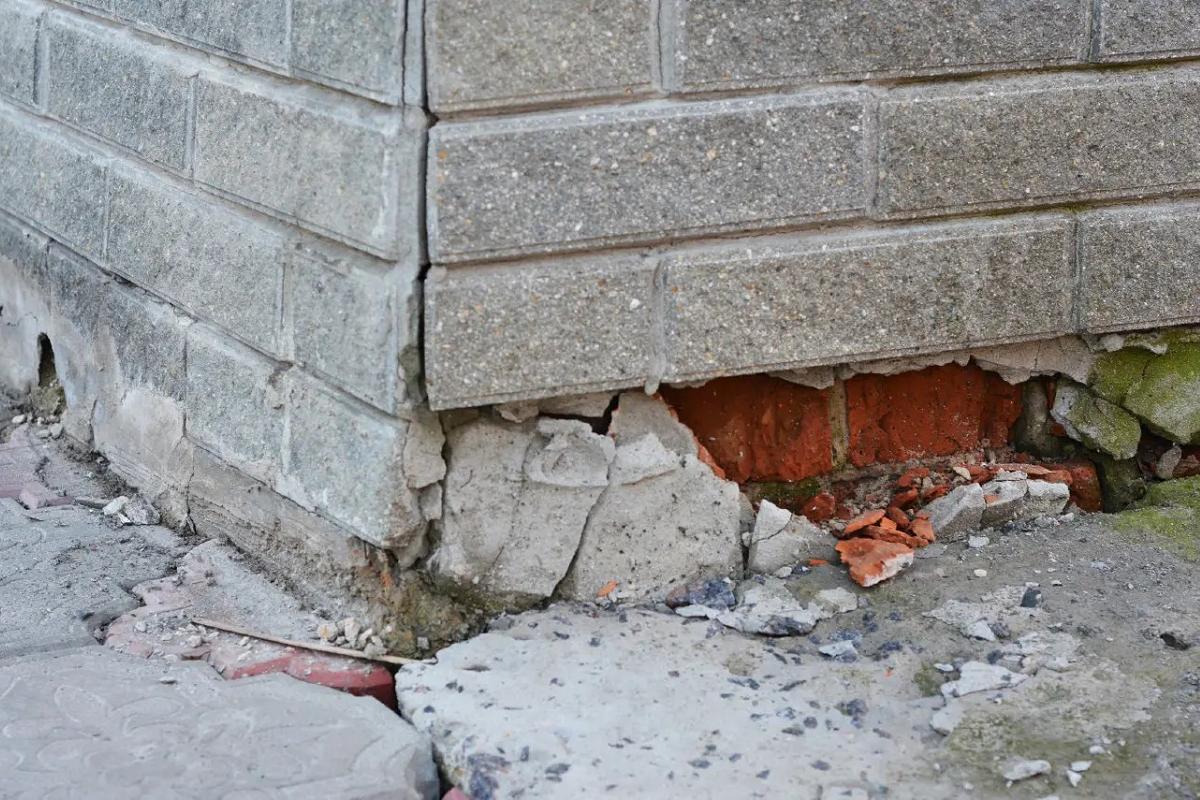
Food and other resources that attract rodents must be secured or eliminated, while addressing any active or potential access points in a structure is an essential first step, including:
- Identify and seal any entry points on the exterior of a home or business (bBonus: the building will become more energy efficient).
- Trim branches near the structure to avoid providing roof access.
- Remove food and garbage attractants:
- Rinse recyclables, and keep garbage in a sealed container (not just a garbage bag).
- Keep barbecues and fire pits clean and free from food scraps.
- Do not leave human or animal food outside (including pet food, bird food, and deer food).
- Remove fruit from trees and shrubs as quickly as possible.
By preventing rodent problems before they begin, homeowners, wildlife, and the broader environment will benefit. If intervention becomes necessary, humane companies can be hired to help. In the meantime, sharing information with friends and family about the dangers of rodenticides will go a long way toward discouraging their use.
“Every life is connected. To care for the land is to care for all our relatives,” Knott says.
Rodenticide Free Ontario is a Defend Them All initiative that supports research, education, and advocacy on the documented harms of rodenticides to wildlife, companion animals, ecosystems, and human health while promoting humane, chemical-free alternatives. For more information and resources, visit www.rodenticidefree.ca.