




















With forest fires in northwestern Ontario forcing the evacuation of thousands of people from their homes, two sisters have collected donations to show affected communities that Hiawatha First Nation has their back.
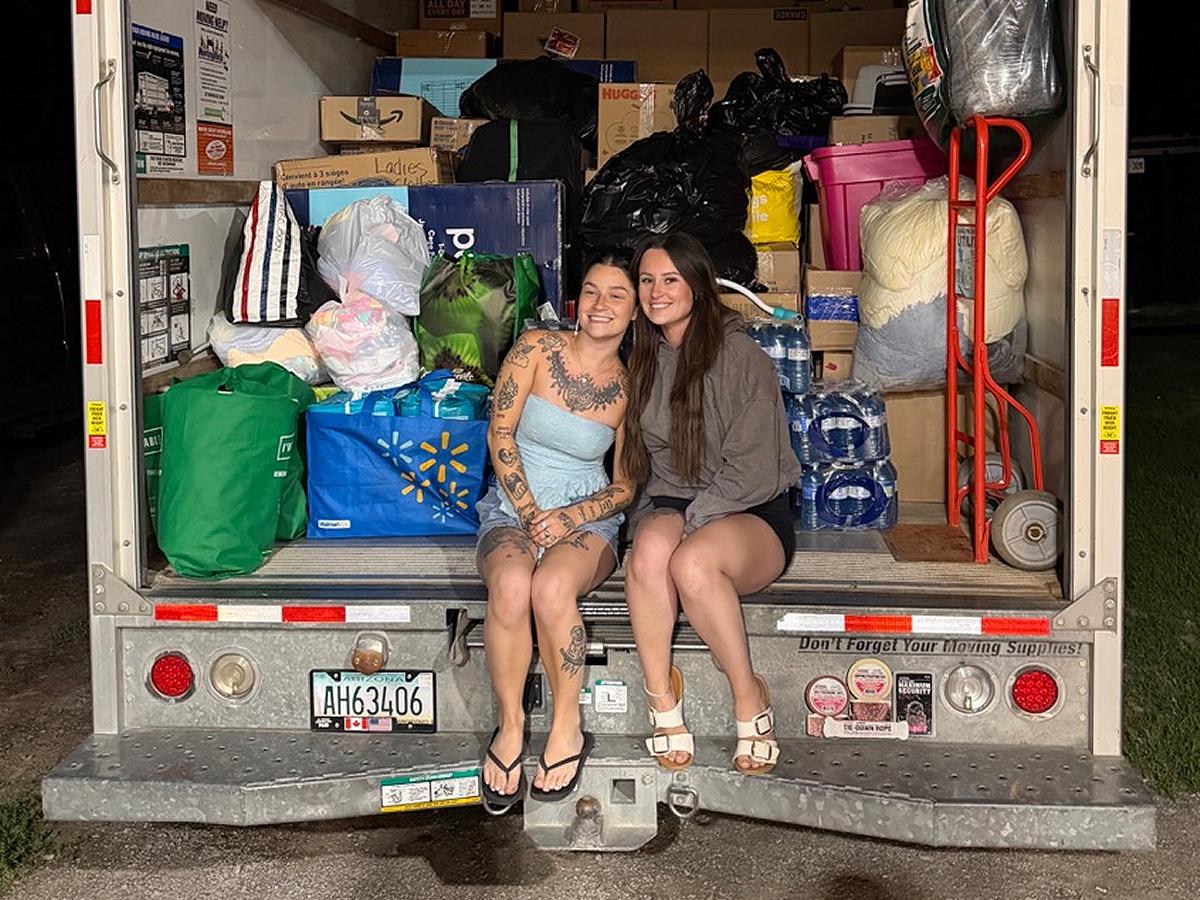
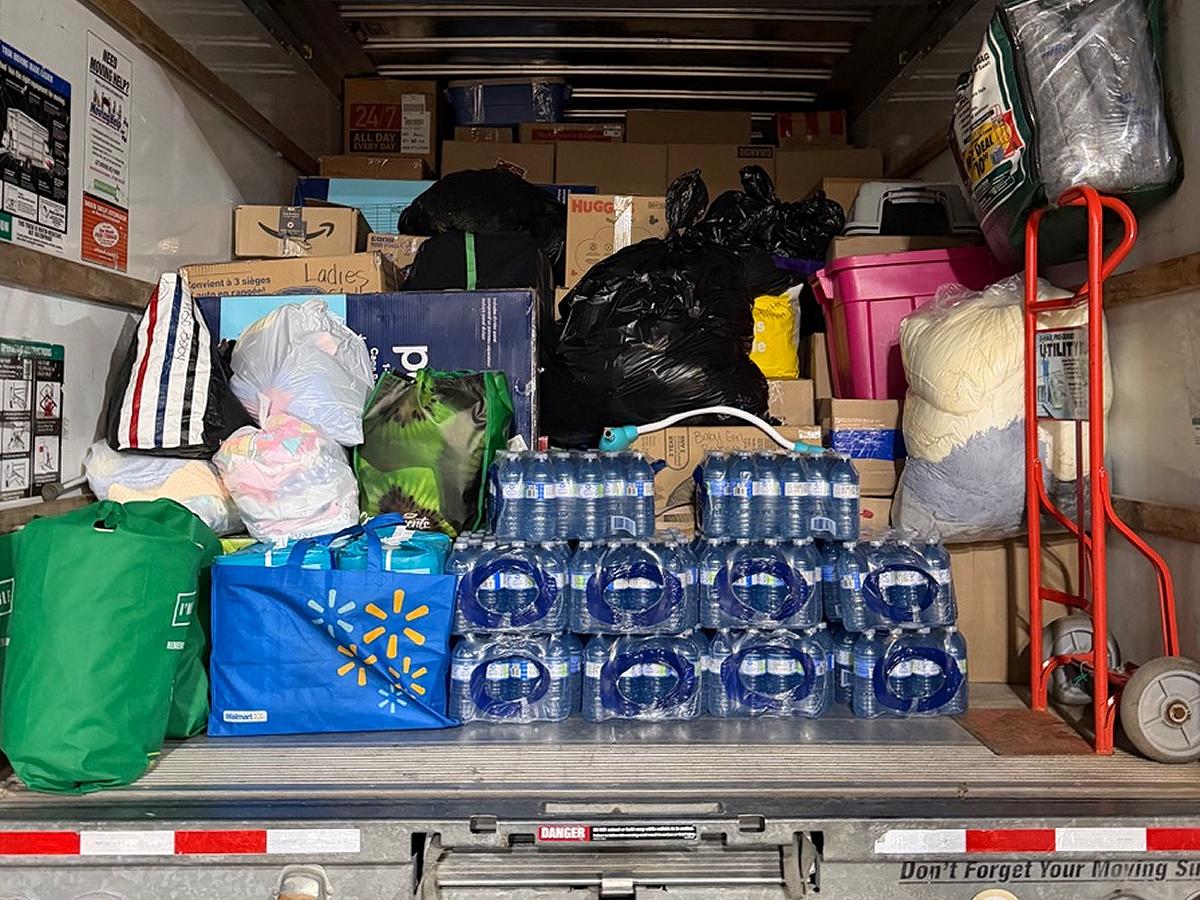
On Monday (July 20), Bree Paudash drove to Tyendinaga to deliver a truckful of donations that she and her sister Chloe collected from neighbours, friends, business owners, and strangers.
The items were given to a wildfire relief donation drive being held by First Nations Technical Institute (FNTI) and Honouring Indigenous Peoples (HIP), to be delivered to individuals and families displaced by the forest fires.
“Being Indigenous, devastating loss and everything like that is just genetically embedded in us, so when you see a fellow Nation of any sort struggle like that, I think it comes as a firsthand emotion almost — it’s natural,” Bree says. “And not just for the First Nation communities that are being affected by this, but even all the remote communities up there who are also having to evacuate.”
They suggest it also hit close to home for them given that, in early March this year, their own father lost his home and belongings in a house fire.
As the wildland fires continue to burn, several communities — including some fly-in communities — have been under mandatory evacuation orders, including First Nations communities like Whitesand, Namaygoosisagagun (Collins), Eabametoong, and many more.
As the Paudash sisters watched it all from their phone screens, they say they felt “helpless” and looked for ways they could do more.
When they learned about the TFNI collection drive, they began sorting through their own clothes for items they could donate and also purchased pet supplies.
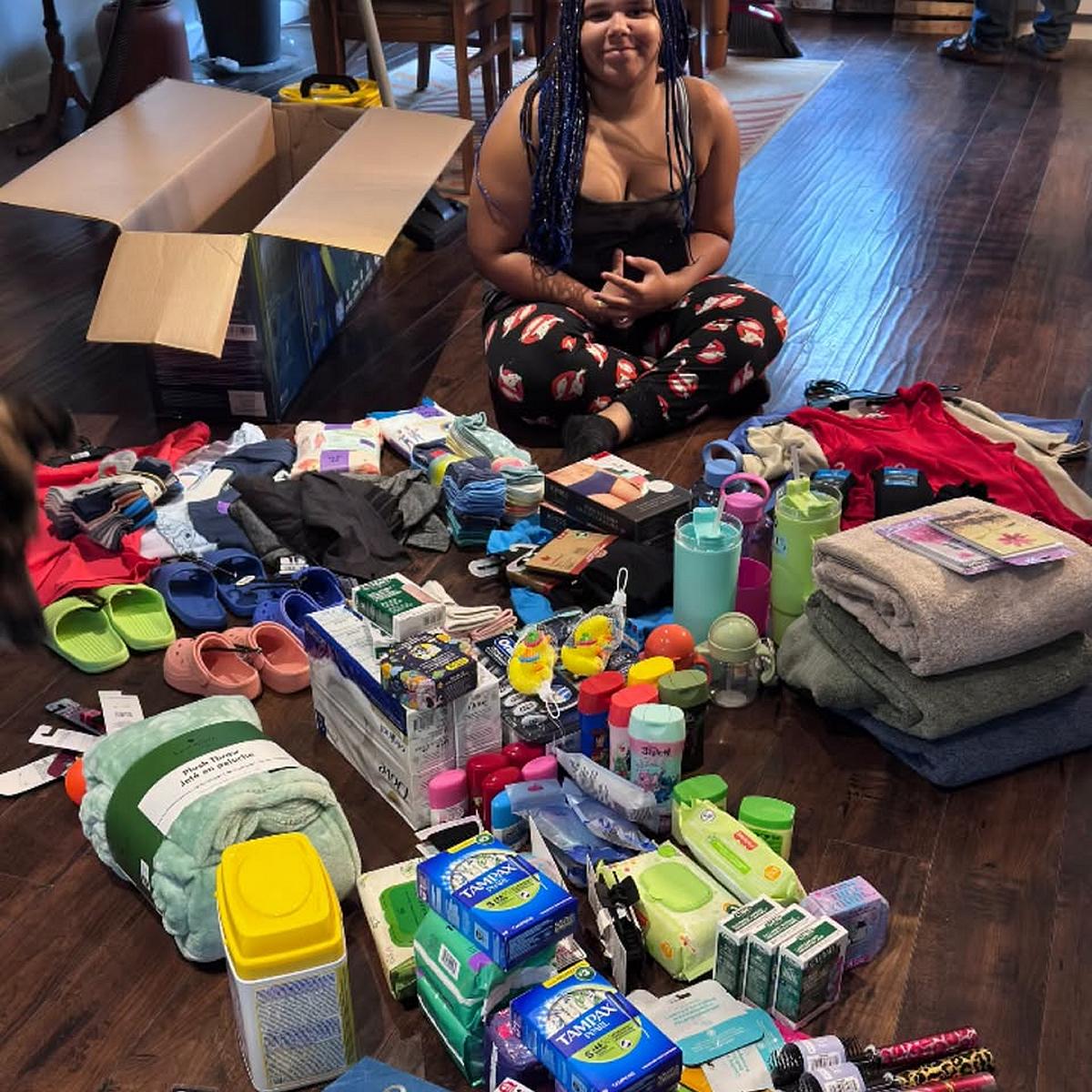
Since Bree lives near Havelock, closer to the Tyendinaga drop-off location, they put a call out on Facebook to see if any other members of Hiawatha First Nation and surrounding communities were interested in donating clothes, shoes, toiletries, hygiene products, gift cards, and other much-needed items.
“Hiawatha is such a small community, and everybody’s watched me and Chloe grow up our entire lives, so I think when I made the Facebook post, everybody just swarmed to it,” says Bree. “It definitely snowballed very quickly.”
Trina Edwards, a proud Hiawatha First Nation member and owner of Last Crumb Kitchen, was one of the donors. She and her 14-year-old daughter Marley Williams went out to purchase clothing, shoes, toys, books, toiletries, and more to give the drive.
“These are northern reserves that don’t even have roads. They just have to go in on boats,” she says. “They were jumping in boats and that fire was right behind them. That’s how scary that was.”
“They have supported my business down there (in Hiawatha), so I needed to support doing this for another community. It’s just everybody coming together, donating what they can. All reserves are different. Not one is alike, but we all come together as one in the end.”
Bree’s business Bee Kleen made donations, the Hiawatha Powwow Committee donated several boxes of T-shirts and sweaters of various sizes, and much of the rest of the donated items came from individual donors and neighbours. The sisters say they didn’t expect to get so many donations that they would have to rent a 15-foot U-Haul to transport them.
Joined by their father, Chloe and Bree spent a weekend picking up donations, sorting through the boxes, and labelling them before making the trip to the drop-off location.
“I’m so proud of them,” says Edwards. “These two young Indigenous women have just taken the reins, and they decided this is what they were going to do, and they put it out there.”
For their part, the Paudash sisters hope it gives the communities devastated by wildfires a “sense of relief” and shows them they’re not alone.
“I think rallying together and acting as one Nation has always been our way of life, our way of being,” Bree says. “It comes so naturally I think to every Indigenous person. I hope they know that all of their relatives all over Turtle Island are flocking to them in every way that they can.”
As of Thursday (July 23), there are 145 active wildland fires burning in northwestern Ontario, with 41 not under control.
In addition, there are 40 active wildland farms in the northeastern Ontario.
According to an update posted on Facebook on Wednesday by Ontario minister of emergency preparedness and response Jill Dunlop, 2,861 people have been evacuated from 13 communities and art staying in eight official host communities.