



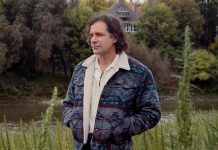




Camp Kawartha is an active member of GreenUP’s Green Economy Peterborough (GEP) network which supports businesses’ sustainable practices. Rebekkah Hyams, GEP program coordinator, recently took a tour of the camp with executive director Jacob Rodenburg to talk about the relationship between the environment and the structures within it, and how that contributes to raising the next generation of climate champions.
Jacob Rodenburg says a connection to nature is critical for a healthy future. Following recent decisions — such as that of the Toronto District School Board to close five of its seven outdoor education centres — the executive director of Camp Kawartha is more determined than ever to make the case for outdoor learning any way he can, including through the camp’s own buildings.
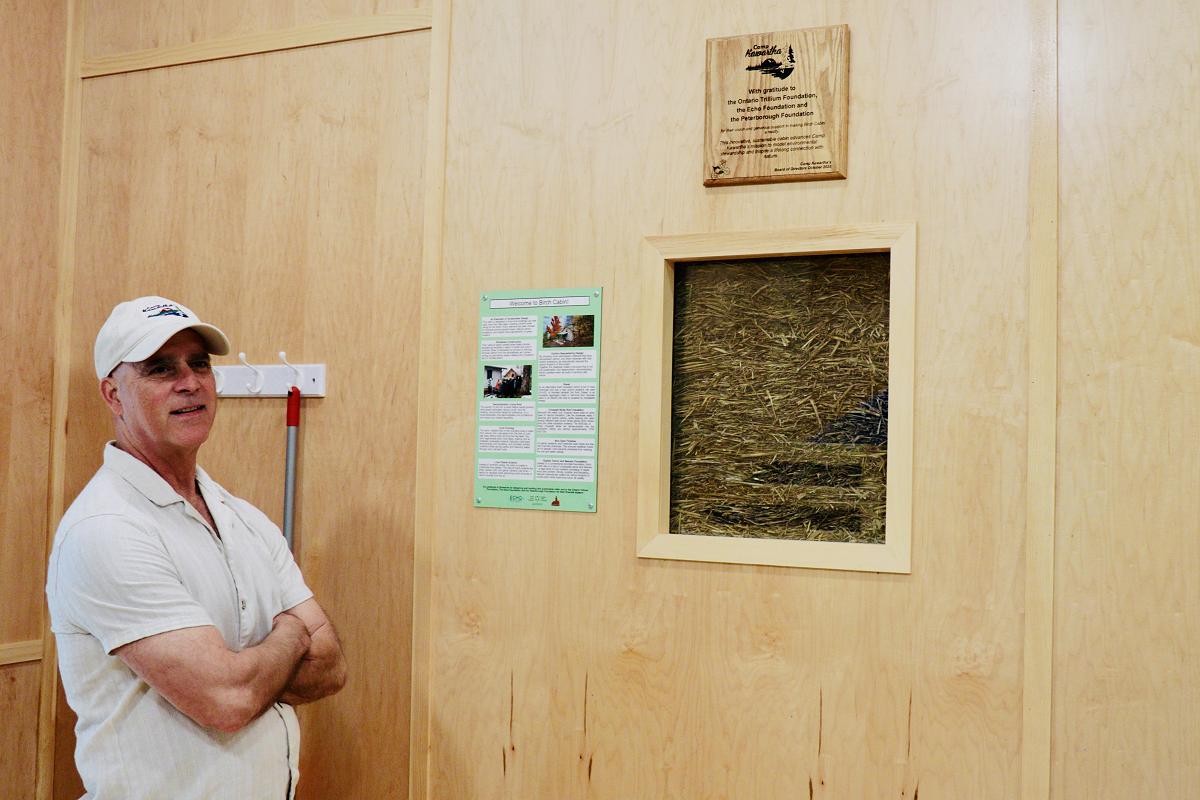
At Camp Kawartha, the answer to how one might occupy spaces more sustainably is built in. Like multiple structures throughout the grounds, the main office from which Rodenburg works is held up entirely with straw bale walls, constructed in 2006 during the International Straw Bale Conference hosted by the camp.
Straw is a locally abundant, renewable resource with exceptional insulating properties. As a building material, it can lock carbon away for decades.
“Research has shown that the organic forms of nature actually make you feel better,” Rodenburg says, pointing out the “truth windows” cut into the various walls of several buildings throughout the grounds, revealing the straw insulation underneath.
“We can infuse our built spaces with nature, create living buildings made from natural materials inside and out that are built and used in ways that create more good than harm.”
Empowering children and youth to overcome helplessness in the face of climate change and eco-anxiety can begin with what surrounds them, and through understanding the relationship between the environment and the structures placed within it.
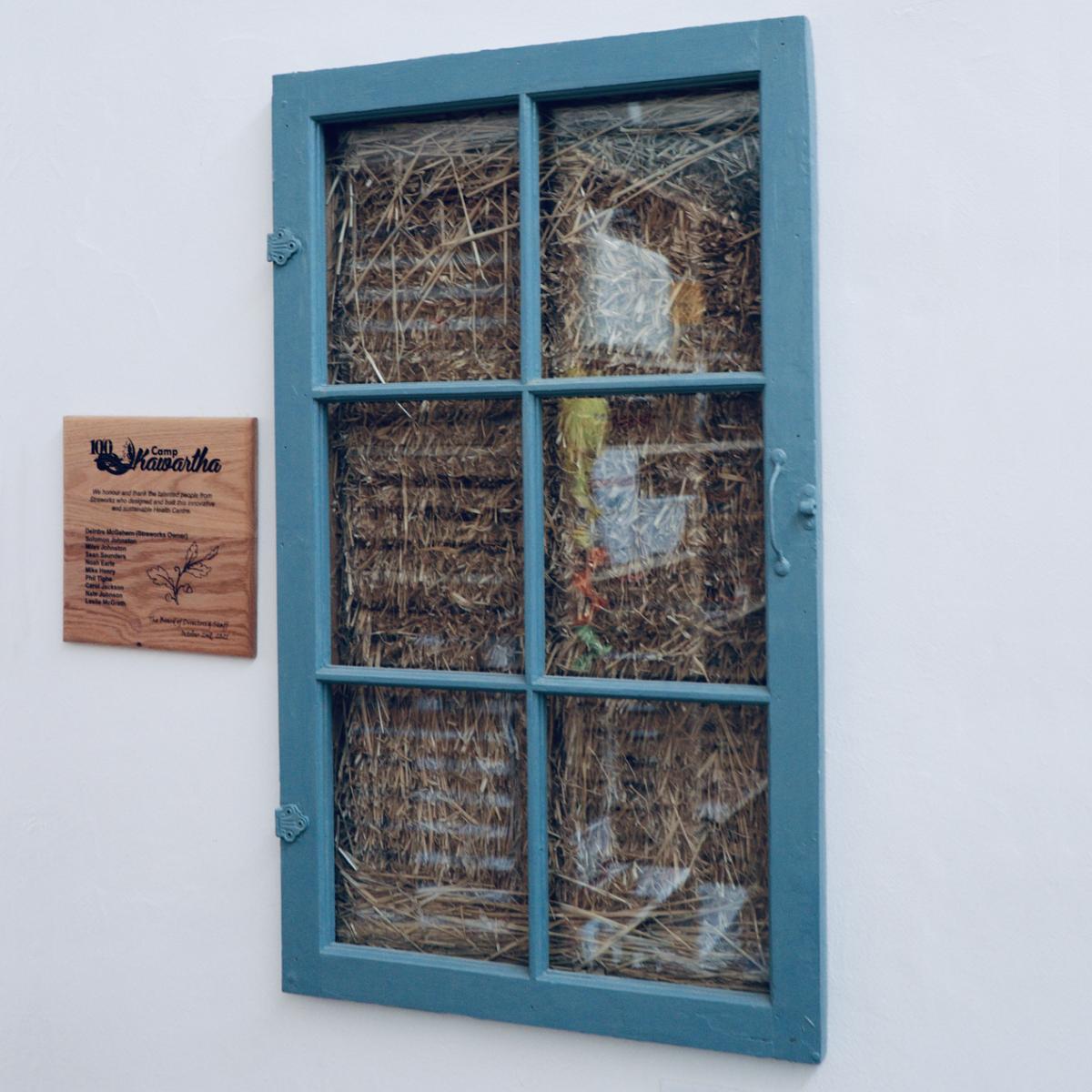
Rodenburg says students often ask “What if all buildings worked like this?” while exploring the camp’s newest sustainable sleeping structure, Birch Cabin. Built with straw bale walls and a roof alive with native plants, the cabin is set on a rubble trench base — a foundation that provides drainage while reducing the need for carbon-heavy concrete.
The structures serve as an example to the camp’s 19,000 annual visitors, who Rodenburg hopes will walk away with a newfound appreciation for sustainable buildings and how the use of natural materials can be healthy for both people and the planet.
In every group that passes through, future architects, builders, planners, and makers are quietly absorbing a different possibility: that the structures we live in can give back to the earth rather than take from it.
None of this, Rodenburg says, is his work alone.
“Everything here happens because of good people — the staff, our board, our donors, and funders — who believe in the same undertaking: raising stewards of the earth.”
Camp Kawartha’s mission now stretches beyond property lines through the Pathway to Stewardship and Kinship project, a community-centred initiative Rodenburg co-created to provide children with age-appropriate, nature-based experiences.
Recognized through the Outstanding Flagship Project Award from United Nations University Institute for the Advanced Study of Sustainability, the Pathway project is grounded in science-based research and Indigenous wisdom.
The resulting 30 “Landmark” experiences serve as a guide to raising eco-conscious and connected children that respect the earth in relationship, rather than as a resource.
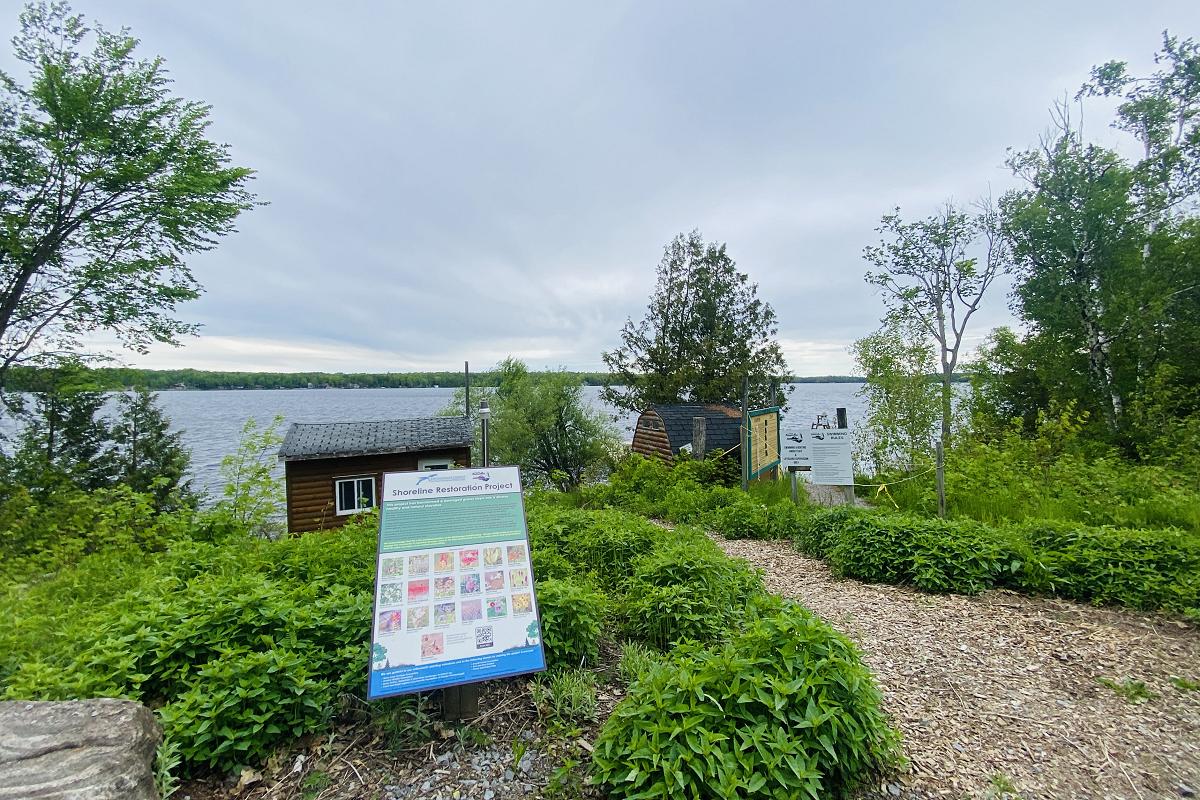
On the horizon for Camp Kawartha is a Centre for Earth Stewardship and Kinship, which Rodenburg hopes will serve as a collaborative hub to support other communities, educators, and organizations in implementing landmark learning.
Camp Kawartha is a member of GreenUP’s Green Economy Peterborough (GEP) program, a network that supports local businesses in sustainable practices. Learn more and sign up for the GEP mailing list at www.greeneconomypeterborough.ca.
For more about Camp Kawartha, visit campkawartha.ca. Learn about the Pathway to Stewardship and Kinship Project at pathwayproject.ca.