

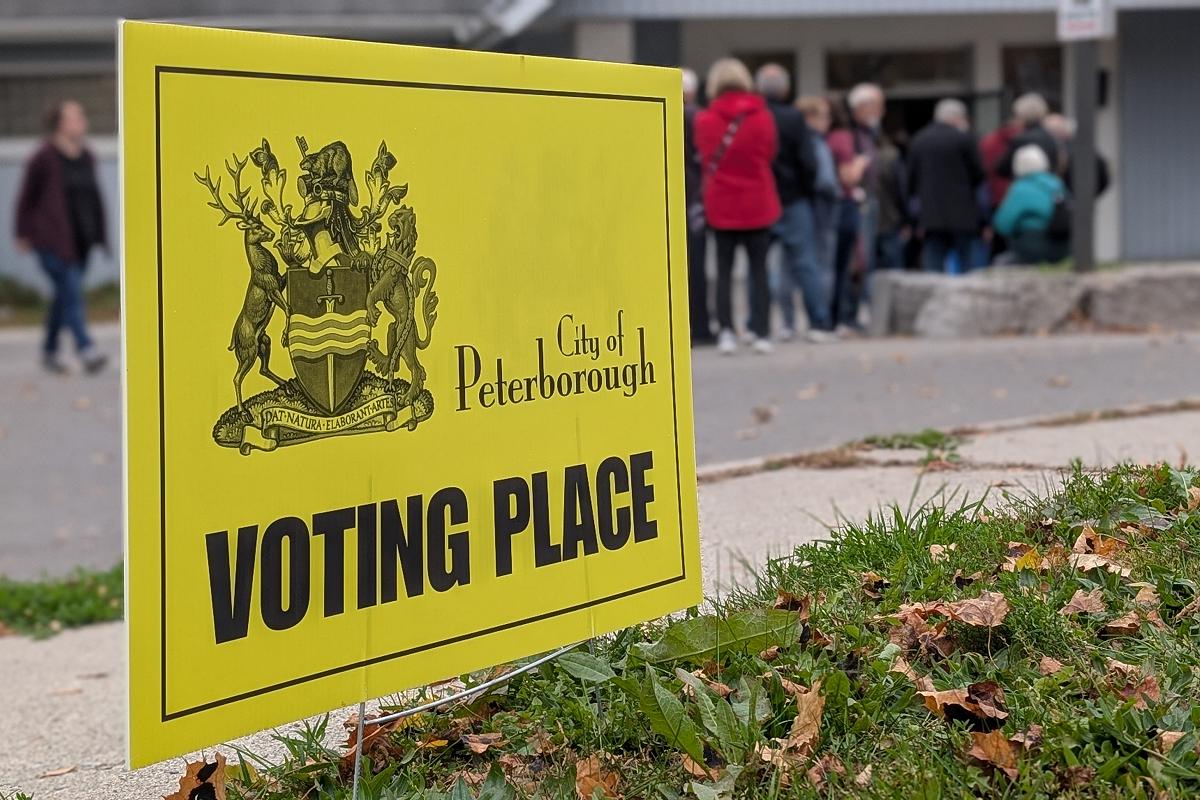


















One of the first challenges facing newly elected members of council in both the city and county of Peterborough is the possibility of a strike by paramedics at the end of the month.
Represented by the Canadian Union of Public Unions (CUPE) Local 4911, paramedics with Peterborough City-County Paramedics (PCCP) will be in a legal strike position on October 31 after receiving a no board report.
“We don’t want to strike, but if we need to, that is one avenue to promote change,” said Jordan Lean, president of CUPE 4911, in an interview with kawarthaNOW.
Wages and mental health benefits at the centre of contract negotiations
The main issues at the bargaining tables are wages, where paramedics are seeking greater parity with other emergency services, and adequate mental health support.
CUPE 4911 members began negotiations in March and, on September 25, 99 per cent of members — 185 of 187 — voted in favour of a strike.
The union was later issued a no board notice, meaning that a board of conciliation will not be appointed. Following this notice, the union is placed in a legal strike position.
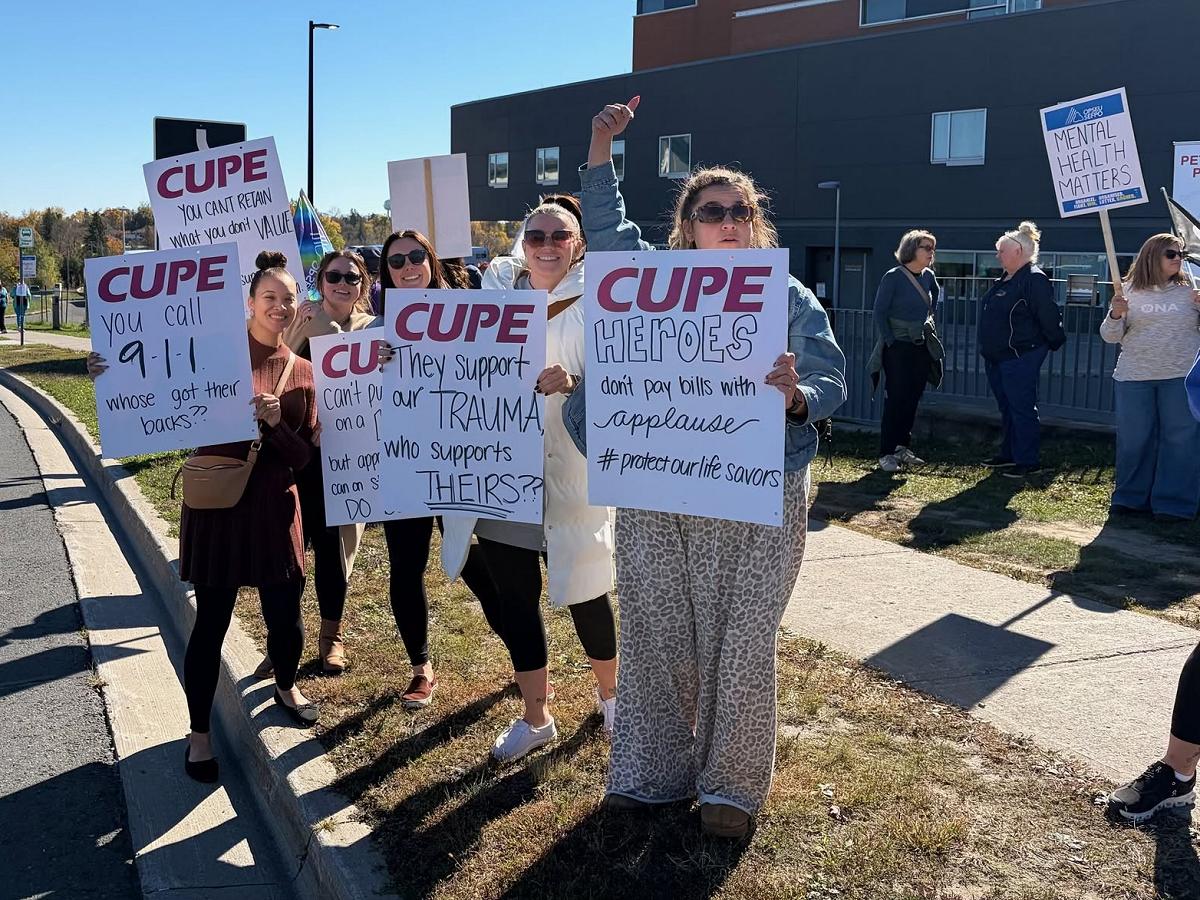
Last Wednesday (October 21), a solidarity rally took place at Peterborough Regional Health Centre (PRHC) that included the four unions representing staff in all departments at PRHC and other local labour and trade unions.
The rally called for a fair deal that supports paramedics, addresses the workforce crisis, and ensures the quality of emergency medical care that residents receive.
Lean said that currently full-time paramedics have $500 of mental health insurance coverage per year and part-time or casual employees receive no support. CUPE estimates that this is equal to three sessions with a psychotherapist.
“As call volumes rise and we’re dealing with more issues on the street level, it’s adding and adding and we’re seeing it break people with PTSD and burnout,” said Lean.
Union links mental health coverage and working conditions to staff retention
Lean said that PCCP typically has between 90 and 100 part-time paramedics on staff and it is important to the union and the full-time staff to advocate for mental health benefits on their behalf.
“The people doing this work see trauma, death, and tragedy as part of their job every shift. That’s true for part-time paramedics who are new on the job as much as for 20-year full-time veterans,” said Lean.
“It makes no sense to tell a part-time paramedic that their mental health is worth less. If we’re serious about keeping people in this profession, we need mental health support for everyone.”
Lean also explained that mental health support and burnout impact recruitment and retention of qualified paramedics.
“We’re trying to get the employer to come up with reasonable incentives to keep people in the seats, keep our experienced paramedics here so we don’t have this loss of road experience,” he said.
Having just received a notice of resignation prior to Wednesday’s rally, Lean said that PCCP has lost 54 paramedics over the past three years, citing increased call volumes, lack of workplace support, and better wages and benefits elsewhere.
Of particular concern is the loss of experienced paramedics and the need to replace them with new recruits and the impact of this on patient care.
“If we can keep experienced medics in the seat, you get someone with 15 to 20 years of caring for people and that experience and it translates into care for the next patient,” explained Lean.
“We’re also starting to see a reduction in the number of qualified applicants and we’re trying to create wage and hiring incentives for when paramedics come out of school,” he added.
Emergency services agreement would set minimum staffing during job action
In addition, CUPE 4911 have reported that workplace injuries increased by 50 per cent between 2024 and 2025, while 14 per cent of full-time paramedics were off due to work injuries in 2025 alone.
“We want a fair agreement that supports the people doing this work, and Peterborough residents deserve a paramedic service that is strong, stable, and there for them when they need it,” Lean said.
If work action takes place, Lean explained that PCCP will still work under an emergency services agreement (ESA) which establishes between the union and the employer the minimum standard of service.
However, Lean said that the public could see a reduction in the number of ambulances on the road as they remove service above the ESA baseline.
“Obviously our goal is avoid that, but even at the even at the best days, we’re at full staffing and we’re still having trouble keeping up with calls. That’s just the nature of 911,” said Lean.
“But our view is it’s a short-term discomfort or pain for the public which would have long-term benefits for them,” he added.
Union calls for more municipal funding as bargaining resumes October 27
The Ontario government funds around half of the budgeted costs for paramedic services, with the remaining half shared between the City of Peterborough at 56.7 per cent and Peterborough County at 43.4 per cent. In 2026, the city’s portion of paramedic expenditures is $7.82 million and the county’s portion is $5.66 million.
Lean said that community members can support CUPE 4911 by advocating to city and county councils for more funding for paramedic services. A prewritten letter to be sent to council members can be found at cupe.ca/PeterboroughParamedics.
CUPE 4911 also points to the funding and wage disparity between emergency services both in the city and the county, where paramedics earn an average of 20 per cent less than police or fire services.
“We’re trying to improve that disparity to stop the bleed of paramedic into police and fire jobs and keep them here,” said Lean.
“It’s also about equality among the three 911 services. We all show up to the same calls at the end of the day. The pay should be fairly close between each of those three professions.”
Representatives from CUPE 4911 and PCCP will return to the bargaining table on October 27.
“We’re here and all of our efforts are focused on getting a deal done at the table through collective bargaining with the employer and avoiding any strike action at all if possible,” Lean said.