
















The new mayor of the Township of Minden Hills in Haliburton County has already followed through on her campaign promise to delegate strong mayor powers wherever possible and work collaboratively and democratically with council.
Tammy McKelvey won the 2026 mayoral election in Minden Hills with 1,698 votes, finishing ahead of longtime Ward 2 councillor Pam Sayne by 517 votes, incumbent mayor Bob Carter by 889 votes, and first-time candidate Pat Kitcheman by 1,106 votes.
“I said I would in my campaign, I said I would at my inaugural, I did it the next day,” McKelvey told kawarthaNOW of her decision to delegate strong mayor powers. “We will move on as a collective council.”
McKelvey’s opposition to strong mayor powers predates her mayoral campaign
McKelvey, who served as councillor at large in the previous term, has been outspoken in her opposition to the Ontario government’s 2025 decision to expand strong mayor powers to include communities such as Minden Hills.
“When the township amendment bill was put into the strong mayor power legislation, I was totally against that,” she said. “I don’t feel it’s democratic in any way. I’ve always been opposed to the legislation.”
In May 2025, McKelvey voiced her opposition to strong mayor powers at a council meeting, describing them as “very undemocratic” and “just craziness.” McKelvey’s comments were met with support from Sayne as well as deputy mayor Lisa Schell and Ward 1 councillor Shirley Johannessen.
At that time, council voted 6-1 on a resolution to ask the province to remove Minden Hills from the expansion of powers, with then-mayor Carter being the sole vote against the resolution.
Throughout her mayoral campaign, McKelvey was clear that she would not use strong mayor powers if elected, but instead would delegate powers back to council wherever possible.
“I will be a strong Mayor, without Strong Mayor Powers, encouraging a collaborative approach to decision-making with all of Council,” she said in a statement to kawarthaNOW during her campaign. “Council working together ensures the best decisions in the interest of the taxpayers.”
Provincial expansion brought strong mayor powers to Minden Hills in 2025
Strong mayor powers, which were first introduced for large urban communities such as Toronto and Ottawa in 2022, were expanded in 2023 to include mid-sized communities such as Peterborough and the City of Kawartha Lakes. The legislation was further expanded in 2025 to include 169 additional municipalities. Alongside Minden Hills, the expansion also included the Municipality of Dysart et al in Haliburton County.
Strong mayor powers allow heads of council of provincially designated municipalities with councils having six members or more to support shared provincial-municipal priorities, such as encouraging the approval of new housing and constructing and maintaining infrastructure to support housing, including roads and transit.
The two smaller municipalities in Haliburton County — the Township of Algonquin Highlands and the Municipality of Highlands East — have not been granted strong mayor powers as they have councils of only five members each.
Among other powers, mayors can propose certain municipal by-laws if they believe that the by-laws could potentially advance a provincial priority identified in regulation. Council can then pass those by-laws if more than one-third of all council members vote in favour — a departure from the usual majority vote required to pass a by-law.
In Minden Hills, former mayor Carter used his strong mayor powers when he vetoed a number of amendments presented by council to the 2026 budget.
Budget rules give mayors responsibility for presenting proposals and responding to amendments
Ontario Regulation 530/22 under the Municipal Act states that the head of council of any municipality designated to have strong mayor powers is responsible for presenting a budget to council and the public by February 1. If a mayor does not present a budget by February 1, it becomes council’s responsibility to provide and adopt a budget.
A mayor can take different approaches to developing the budget by February 1. In some cases, the mayor will direct municipal staff to develop a proposed budget and then present the budget to council for consideration and possible amendments. In other cases, the mayor will work with staff and council throughout the process of developing the budget before presenting the final proposed budget to council.
In either case, after a budget is formally presented to council as the mayor’s budget, council has 30 days to propose any amendments to the budget. If there are no amendments within the 30-day period, the budget is considered adopted.
If there are proposed amendments, the mayor can choose to accept them or veto them, with council having the ability to override a mayor’s veto with a two-thirds vote (with the mayor also voting). Through a majority vote, council can also choose to shorten or eliminate the 30-day amendment period after the mayor’s budget is presented.
McKelvey plans council-led budget deliberations with infrastructure among her priorities
McKelvey, who worked in municipal offices as a chief administrative officer (CAO), treasurer, and CAO-clerk for over 30 years, said that she will have municipal staff prepare the initial draft budget.
“We’re going to try something a little different,” she said. “Staff will be presenting a draft budget to council where we can deliberate and review it (and) make decisions. Then once that’s finished, I will present it as the mayor’s budget.”
McKelvey told kawarthaNOW that, going into the budget process, her financial priority is to better allocate tax revenue to capital infrastructure investments such as roads and wastewater treatment.
“Finances are tough, there’s no doubt about it,” she said. “Our infrastructure is really struggling here. We need to try to keep service levels where they are and tax increases to a minimum.”
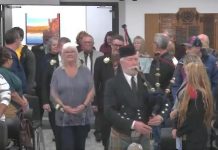
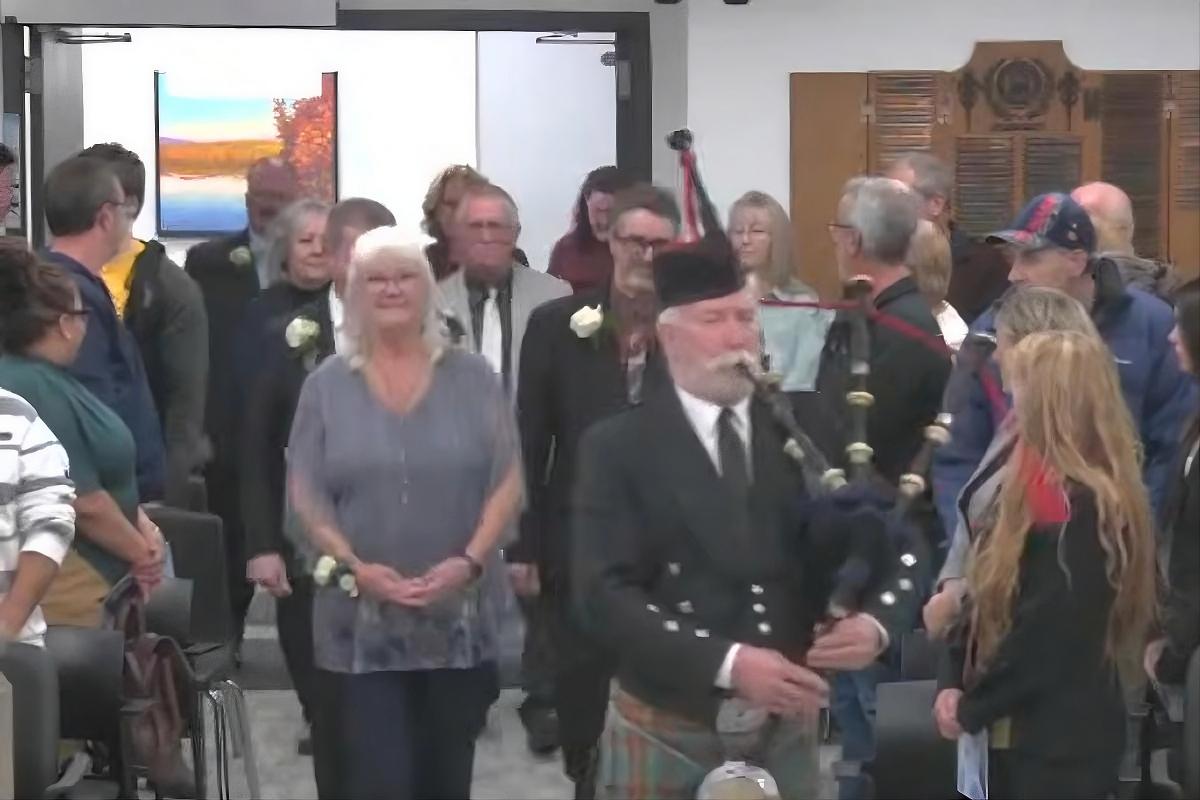
Minden Hills council held its inaugural council meeting on November 16 and its first regular council meeting on Thursday (November 26).