


















Whether it’s maintaining local roads, managing water and wastewater, funding emergency services, or providing social services and recreational opportunities, municipal governments are responsible for many of the things that we often take for granted.
According to municipal staff and elected officials in the City of Kawartha Lakes and City and County of Peterborough, that’s exactly why you should make your voice heard by voting in the October 26 municipal election.
“Municipal elections have the greatest effect on the things that many residents use every day, like water, roads, waste collection, parks, arenas, and social assistance,” says Joel Watts, Deputy Clerk for the City of Kawartha Lakes.
“Local government also has a huge role in funding emergency services, including fire, paramedic, and police services. These are services that many don’t use every day, but are extremely grateful for in times of need. ”
“Voting in municipal elections gives you a voice at the council level. You can make sure your community representatives are making key policy and budget decisions on how these services are offered.”
Outgoing Township of Otonabee-South Monaghan Mayor Joe Taylor compares elected officials to the board of a large corporation, with the corporation being the municipality they represent.
“Elected officials are going to decide how your property tax dollars are spent, and our property tax dollars are a significant expense to every household now,” Taylor says.
“It’s really important that folks understand that and try to educate themselves about candidates and where they position themselves on various issues, so they can then make an educated decision on who they think is best suited to run their municipality.”
In Ontario, municipal elections are held every four years on the fourth Monday in October to allow voters to elect municipal councillors and school board trustees. After this year’s election, elected officials will be in office from November 15, 2026 through November 14, 2030.
How Ontario municipalities are structured
Ontario is comprised of both single-tier municipalities responsible for all local services within their jurisdiction, and a two-tier system where upper- and lower-tier municipalities work together to provide services for their communities.
For example, the City of Kawartha Lakes and the City of Peterborough are both single-tier municipalities.
In the two-tier system, responsibilities are split between upper-tier and lower-tier municipalities. An upper-tier municipality is a regional government made up of two or more lower-tier municipalities.
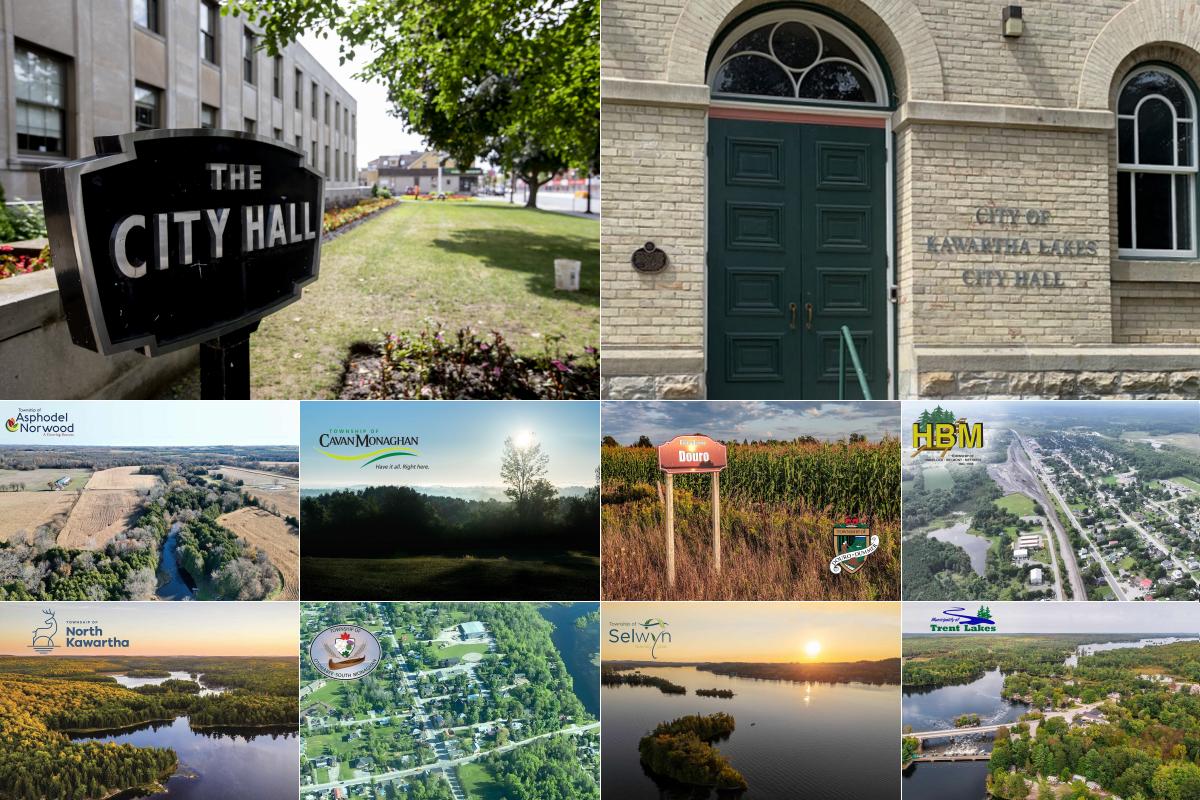
For example, Peterborough County is an upper-tier municipality representing eight lower-tier municipalities: Township of Asphodel-Norwood, Township of Cavan Monaghan, Township of Douro-Dummer, Township of Havelock-Belmont-Methuen, Township of North Kawartha, Township of Otonabee-South Monaghan, Township of Selwyn, and Municipality of Trent Lakes.
Each of the eight townships is responsible for its own local services, such as waste pickup and landfills, maintenance of township roads, libraries and recreational centres, and other key areas.
As an upper-tier municipality, Peterborough County is responsible for services shared by lower-tier municipalities, such as paramedic services, maintenance of county roads, economic development and tourism, and partnered services like public health and municipal long-term care.
To ensure Peterborough County reflects the needs of lower-tier municipalities, the county is governed by a council consisting of the elected mayors and deputy mayors of each of the eight townships, headed by a warden elected for a two-year term by members of county council.
Who can vote in the municipal election?
To be eligible to vote in the municipal election, you must be a Canadian citizen who is 18 years of age or older on Election Day, qualified to vote in a municipality, and not prohibited from voting under any law.
There are three ways you can qualify to vote in a municipality: as a resident elector, as a non-resident elector, or as a spouse of a resident or non-resident elector.
A resident elector is someone who lives in a municipality and owns property, rents property, lives in shared accommodation where they do not pay rent, or lives in the municipality but does not have a fixed address.
A non-resident elector is someone who owns or rents property in a municipality, but it’s not the one where they live. They are allowed to vote in any municipality where they own or rent property, and their spouses also have the same voting rights.
Non-resident electors include the seasonal residents who make up a large percentage of the population of some of the municipalities in Peterborough County and communities in the City of Kawartha Lakes.
“Many people who own a seasonal residence don’t realize they can be eligible to vote both at their personal residence and at the cottage,” says Sherry Senis, outgoing Mayor of Selwyn Township and Deputy Warden of Peterborough County. “You pay taxes at both, and it is important that your voice counts so exercise your right and vote.”
“Seasonal residents add so much to our communities, so they are an important part of the electorate,” adds Watts. “Voting in a municipal election where you own a seasonal property, like a cottage, means you can have a voice on the issues that impact you.”
Students, too, may be eligible to vote in two municipalities. As long as they consider “home” to be the place they return when they are not in school, they can vote in both their home municipality and in the municipality in which they live during the school year.
Low youth voter turnout remains a consistent trend during election time, with newer generations of youth voting less than previous generations. In the 2025 federal election, voter turnout was the lowest for youth ages 18 to 24 years old at just 56 per cent. It’s a learned habit, so if a person votes in their first election after they turn 18, they are more likely to become a lifelong voter. Those who don’t are unlikely to pick up the habit later in life.
Find out about the candidates before you vote
As a whole, municipal elections see fewer voters in comparison to federal or provincial elections. The average voter turnout during the 2022 municipal election was at a record-low 32.9 per cent — that’s less than one third of eligible voters.
One possible reason for the lower voter turnout in municipal elections is the perception of residents that it is difficult to learn about the positions of individual candidates, especially since there are no political parties to guide voters as in provincial and federal elections.
However, as Taylor points out, it’s not that difficult to find out where candidates stand on important issues.
“Most candidates have websites or hand out brochures that include contact information, so pick up the phone,” he suggests. “If there are all-candidates debates or meetings of some sort, attend one.”
“It’s not hard to do and it doesn’t take a lot of time, but it can pay dividends in so far as you may end up getting the council you want. They say people tend to get the government they deserve, so if you make smart decisions, you’ll get a good council.”
“The local media may provide background information and platforms of candidates,” adds Senis. “You may get lucky and have a candidate knock at your door. If they do, ask them about their platform. Reach out to candidates by email or call them with your questions. If you don’t get a reply, that is a clear indication of the kind of service they won’t provide if they are elected.”
Don’t forget about school board trustees
The same research can be done for the candidates for school board trustees, who will also be elected on October 26.
Voting for a trustee ensures your voice is heard at the school board level, which is especially important for residents with school-age children.
While new provincial legislation is reducing the role of the trustees, they are responsible for developing policies and allocating resources to set the vision for the school board.
“With many province-wide changes to the role of a school board trustee, doing extra research on this role and the candidates for this office is extremely important,” says Watts.
“Even though you may not have children in school, it’s still important to make an informed decision because they will steward your tax dollars in the schools that are often at the heart of our local communities.”
How to vote in the City of Kawartha Lakes
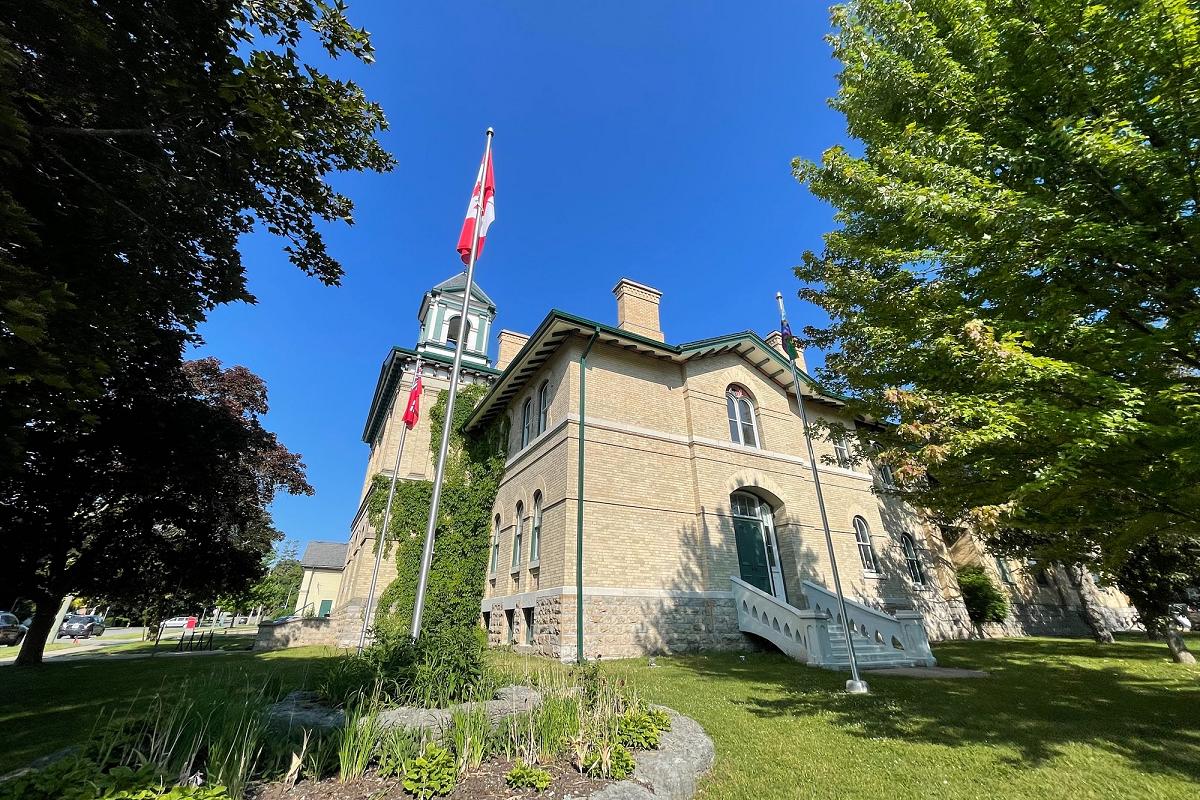
To vote in the City of Kawartha Lakes, contact the municipality to ensure you are on the voters’ list and that your address is up to date.
When your voting PIN letter arrives in the mail by early October, use the PIN number to access the voting system.
If you did not receive a voting PIN letter in the mail by October 12, you will be able to obtain it from the Election Office at City Hall in Lindsay or at any Municipal Service Centre in Kawartha Lakes.
Voting can be done over the phone, through the internet, or in-person at City Hall, Municipal Service Centres, or select Kawartha Lakes Library branches during regular hours. Voting opens on Friday, October 16 at 9 a.m. and closes on Monday, October 26 at 8 p.m.
“We do recommend voting early during the voting period to avoid any potential delays on Election Day,” says Watts. “If you run into any difficulty early in the voting period, you will still have lots of time to visit City Hall, a Municipal Service Centre, or select libraries to receive in-person voting assistance.”
To learn more and find in-person voting locations, visit www.kawarthalakes.ca/vote
How to vote in the City of Peterborough
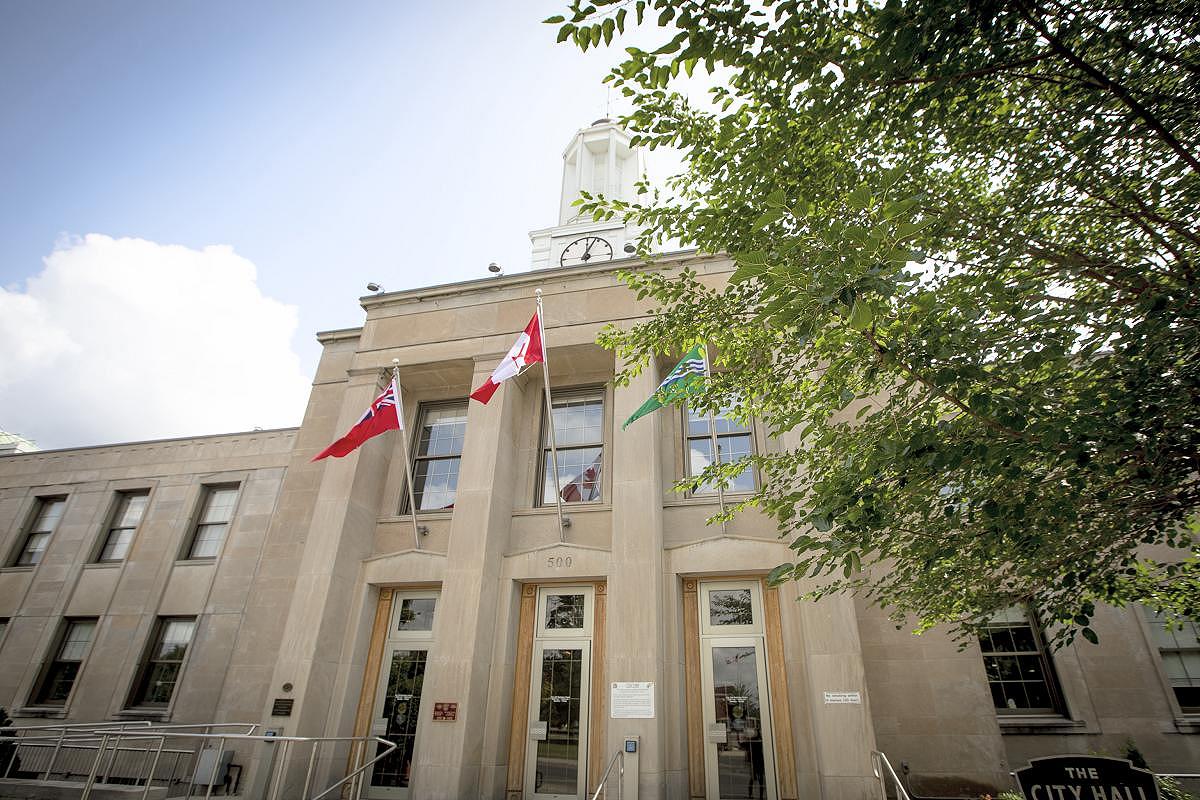
To vote in the City of Peterborough, contact the municipality to ensure you are on the voters’ list and that your address is up to date.
Residents and property owners in the City of Peterborough will receive voter notification cards by early October, which will describe internet voting information and in-person voting options. The card can be used to receive free public transit to in-person voting location.
Online voting begins on Monday, October 5. Advance in-person voting takes place on Wednesday, October 14 from 10 a.m. to 8 p.m. at Healthy Planet Arena, while accessible in-person voting equipment will be available at City Hall from Monday, October 19 to Friday, October 23 from 9 a.m. to 4 p.m.
On Election Day, votes must cast their ballot in person at the specified voting station for the ward in which they reside: Healthy Planet Arena for Ward 1 (Otonabee), Westdale United Church for Ward 2 (Monaghan), McDonnel Street Community Centre for Ward 3 (Town), Peterborough Lions Community Centre for Ward 4 (Ashburnham), and Northview Community Church for Ward 5 (Northcrest).
To learn more, visit www.peterborough.ca/vote.
How to vote throughout Peterborough County
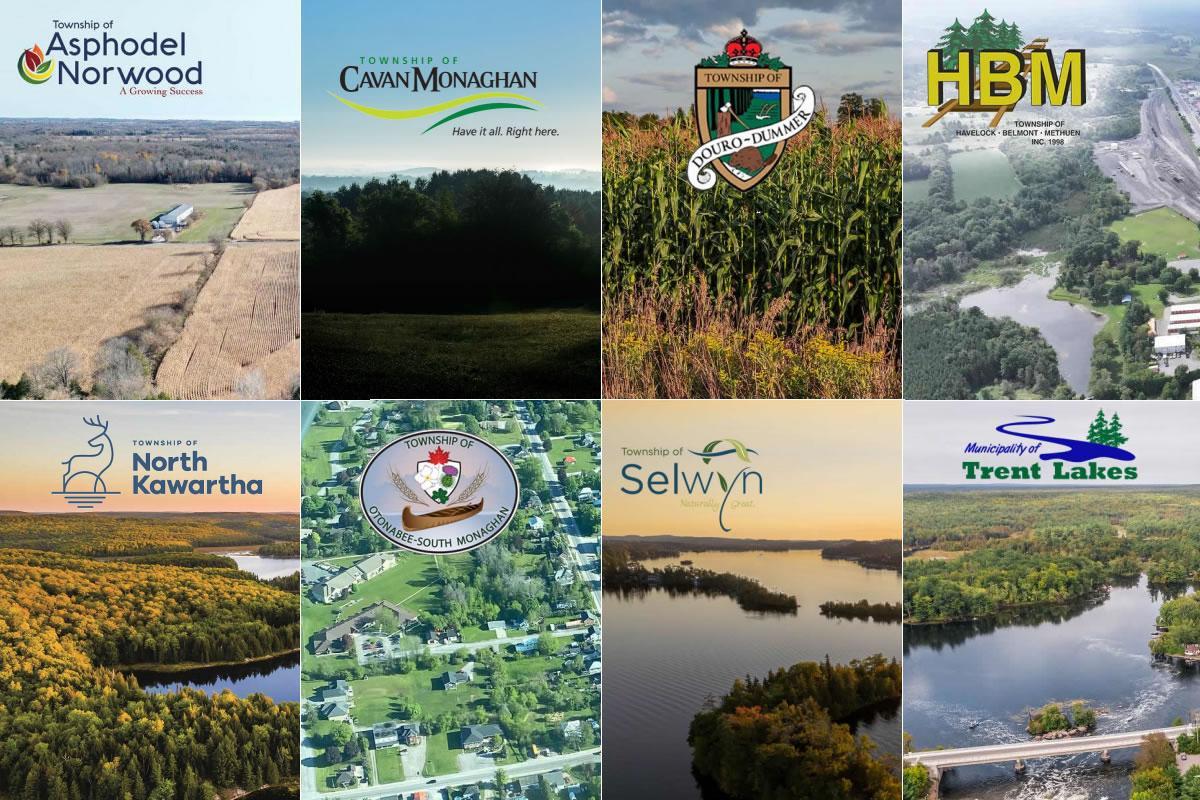
To vote in Peterborough County, contact your municipality to ensure you are on the voters’ list and that your address is up to date.
Each of the eight lower-tier municipalities in Peterborough County will offer internet and phone voting and some municipalities will have in-person voting. All eight municipalities will have in-person help desks at their municipal offices. Eligible electors will receive their personalized voter information letter in advance of the voting period.
In most of the eight municipalities, voters can cast their ballot by telephone or the internet using a computer, mobile device, or tablet, anytime and from anywhere between the advance voting period beginning on Tuesday, October 13 at 10 a.m. to Election Day at 8 p.m.
In the Township of Asphodel Norwood, online and internet voting will only take place until Friday, October 23.
Visit your local municipality’s election webpage (links below) for information about voter registration, voting methods, important dates, candidates, voting locations, and everything else you need to know about the election in your municipality.
- Township of Asphodel-Norwood
- Township of Cavan Monaghan
- Township of Douro-Dummer
- Township of Havelock-Belmont-Methuen
- Township of North Kawartha
- Township of Otonabee-South Monaghan
- Township of Selwyn
- Municipality of Trent Lakes
VIDEO: Electronic Voting in Ontario Municipal Elections
This branded editorial was created in partnership with the Peterborough County Clerks and Treasurers Association (now the Kawartha Municipal Administrators Association). If your organization or business is interested in a branded editorial, contact us.