





















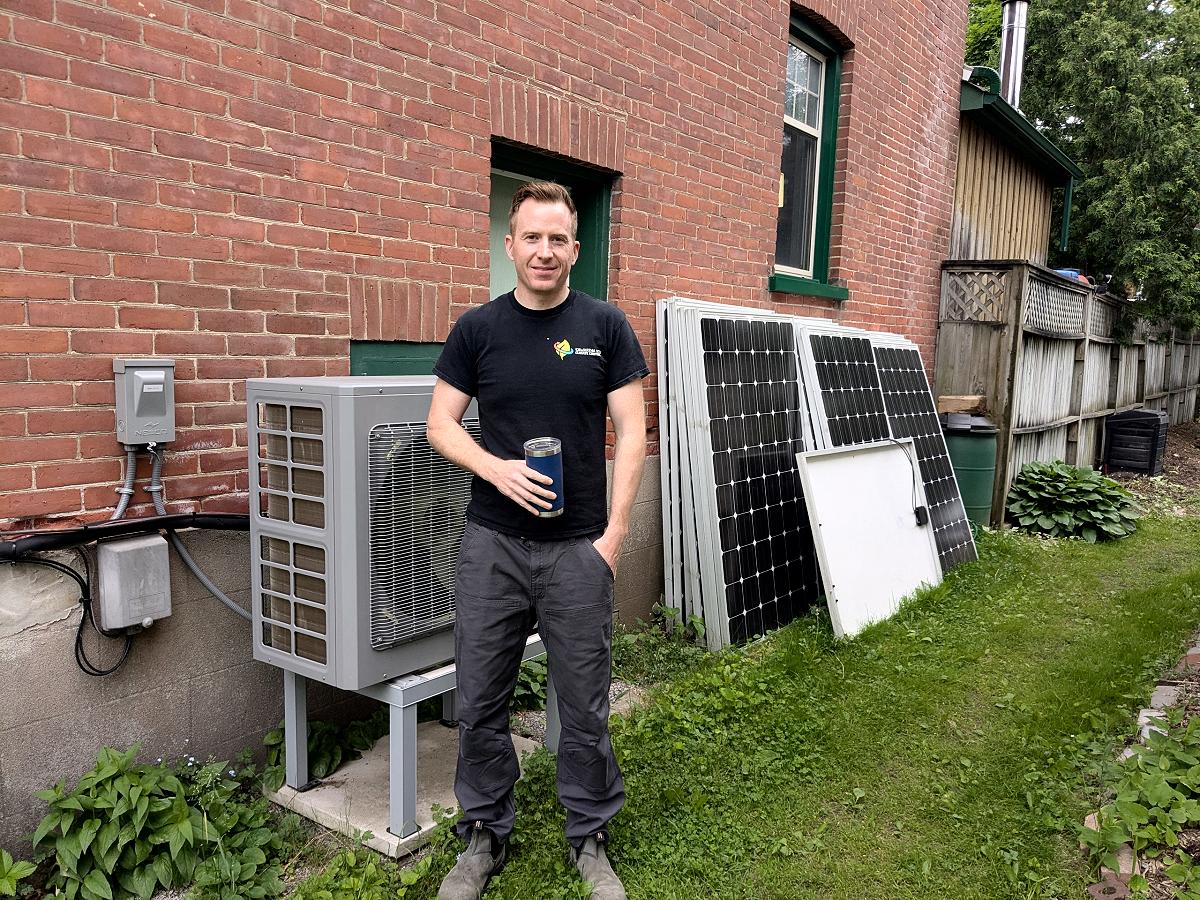
The hot weather is here. In Canada, a large part of the year is spent ensuring houses stay warm enough, but the short summer months pose the opposite problem: staying comfortable in the heat.
As the impacts of climate change progress, air conditioning is becoming a necessity rather than an optional perk. Organizations such as the Canadian Association of Physicians for the Environment (CAPE) are calling for governments to pass legislation requiring that landlords maintain maximum indoor temperatures in the summer, just as they are already required to maintain a minimum temperature during the winter.
Old-fashioned cooling techniques like closing blinds during the day, opening windows at night, good insulation, and shading around buildings can greatly reduce the need for air conditioning. The reality as temperatures rise, however, is that air conditioning will be increasingly relied upon to maintain safe and comfortable living spaces.
Enter the heat pump. The name reflects the fact that this technology moves heat from one place to another — in winter, moving heat inside the home for heating, but in the summer, pumping it outside for highly efficient cooling.
Air conditioning efficiency is measured using a seasonal energy efficiency ratio, referred to as SEER2. SEER2 measures the total amount of cooling that can be provided by a heat pump or air conditioner during the cooling season, divided by the amount of energy it takes to provide that cooling. A higher SEER2 means a more efficient system.
While traditional (new) air conditioners are generally rated SEER2 14 to 16, with older units even lower (around 10), heat pumps have much higher efficiency, regularly reaching SEER2 21 or higher. This equates to big savings on summer cooling bills, along with a significant decrease in greenhouse gas emissions when the heat pump is used for heating in winter.
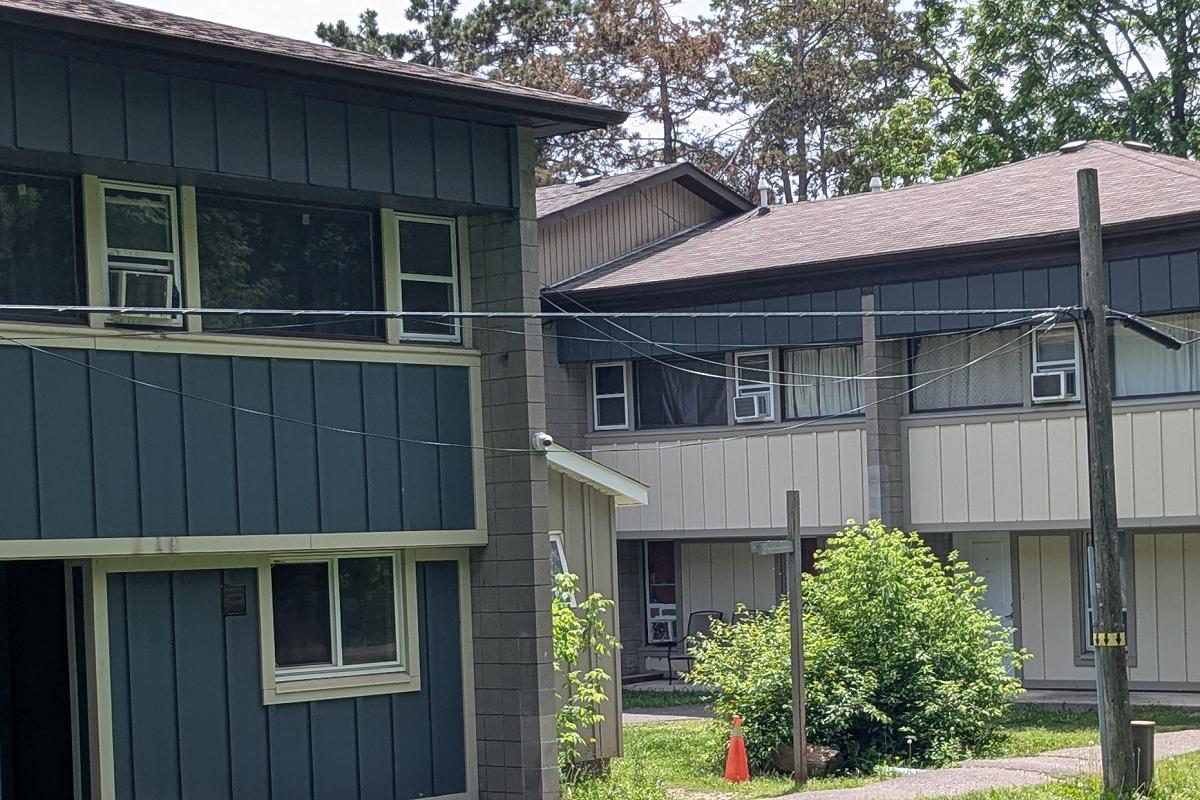
Shane Switzer, owner of Peterborough-based HVAC business Kawartha Eco Climate Control, gets busy servicing and replacing air conditioners during the summer months. He often recommends heat pumps to his clients to replace an aging air conditioner.
“For homeowners with an existing furnace, a hybrid heat pump system can be a really practical option,” says Switzer.
“The heat pump provides efficient cooling in the summer and can handle a lot of the heating during the shoulder seasons, while the furnace stays in place as backup for the coldest days. It’s a good way to upgrade from an older air conditioner and start reducing fossil fuel use without having to fully replace the whole heating system at once.”
Rebates for heat pumps are available for all homeowners under the Home Renovation Savings program, with the amount depending on the existing heating system and the size of heat pump being installed.
Additionally, homeowners in the City of Peterborough can benefit from financing and rebates through the Better Homes Peterborough program.
Switzer also installs mini-split heat pump systems in homes without ductwork. These systems consist of an outdoor unit, similar to an air conditioner, connected by refrigerant lines to several indoor “heads” which can be placed in different areas of the home. The heads provide heating and cooling to the rooms in which they are installed and allow for zone-based temperature control.

“Many of the homes where I install mini-splits didn’t have any cooling before,” says Switzer. “They’re really happy to get both cooling as well as very efficient heating with the same system.”
To learn more about heat pumps and other energy efficiency upgrades, reach out to GreenUP’s home energy team at 705-536-9943 or energy@greenup.on.ca or visit greenup.on.ca/home-energy.
Join Better Homes Peterborough energy coach Clara Blakelock and HVAC specialist Cory Rawn of 123 HVAC for “Home Energy Hour: Heat Pumps” on Thursday (June 25) from noon to 1 p.m. Learn more and register at greenup.on.ca/event/home-energy-hour-heat-pumps/.