









It’s a safe bet that the list of musical acts that don’t regret turning down the chance to headline at Woodstock is a short one.
Canadian rock ensemble Lighthouse received an invite shortly after its May 14, 1969 debut at The Rock Pile in Toronto. While the opportunity to perform before hundreds of thousands of music fans over three days in August alongside the greatest popular music acts of the time would seem too good to pass up, the rock ensemble did just that — citing the concern that Woodstock would prove to be “a bad scene” in terms of perceived safety and sanitary issues.
So how did that work out? Pretty good, considering Lighthouse headlined the much larger Isle of Wight Festival the following year, sharing the stage with the likes of Jim Hendrix, The Doors, The Who, The Moody Blues, and Joni Mitchell.
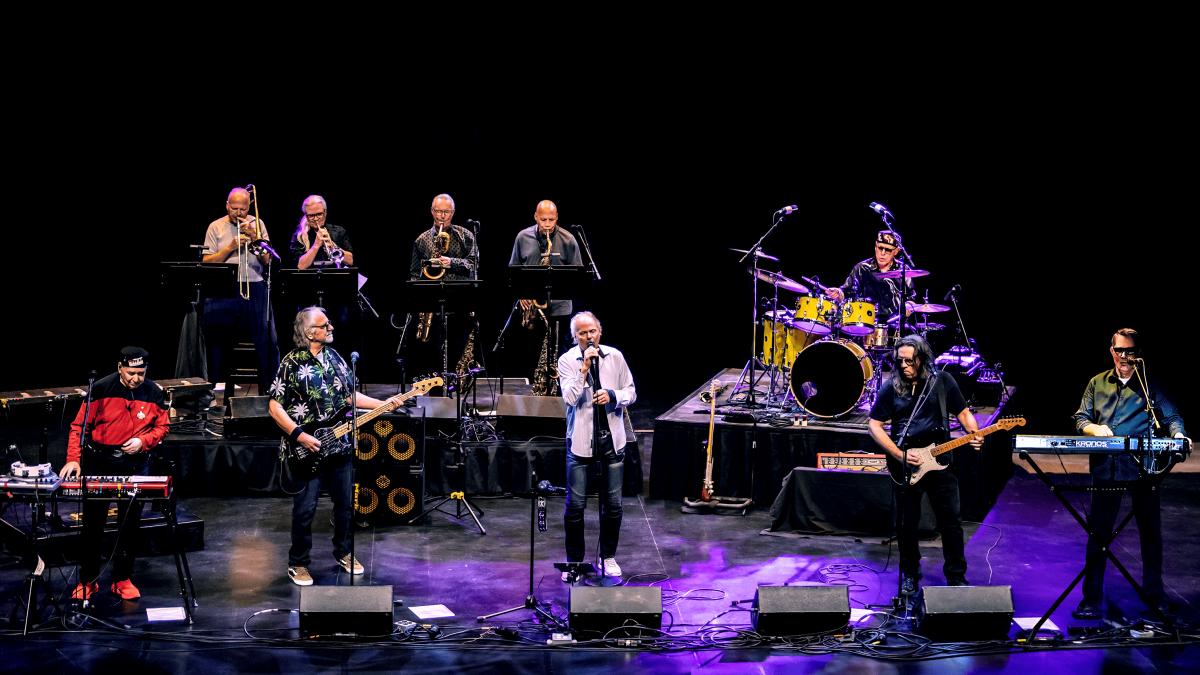
Today, well into its sixth decade, Lighthouse is still at it, having stayed true to the full horn-heavy sound that co-founders Skip Prokop and Paul Hoffert were confident would survive their snub of Woodstock.
On Saturday (July 11) at Del Crary Park, Hoffert on keyboards and fellow original member Russ Little on trombone will be very much in the mix as Lighthouse brings its hit songs and horn-heavy music to Peterborough Musicfest. Admission is free to the 8 p.m. sponsor-funded concert.
With the words “I’m beginning to see the Light … house,” jazz great Duke Ellington introduced the band at its Rock Pile debut, and Lighthouse became virtually impossible to ignore over the following decade.
VIDEO: “One Fine Morning” – Lighthouse (1972)
Besides the coveted Isle of Wight gig, sold-out performances at Carnegie Hall and at Expo ’70 in Japan spoke to Lighthouse’s growing popularity, not just in Canada but abroad. Music-wise, Lighthouse had the material to anchor a touring schedule that, at its peak, saw the band perform some 300 tour shows annually.
While the band’s first three albums — Lighthouse, Suite Feeling, and Peacing It All Together — were each certified gold for sales in Canada, 1971’s One Fine Morning took things to another level on its way to platinum status on the strength of the title track, which peaked at number two in Canada and charted high south of the border. The follow-up album, Thoughts of Movin’ On, eventually earned platinum sales status as well.
Those sensing there was more to come from Lighthouse were vindicated in 1972 with the release of the album Sunny Days. Again, the title track was a monster hit, cracking the top five on Canadian singles chart and peaking at number 34 on the Billboard Top 100.
It was album after album from that point in the form of 1973’s Can You Feel It, 1974’s Good Day, and 1976’s Best of Lighthouse — all platinum-certified. Top-selling singles like “Hats Off to the Stranger,” “1849,” and “Pretty Lady” kept the fan momentum going.
As one would expect, critical acclaim was frequent and substantial. From 1970 to 1974, four Juno Awards came Lighthouse’s way, including three statues in 1973, 1973, and 1974 for Best Canadian Group of the Year.
Following Lighthouse’s break-up in the late 1970s, the original band members — Hoffert and Prokop included — turned their attention to other projects. Hoffert, for example, continued his career as a film composer, headed up the Ontario Arts Council for three years and, in 2004, was named to the Order of Canada in 2004. His enduring bandmate Little continued his music pursuits, recording and earning Best Trombonist honours at the 2007 National Jazz Awards.
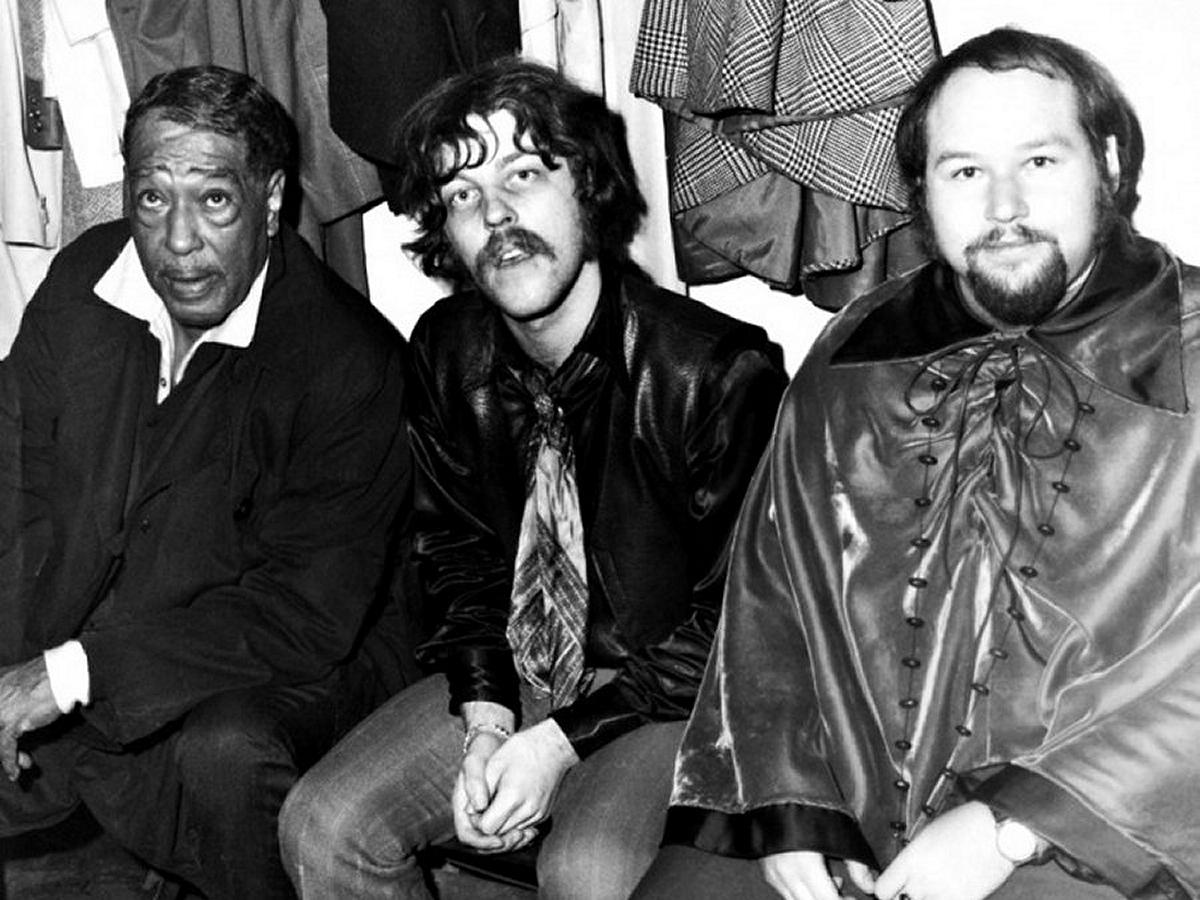
Lighthouse reunited in 1992 and, with varying members, has stayed together ever since. Prokop, who Hoffert met all these years ago by chance on a flight from New York City to Toronto, passed away in 2017. He was pre-deceased by lead singer Bob McBride, whose powerful vocals gave “One Fine Morning” its hit appeal and, decades later, its staying power.
In October 2019, Lighthouse brought its 50th anniversary tour to a sold-out Showplace Performance Centre. Sitting down for a chat with kawarthaNOW, Hoffert recalled that chance encounter with Prokop.
“He was going to be putting together Janis Joplin’s new band, but was having some problems with the personnel,” said Hoffert, adding “He wasn’t sure if it was going to work out, so he told me about this idea he had for a band with horns and strings.”
Thus, Lighthouse’s trademark fusion of rock, jazz, classical and swing music was born.
“We had a big American record deal before we actually had a band,” Hoffert continued. “We just had an idea and a bunch of guys who were in the studio and recorded some tunes.”
With manager Vinnie Fusco at the helm (he signed Lighthouse to RCA Victor), the 13-member band featuring Hoffert on keyboards and Prokop on drums and lead vocals took to the stage at The Rockpile in Toronto on May 14, 1969. By chance, Ellington was in the city and, on a recommendation, redirected his limo driver to the club so he could take in the show.
VIDEO: “Sunny Days” – Lighthouse (2019)
As the time, Hoffert noted, “rock ‘n’ roll music was transitioning from the early Elvis Presley kind of rock-a-billy stuff to what we now called classic rock ‘n’ roll with a heavier rhythm section.”
“But in high school, which is where a lot of people develop their musical tastes, you have band instruments. You weren’t given electric guitars and basses and stuff to make rock ‘n’ roll music. Everybody was playing in the school band … wind instruments, brass instruments. They couldn’t participate in the rock ‘n’ roll thing because the music that was coming out didn’t have those instruments.”
“There seemed to be a real opportunity to make music that was rock ‘n’ roll but could include those people. That would give us a bigger audience.”
That Lighthouse clearly did, and has continued to do 57 years after the fact. Speaking to the band’s longevity, Hoffert summed things up in one word: respect.
“A band is kind of like a family … you’re going to have fall-outs or disagreements. The only way to stop that is to have musical respect for each other. We’ve never lost that.”
“We’ve never had a disagreement on the musical direction because those discussions are never about ‘Why can’t I have the solo?’ It’s ‘What’s going to work best for the band?’ We’ve always been able to have a good consensus. That’s been key to keeping the band together and keeping the really great musicians that we have.”
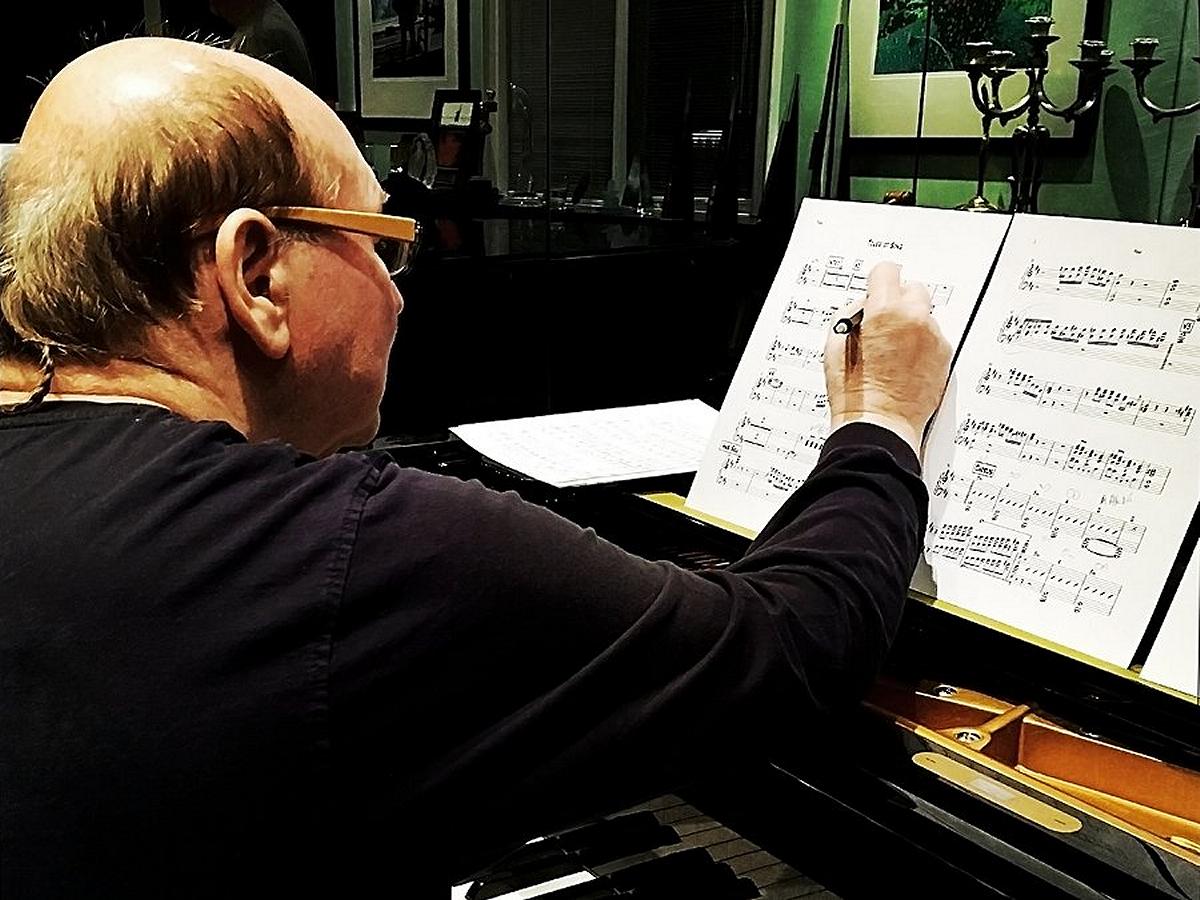
As for Hoffert’s continued involvement, the 82-year-old Brooklyn native — who is also a published author and an academic — says his passion for the band he co-founded, its musical legacy, and the sound that still resonates with fans old and new, provides all the fuel he needs to keep at it.
“We take pride in the quality of the music. We like it when people come back stage and say ‘Oh my goodness, you guys are so tight. You sound like you’ve been playing together a long time.’ Well, we have.”
Prior to Lighthouse taking the stage, the Cogeco-sponsored Future Sound Series will see Peterborough singer Carling Stephen perform from 6:30 to 7:30 p.m., near the food trucks at the George Street entrance to Del Crary Park.
VIDEO: “Pretty Lady” – Lighthouse (2019)
Peterborough Musicfest is presenting 16 free-admission concerts during its 39th season, staged in Del Crary Park on Wednesday and Saturday nights until August 19.
Overseen by executive director Tracey Randall and staff, a board of directors, and numerous volunteers, Peterborough Musicfest’s stated mission remains “to provide diverse, affordable live music to enrich cultural and economic prosperity in our community.”
For more information on this concert or the 2026 season, visit www.ptbomusicfest.ca or call the Peterborough Musicfest office at 705-755-1111.
kawarthaNOW is proud to be a headline sponsor of Peterborough Musicfest’s 2026 season.