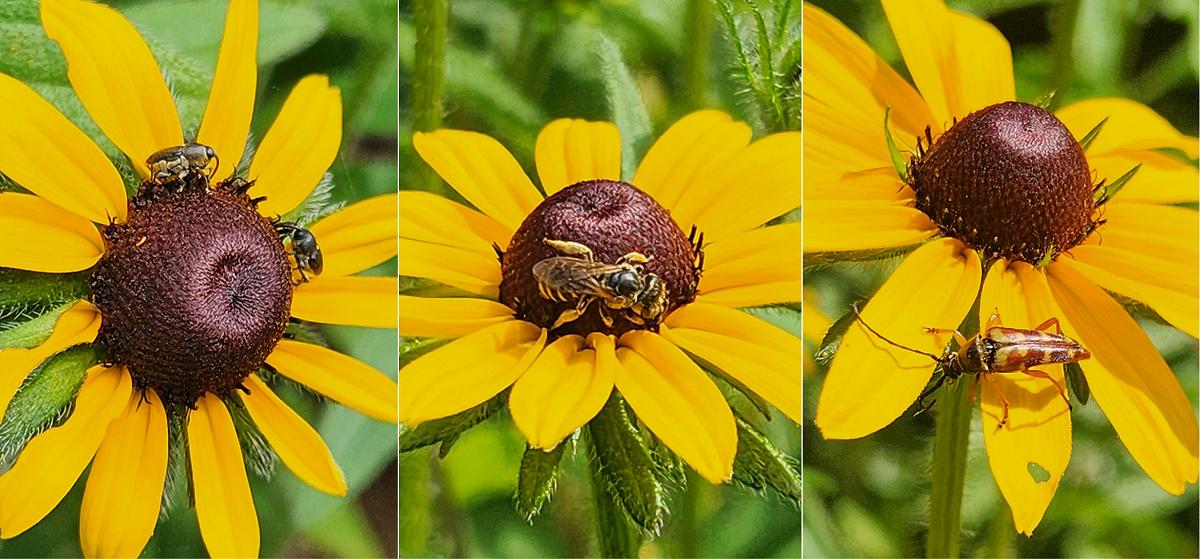


















Getting to know nearby plants, animals, and insects is a sure way to create a better garden.
Gardeners start to notice which plants attract the most attention from wildlife, which ones grow well together, and which do not. Over time, those observations can reveal patterns in the wild that can be adapted to create small but biologically rich landscapes.
This knowledge is part of what can be described as “ecological literacy” — the ability to identify and make sense of the human and non-human systems and connections necessary to sustain life on earth. As gardeners grow in understanding, they will learn to quickly distinguish between species to encourage and those they might want to remove or reorganize.
There is so much to observe. Even in urban environments, where fragmented green spaces boast less species diversity than large intact ecosystems, the number of organisms and species interactions is surprising. For example, there have been more than 50 bird species observed at GreenUP Ecology Park over the past five years.
Experienced ecological enthusiasts may wish to challenge themselves to observe some of the 2,441 under-documented species on the Canadian Wildlife Federation (CWF) priority species list, which will help fill gaps in the national biodiversity picture.
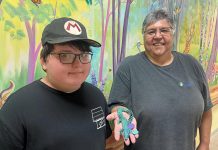
“Personally, I struggle to make time to simply be in nature, but once there is a goal associated with being outside, I’m able to find the time easily,” says Sarah Jamieson, a sessional lecturer in the biology department at Trent University.
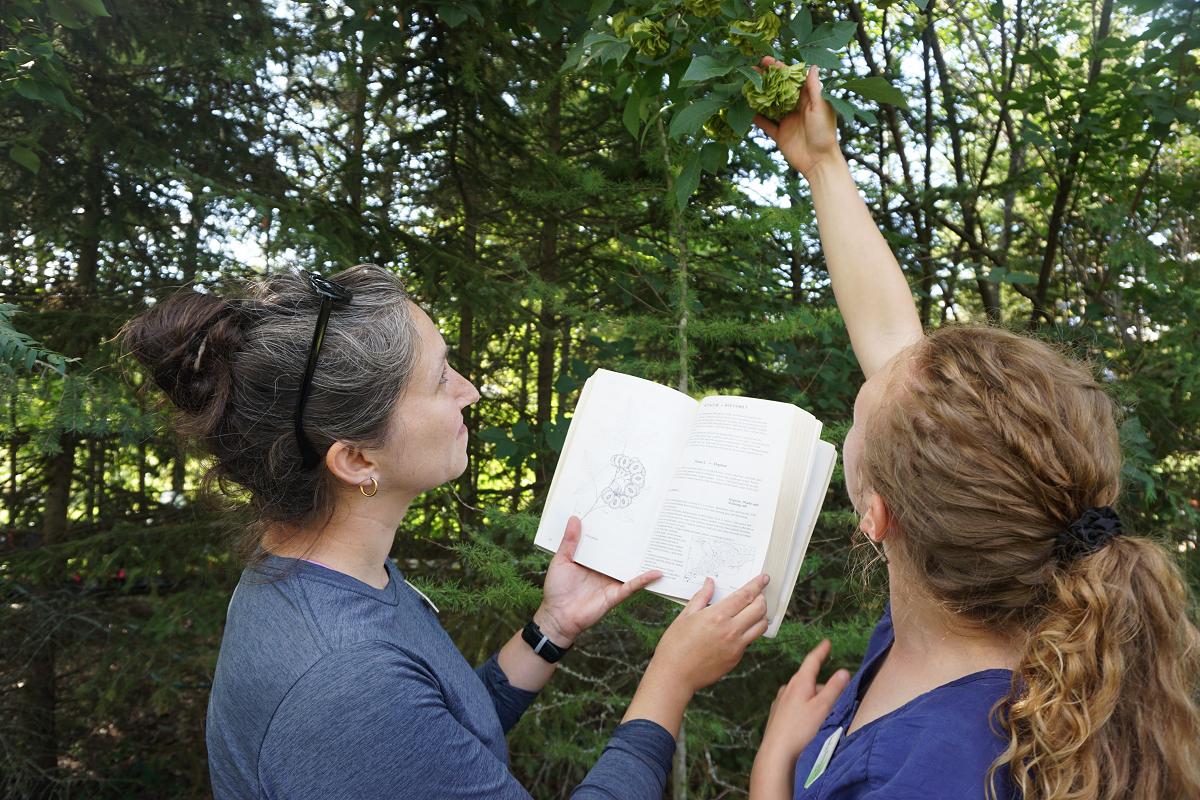
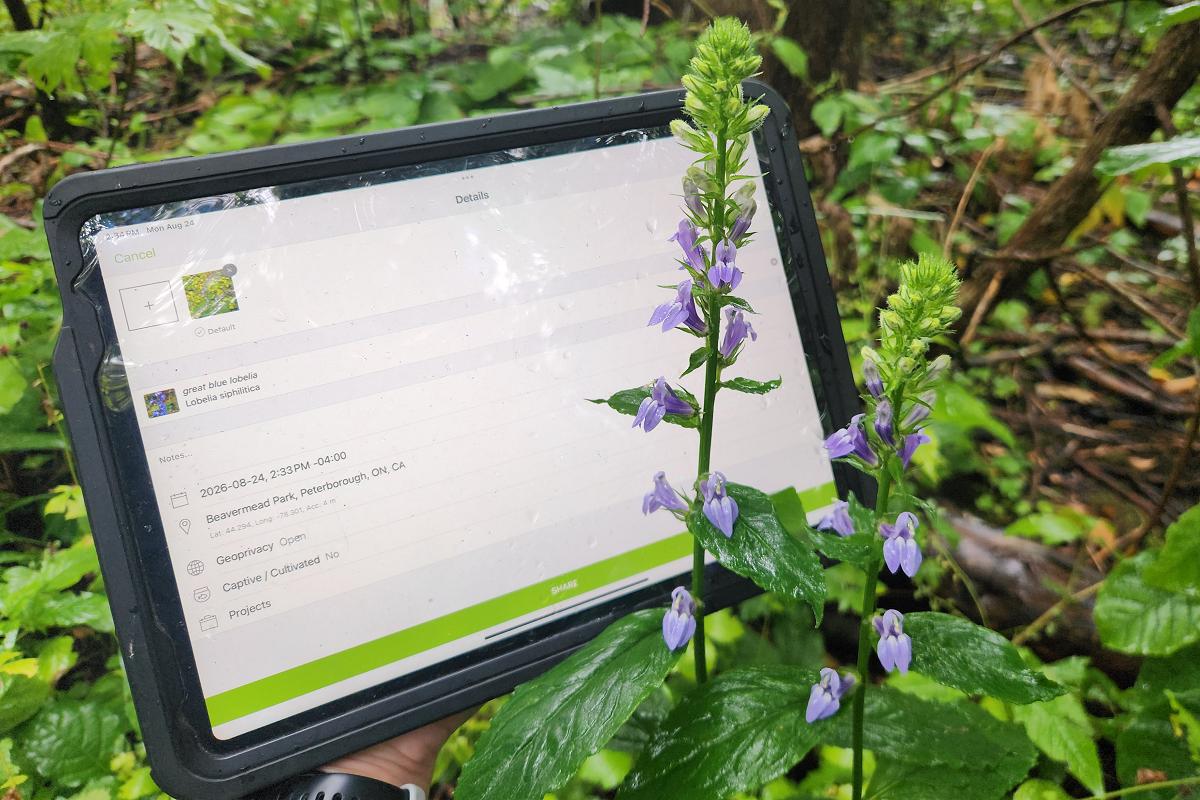
In today’s digital age, many people turn to phone apps for help identifying plants, insects, animals, and fungi. These tools are excellent as a starting point, but it’s important to cross-reference the results with other sources to ensure accuracy.
Learning from knowledgeable community members and experts can be more effective for developing a deep understanding of how species differ from one another and work together to create complex, resilient, and beautiful ecosystems.
Other programs, such as iNaturalist, depend on crowd-based verification to confirm observations. The feedback is not instantaneous, but it tends to be more reliable.
One way to get involved, deepen ecological literacy, and connect with experienced locals is by contributing to this year’s Great Canadian Bioblitz, organized by CWF between September 17 and 27.
A bioblitz is a coordinated event that invites people to identify as many species as possible within a given time and place. Camaraderie and a bit of healthy competition often boost participation.
“I also enjoy that bioblitzes are focused on all types of nature, which helps me to learn species that are relatively new to me,” says Jamieson, whose teaching and research expertise centres on birds. “It was a bioblitz that ignited my passion for native plants.”
All that’s needed to participate in the Great Canadian Bioblitz is a phone or tablet and a free account with iNaturalist. Participants who register for the challenge with CWF also have a chance to win prizes.
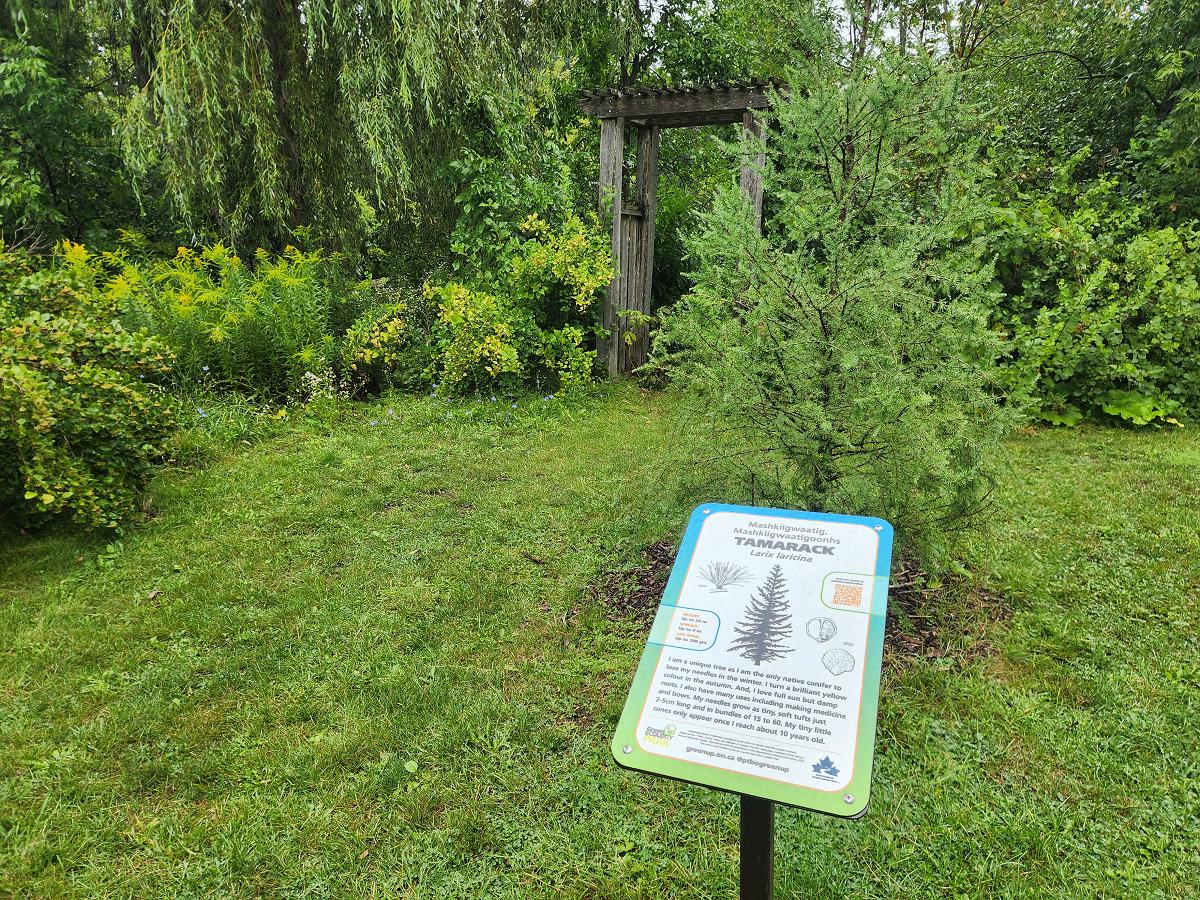
GreenUP is hosting a bioblitz kick-off event at Ecology Park on Saturday, September 19 from 10 a.m. to 2 p.m. Members of the Peterborough Field Naturalists and other community groups will be on hand at help visitors register for the challenge and learn to use iNaturalist and traditional field guides.
In addition to bioblitz tutorials, there will be a demonstration bug sweep, and a guided tour to explore plant and wildlife habitat projects currently underway at the park.
Jamieson urges everyone, no matter their age or skill level, to take part if they are interested in growing their ecological literacy.
“In past events, we’ve had three generations participate together. What a great way to spend time together as a family — learning, getting exercise, and being in nature.”
For those who want to continue their ecological learning throughout the month, there is a Gardening with Pollinators workshop happening at GreenUP Ecology Park on Saturday, September 26 from 1 to 3 p.m.
Participants will get to know a variety of pollinator-friendly species and the insects that depend on them in a fun beginner-friendly session led by the Peterborough & Area Master Gardeners, as part of the Growing Together workshop series made possible through the Government of Canada New Horizons for Seniors program.
For more information on these and other educational events at GreenUP Ecology Park, visit www.greenup.on.ca/events. More information about the Great Canadian Bioblitz can be found at cwf-fcf.org/en/conserve/inaturalist/bioblitz.