



















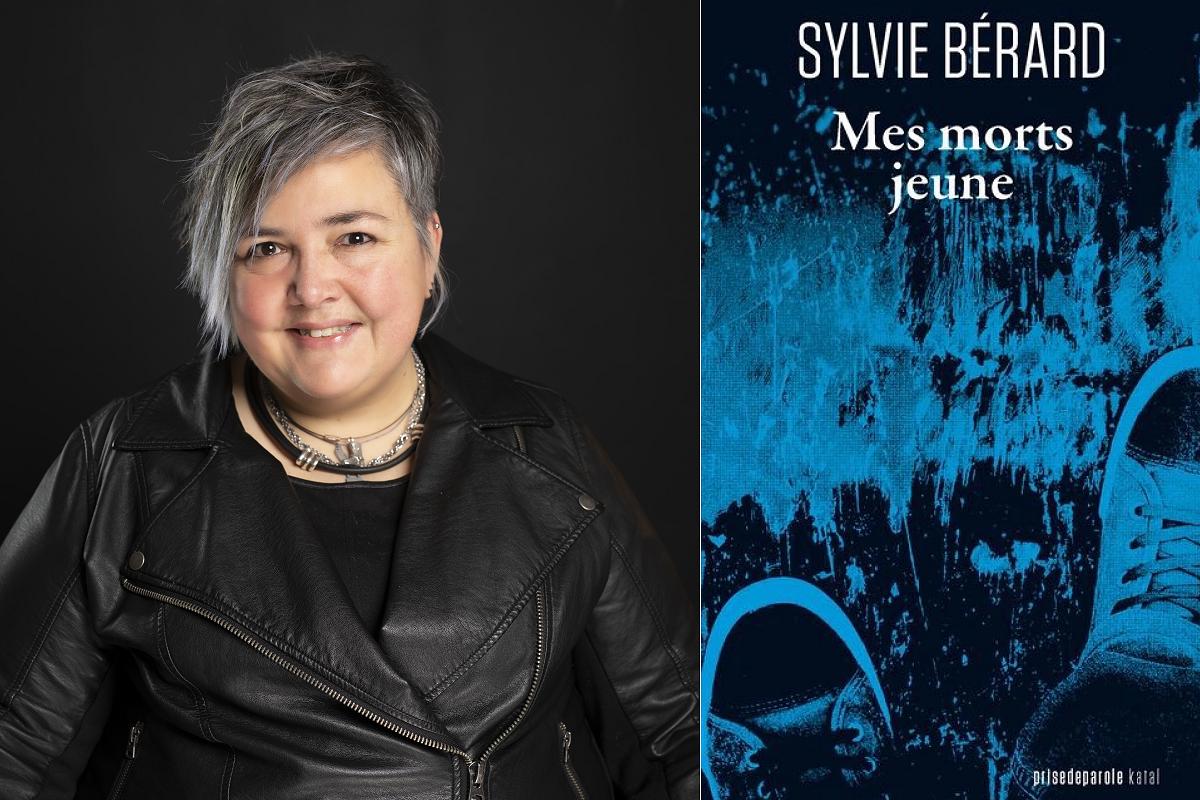
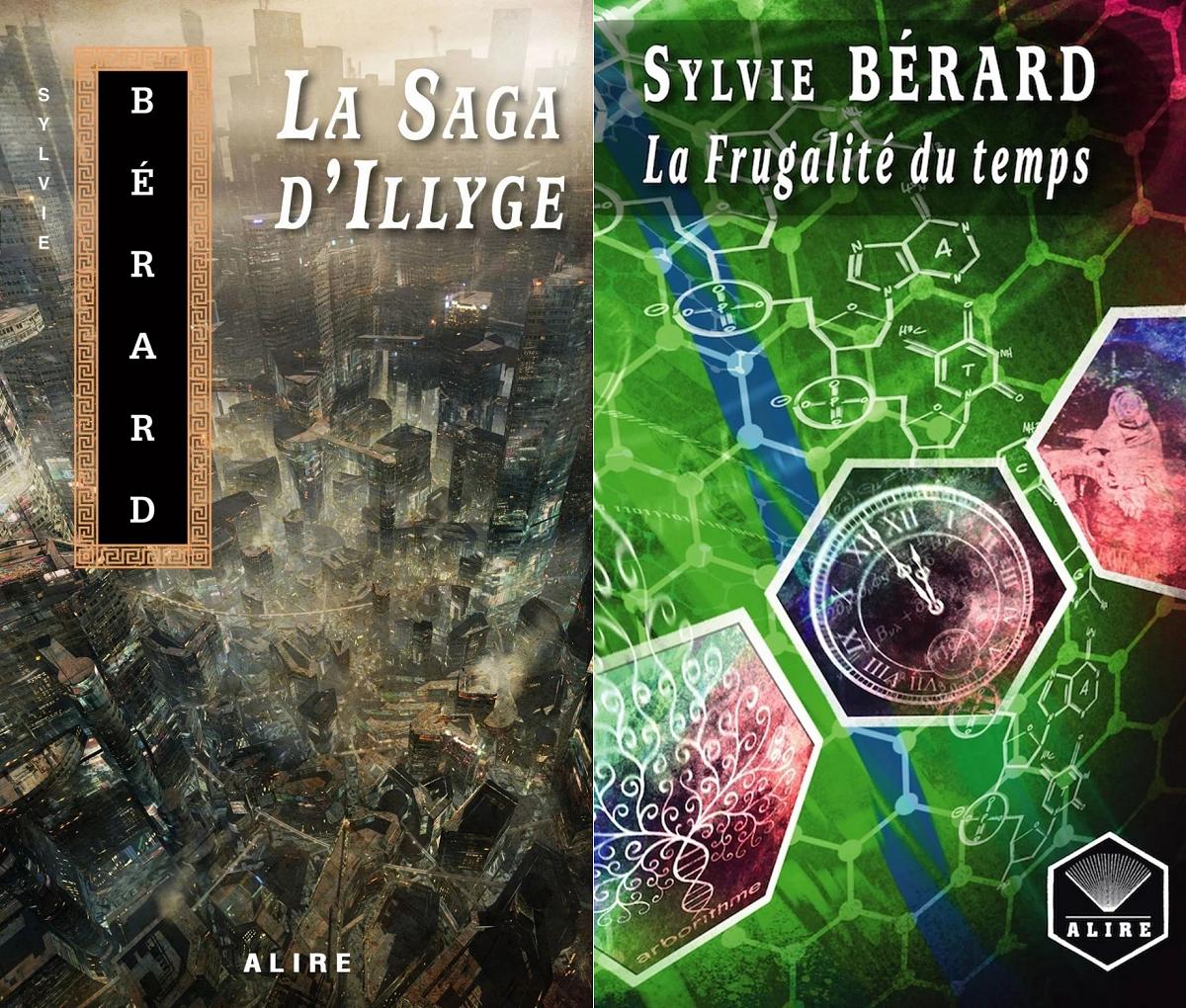
Trent University professor Sylvie Bérard has had a successful few months on the literary circuit. Just months after earning a 2025 Governor General’s Literary Award for translating a work of speculative fiction, she is now a French-language finalist for the Trillium Book Award.
The nomination is for Mes morts jeune, a 99-page autofictional essay published in August 2025 that explores memory and grief through a series of portraits of deceased loved ones.
Born in Montréal and teaching French and Francophone studies for more than 20 years at Trent University, Bérard is a poet, novelist, researcher, and translator of fantasy and science fiction novels.
As a writer, whenever something significant happens to her, Bérard puts pen to paper. That’s why after losing a close friend, she sat down to write what would later become Mes morts jeune. That friend chose to “virtually disappear” for the last year of his life, not wanting to see people, and, as a result, Bérard only learned about his illness the day before he died.
“I started writing that book based on all the feelings I had about it — some regret, some anger at my friend,” she says. “I started to write something to him and, of course, it brought back other memories of death that had been important in my life.”
Interwoven throughout the book are reflections of other times throughout her life when death has touched her, whether directly or indirectly. From stories of her father losing his mother a few days after his birth to thinking about her childhood friend who died at just nine years old, she explores how grief shapes people and how we think about death in our culture.
“You’re not supposed to die at nine,” Bérard says. “The friend who died recently, it felt the same because they’re also too young.”
This question, “At what age does one die young?” opens the book, reflecting on whether it’s nine months, nine years, 49 years, or 90 years.
“What are the criteria to ‘mourir de sa belle’ (die a natural death)?” Bérard asks. This question, she says, was inspired by her grandmother who believed everyone was too young when they died.
“For my grandmother, almost everyone would die suddenly. My mother would exclaim, ‘But Mom, he was 82 years old!’ and my grandmother would say, ‘So what? He was not even sick,'” Bérard says. “Even though you were 90 years old, you would die from a sudden death because it’s always sudden. It always stayed with me. My grandmother was very wise.”
The title of Bérard’s text take some creative liberties to show her grappling with these questions. Typically, it would be written as “Mes morts jeunes” (with the plural) to mean people she knew who died when they were young (literally, “My young dead”), but Bérard want to impart some ambiguity with the phrase.
“I don’t mean that the deaths are young — it means that I was young when those people died,” she says. “I felt too young for them to go. They were young, but also, it’s always the way I feel when people die. I am too young to let them go. It’s too early.”
Despite the exploration of grief, there are also joyful moments throughout the book as Bérard celebrates “special moments” she spent with her late friend throughout their 20s and 30s.
“It’s about memory as a placeholder, knowing what was there and trying to keep those images alive,” she says. “You’re always yourself with all your friends, but you’re that special variety of yourself with that person. You live events together’ you have a shared experience of life. When the person goes, that subjective memory that you have of what you were together, or what happened around you when you were together, is gone. I wanted to seize that, to keep that, to bottle that in a book.”
“I think that’s the beautiful thing about books is they’re a memory stick,” Bérard adds. “You can download what you had — not everything is there, obviously, because it’s a very small book, but the essence is there.”
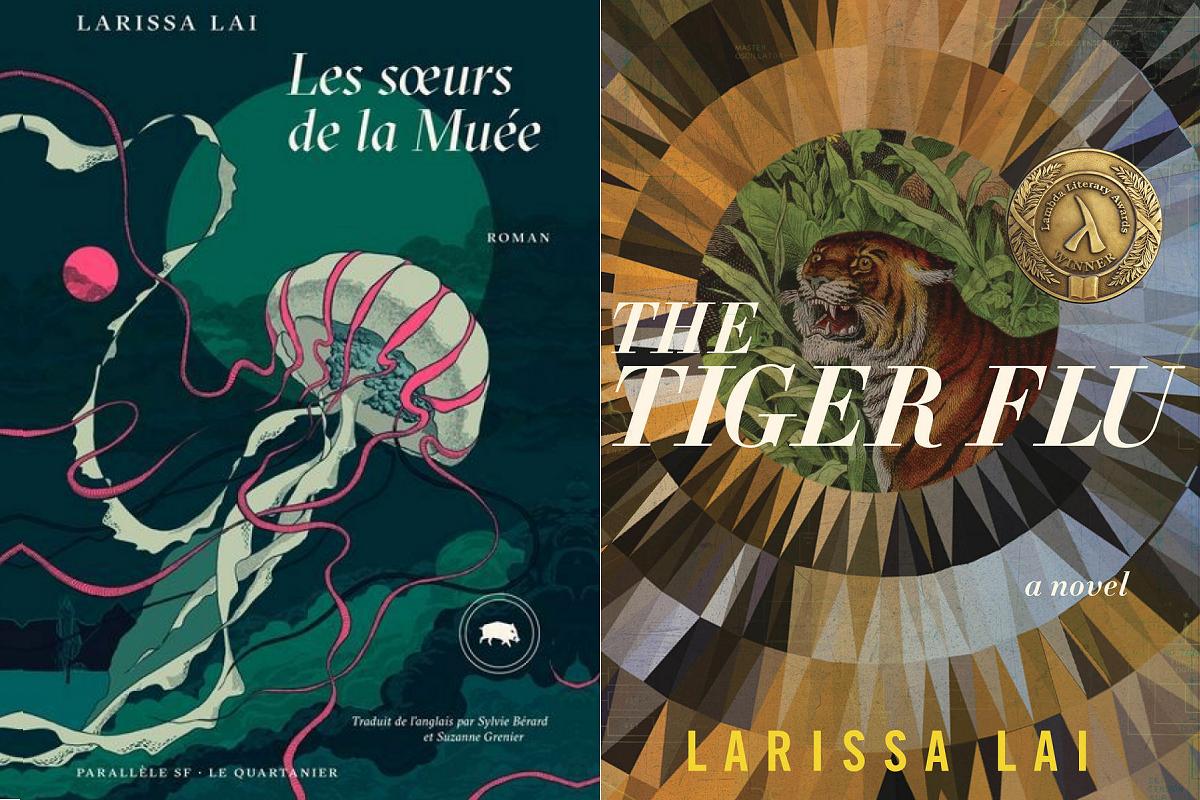
Mes morts jeune marks Bérard’s third nomination for a Trillium Book Award, following a nomination in 2021 and a win for her poetry collection in 2018. In 2025, she was also awarded the Governor General’s Literary Award for Les Soeurs de la Muée, a translation of the dystopian novel The Tiger Flu by Larissa Lai, alongside her partner and long-time collaborator Suzanne Grenier.
Beyond the Trillium Book Awards helping her curate her own list of books to read each year, Bérard says the awards are important for recognizing and shining a spotlight on Franco-Ontarian books and publications.
Bérard notes “It’s very hard to be a Franco-Ontarian writer” because, unlike in Quebec, Ontario doesn’t have many French language bookstores.
“Sometimes Franco-Ontarian books are invisible in (English) bookstores. They might have a few children’s books, and sometimes they are translations from English.”
She explains it’s difficult to reach new readers if French language books are not being sold in these bookstores, adding that oftentimes her Ontario readers will have to order the books online.
“It’s very hard to find books. To order a book online, you need to know it exists in the first place, and in bookstores you at least have a display (so people know about it),” Bérard says. “Otherwise, you’re surrounded with English language books and English language readers, especially in a region like Peterborough (that’s largely English speaking).”
Bérard will find out if Mes mortes jeune has won this year’s Trillium Book Award during a ceremony being held on Wednesday, June 10.
“As much as I would like to actually win the award, just being nominated means peers took the time, sat down with stacks of books, and they read,” she says. “It’s very humbling to realize that people took the time and cared about something I wrote. I’m very happy with the nomination because it means that it spoke to other people.”