


















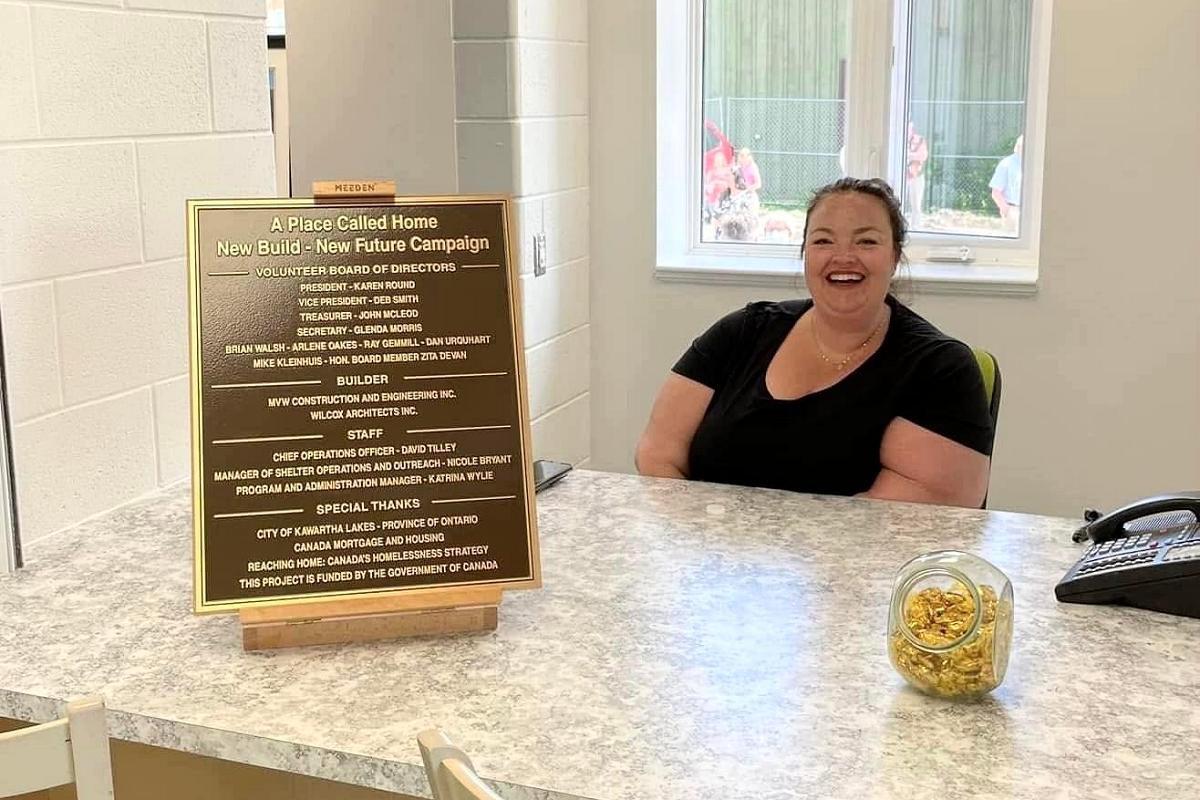
After 27 years with A Place Called Home (APCH) in Lindsay, Nicole Bryant was recently appointed executive director of the shelter and transitional housing provider serving the Kawartha Lakes and Haliburton County regions.
“I started as a placement student 27 years ago and I just never looked back,” Bryant told kawarthaNOW following news of her May 27 appointment. “It’s always been my passion. I love to hear everyone’s story and I love to see people move forward.”
Having celebrated its 30-year anniversary in 2025, APCH has undergone numerous changes and adjustments, but Bryant and her team remain consistent in their goal to provide compassionate services to unhoused people across the region.
From an emergency shelter to housing supports
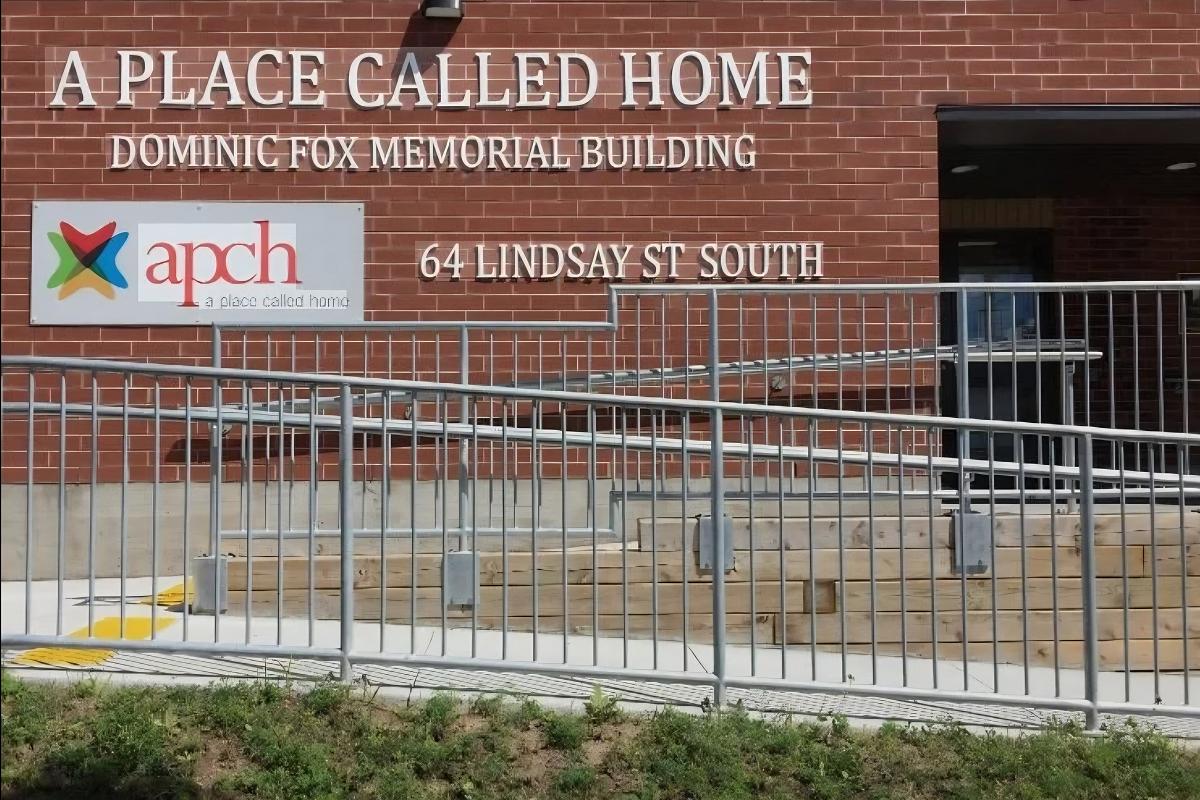
APCH operates a 30-bed hostel-style emergency shelter at 64 Lindsay Street South in Lindsay for individuals and families, supported by 24/7 shelter staff.
“The only criteria to stay with us is that you don’t have a safe place to sleep tonight,” said Bryant.
In 2021, when the organization was operating from a hotel due to COVID restrictions, they began redeveloping the Lindsay Street property, which had been used as APCH’s administrative office, into a purpose-built shelter.
In addition to the Lindsay emergency shelter, APCH offers drop-in services to those experiencing homelessness and housing instability and runs an adult trustee program to help people secure and maintain permanent housing.
“They can get meals, they can have a shower, they can use laundry, they can access staff resources, use the phone, use a computer,” said Bryant.
She adds that, with the purchase of neighbouring properties and an expansion of the shelter space, APCH has been able to turn the original shelter buildings into transitional housing units for people leaving the shelter.
“After folks come through the shelter we can potentially offer them a transitional housing spot where they’ll continue to work towards their goals,” Bryant said.
Transitional housing program sees success

The transitional housing stock consists of three rooming houses containing 17 units. The program operates in partnership with the Four Counties Addictions Services Team (Fourcast), which provides housing support workers and case managers.
The “back houses,” as Bryant calls them, are separated based on resident’s needs and personalities.
One house is identified as quiet, the second is for night owls, and the third for individuals in paid employment.
Bryant said the transitional housing program has been very successful, with residents becoming active members of the APCH community and starting their own activities such as a gardening club.
“You’re not just managing houses or rooms or beds,” said Bryant. “You’re managing relationships and a sense of community, which is what a lot of folks that come through our doors are missing.”
The rent charged for the transitional housing units also act as a small revenue source for APCH, according to Bryant.
As a charitable organization, APCH relies on grants and fundraising to supplement their base funding from the City of Kawartha Lakes, which funds the emergency shelter, the drop-in services, and the adult trustee program.
Tailored support for shelter residents ranging from children to seniors
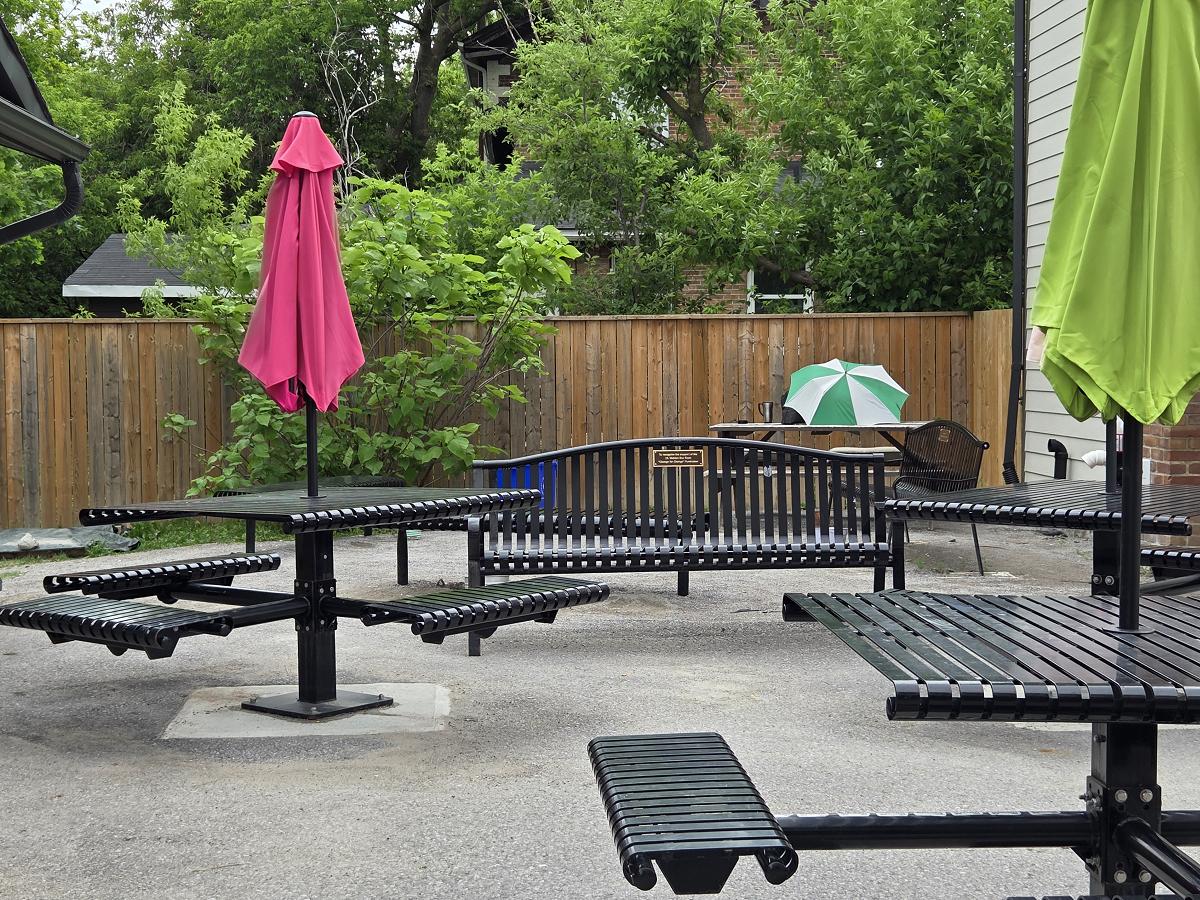
By 2024, APCH was seeing an increase in the number of families using the emergency shelter and received approval from the municipality to expand the number of emergency shelter spaces from 19 to 30.
Bryant said there are currently eight children staying in the shelter, all of whom attend school during the day, as well as residents who are seniors, young adults and working individuals, and youth without parental support.
“We work in the grey and we really try to do tailored service for each individual situation,” Bryant noted. “Housing a family is very different than housing a youth or housing a senior.”
Although Bryant recognizes the need for children to reside in the shelter is fundamentally very sad, she said that many of the children who stay at APCH have a positive and even exciting experience.
“They don’t know that this has stigma attached to it,” she said. “The kids actually view this sometimes as fun.”
To cater to diverse shelter and transitional housing residents and to encourage community building among individuals and families, APCH hosts events and activities such as movie nights and Blue Jays watch parties.
Bryant told kawarthaNOW she first became involved with APCH with two placements as a social work student. Growing up in a small town within the region, she was concerned by the lack of support for people experiencing homelessness and was drawn to the then newly opened APCH shelter.
“I went over and I was instantly sold,” said Bryant. “It was just such a good vibe.”
At that time, APCH operated from a five-bed house under the leadership of founding chair Zita Devan and executive director Lorrie Polito. Bryant described Devan and Polito as down-to-earth and compassionate — values that continue to guide the organization under Bryant’s leadership today.
‘What I love about this agency is that we’ll support folks wherever they’re at’
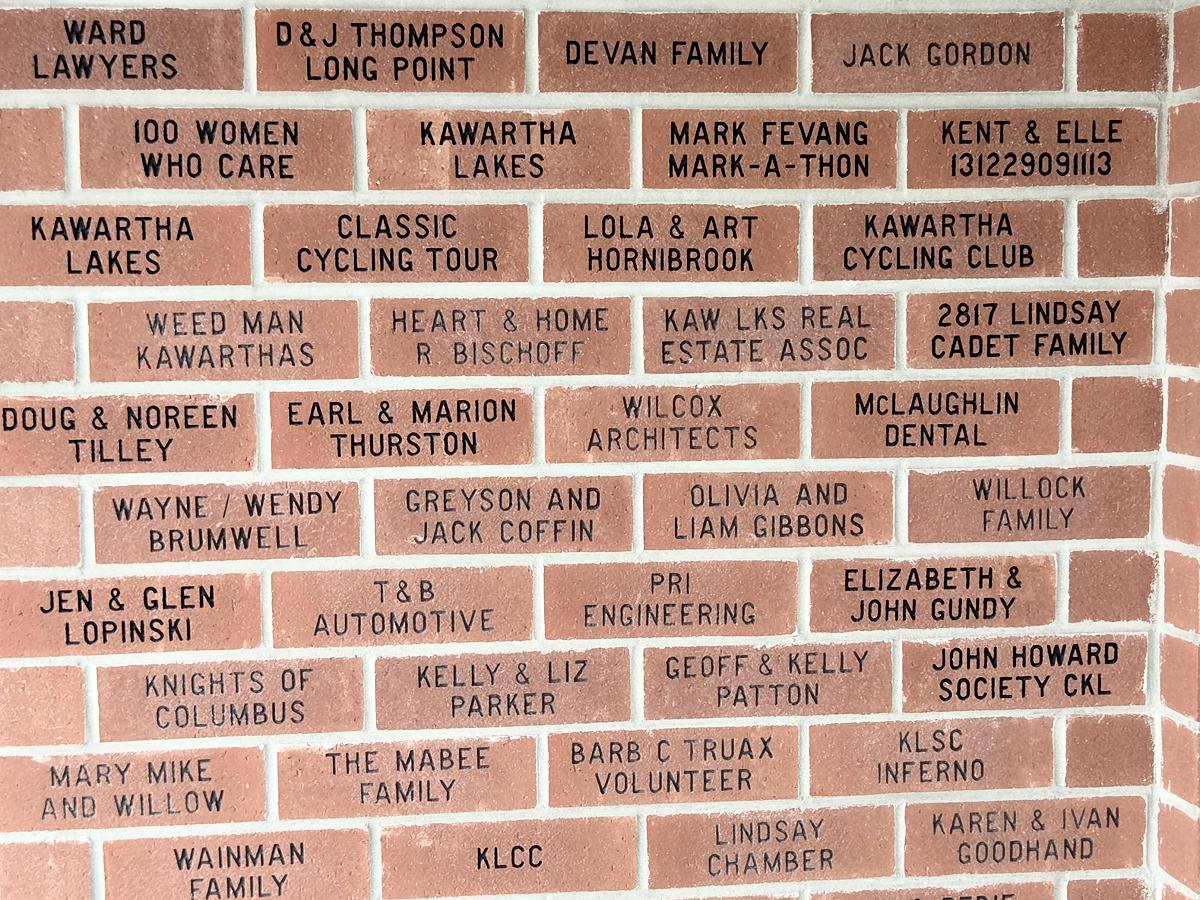
Since those early days, Bryant has remained dedicated to the organization through funding droughts, including working two part-time roles in a partnership between APCH and VCCS Employment Services.
“I love the work so much,” she said. “I love all the folks that come through the door and tell me their stories, and I help however I can.”
Throughout her tenure at APCH, Bryant said she has recognized the individual strengths and barriers of each person as they continue on their housing journey. She noted the difference between supporting someone who is newly unhoused versus those who face chronic homelessness and concurrent issues such as mental health and addictions challenges.
“What I love about this agency is that we’ll support folks wherever they’re at,” said Bryant.
Bryant comes to the executive director role with extensive institutional experience and a history of leading development and operations at APCH. As such, she said she will be spending time learning about overseeing the organization from a big picture standpoint.
In 2024, APCH released its five-year strategic plan that established the organization’s “housing first” approach and values of human rights, compassion, and safety. Bryant said she will be engaging closely with this strategic plan and will focus on providing consistent and reliable services.
“Who knows where the future is going to take us,” Bryant said. “We’re going to fine tune what we’ve got going on here over the next year.”
For more information about A Place Called Home and to donate, visit www.apch.ca.