










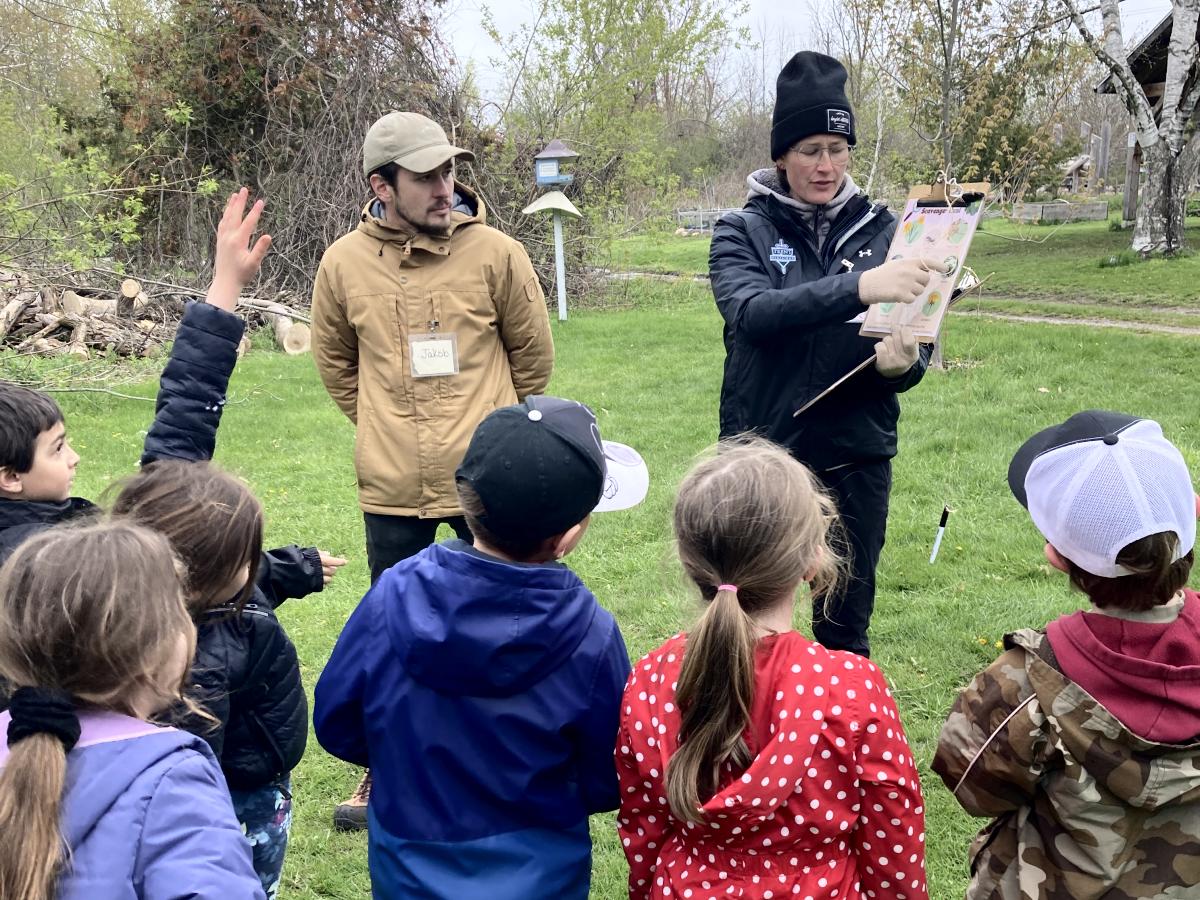
This week’s GreenUP column features a first-hand reflection from Trent University learning garden student Janelle Wiens.
For 13 years, the Trent learning garden has offered a unique opportunity for teacher candidate students to develop knowledge and skills related to food sustainability and environmental leadership through land-based experiential learning at GreenUP Ecology Park.
Although the Bachelor of Education program at Trent University is shifting to a one-year model, GreenUP and the Trent School of Education are exploring ways to continue this partnership in an adapted form starting in 2027. Read on to learn more about Janelle’s experience in the program during May of this year.
In the span of only two weeks, the learning garden at Ecology Park became a place where I felt at home, and I know I will remember it as a key moment in my educational and personal journey.
From nature journaling to leading kids’ activities to writing labels for different native plants, there was a variety of experiences that provided time and guidance to grow as an educator and a citizen in the local and global community.
On the first day of our placement, we were given the task of taking the winter sleeves off the baby trees planted last season and marking down how many of each species survived the winter. My “work brain” went straight into action, telling me to work as fast and efficiently as possible so I could be helpful.
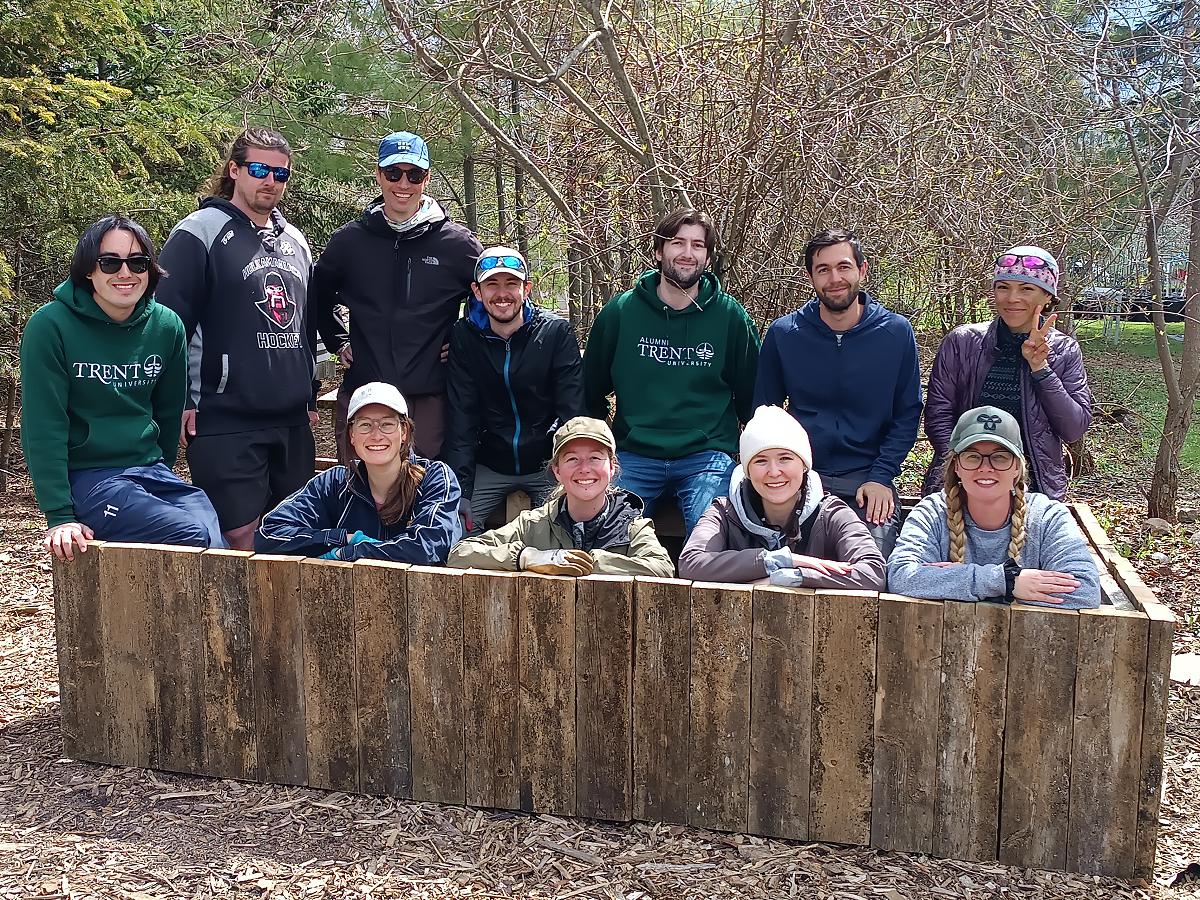
As we gathered after break time, we were asked about what strategies we used to identify each tree. I immediately realized I had gone about doing this task with the completely wrong intentions, as I had simply looked at the flags on the trees instead of observing their features.
I’m used to working as hard as possible to earn a good evaluation from professors, bosses, and associate teachers, but at Ecology Park, it was made clear on that first morning that we were there to learn, to notice, and to connect with nature and each other.
Each day, we were given a variety of activities where we didn’t feel rushed or pressured, but rather we learned something that helped us see the purpose of what we were doing. For example, we learned how garlic mustard is a good herb, but is invasive in Ontario.
This gave me perspective on how students must feel when we allow them to understand the purpose of the tasks we give them by explaining and allowing for questions.
Once I learned new information, I found that the task mattered more to me, and I even began to think about it outside of our time at the park. I can now identify garlic mustard and know how to dispose of it.
We also got the chance to collaborate and contribute our strengths to our team.
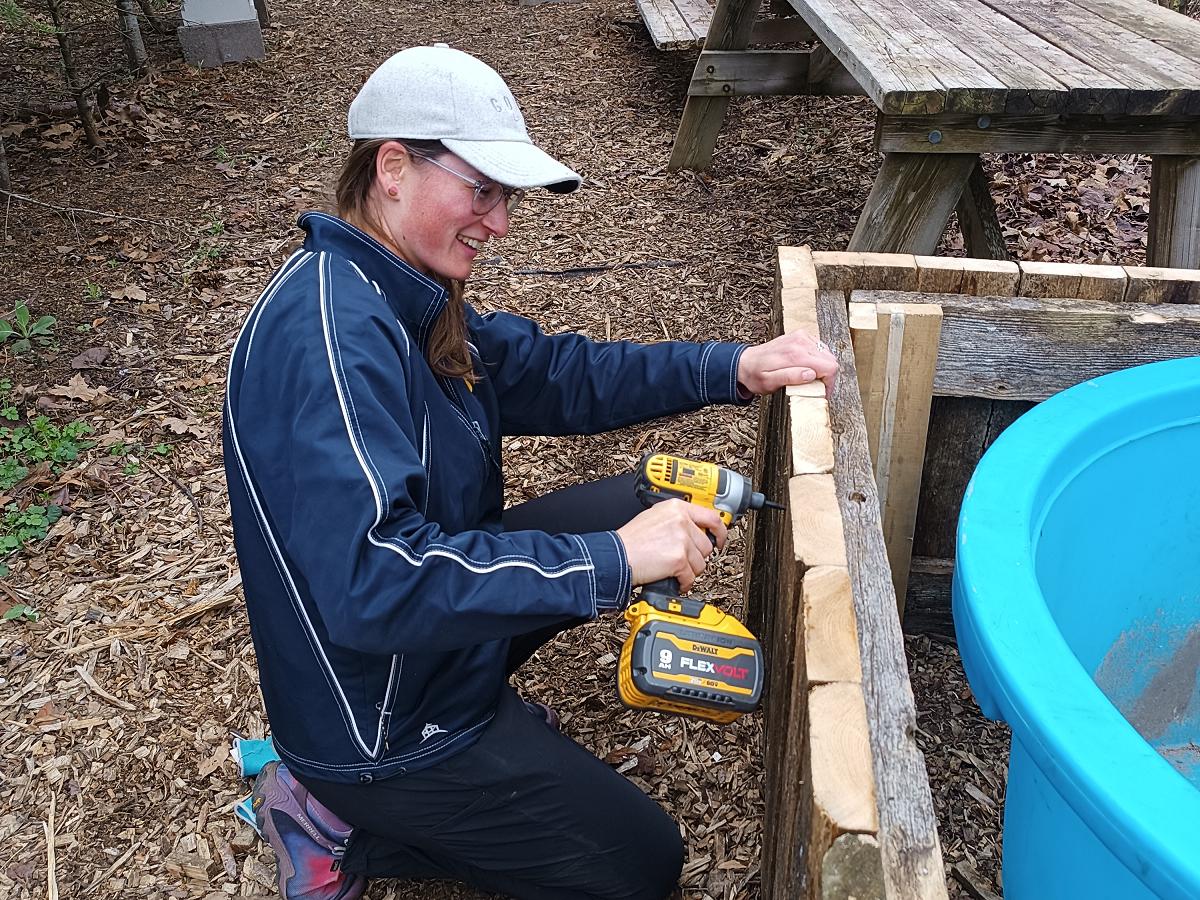
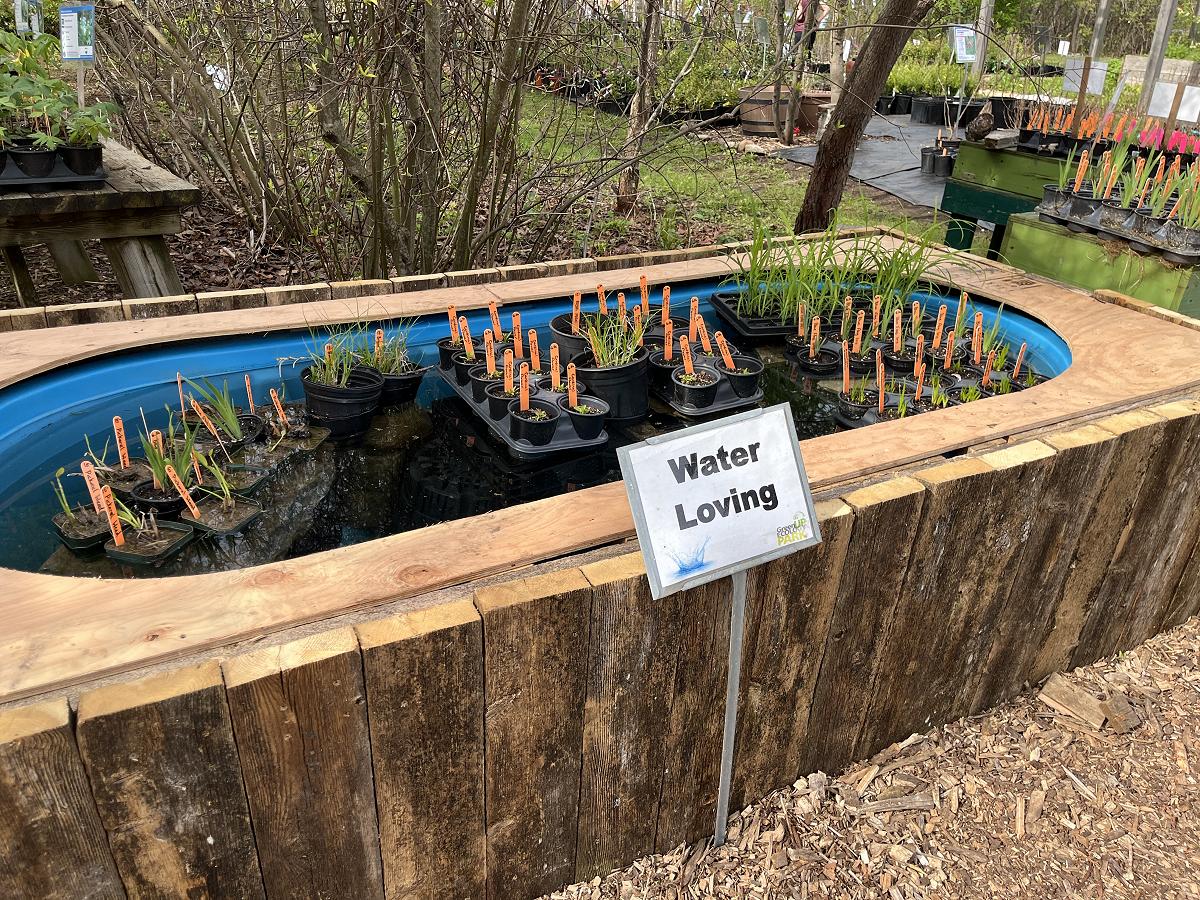
One morning, we were tasked with creating a box to cover up a big blue tub needed for water plants.
We got in teams, came up with a blueprint, shared our ideas, and finally combined our ideas and got to work on building the box. We were encouraged to all try the different tools if we were comfortable, and we naturally took turns and worked together to make our vision come to life.
This was just one of many small projects where we got to take ownership and feel like we were contributing value to the park.
One last experience I want to reflect on is the tree walk we went on.
Coming back once again to the lesson that I need to slow down and not always be working toward a goal, one of our afternoon blocks was simply spent getting a tour around the park. We stopped at several species of trees and learned about their bark, branches, leaves, seeds, origin, and much more.
After we were done with the tour, I was talking to the group about how I wish I could absorb all the information because it was so incredible to learn. They encouraged me to just think of one or two takeaways.
The main takeaway that I felt through every activity, and that the leaders at Ecology Park were so good at reminding me of, is to slow down and to notice.
Life, especially the teacher’s life, is filled with chaos and commotion. What students need most is to be led by curiosity, wonder, patience, and being present in this world.
This is what I felt at Ecology Park, and I think Mother Earth could be a much healthier place if we all stopped for a second to notice her beauty.
For learning opportunities through the GreenUP volunteer program, visit greenup.on.ca/volunteer-portal. Janelle Wiens’ volunteer opportunity was made possible in part thanks to the Ontario Trillium Foundation.