


















How do you go from growing vegetables on a city condo balcony to becoming a bustling agritourism destination for unique tulip experiences?
According to reformed city slicker and new farmer Garreth Dias, “You just have to jump in.”
That’s exactly what he and his wife Jesvyl Dsilva did.
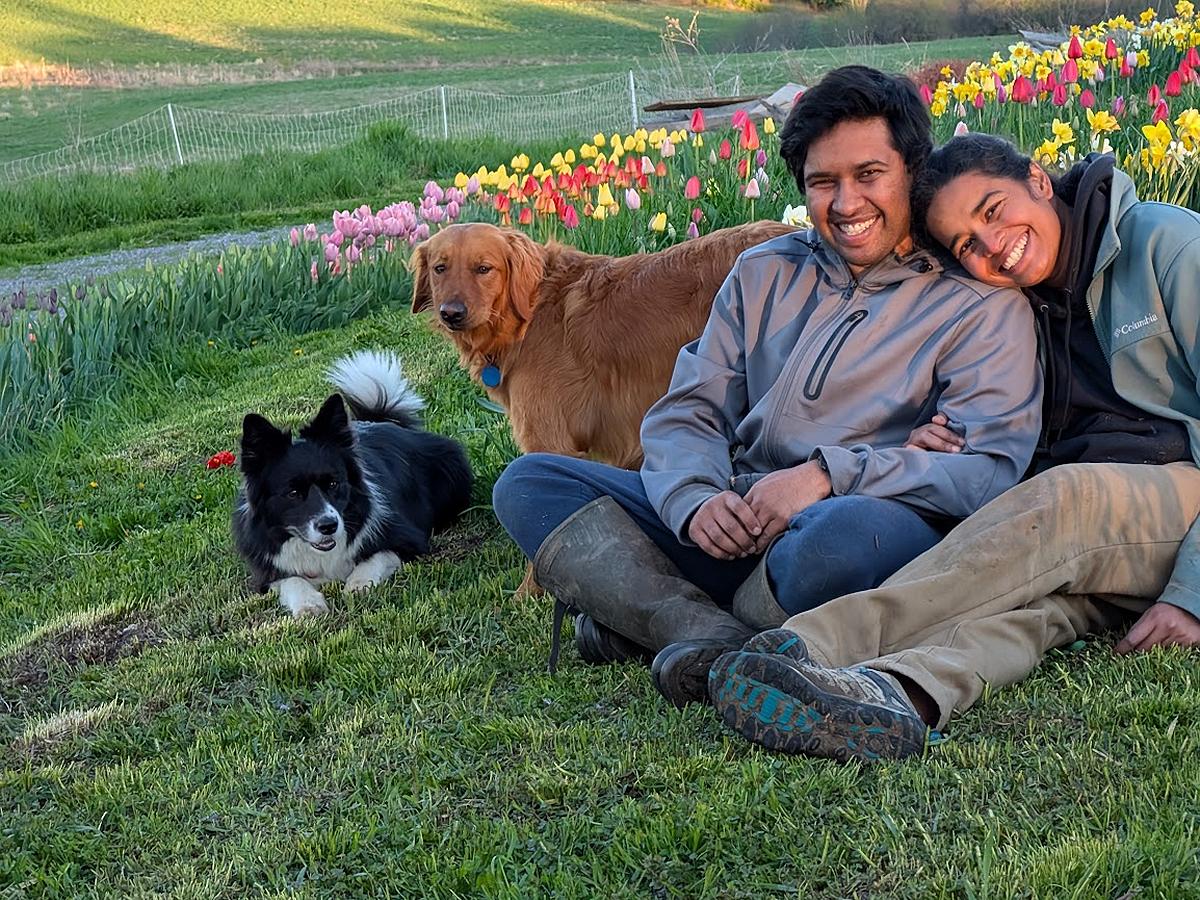
In 2021, the couple took a huge leap from working corporate jobs while living in Oakville to living off the land at Eyra Estate, their farm south of Bailieboro near Rice Lake, just south of Northumberland County’s northern border.
“You’ve just got to jump into it even though you don’t know how to do it,” Dias says. “You won’t succeed at everything, but there’s plenty of things to do, so if you don’t succeed at something, try again. If it still doesn’t work, try something else and keep going.”
While living in Oakville, he and Dsilva had a shared desire to produce their own food and grow something for themselves, but growing vegetables on their condo balcony was not quite cutting it for them.
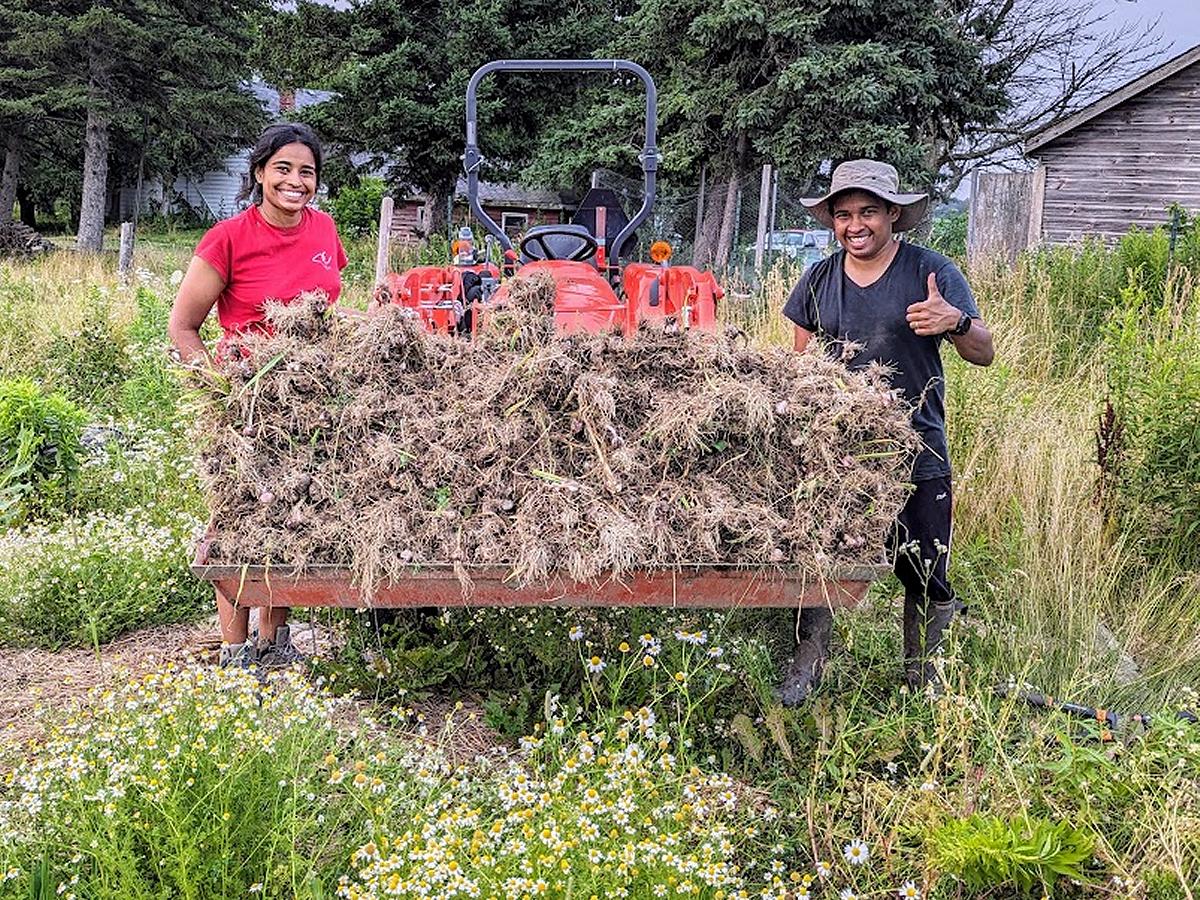
The couple had planned to buy a small piece of land somewhere around the GTA, but when the pandemic hit and they began working from home, they saw it as an opportunity to go even bigger.
“We wanted to eat a specific way, and thought maybe other people will also want to as well,” says Dias. “Instead of buying a small (plot of) land, we thought maybe this work from home will continue and we’ll get a little bit of a larger piece of land so we can feed a few more families as well, along with us.”
After purchasing their 50-acre property, Dias and Dsilva bought six chickens, despite having no farming experience and knowing nothing about raising chickens outside of having read a few books — and then they had to learn to build a chicken coop.
“We were really green in terms of knowing how to live on the land because we had been in the city our entire lives,” Dias admits.
“We didn’t even own a drill — that was one of the first purchases we made when we moved to the farm,” says Dias, noting they watched a lot of videos to build the chicken coop. “Then we’d go from there, one screw in at a time.”
Over the last few years, Dias and Dsilva have continued to grow their family farm, one step at a time. They planted hay, close to 10,000 trees, and partnered with another local farmer to rotationally graze cows for the summer.
“We were outside working on our small vegetable patch that year and he (the farmer) basically just drove by and asked us questions, and that’s how we built the friendship,” Dias says. “We find the people in the area are really friendly and really open to help.”
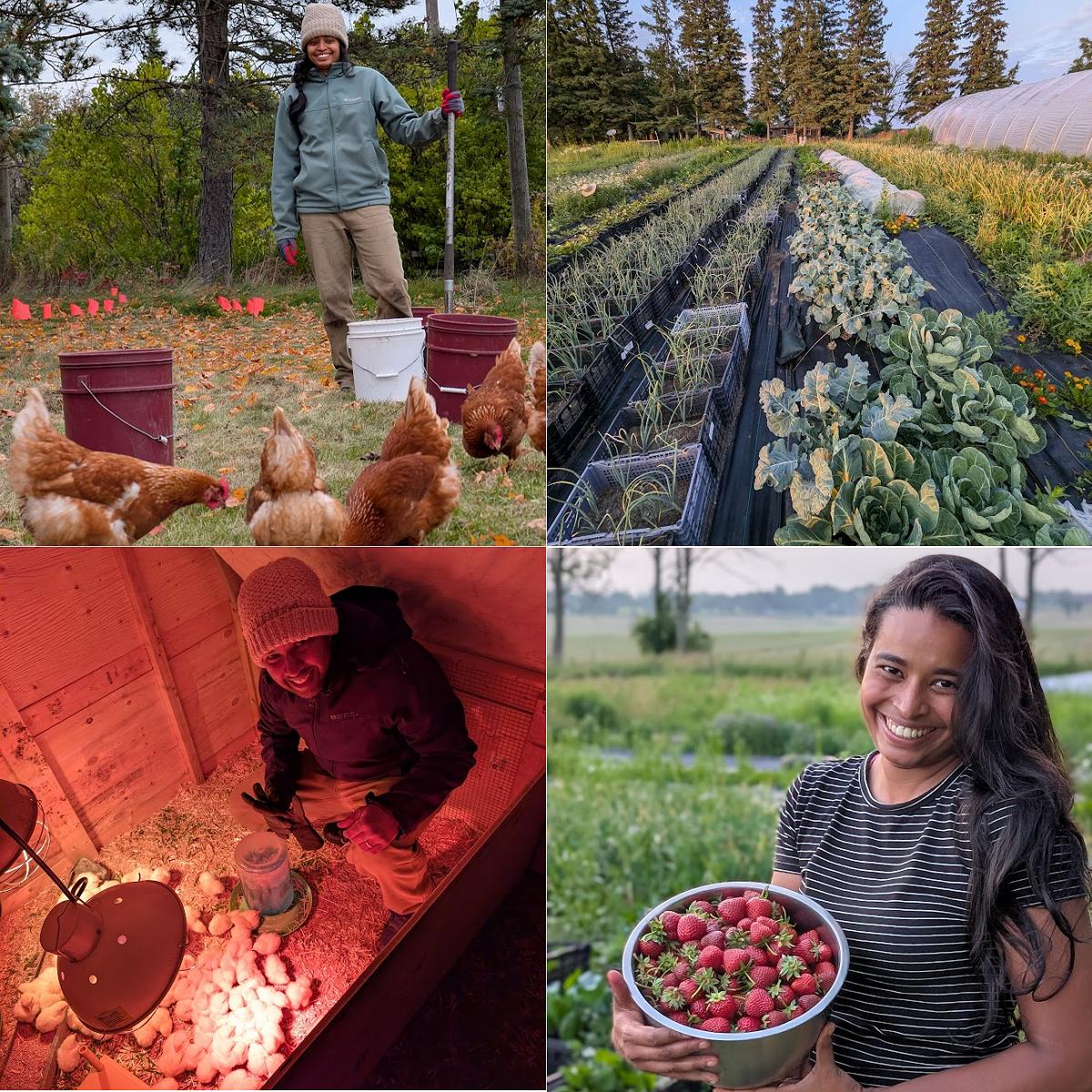
Since then, Eyra Estate has continued to grow a wide range of produce — cucumbers, tomatoes, garlic, zucchini, peppers, strawberries, and much more — while selling eggs and beef and hosting photography sessions on their property.
Dias and Dsilva also tap their trees to make their own maple syrup, which presented another learning curve for the duo.
“The first season we did just one tree and collected a whole bunch of buckets and boiled it on our stove inside the house,” says Dias. “We quickly realized that was a mistake because we couldn’t see each other — there was so much water vapour everywhere.”
Now they use an outdoor wood fire, made with fallen trees and brush, and use the resulting ash as a soil amendment because they are committed to sustainable farming practices from start to finish.
In another example of their trial-and-error approach, Dias and Dsilva launched an agritourism experience at Eyra Estate last spring.
What began with the couple wanting to beautify the gardens outside their home turned into a tulip patch with more than 30 varieties of tulips. For Mother’s Day last year, the couple opened the farm up to the public to enjoy the gardens — and quickly learned they didn’t have the parking capacity to handle the demand.
“It was just a daze because what I’m trying to do is fire-fight and arrange parking and try to figure things out, so I didn’t even get a chance to speak to anyone one-on-one,” Dias says, noting it wasn’t the experience they wanted to provide to their guests. “We didn’t want too many people on the farm at one point. We wanted it to be a little bit more of a quiet, peaceful experience.”
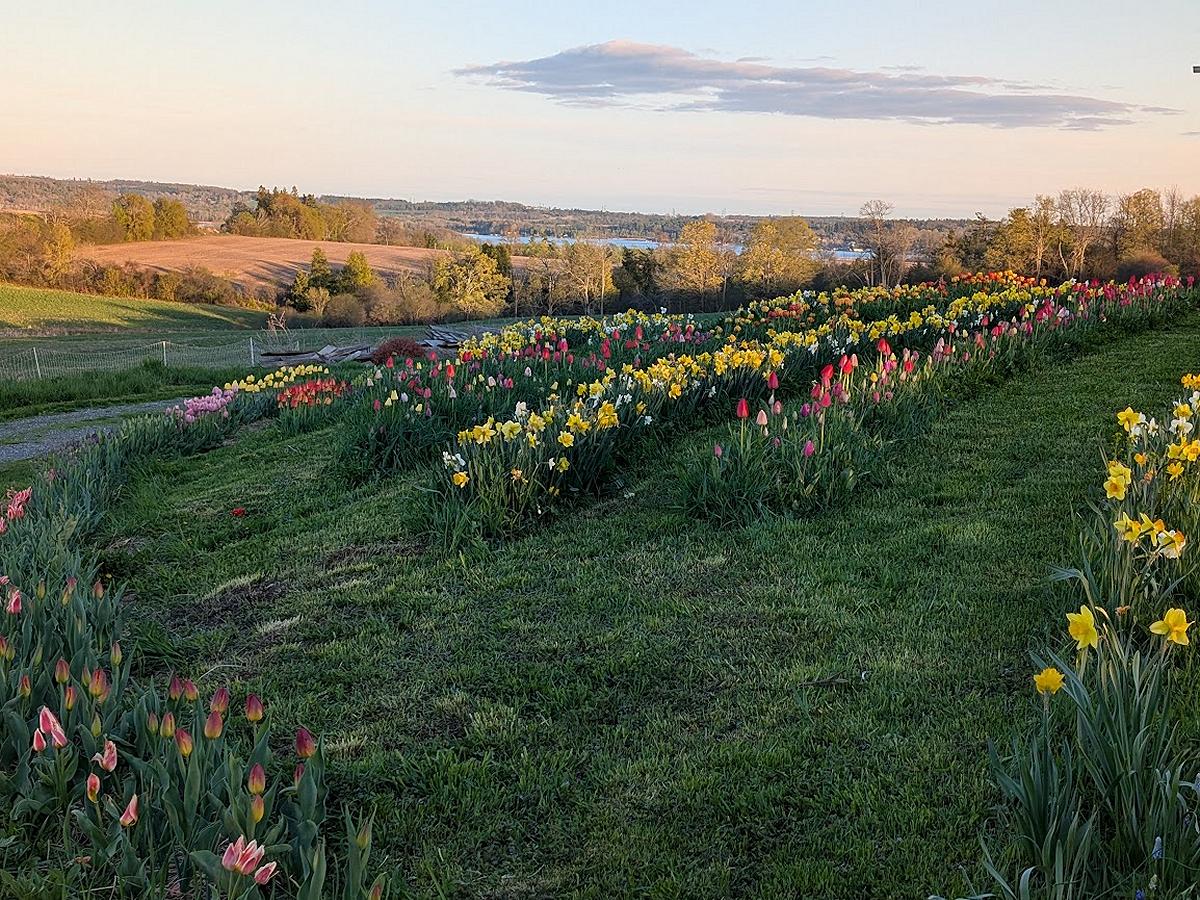
That’s why Eyra was only open for private tours during a two-week period this spring, which Dias estimates brought in between 300 and 400 individual guests.
“I’ve been very positively surprised by the response we’ve gotten,” he says. “I didn’t anticipate so much of a response, to be honest, but I think it’s because people want to get out there, meet other local farmers in the area, and get to know other people producing food.”
“A lot of the questions we get are ‘How do you grow? How do you grow tulips? How do you grow your other produce? How do you raise your chickens?’ It’s a lot of curiosity that’s driving it.”
“I think this also showcases that people want this,” Dias adds. “Hopefully it encourages more farmers around the area to do things like this, because clearly there’s a demand.”
Though they are only a few years into farming, Dias says the hope is that, as he and Dsilva continue to grow and sell their product and experiences, eventually it will be big enough that they can quit their corporate jobs and sustain themselves through Eyra Estate alone.
For more information and to shop online, visit www.eyra.ca.