















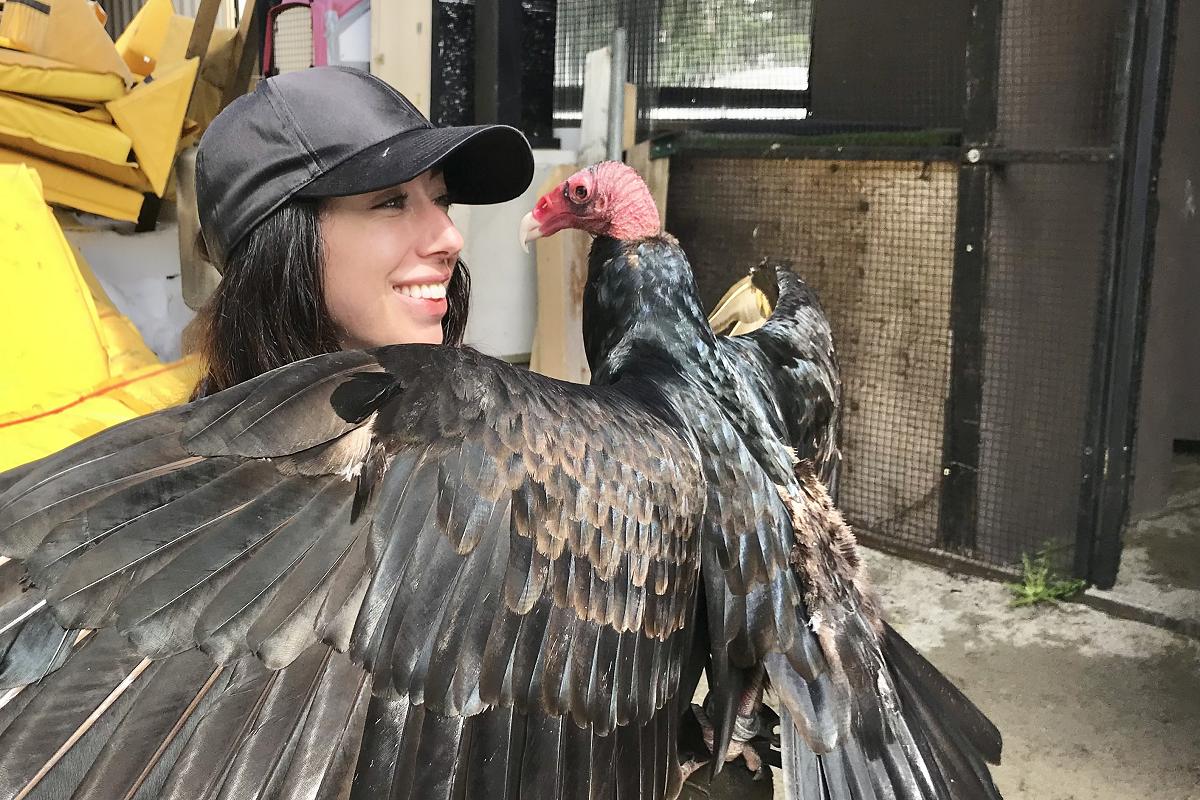
Caolaidhe Keelor has always called herself the “public relations representative” for the turkey vulture. That couldn’t be truer than now that she’s hosting what is, to her knowledge, Canada’s first-ever Turkey Vulture Festival.
The free family-friendly event filled with live music, games, education, conservation, and wildlife encounters will be held on Sunday, September 27 from 11 a.m. to 3 p.m. at Rotary Park in Port Hope.
“I think I’ve been secretly planning this festival for a lot longer than I give myself credit for,” Caolaidhe says. “They have such a bad reputation and they’re my favourite species and I want everyone else to love them as much as I do.”
Living in Kendal near the Ganaraska Forest, Caolaidhe (pronounced Cailey) is a content creator and the mastermind behind Birder She Wrote, a platform where she connects with other wildlife and conservation enthusiasts.
A long-time bird and wildlife lover, Caolaidhe studied falconry and has previously worked with raptors for educational demonstrations and to scare ducks and geese off airport runways. During that time, she loved getting to work with turkey vultures.
“They are by far the most fascinating species I have ever worked with, and I grew such a fond love for them while working, but they do have quite a bad reputation,” she says. “Through movies and media, they tend to always be this ominous bird that is hunched over and waiting for death, and that’s really not the case at all.”
Caolaidhe says she learned that each vulture has its own personality, though she was also fascinated by how they’re a “community-driven species.” She says people often believe the turkey vulture is an “ugly, dirty” bird, but she considers them to be largely misunderstood and explains they’re actually crucial for the health of the ecosystem.
“I don’t think a lot of people know how important they are and that they’re nature’s clean-up crew,” she says. “They’re eating roadkill and carrion that may have rabies, botulism, anthrax, or harmful bacteria, but turkey vultures have such a high acidity level in their stomachs that when they consume those pathogens, when it comes out it’s clean. So, they actually do stop the transfer of disease.”
In fact, the scientific name for the turkey vulture, Cathartes aura, is Latin for “golden purifier” or “cleansing breeze.”
Another common misconception Caolaidhe hears is that the birds eat rotten meat, but they actually have one of the largest olfactory bulbs — the brain structure crucial for processing scents — of any bird. With their excellent sense of smell that can detect carrion from over a kilometre away, turkey vultures usually consume recently killed animals.
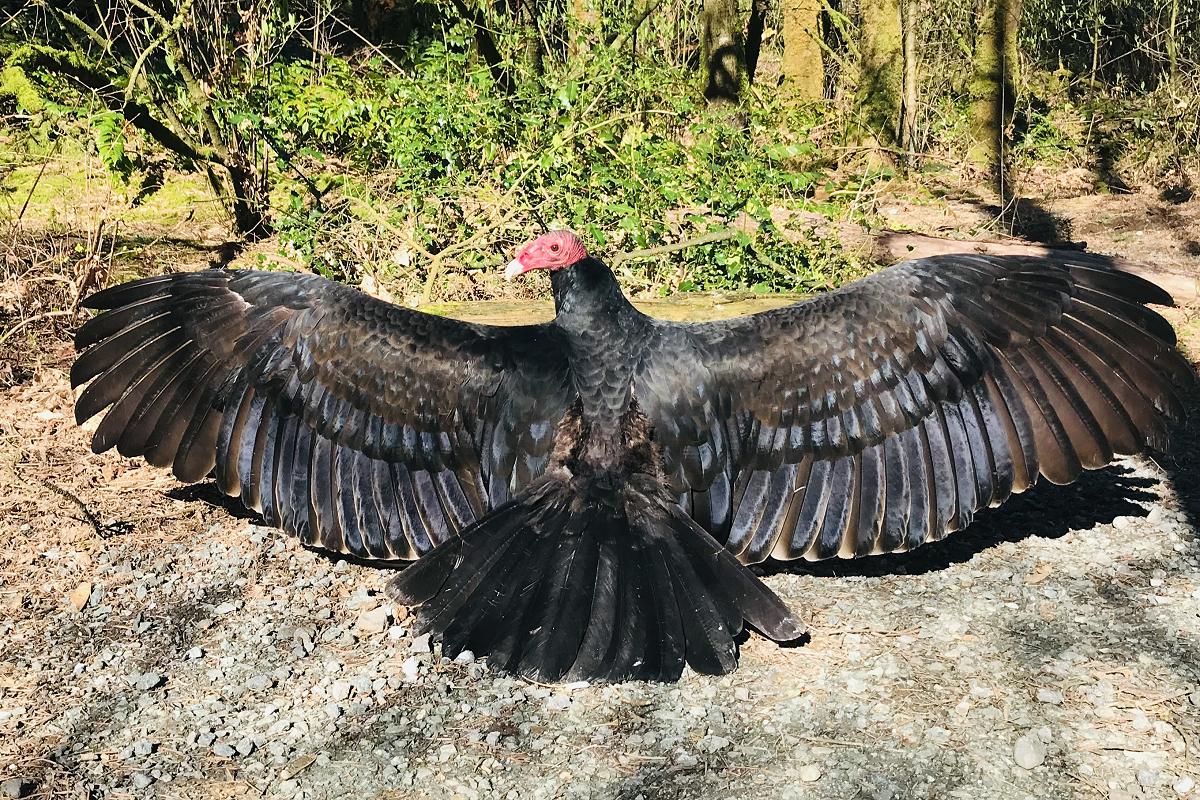
As for what is labelled an unattractive appearance, the turkey vulture’s bald head helps it stay clean while it is buried in carrion. Caolaidhe also likes to break down the misconception surrounding the “ominous” or threatening pose when turkey vultures have their wings out (their wingspan can be up to six feet) in what’s called a “horaltic pose.” That’s really just the raptor warming up their body.
“There’s nothing scary about that,” she says. “While they’re warming up their bodies in the sun, it’s also baking off any of that bacteria that they might have on them from any of the remains (they’ve consumed), so they’re not a very dirty bird as one might think.”
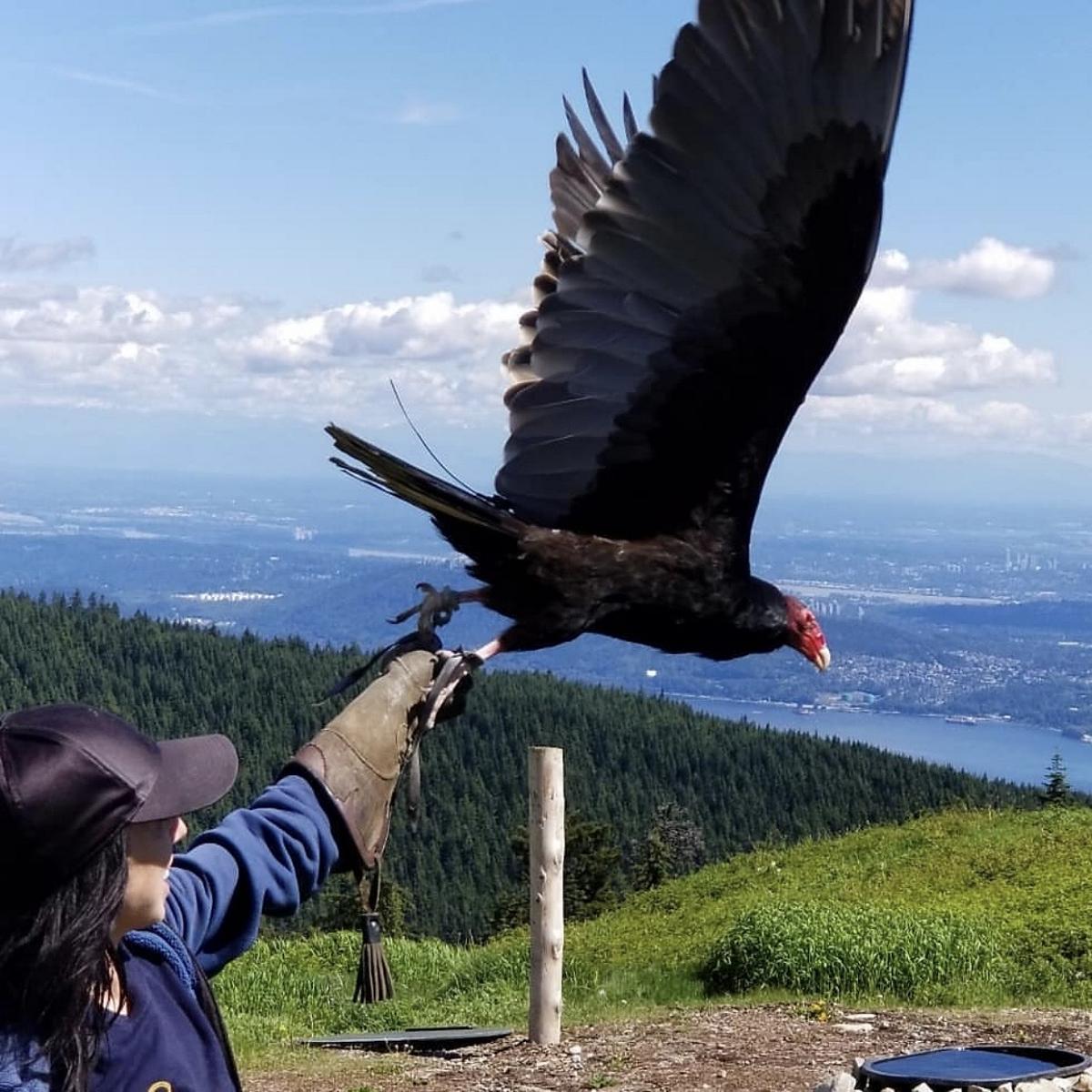
Though Canada has seen a rapid increase in turkey vulture populations since the 1970s, the misguided reputations can still be very harmful to the species.
“One of the major predators to the turkey vultures are humans,” Caolaidhe says. “I’ve heard of people shooting turkey vultures because they think they’re hanging over their cattle, trying to get it. Turkey vultures just truly do not kill.”
“In places where there is a high decline of vulture populations, there’s actually an (increase) of rabies in humans,” she adds, pointing out that dogs that consume a dead rabies-infected animal will become infected with rabies themselves because, unlike turkey vultures, they don’t have a digestive system that will kill the virus. “Dogs bite humans, and it’s a vicious cycle.”
Every year during the salmon run in Port Hope from mid-September to mid-October, Caolaidhe enjoys seeing the turkey vultures gather to consume dead fish. This year, she decided to turn it into an educational opportunity.
“The salmon get a lot of attention for how cool the salmon run is, but what people don’t notice are that there are hundreds of turkey vultures that are aligned in the trees around King Street and along the Ganaraska (River), and what they’re doing is they’re going for the dead salmon to eat it,” Caolaidhe says.
“For the last seven years since I’ve lived here, I go almost daily to see the vultures, and the people all have bad misconceptions of them — they’re worried that they might take their dogs, that they’re dirty — and I decided I wanted to change everybody’s mind and I wanted to throw (the turkey vultures) a party.”
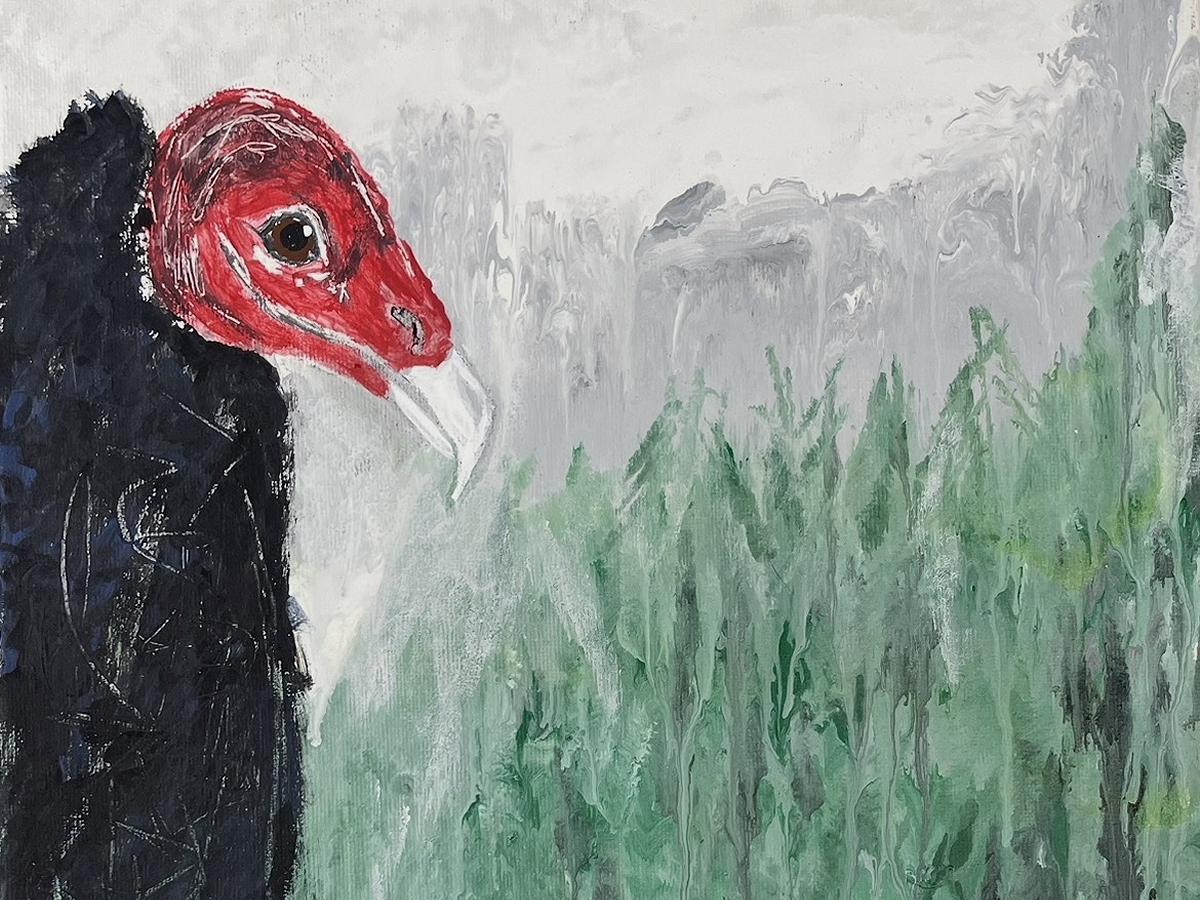
Caolaidhe says it will be a bit of a “going away party” because Port Hope is one of the turkey vulture’s final stops as they make their way down south for their fall migration.
“It’s also a very important stop for them,” she says. “When they make that trek down south, they’ll fly along the eastern flyway and some will go down to the southern states, some will go to Mexico. That’s a long flight and they can lose up to 30 per cent of their body weight by the time they reach their final destination, so it’s very important for them to feed on the Port Hope salmon because that nourishes them for their long flights.”
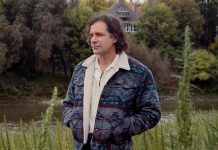
The inaugural Turkey Vulture Festival on September 27 will see music by Caolaidhe’s husband, Greg Keelor of roots-rock band Blue Rodeo, as well as other special musical guests. There will also be a conservation village set up with organizations talking about their work, including Alderville Black Oak Savannah, Ontario Nature, and the Ontario Turtle Conservation Centre.
“A fun fact about turtles and vultures is that they have something very cool in common — they’re both the clean-up crew,” Caolaidhe says. “Turtles are the cleanup crew of the waters and vultures are the cleanup crew of the land, so they’re a good team.”
There will also be experiential learning opportunities with the University of Guelph’s Wild Ontario bringing birds of prey to the festival, and Professor Vernon Thomas sharing information on lead poisoning.
“What people don’t realize is that lead poisoning is very toxic to animals if they (turkey vultures) accidentally eat fragments of lead (buckshot),” Caolaidhe explains. “I feel it’s very important to let hunters know that a bird like a turkey vulture needs a hunter — they need them to leave that field dressing out for them to scavenge — but if there’s lead fragments in there, that can seriously injure or kill a vulture. If they were just to change to copper or non-toxic aluminum (buckshot) instead, it would save many lives.”
At the festival, there will also be artists — including Caolaidhe — selling vulture-themed artwork and merchandise, as well as brands like BRDR Bean, an organic Canadian coffee brand that preserves bird habitats.
Local businesses will also be getting behind the Turkey Vulture Festival by joining in an all-ages scavenger hunt that will get participants feeling “what it’s like to be a vulture,” Caolaidhe. Participants will visit the stores to find vulture facts for a chance to win the grand prize.
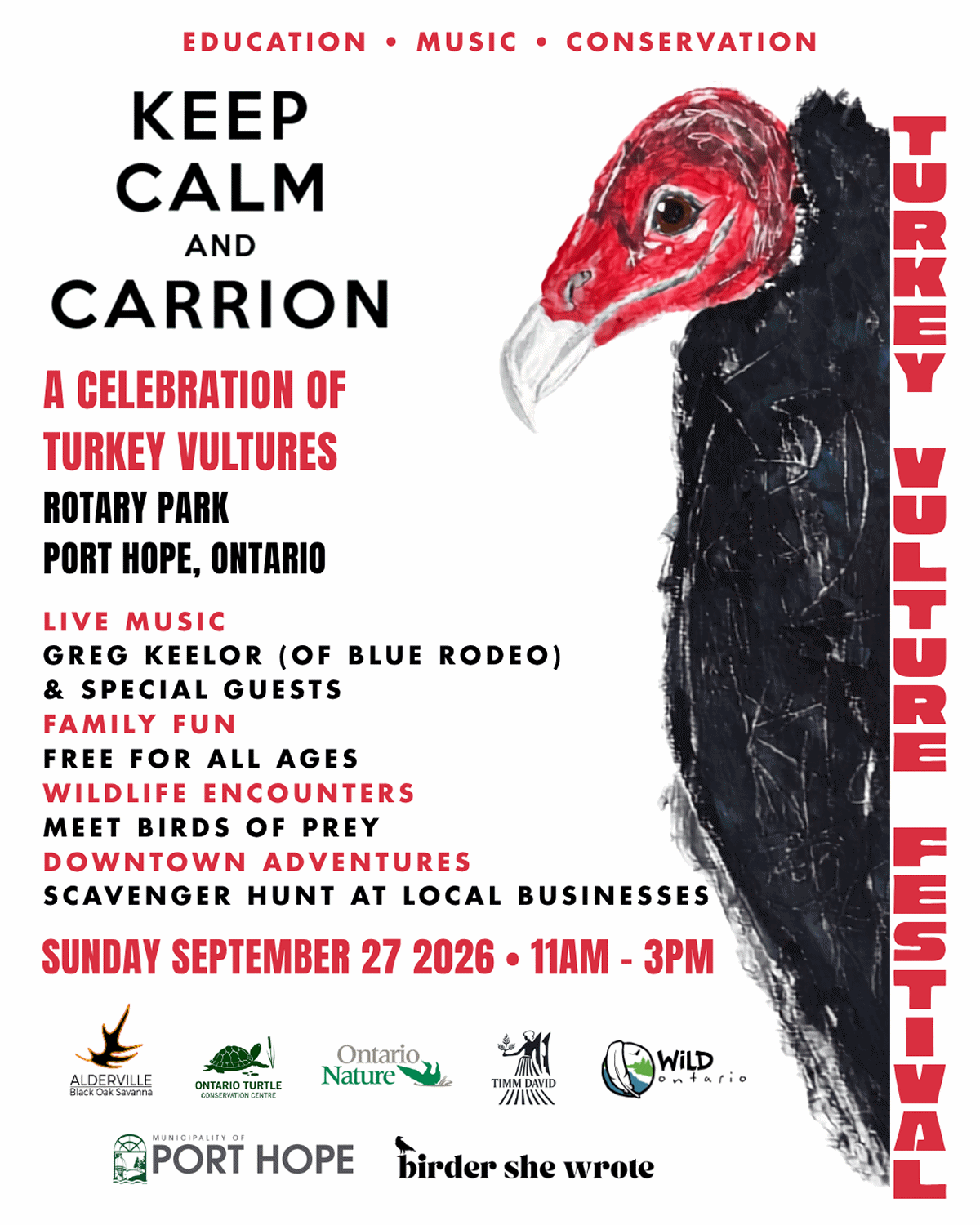
Though the event is free, there will be opportunities to donate to conservation initiatives. The main goal, however, is just to get people to join Caolaidhe on the PR campaign to change the turkey vulture’s reputation.
“I just hope people can see them as not this scary, ominous creature — that they are, in fact, this beautiful bird that really keeps our ecosystems clean,” Caolaidhe says. “They work hard for us. I think there are going to be many ways to fall in love with a vulture.”
More information about the Turkey Vulture Festival will be available at turkeyvulturefestival.com, or follow the Turkey Vulture Festival on Facebook or Instagram.