





















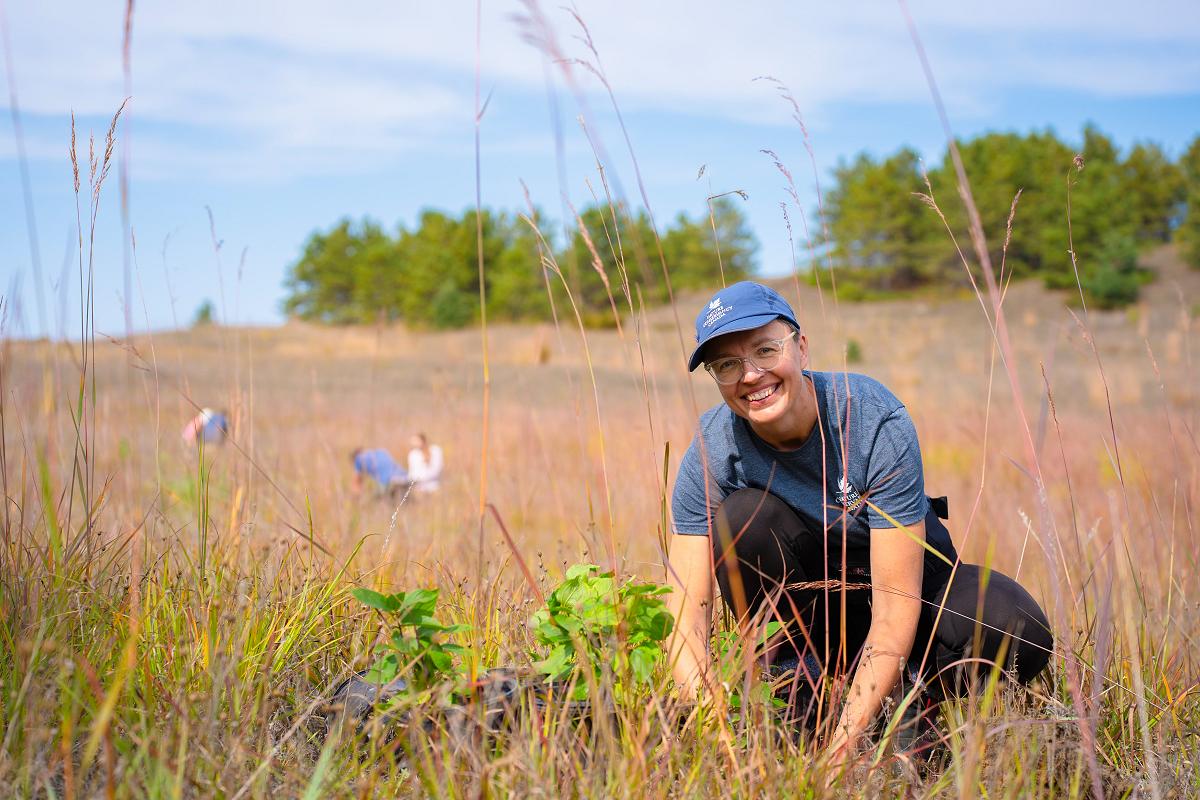
For more than two decades, the Nature Conservancy of Canada (NCC) and its trusted partners have been doing vital work to support the natural world in our own backyards. 2026 marks a milestone of continued efforts to restore the globally rare tallgrass prairie and oak savanna of Rice Lake Plains. Native species that had dwindled — and sometimes disappeared, like the Red-headed Woodpecker — have been spotted returning to the area.
With the long-term support of funders and partners, NCC has been working nonstop to support the growth and the return of native and rare species, steadily rebuilding a vital ecosystem that delivers benefits back to surrounding communities. Whether it’s a mental health walk around Hazel Bird Nature Reserve, or enjoying clean air and fresh water upheld by natural systems, protecting these areas means protecting people, too.
“The Nature Conservancy of Canada is strategic in where we invest our time and resources to have the best and biggest impact on both nature and people,” says Mark Stabb, Central Ontario East Program Director of NCC. “Numerous studies have identified the east end of the Oak Ridges Moraine, otherwise known as the Rice Lake Plains, as a high priority for conservation for a variety of reasons.”
Protecting one of Canada’s rarest ecosystems: the tallgrass prairie
Since 1962, NCC has brought people together to protect the lands and waters that sustain us all. As an environmental charity working hand in hand with communities, Indigenous Nations, governments and businesses, it collaborates with local partners to deliver real benefits on the land for nature and communities.
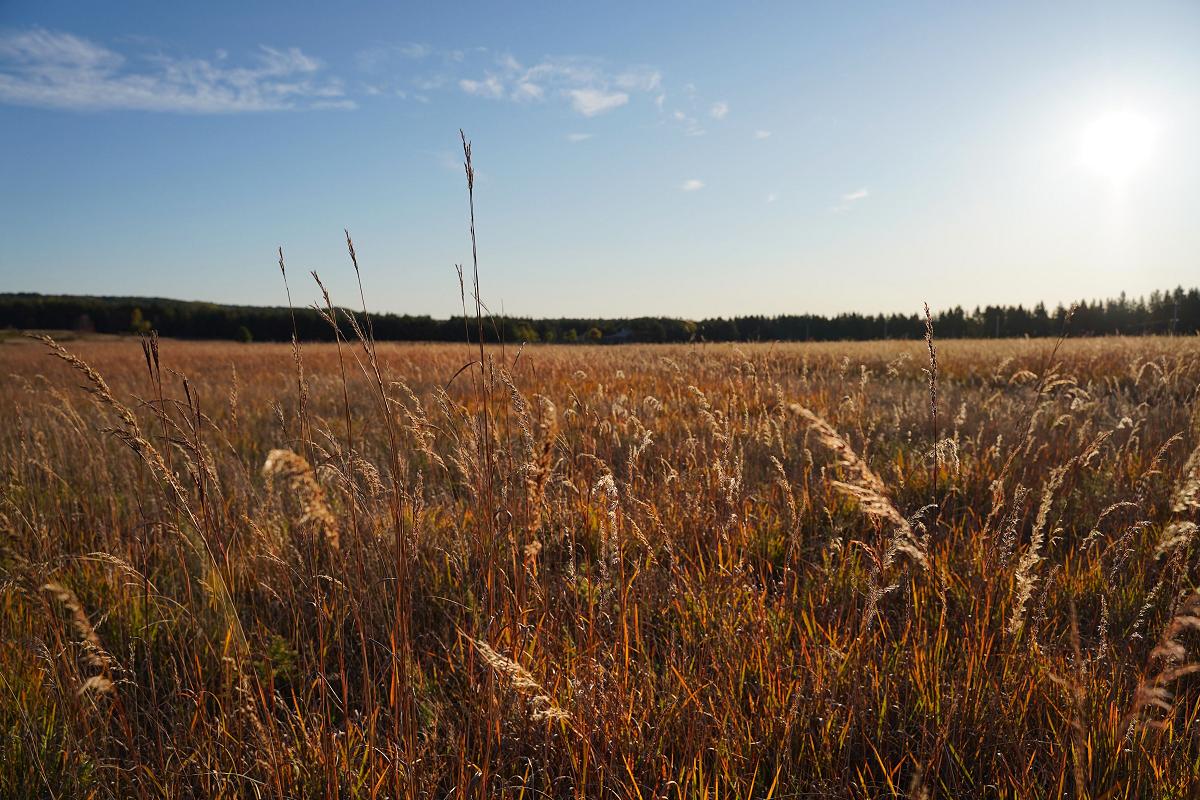
In 2002, a critical area was flagged for protection. NCC began working that year to preserve and restore the rare ecosystem of the Rice Lake Plains, a 40,000-hectare area at the east end of the Oak Ridges Moraine in Northumberland County. Located between Peterborough and Cobourg, it is home to Canada’s easternmost tallgrass communities.
“Some of the tallgrass prairie elements are globally significant, and even more rare than some Amazon rainforest types,” Stabb points out. “So much of this type of habitat has been lost. It’s critically important to protect and then try to restore as much as we can.”
Hazel Bird Nature Reserve showcases successful habitat restoration
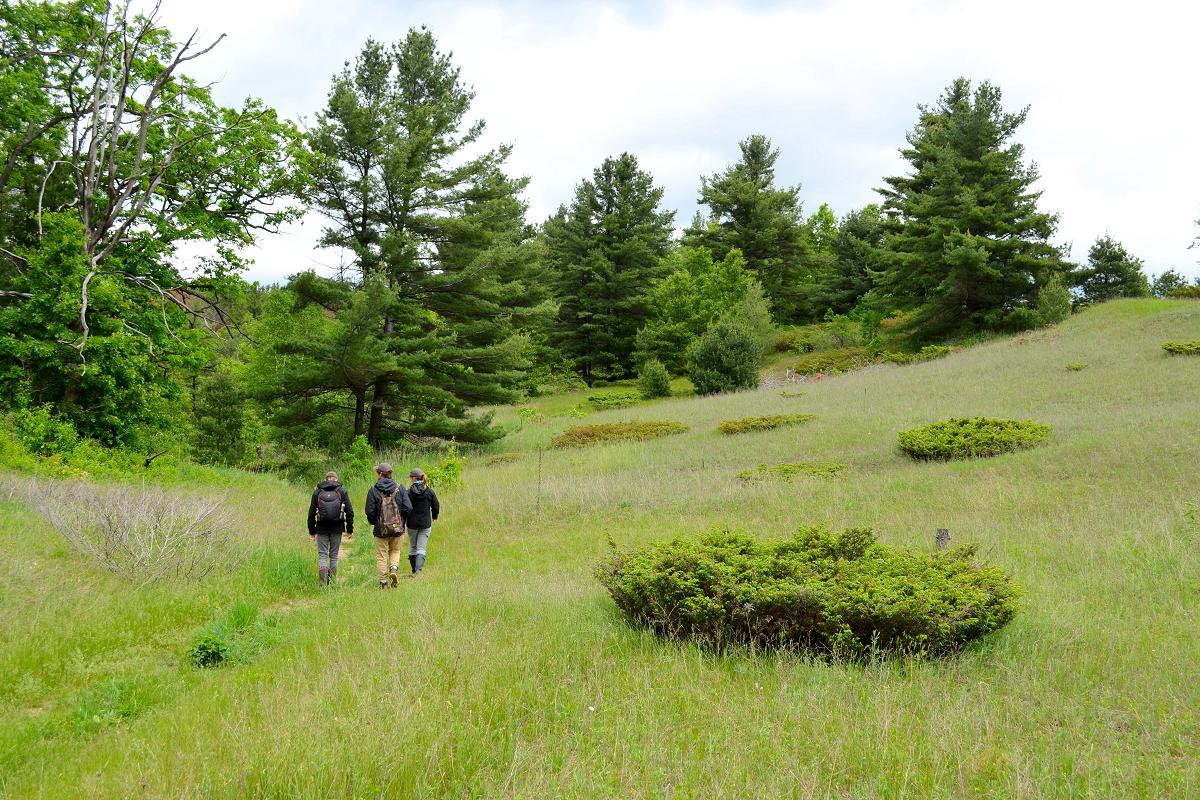
A shining example of the restoration work being done at the Rice Lake Plains can be seen at the Hazel Bird Nature Reserve.
Established with the purchase of 118 hectares in 2011, the reserve was expanded with John O’Neill’s donation of a 39-hectare parcel to the north in 2021 and James Massie’s bequest of a 60-hectare parcel to the south in 2025.
“Hazel Bird Nature Reserve is one of the places we have trails and a parking lot with a trailhead where people can come to visit the beautiful landscape, have a peaceful experience, view wildlife, but also see the habitat that has been restored,” says Ewa Bednarczuk, Coordinator of Conservation Biology in the Rice Lake Plains-Lake Iroquois Plain with NCC.
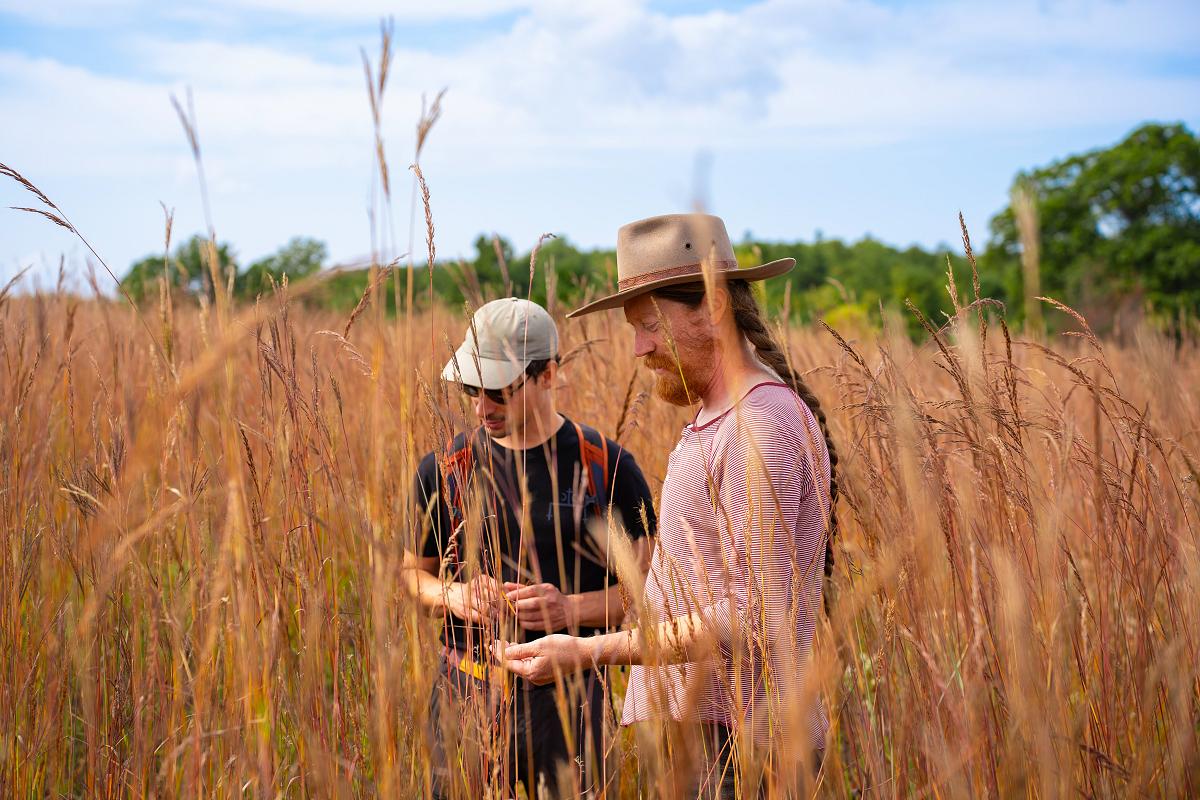
The reserve is named after the late environmentalist Hazel Bird, who Bednarczuk compares to Jane Goodall, but for our feathered friends. A naturalist, educator, and single mother of seven kids, Bird helped re-establish the then-endangered Eastern Bluebird through the Bluebird Trial project, where she recruited friends, neighbours, and strangers to install hundreds of bluebird nesting boxes in farmers’ fields across Northumberland County.
“To see a regular person have such a huge impact on a species in a pretty large area is phenomenal,” Bednarczuk says. “We see bluebirds at Hazel Bird flying around and raising yet another generation, all because of this one person who loved bluebirds and wanted to do something for them. If she could do it, anybody can.”
Now the 217-hectare reserve spans the width of the Oak Ridges Moraine, and is also a significant home to the Eastern Hognose Snake, currently listed as a threatened species in Ontario. Along with habitat loss and road mortality, the snake is often killed by uninformed people who mistake its harmless defensive behaviour for that of a dangerous species. At Hazel Bird, the species can thrive.
Restoration efforts include prescribed burns and removal of invasive species
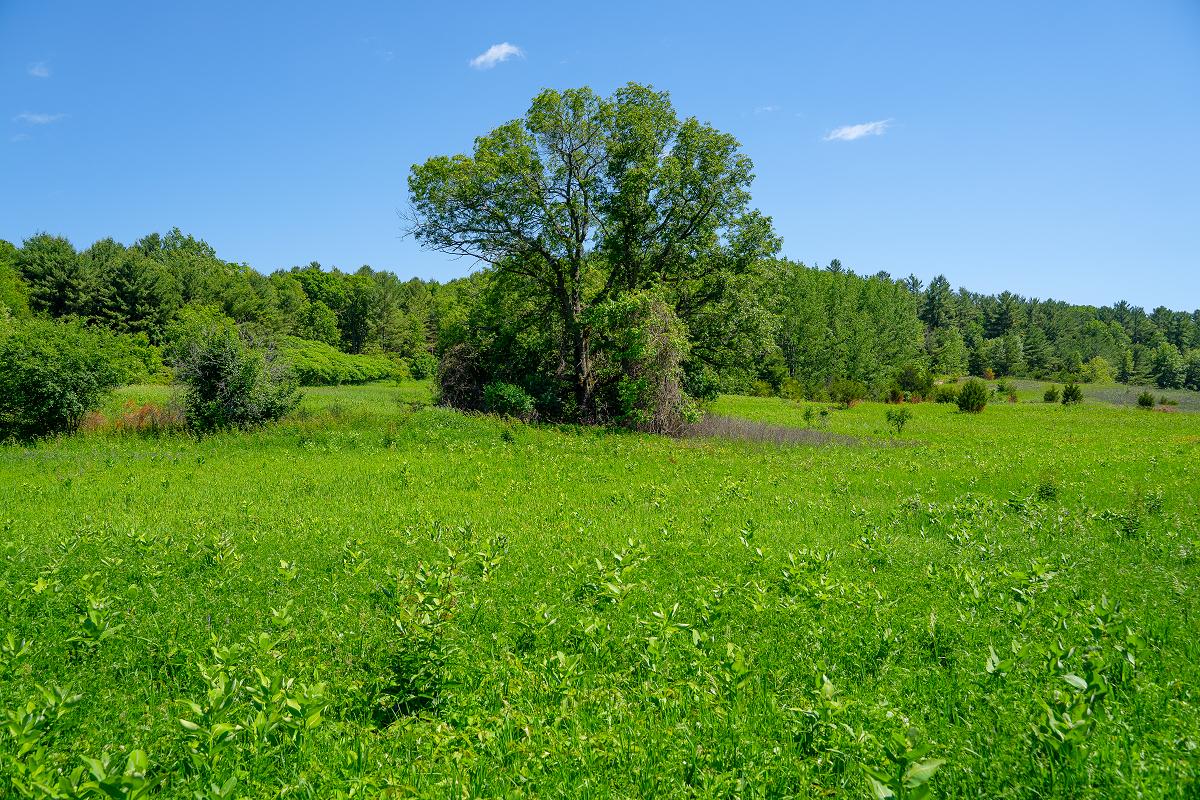
Relying on dry conditions and natural cycles of fires to help maintain it, tallgrass prairies were once present throughout the Midwestern United States and the prairie provinces of Canada. Today, most of that land has been converted to cropland or otherwise developed. For remaining tallgrass communities, wildland fires, invasive species, and human activity (including the use of all-terrain vehicles) all pose major threats.
In the Rice Lake Plains, NCC has worked to acquire some of these lands, remnant sites, and adjoining sites that were once a tallgrass community or could be. The growing network of protected lands supports the growth of a variety of habitats including prairie, savanna, oak woodlands, and sand barrens.
Depending on the site and community, NCC and its partners undertake a range of restoration methods. This might include applying a prescribed fire to burn off some of the leftover woody debris and open the ground cover for seeding.
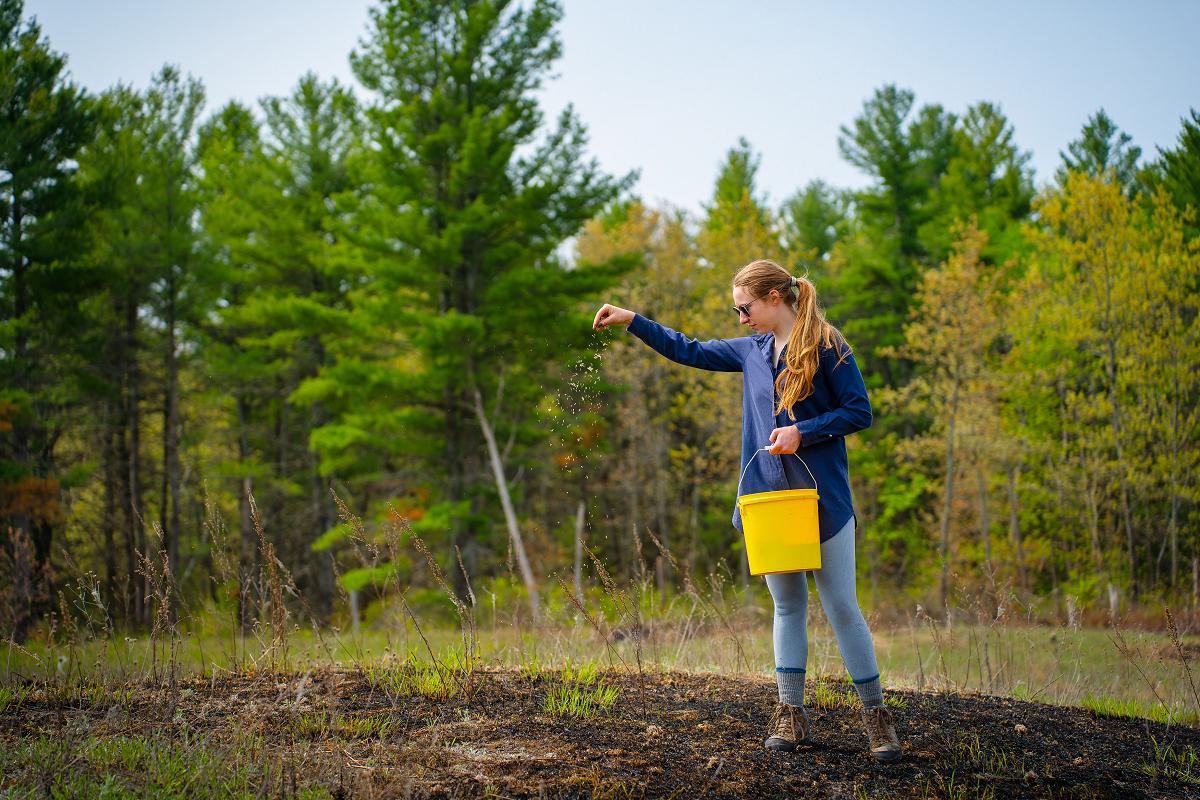
“For example, we’ll take a community that perhaps has been overgrown with trees and shrubs and we’ll thin out some of those species, to go from a forest to a savanna or an oak woodland type of community,” says Ewa Bednarczuk.” Using fire on a regular basis helps to maintain these ecosystems.”
The partners also identify and remove invasive species like Scotch Pine which have become common in the area. This makes space for seeding native species of tallgrasses and wildflowers.
“Every site is different,” Bednarczuk says. “It’s a lot of experimenting, talking to other partners, trying to learn from other sites. We’re trying to restore a community, but there are a lot of unknowns, so we just learn from each other and support each other as we go.”
Native species return to restored landscapes
These restoration efforts have been catalogued through a photo-monitoring series that use before-and-after pictures to show dramatic structural changes following treatment. Field work assessments also monitor how many invasive species have been removed and how many native species have returned after being absent for decades.
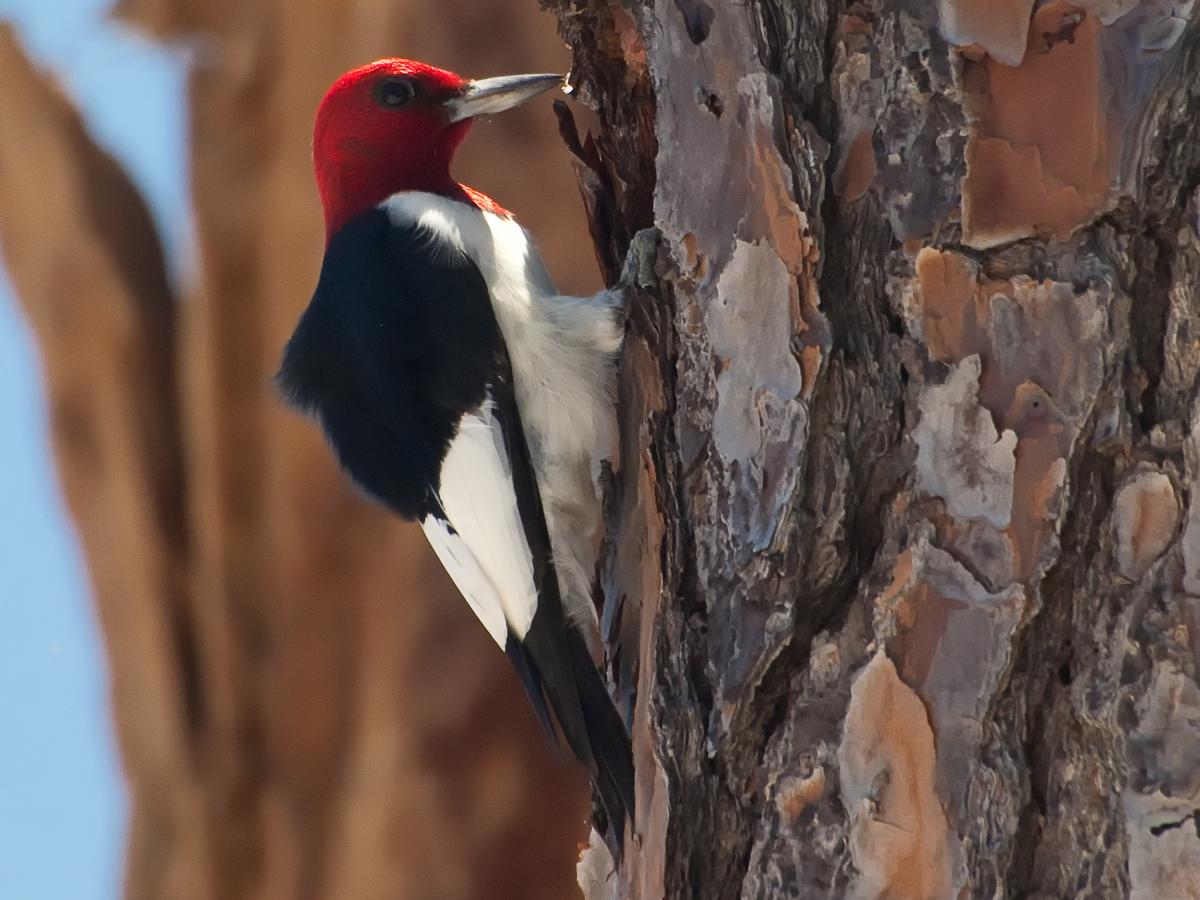
For example, the endangered Red-headed Woodpecker has returned to the oak woodland and savanna properties after nearly 20 years. With enhanced populations of its host plant, New Jersey Tea, the Mottled Duskywing can now be found across the tallgrass properties, while the removal of Scotch Pine has encouraged the return of the Cylindrical Blazing Star flat wildflower.
“These habitats are now so rare on the landscapes, the species that call them home are also rare,” says Bednarczuk. “Because we want to protect diversity of all species and community types, it’s important to target ones like this that are now becoming so rare.”
A partnership rooted in shared stewardship
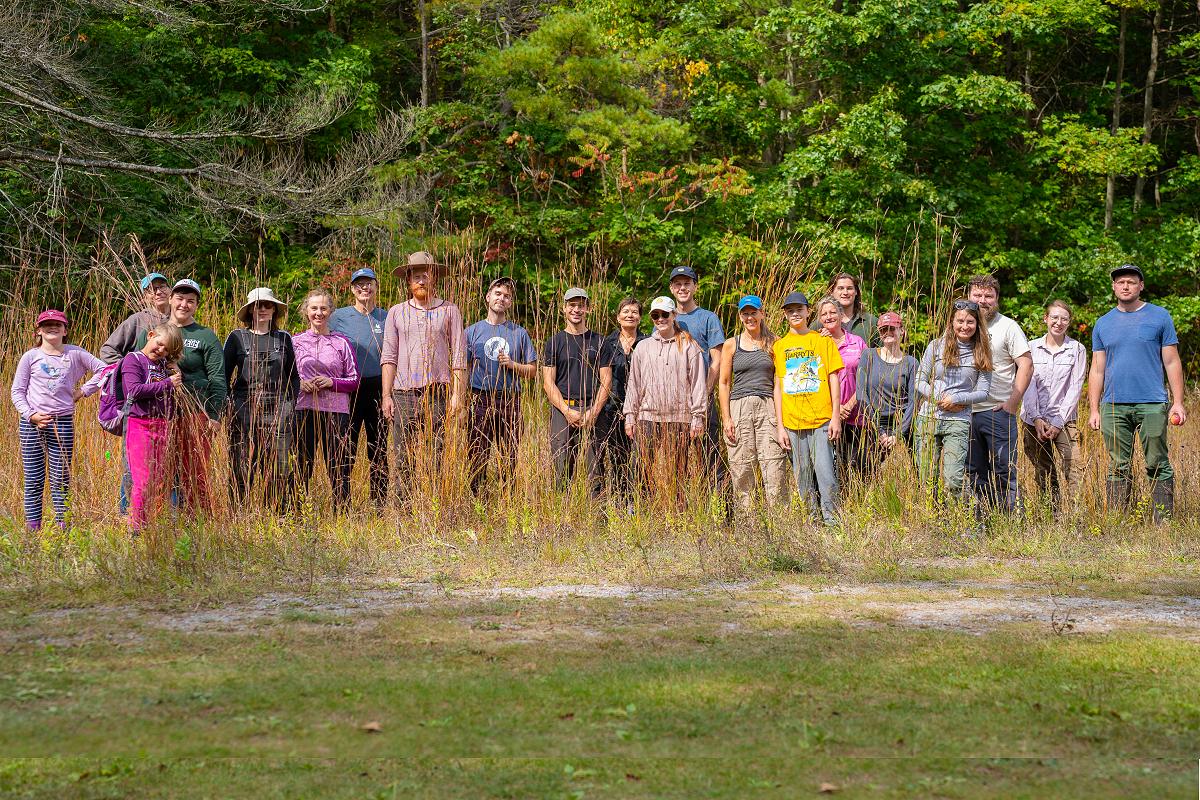
NCC has collaborated with partners at Alderville First Nation, Northumberland County, Ganaraska Region Conservation Authority, Lower Trent Region Conservation Authority, Northumberland Land Trust, Willow Beach Field Naturalists, and Ontario Parks to make this crucial work possible.
The preservation and restoration of the Rice Lake Plains is supported by the Greenbelt Foundation and the Government of Canada through the federal Habitat Stewardship Program for Species at Risk. Additional supporters over the past two decades include the Government of Ontario through the Ministry of Environment, Conservation and Parks and Ontario Power Generation.
“We brought together a variety of groups that have an interest in land or have ownership of land in the area to collaborate, work together, share resources, and promote the idea of tallgrass restoration in the Rice Lake Plains,” Stabb says. “We’ve raised funds to do work on the ground, we’ve shared resources, shared staff, and together have helped raise the profile of this really, really significant and beautiful habitat.”
NCC invites volunteers invited to participate in restoring the Rice Lake Plains
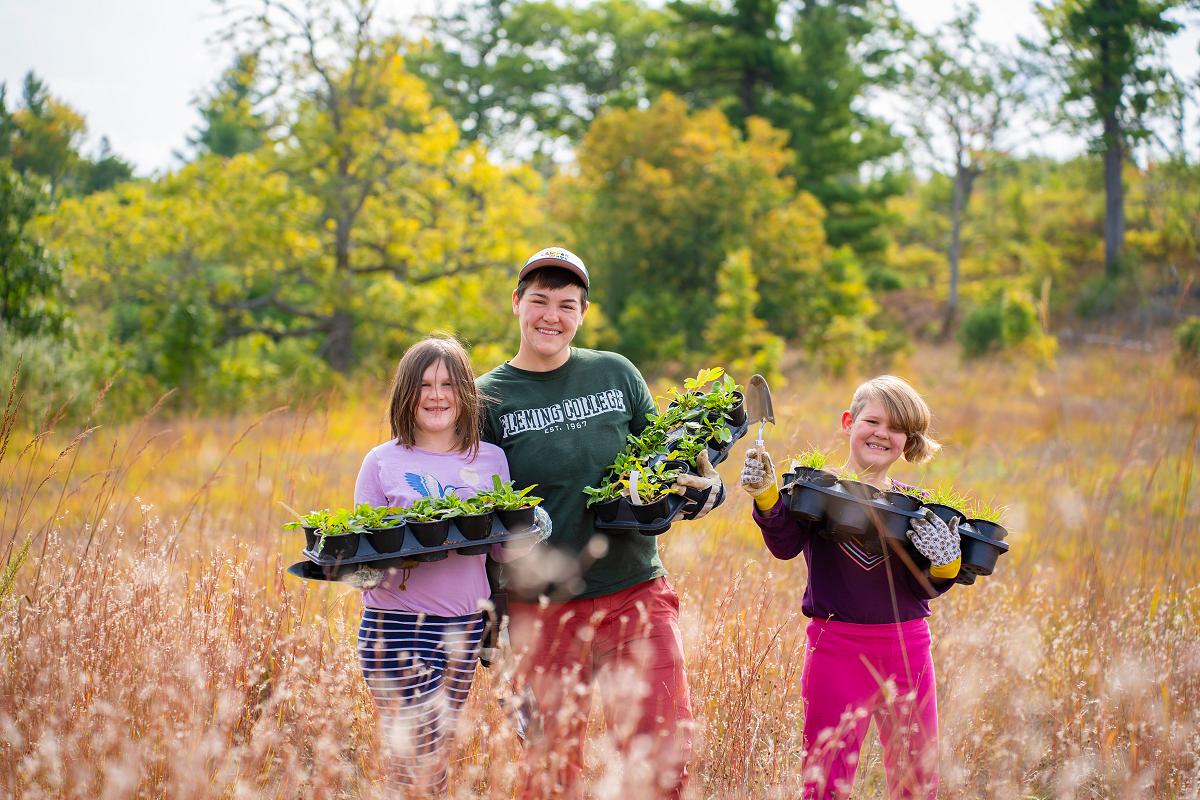
NCC is inviting volunteers to take part in restoring the area by joining events such as tree planting and seed collecting held on various properties — and even butterfly-counting.
The organization hosts an annual butterfly count at Rice Lake Plains, encouraging those without experience to get out and learn about the pollinators and their habitats, with the 2026 event coming up on June 27.
These are just some of the many projects being done by the local partners to support the restoration of these rare grasslands.
“Altogether, it’s a real collective success story of how this locally based partnership can help one another, do things on the ground, then show and inspire others to do the same,” says Stabb. “Together, we’re building a resilient landscape.”
Across Canada, NCC is taking on impactful projects like Rice Lake Plains. Find out how you can help by volunteering or donating at natureconservancy.ca.
This branded editorial was created in partnership with the Nature Conservancy of Canada. If your organization or business is interested in a branded editorial, contact us.