














Home Blog Page 710

Experience live theatre over the phone from 4th Line Theatre in Millbrook

As part of 4th Line Theatre's ongoing programming this summer to stay connected with audiences during the COVID-19 pandemic, the Millbrook theatre company is offering its new Monologue Series, where an actor will call you at no charge to deliver a dramatic reading of one of 27 monologues from 4th Line's archive of plays. Pictured is Sarah McNeilly in 2018 as switchboard operator Alice Cameron in "Crow Hill: The Telephone Play", written by Ian McLachlan and Robert Winslow, which is one of the plays from which monologues are available. (Photo: Wayne Eardley / Brookside Studio)

This morning I received a phone call from Reverend Bobby Angel.

The insidious evangelistic preacher from the play Gimme That Prime Time Religion, last staged at 4th Line Theatre in Millbrook in August 2015, brought down the fist and fury of the almighty in a fiery sermon about the purity of the soul in the troubled times we live in.

It was passionate, persuasive and, at times, frightening to be sitting on the other end of the phone with one of local theatre icon Rob Winslow’s most vivacious and intense characters.

No, COVID isolation hasn’t made me start imagining conversations with theatrical characters from summers past. The phone call was part of 4th Line Theatre’s new @ Home Monologue Series.

Our writer Sam Tweedle received a call from Reverend Bobby Angel, a character created by and originally performed by Robert Winslow in "Gimme That Prime Time Religion", a satire of the hypocrisy of televangelism. You can hear three monologues from that play performed by a 4th Line Theatre actor over the phone. (Photo: Wayne Eardley / Brookside Studio)
Our writer Sam Tweedle received a call from Reverend Bobby Angel, a character created by and originally performed by Robert Winslow in “Gimme That Prime Time Religion”, a satire of the hypocrisy of televangelism. You can hear three monologues from that play performed by a 4th Line Theatre actor over the phone. (Photo: Wayne Eardley / Brookside Studio)

With the tagline “It’s 4th Line Calling”, the series is the latest project by managing artist director Kim Blackwell and her team to keep the 4th Line Theatre experience alive despite losing its 2020 season to the pandemic.

Friends and patrons to 4th Line Theatre can call the box office and choose between 27 selected monologues from a wide range of 4th Line shows, and a participating actor will phone the patron at an agreed-upon time to perform the chosen piece — at no charge. A unique way to keep performance arts alive, the result is a very personal theatrical experience.

While theatres around the world have been forced to close their doors and dim their stage lights, Kim and her staff have been hard at work creating events and content to keep 4th Line Theatre thriving despite daunting restrictions and mass closures.

Advertisement - content continues below


“There was a grief and shock period around the end of March and everybody was working from home,” Kim recalls. “But after Easter I held a staff meeting about what we could do, and that’s where we started to come up with the artist talks, the play readings and, when we found out that we had summer students, we thought about what we could be doing with them.”

While creating online artist talks and play readings, Kim read a story that inspired her to arrange the 4th Line telephone monologues, which are sponsored by the outdoor theatre company’s long-time supporter Nexicom.

“A friend of mine sent me an article about a phone-in monologue series that was being done by a theatre in Massachusetts,” she explains. “So that’s where the idea of taking all the 4th Line plays and doing something like that came from.”

“A lot of older patrons aren’t always tech savvy to Zoom and online technology in terms of interacting, so this phone call is an ability to have an intimate conversation with an actor after the monologue.”

4th Line Theatre managing artistic director Kim Blackwell at the "Box Office" at Winslow Farm in Millbrook in 2018.  Although 4th Line Theatre has postponed its entire 2020 season due to the COVID-19 pandemic, the theatre company is continuing to develop content to engage audiences this summer while planning for an eventual return to live theatre. (Photo: Jeannine Taylor / kawarthaNOW.com)
4th Line Theatre managing artistic director Kim Blackwell at the “Box Office” at Winslow Farm in Millbrook in 2018. Although 4th Line Theatre has postponed its entire 2020 season due to the COVID-19 pandemic, the theatre company is continuing to develop content to engage audiences this summer while planning for an eventual return to live theatre. (Photo: Jeannine Taylor / kawarthaNOW.com)

Shifting through the entire 29-year history of 4th Line programming, Kim put together a selection of 27 monologues for callers to choose from, including scenes from 4th Line classics like Cavan Blazers, Dr. Bernardo’s Children, and Crow Hill: The Telephone Play, as well as newer highly acclaimed shows like The Bad Luck Bank Robbers and Who Killed Snow White?.

“We picked over 50 pages of dialogue from all our shows over the years, and I whittled it down to 27 monologues,” Kim says. “I promised our general manager Lindy Finlan that I’d stick to only 20, but 27 was the best I could do. I tried to pick a wide variety of monologues, as well as ones that would work over the phone without a lot of explanation.”

All the monologues are directed by Kim Blackwell and are performed by Paul Braunstein, Tom McCamus, Chick Reid, Robert Winslow, Maude Rose Craig, Lindy Finlan, Tom Keat, Sara Mountenay, Madison Sheward, and Riley Tutert. Participants can choose from the list of monologues at 4thlinetheatre.on.ca/monologue-series and there is no charge for the performance.

“People can book as many as they want,” Kim says. “They an experience all 27 if they want to.”

The telephone monologue series is only the latest virtual event presented by 4th Line this summer, as the local performance company continues to find innovative ways to keep connected to the community throughout the summer.

Last Friday (July 3), 4th Line staff invited the public back to the Winslow farm in Millbrook for their first-ever outdoor farmers’ market, which gave people a chance to come to the theatre space and connect with the staff and community as Ontario slowly reopens.

“What was exciting about our first farmers’ market was that a lot of the people who came out were our audience members who are missing the theatre,” tells Kim. “It was a chance for them to come out and talk to us, and we are able to let them sit at the picnic tables and have coffee and water. It’s just a chance for people to be out in that space. Part of our success is how much our audience love the Winslow farm.”

4th Line Theatre is also connecting to its audience and the community by hosting a weekly farmers' market every Friday morning at the Winslow farm in Millbrook. (Graphic: 4th Line Theatre)
4th Line Theatre is also connecting to its audience and the community by hosting a weekly farmers’ market every Friday morning at the Winslow farm in Millbrook. (Graphic: 4th Line Theatre)

The farmers’ market will continue on Fridays throughout the summer, and 4th Line plans to create more intimate outdoor events for people to come to the farm.

“We are hoping to do more things,” Kim reveals. “We’ve been talking about doing yoga and meditative walks out at the farm in August, and I think we will be proceeding with those plans.”

Kim will also continue her online business and arts, including a breakfast talk with Peterborough mayor Diane Therrien this Friday (July 10) and Andre Pyle of the Pyle Group next Friday (July 17). Then, through August, Kim will be hosting another three artist talks, whose guests are still being confirmed.

Although most theatre groups are still navigating the current situation, 4th Line Theatre is already creating content and finding ways to connect, perform, and entertain — and even prepare for the future when in-person theatre can resume. New shows have been written and will be workshopped throughout the summer.

The monologue series is an innovative and intimate experience that allows 4th Line’s public to revisit some of their favourite shows, have a taste of the ones that they missed, and to quench their thirst for the live theatre they are missing.

For more information on 4th Line’s Monologue Series, visit 4thlinetheatre.on.ca/monologue-series and phone the box office at 705-932-4445 (toll free at 800-814-0055) to book a performance.

Meanwhile, for information on all of 4th Line Theatre’s continuing summer programming, visit 4thlinetheatre.on.ca.
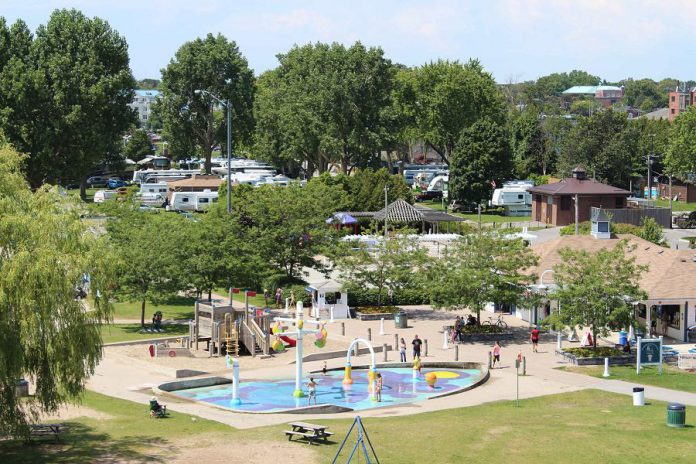
Cobourg’s Victoria Park splash pad reopens on July 10

The splash pad in Victoria Park in Cobourg will be open daily effective July 10, 2020, but with new health and safety protocls in place due to COVID-19. Capacity will be limited to 10 people at a time, and wo staff from YMCA Northumberland will be on-site daily to assist splash pad users and ensure rules and procedures are being followed. (Photo: Town of Cobourg)

If you’re a Cobourg resident looking to beat the heat, you have another option beginning on Friday (July 10).

The splash pad in Victoria Park will reopen to the public at 9 a.m. on Friday, but with new rules and guidelines in place due to the COVID-19 pandemic.

The Victoria Park splash pad will operate seven days a week, Monday to Sunday, from 9 a.m. until 5 p.m. (weather permitting).

Advertisement - content continues below


Staff will ensure the splash pad is thoroughly cleaned and sanitized three times daily and will wear personal protective equipment when required. The splash pad will be closed daily during opening hours between 12 p.m. and 1 p.m. for cleaning.

The splash pad has been fenced off to control and limit the occupancy to a maximum of 10 people at a time. A roped entrance line has been created, and two staff from YMCA Northumberland will be on-site daily to assist splash pad users and ensure rules and procedures are being followed.

To ensure the health and well-being of staff, visitors, and the community, the following strict protocols will be enforced to help reduce the risk and spread of COVID-19:

  • Do not enter if you suspect you have COVID-19 or if you have any known symptoms.
  • All users must apply hand sanitizer prior to entering.
  • A physical distance of two metres must be maintained from other users and staff.
  • Do not spit or blow your nose in the water spray.
  • The only equipment allowed in the splash pad are goggles.
  • splash pad users must enter through the east side and exit on the west side.

Those who fail to adhere to the following rules and procedures will be asked to leave the splash pad immediately.

Daily COVID-19 update for Peterborough and the greater Kawarthas region – July 9, 2020

kawarthaNOW is providing a daily report of COVID-19 cases in the greater Kawarthas region.

Here’s today summary: there are 95 confirmed positive cases in the Peterborough area (93 resolved), 170 in the City of Kawartha Lakes (149 resolved), 21 in Northumberland County (21 resolved), 10 in Haliburton County (9 resolved), and 43 in Hastings County and Prince Edward County (37 resolved).

There are no new cases to report in Peterborough; the last positive case was reported on June 20, and there are no current active cases. There are no new cases in Kawartha Lakes, Northumberland, or Haliburton, with 2 additional cases resolved in Kawartha Lakes. The next report for Hastings County and Prince Edward County will be available on July 10; however, the last positive case was reported there on May 18.

There has been a total of 39 deaths. The most recent death was reported on May 7 by Hastings Prince Edward Public Health.

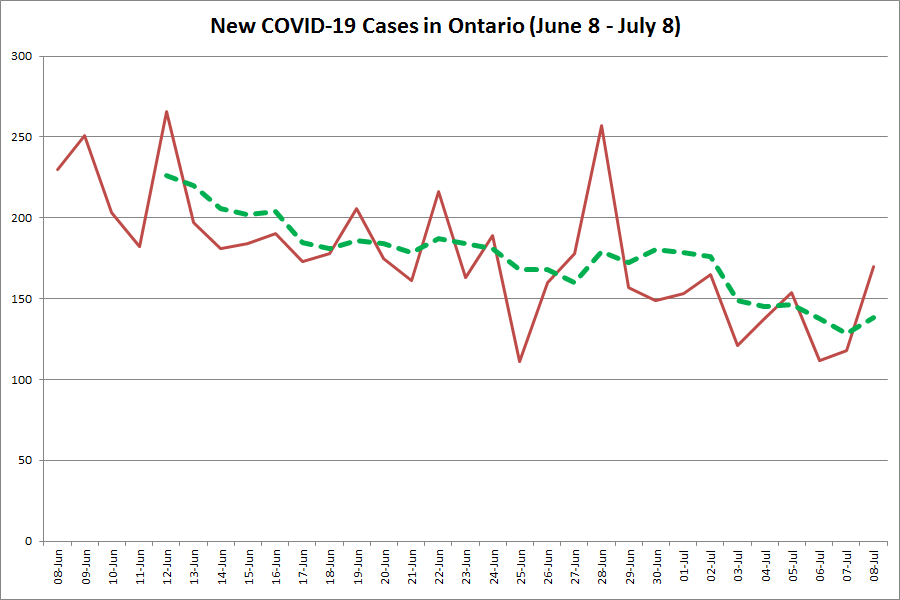
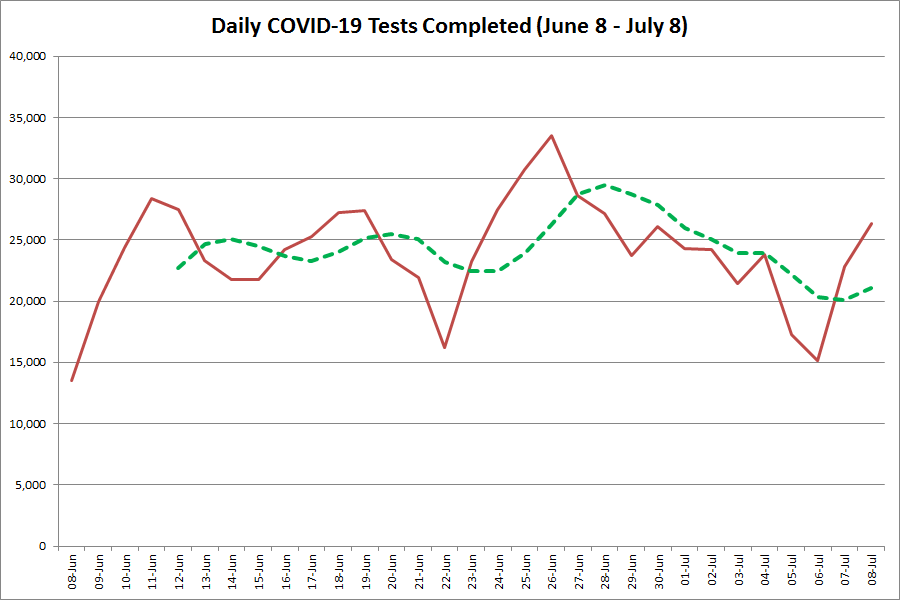
Province-wide, there are 36,348 confirmed cases, an increase of 170 from yesterday’s report. A total of 31,977 cases are resolved, an increase of 172 from yesterday. There have been 2,703 deaths, an increase of 3 from yesterday, with 1,722 of the deaths being residents in long-term care homes (no change). A total of 1,608,687 tests have been completed, an increase of 26,326 from yesterday, with 21,648 tests under investigation, an increase of 4,532.

This report is based on data supplied by the province’s integrated Public Health Information System (iPHIS), as well as any additional information supplied by health units and hospitals. This information is at least 24 hours old, so it is not real-time data.

We publish the daily report, usually by late afternoon, with the most current information released by health units. Note that each health unit reports the information in a different way.

Advertisement - content continues below


Peterborough Public Health

Peterborough Public Health’s service area is the City and County of Peterborough and the Hiawatha and Curve Lake First Nations.

Confirmed positive: 95 (no change, last positive case was on June 20)
Active cases: 0 (no change)
Deaths: 2 (no change)
Resolved: 93 (no change)
Total tests completed: Over 18,550 (no change)
Institutional outbreaks: None (no change)


Haliburton, Kawartha, Pine Ridge District Health Unit

The Haliburton, Kawartha, Pine Ridge District Health Unit’s service area is the City of Kawartha Lakes, Northumberland County, and Haliburton County.

Note: The health unit is now only providing reports Monday to Friday, holidays excluded.

Confirmed positive: 201, including 170 in Kawartha Lakes, 21 in Northumberland, 10 in Haliburton (no change)
Probable cases: No longer reported
Hospitalizations: 13 (no change)
Deaths: 32 (no change)
Resolved: 179, including 149 in Kawartha Lakes, 21 in Northumberland, 9 in Haliburton (increase of 2 in Kawartha Lakes)
Institutional outbreaks: None


Hastings Prince Edward Public Health

Hastings Prince Edward Public Health’s service area is Hastings County (including Bancroft) and Prince Edward County.

Note: The health unit is now only updating its report on Monday, Wednesday, and Friday, excluding statutory holidays. The numbers below are from July 8; the next update will be July 10.

Confirmed positive: 43 (no change, last positive case reported on May 18)
Probable cases: 181 (no change)
Deaths: 5 (no change)
Hospitalized: 0 (no change)
Hospitalized and in ICU: 0 (no change)
Hospitalized and in ICU on ventilator: 0 (no change)
Recovered: 37 (no change)
Total tests completed: 12,509 (increase of 994)
Institutional outbreaks: None (no change)

Advertisement - content continues below


Province of Ontario

Confirmed positive: 36,348 (increase of 170)
Resolved: 31,977 (increase of 172)
Hospitalized: 123 (no change)
Hospitalized and in ICU: 31 (decrease of 4)
Hospitalized and in ICU on ventilator: 23 (decrease of 3)
Deaths: 2,703 (increase of 3)
Deaths of residents in long-term care homes: 1,722 (no change, 63.7% of all deaths)
Total tests completed 1,608,687 (increase of 26,326)
Tests under investigation: 21,648 (increase of 4,532)

New COVID-19 cases in Ontario from June 8 - July 8, 2020. The red line is the number of new cases reported daily, and the dotted green line is a five-day moving average of new cases. (Graphic: kawarthaNOW.com)
New COVID-19 cases in Ontario from June 8 – July 8, 2020. The red line is the number of new cases reported daily, and the dotted green line is a five-day moving average of new cases. (Graphic: kawarthaNOW.com)
COVID-19 tests completed in Ontario from June 8 - July 8, 2020. The red line is the number of tests completed daily, and the dotted green line is a five-day moving average of tests completed. (Graphic: kawarthaNOW.com)
COVID-19 tests completed in Ontario from June 8 – July 8, 2020. The red line is the number of tests completed daily, and the dotted green line is a five-day moving average of tests completed. (Graphic: kawarthaNOW.com)


For more information about COVID-19 in Ontario, visit covid-19.ontario.ca.

Local health unit issues order for migrant farm workers in Kawartha Lakes, Northumberland, and Haliburton

The Haliburton, Kawartha, Pine Ridge District Health Unit issued an order on Thursday (July 9) to help prevent the spread of COVID-19 among migrant workers on farms in Kawartha Lakes, Northumberland, and Haliburton.

The order was made under Section 22 of Ontario’s Health Protection and Promotion Act, which allows a medical officer of health to issue orders related to communicable diseases.

The health unit sent the order, which took effect at 12 p.m. on Thursday (July 9), to all owners and operators of agricultural farms that employ migrant farm workers, participate in the federal temporary farm worker program, or operate any model of seasonal housing accommodations.

Advertisement - content continues below


“While we have not seen large COVID-19 outbreaks at farms in our area, the health unit is taking this step to help further reduce the risk to the people working in our area farms and the residents of our community,” says medical officer of health Dr. Lynn Noseworthy.

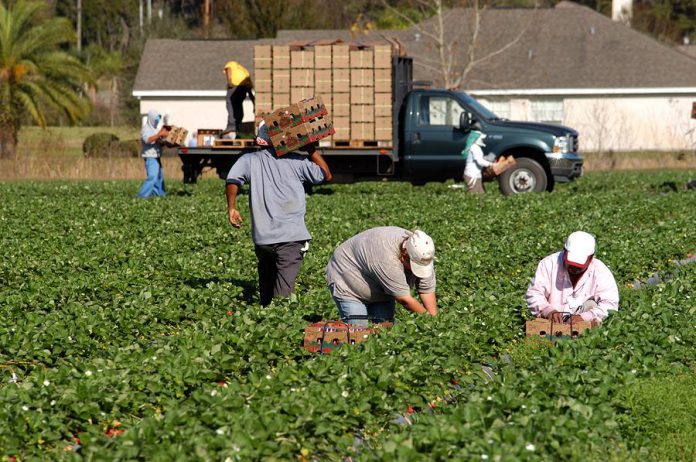
Ontario has seen continued COVID-19 outbreaks among migrant workers, especially in Windsor-Essex. On Thursday, Ontario reported 170 new COVID-19 cases, of which 86 were from Windsor-Essex as a result of increased testing of temporary farm workers.

Under the health unit’s order, all owners and operators of agricultural farms in Kawartha Lakes, Northumberland, and Haliburton must follow a number of actions, including:

  • Notifying the health unit when migrant and/or temporary farm workers will be arriving at the farm.
  • Ensuring that all current and future employees are working exclusively at one workplace. Employees or contracted employees who are employed at more than one agricultural farm operation must immediately limit this to one farm.
  • Ensuring that all temporary farm workers who have arrived in Canada are in quarantine for 14 days from the date of arrival in Canada as per the Quarantine Act and that no temporary farm worker works on any farm until after the completion of the quarantine period.
  • Ensuring that temporary farm workers in quarantine are in accommodations that have been inspected by the health unit and has provisions for laundry and cleaning. Owners and operators are also required to ensure grocery supplies and/or meals are provided to temporary farm workers in quarantine.
  • Following any directions provided by the health unit pertaining to COVID-19, including adherence to self-isolation orders issued to employees, ensuring that public health measures are maintained at all times in the workplace, and supporting all aspects of investigations related to communicable diseases conducted by the health unit.

The complete order is available below.

While the health unit says most owners and operators of agricultural farms have been compliant with requirements, Dr. Noseworthy says the order provides the health unit with a proactive legal measure to strengthen its ability to prevent the spread of the virus and ensure the health of essential food workers.

“We have been working closely with our farm operators throughout the pandemic response and we are pleased that we have not seen outbreaks similar to those experienced in other parts of the province,” Dr. Noseworthy says. “If we all continue to work together, we can keep each other safe.”

For more information about the order, visit the health unit’s website at www.hkpr.on.ca or call 1-866-888-4577, ext. 5020.

PDF: Haliburton, Kawartha, Pine Ridge District Health Unit Section 22 Class Order on Migrant Farm Workers
Haliburton, Kawartha, Pine Ridge District Health Unit Section 22 Class Order on Migrant Farm Workers

Stimulus funding can kickstart a greener and more resilient economy

Like many local businesses, the GreenUP Store has adapted to survive the COVID-19 pandemic and reopened to the public on July 8, 2020. GreenUP has long offered energy reduction programs to businesses in the City of Peterborough, and is taking the next step to support local business action through the development of Green Economy Peterborough. Green Economy Peterborough can help ensure local businesses are in a strong position to benefit from future climate funding or green stimulus programs. (Photo: Benjamin Hargreaves)

As shops, offices, and restaurants in Peterborough adapt their business models and work to carefully reopen, we are reconciling with new economic realities.

COVID-19 has illuminated the precarious nature of our communities in many ways, threatening a large number of businesses and sectors. Many in our vibrant local business community are likely to require financial assistance over the coming months and beyond in an effort to recoup losses and re-build.

The time is now to consider how we might move forward by developing more sustainable and resilient economies and communities.

Advertisement - content continues below


In response to the pandemic, the provincial and federal governments have introduced a number of funding programs designed to support businesses. While all levels of government work to develop post-pandemic economic recovery plans, there is a unique opportunity for change towards a healthier and more resilient economic and environmental future.

Stimulus spending is spending as a result of government policy that is introduced to help stimulate a struggling economy. In recent months, the provincial and federal governments have introduced stimulus packages to facilitate recovery from the pandemic.

Stimulus spending has the potential to boost economic prosperity and spark employment in Peterborough. Choosing to fund support for climate action initiatives like deep energy retrofits and renewable energy installation — as well as training in sustainable building and trades professions — can all help achieve a green recovery.

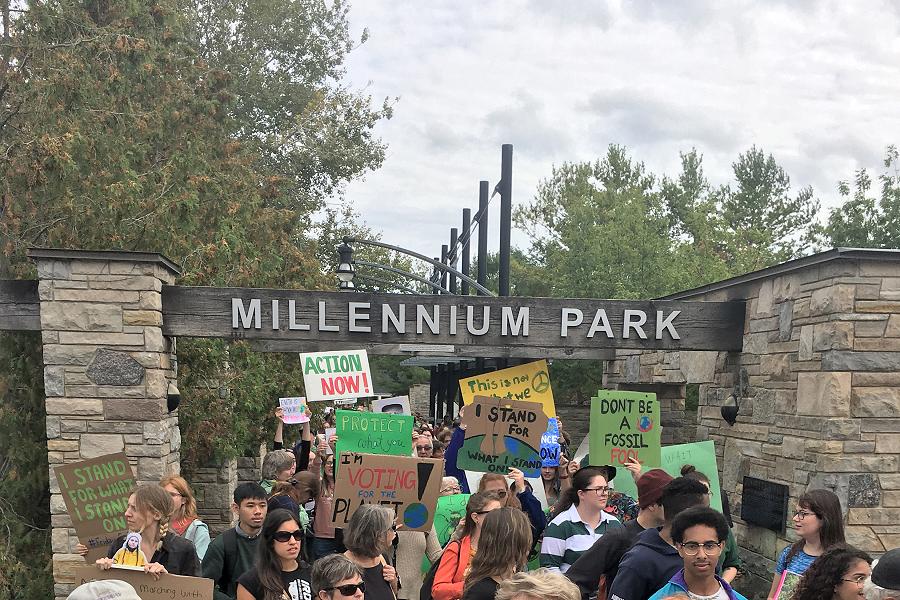
Following the Global Climate Action Day in Peterborough on September 27, 2019, a group of young people leave Millennium Park en route to the campaign offices of local candidates in the 2019 federal election. As the climate crisis continues, strategic stimulus spending plans have the potential to help business communities recover from the pandemic while also building a more resilient and sustainable economy to fight climate change. (Photo: Leif Einarson)

A strategic and informed implementation of stimulus spending could help solve two problems at once. A green recovery could simultaneously give us the chance to recover from the pandemic and also limit the destabilizing outcomes of the climate crisis.

Recovery stimulus funds in the past, like the many programs delivered during the recession of 2008, allocated comparatively little to climate initiatives. Likewise, many previous stimulus programs in nations around the world upheld investments in sectors with high greenhouse gas emissions and required no climate action or green innovation.

In contrast, COVID-19 sees national governments in Europe and Asia considering recovery and stimulus strategies that increase economic and environmental resilience by supporting companies who upgrade facilities and switch to low-carbon business practices.

Advertisement - content continues below


In June 2020, Germany invested 130 million euros (roughly $220 million CAD) in its recovery, with 30 per cent earmarked exclusively for green stimulus projects that will cut greenhouse gas emissions. The European Union has proposed that 25 per cent, or more than $300 billion CAD, of their stimulus package be dedicated to climate-friendly measures like building renovations, clean energy technologies, low-carbon vehicles, and sustainable land use.

In Canada, stimulus spending needs to focus our efforts on greening existing industries and creating new industries. The federal government has already begun to increase funding in green jobs, which indicates some commitment to sustainability.

Additional COVID-19 response funding was announced last month for Natural Resources Canada’s Science and Technology Internship Program, which subsidizes green jobs within the natural resources sector through the Government of Canada’s Youth Employment and Skills Strategy.These internships are available to businesses of all sizes and will be welcome relief to many companies and students alike.

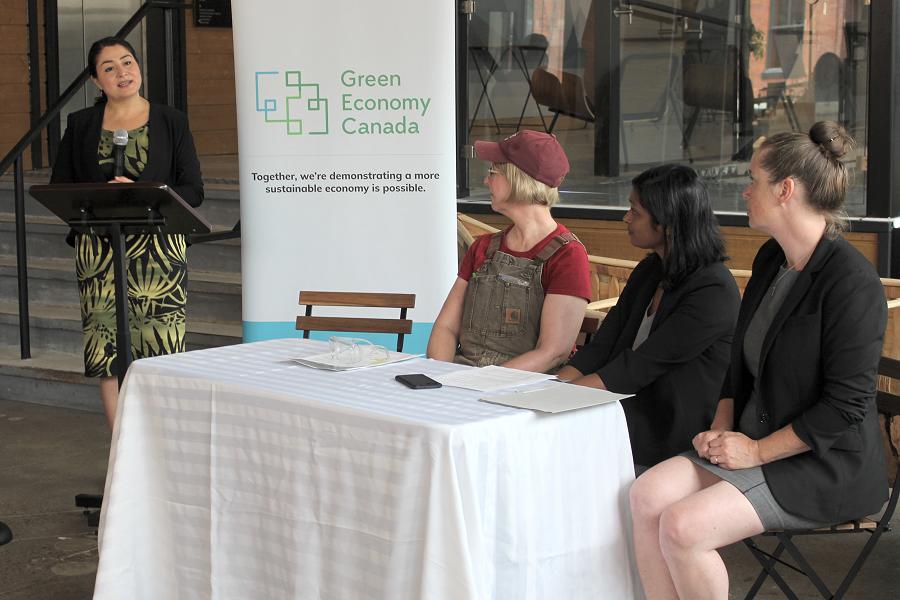
Peterborough-Kawartha MP Maryam Monsef speaks during the funding announcement for Green Economy Peterborough on July 18, 2019 while Peterborough city councillor Kim Zippel, Green Economy Canada executive director Priyanka Lloyd, and Peterborough Utilities Group conservation technical coordinator Cathy Mitchell look on. (Photo: GreenUP)

For Peterborough, funding programs tailored to meet the needs of small and medium-sized enterprises (SMEs) are vital. Many past climate-mitigation and adaptation funding programs emphasized large-scale industrial or commercial retrofits, while few emphasized the importance of engaging smaller businesses. SMEs account for over 90 per cent of all businesses in the region, while 42 per cent of all businesses have less than five employees.

Many of Peterborough’s SMEs desire to take action on climate change but often lack the time, resources, and capital to put their values into practice. Even with federal incentives designed to support businesses in retrofits and other climate action initiatives, the capacity of SMEs to implement these changes often remains a barrier.

Fortunately, over the next year the Peterborough region will directly benefit from the development of Green Economy Peterborough. Like other Green Economy Hubs across Canada, Green Economy Peterborough is a community-based program for businesses of all sectors that provides the tools, resources, peer network, and long-term support that SMEs need to successfully build sustainability into their operations.

Advertisement - content continues below


This local Green Economy Hub will be part of a national network of hubs supported by Green Economy Canada. Businesses across the network have shown that improved energy efficiency and a culture of sustainability can transform a small business’s financial outlook and competitiveness. Significant investments in building improvements can permanently lower operational and maintenance costs. This leaves room to reinvest in jobs and growth, while also keeping more dollars circulating within Peterborough’s local economy.

More than 300 businesses are participating across the national network, and together they have reduced their collective greenhouse gas emissions by over 200,000 tonnes as of December 2018. Through their participation in a local Green Economy Hub, these businesses are supported to develop climate action plans and public reduction targets that are designed to reflect their unique needs and aspirations.

With corporate climate action plans and targets in place, these SMEs are in a better position to successfully secure government or private funding to complete energy efficiency retrofits or other climate action projects. Green Economy Peterborough will provide critical support to local businesses, increasing their readiness to take strategic climate action and helping to ensure that they are in a strong position to benefit from future climate funding or green stimulus programs.

VIDEO: Green Economy Canada: It’s Possible – 2018

A safer, healthier, green recovery could help our business community make the changes we need to meet our climate targets and help avoid irreversible climate change. There is no doubt that small businesses in our regional economy need job support and a boost in capital. Investments in green stimulus deliver both an immediate and long-term return that benefits businesses and the broader community. Supporting local SMEs in cutting costs, growing sales, and improving their resiliency helps us build back better.

With sustainability in mind, stimulus funding can become the catalyst Peterborough needs to recover today and build a stronger and cleaner economy for the future.

To learn more about Green Economy Peterborough, visit greenup.on.ca/green-economy-peterborough or contact Natalie Stephenson, Green Economy Peterborough Hub Coordinator at GreenUP, at 705-745-3238 or natalie.stephenson@greenup.on.ca.

Crown land at Burleigh Falls is now closed to the public

Scenic vistas like this one make Burleigh Falls a popular destination for visitors. (Photo: Peter K Burian / CC BY-SA)

The Ontario Ministry of Natural Resources and Forestry (MNRF) has closed Crown land adjacent to Burleigh Falls to the public.

MNRF notified the Peterborough County OPP and Sewlyn Township of the decision on Thursday (July 9). The closure is effective immediately.

The falls area has seen a large increase in visitors, resulting in numerous complaints involving liquor consumption, parking violations, excessive noise, littering, outdoor urinating and defecating, and mischief.

Advertisement - content continues below


kawarthaNOW published a story on Tuesday (July 7) outlining the concerns of a local business operator in the adjacent village of Burleigh Falls about bad visitor behaviour.

MNRF has declared the area unsafe and it will be closed to the public until further notice.

The Peterborough County OPP and MNRF will be enforcing this closure.

Vehicles will be towed and provincial offence notices will be issued to those found in contravention of the closure.

For more information, contact the MNRF Peterborough District Office at 705-755-2001.

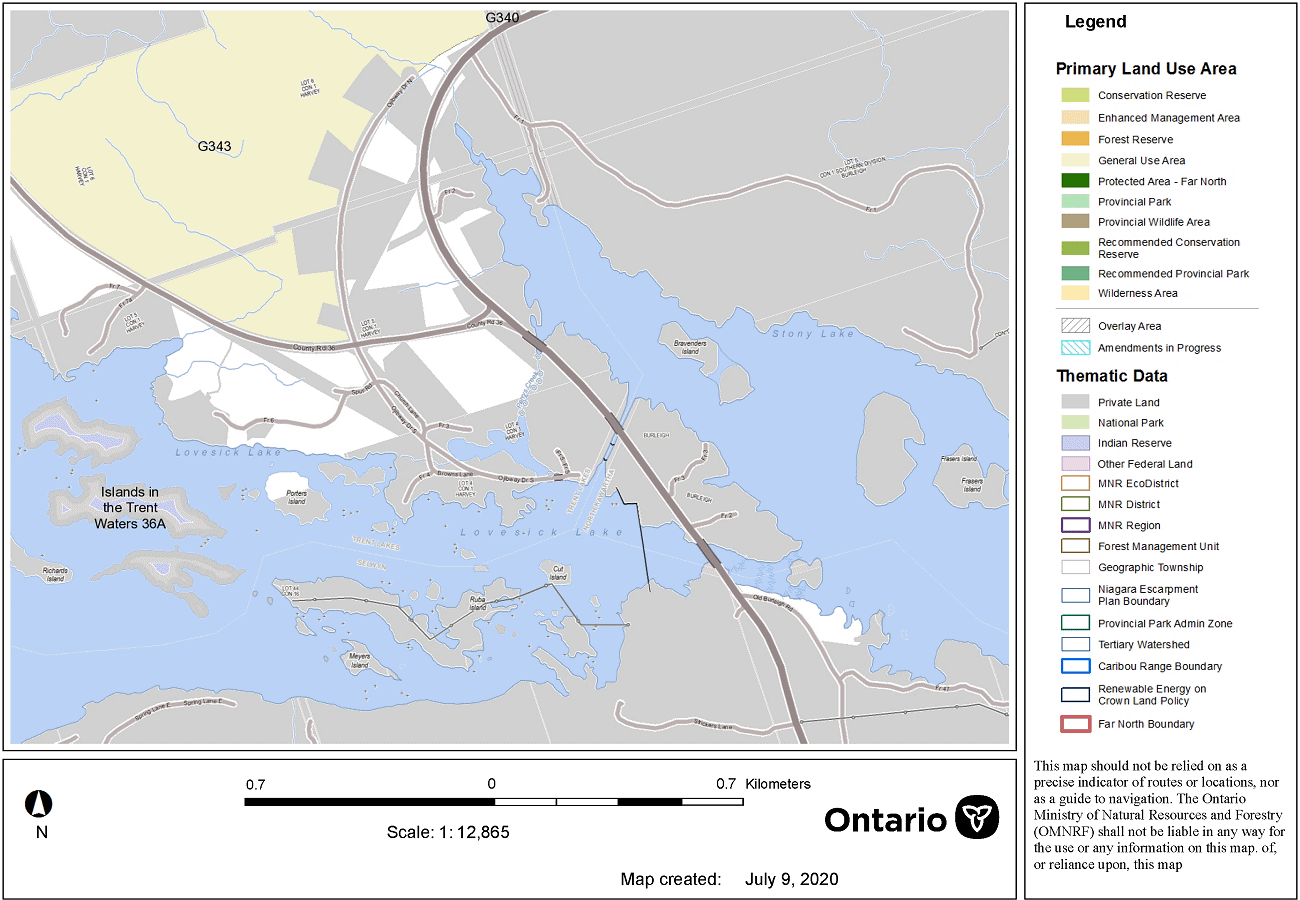
A map of the Burleigh Falls area generated by Ontario's Crown Land Use Policy Atlas mapping tool. The tool identifies the grey areas as privately owned land and the beige areas as provincially regulated Crown Land, designated as "general use area" which is the most common designation for Crown lands in Ontario. The Ontario Ministry of Natural Resources and Forestry (MNRF) can control access to Crown land as required. The mapping tool does not identify who owns the white areas, including the section beside the rapids along Old Burleigh Road. (Map: MNRF)
A map of the Burleigh Falls area generated by Ontario’s Crown Land Use Policy Atlas mapping tool. The tool identifies the grey areas as privately owned land and the beige areas as provincially regulated Crown Land, designated as “general use area” which is the most common designation for Crown lands in Ontario. The Ontario Ministry of Natural Resources and Forestry (MNRF) can control access to Crown land as required. The mapping tool does not identify who owns the white areas, including the section beside the rapids along Old Burleigh Road. (Map: MNRF)


This story has been updated to include an updated map of Crown land at Burleigh Falls.

Camping, littering, and public defecation alongside Otonabee River bringing more attention to a growing problem

While camping is normally allowed at many lockstations along the Trent-Severn Waterway, it is currenlty prohibited at Otonabee (Lock 23, pictured), Douro (Lock 24), and Sawer Creek (Lock 25) along the Otonabee River between Peterborough and Lakefield due to ongoing infrastruture projects. At least two local residents have observed many tents set up at pull-off areas along County Road 32 (River Road), especially during the weekends, with visitors leaving garbage and publicly defecating in the area. (Photo: Parks Canada)

A north-end Peterborough resident is one of at least two people raising the alarm over the behaviour of visitors along a stretch of the Otonabee River beside County Road 32 (River Road) north towards Lakefield.

The 47-year-old man, who cycles that stretch of road almost daily, tells kawarthaNOW there are a number of “mini tent compounds set up and they are there all weekend.”

“I’ve seen people defecating, squatting in the woods,” says the man, who asked not to be identified. “Water bottles, wrappers … a lot of garbage is being left behind.”

While he can’t say with certainty if visitors to the area are local or from out of the region, he has noticed licence plate holders on a number of the parked vehicles advertising GTA-area dealerships.

The man reached out to Selwyn Township which, in turn, advised he contact the County of Peterborough and Douro-Dummer Township. He heard back from the county, which recommended he contact Selwyn Township — which he had already done.. Another email he received from Douro-Dummer said his concern would be forwarded to Peterborough and the Kawarthas Tourism.

“If this isn’t brought to people’s attention and dealt with accordingly, through the proper channels, people will start taking it into their own hands,” the man says, recalling the summer of 2017 when anglers fishing from the James A. Gifford Causeway spanning Chemong Lake drew residents’ ire because of the litter they left behind. “It could become a vigilante thing, which isn’t good.”

Advertisement - content continues below


kawarthaNOW reached out to Parks Canada for comment regarding what’s happening on its property — including Otonabee (Lock 23), Douro (Lock 24), and Sawer Creek (Lock 25).

According to Parks Canada, all of its visitor services have been reviewed and adjusted based on advice from public health officials as well as in accordance with measures mandated by provincial and municipal authorities.

On the Trent-Severn Waterway, only boater camping is currently available. Land-based camping is not allowed, with signs now being posted to that effect. Parks Canada is also engaged in ongoing discussions with municipalities, businesses, and tourism organizations regarding any need for additional signage, public education, and enforcement.

“It is important that the waterway is protected, and kept clean for both wildlife and the people who visit,” reads a prepared statement from Parks Canada, which was sent to kawarthaNOW after the original version of this story was published.

“When garbage and human waste is disposed of on our sites, it threatens the health of the area and the experience of visitors,” the statement reads. “Parks Canada provides garbage and recycling for waste left behind by Trent-Severn Waterway visitors, and visitors are encouraged to make use of these facilities. Visitors will notice new signage along the Trent-Severn Waterway, reminding them of physical distancing recommendations, camping restrictions and other information related to COVID-19.”

The statement goes on to ask visitors “to respect other visitors, Parks Canada team members, and the national historic site itself” by adhering to all regulations in place “to protect the site, and ensure a safe and enjoyable experience for all.”

Full information on services available along the Trent-Severn Waterway as well as restrictions can be found at pc.gc.ca/en/lhn-nhs/on/trentsevern/visit/covid-19-info.

Also expressing his disgust via a July 4th Facebook post was John Scott.

“Groups of 10 to 20 people minimum at each spot,” he writes. “Garbage on the road. What really pissed me off was at the one trail we always go to there were at least five people defecating in the woods as seen from the road.”

Scott added he fears the area between County Road 32 and the Otonabee River will become “a dumping ground” if it hasn’t already.

“Throw your garbage in in your neighbour’s yard, not mine.”

Just a big shout out to all the people along RiverRoad CR32. Close to Lakefield.
I have never been so pissed off or…

Posted by John Scott on Saturday, July 4, 2020

Reports of this situation come on the heels of a July 7th kawarthaNOW article detailing similar problems at and near Burleigh Falls.

In that article, Jennifer Craig, general manager and operations manager of the Burleigh Falls Inn & Suites, details ongoing instances of illegal parking, littering, and public defecation as a result of huge crowds visiting since the lifting of certain COVID-19 restrictions.

Advertisement - content continues below


Dr. Rosana Salvaterra, Peterborough’s Medical Officer of Health, confirms a public health inspector visited the Burleigh Falls site on Monday (July 7) and took photographs.

“We did see evidence of garbage and we also some evidence that the site had been used for open defecation,” says Dr. Salvaterra.

“We have been in touch with the Ministry of Natural Resources which owns the site. We are working with them and hope to be able to come to some sort of a resolution in order to prevent this behaviour from continuing.”


This story has been updated with a response from Parks Canada.

Daily COVID-19 update for Peterborough and the greater Kawarthas region – July 8, 2020

kawarthaNOW is providing a daily report of COVID-19 cases in the greater Kawarthas region.

Here’s today summary: there are 95 confirmed positive cases in the Peterborough area (93 resolved), 170 in the City of Kawartha Lakes (147 resolved), 21 in Northumberland County (21 resolved), 10 in Haliburton County (9 resolved), and 43 in Hastings County and Prince Edward County (37 resolved).

There are no new cases to report in Peterborough; the last positive case was reported on June 20, and there are no current active cases. There are no new cases in Kawartha Lakes, Northumberland, Haliburton, or Hastings County and Prince Edward County. One case has been removed from Kawartha Lakes due to data cleaning and removal of a duplicate case.

There has been a total of 39 deaths. The most recent death was reported on May 7 by Hastings Prince Edward Public Health.

Province-wide, there are 36,178 confirmed cases, an increase of 118 from yesterday’s report. A total of 31,805 cases are resolved, an increase of 202 from yesterday. There have been 2,700 deaths, an increase of 9 from yesterday, with 1,722 of the deaths being residents in long-term care homes, an increase of 5. A total of 1,582,361 tests have been completed, an increase of 22,832 from yesterday, with 17,116 tests under investigation, an increase of 4,491.

This report is based on data supplied by the province’s integrated Public Health Information System (iPHIS), as well as any additional information supplied by health units and hospitals. This information is at least 24 hours old, so it is not real-time data.

We publish the daily report, usually by late afternoon, with the most current information released by health units. Note that each health unit reports the information in a different way.

Advertisement - content continues below


Peterborough Public Health

Peterborough Public Health’s service area is the City and County of Peterborough and the Hiawatha and Curve Lake First Nations.

Confirmed positive: 95 (no change, last positive case was on June 20)
Active cases: 0 (no change)
Deaths: 2 (no change)
Resolved: 93 (no change)
Total tests completed: Over 18,550 (increase of 200)
Institutional outbreaks: None (no change)


Haliburton, Kawartha, Pine Ridge District Health Unit

The Haliburton, Kawartha, Pine Ridge District Health Unit’s service area is the City of Kawartha Lakes, Northumberland County, and Haliburton County.

Note: The health unit is now only providing reports Monday to Friday, holidays excluded.

Confirmed positive: 201, including 170 in Kawartha Lakes, 21 in Northumberland, 10 in Haliburton (decrease of 1)*
Probable cases: No longer reported
Hospitalizations: 13 (no change)
Deaths: 32 (no change)
Resolved: 177, including 147 in Kawartha Lakes, 21 in Northumberland, 9 in Haliburton (no change)
Institutional outbreaks: None

*Due to data cleaning and removal of a duplicate case, the cumulative total of cases is 1 less than the total reported yesterday.


Hastings Prince Edward Public Health

Hastings Prince Edward Public Health’s service area is Hastings County (including Bancroft) and Prince Edward County.

Note: The health unit is now only updating its report on Monday, Wednesday, and Friday, excluding statutory holidays.

Confirmed positive: 43 (no change, last positive case reported on May 18)
Probable cases: 181 (no change)
Deaths: 5 (no change)
Hospitalized: 0 (no change)
Hospitalized and in ICU: 0 (no change)
Hospitalized and in ICU on ventilator: 0 (no change)
Recovered: 37 (no change)
Total tests completed: 12,509 (increase of 994)
Institutional outbreaks: None (no change)

Advertisement - content continues below


Province of Ontario

Confirmed positive: 36,178 (increase of 118)
Resolved: 31,805 (increase of 202)
Hospitalized: 123 (decrease of 8)
Hospitalized and in ICU: 35 (increase of 1)
Hospitalized and in ICU on ventilator: 26 (increase of 2)
Deaths: 2,700 (increase of 9)
Deaths of residents in long-term care homes: 1,722 (increase of 5, 63.8% of all deaths)
Total tests completed 1,582,361 (increase of 22,832)
Tests under investigation: 17,116 (increase of 4,491)

New COVID-19 cases in Ontario from June 7 - July 7, 2020. The red line is the number of new cases reported daily, and the dotted green line is a five-day moving average of new cases. (Graphic: kawarthaNOW.com)
New COVID-19 cases in Ontario from June 7 – July 7, 2020. The red line is the number of new cases reported daily, and the dotted green line is a five-day moving average of new cases. (Graphic: kawarthaNOW.com)
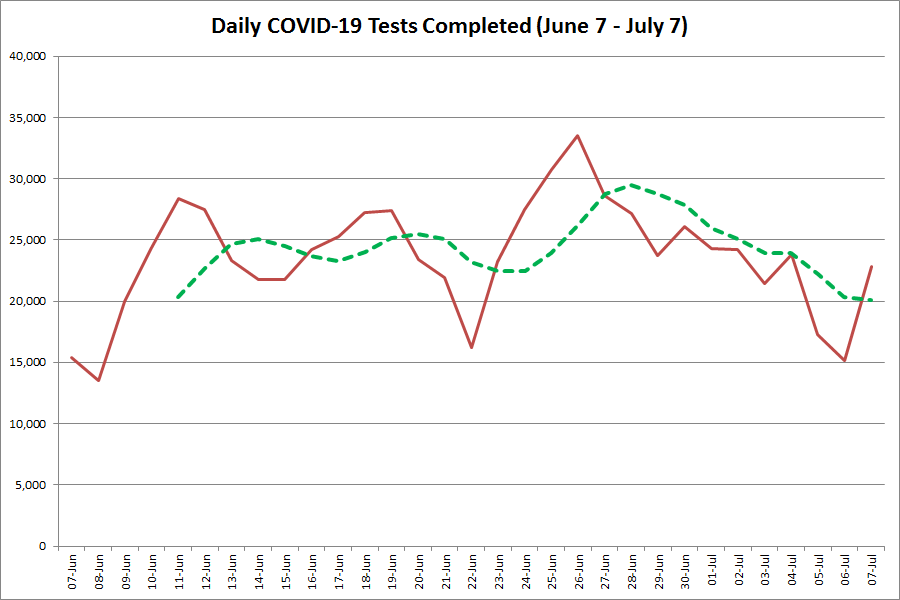
COVID-19 tests completed in Ontario from June 7 - July 7, 2020. The red line is the number of tests completed daily, and the dotted green line is a five-day moving average of tests completed. (Graphic: kawarthaNOW.com)
COVID-19 tests completed in Ontario from June 7 – July 7, 2020. The red line is the number of tests completed daily, and the dotted green line is a five-day moving average of tests completed. (Graphic: kawarthaNOW.com)


For more information about COVID-19 in Ontario, visit covid-19.ontario.ca.

Peterborough Public Health encourages use of face masks but won’t make them mandatory yet

Peterborough’s Medical Officer of Health is adopting “an educational approach” to the wearing of face masks — as opposed to making the practice mandatory as many other health units in Ontario have already done or are considering.

During her weekly media briefing held Wednesday (July 8), Dr. Rosanna Salvaterra said she strongly recommends that residents wear a non-medical mask when attending appointments, accessing personal services, using transit, and entering an indoor establishment.

Should the decision to be made to go the mandatory route — as has just been done by the neighbouring Haliburton, Kawartha, Pine Ridge District Health Unit and Hastings Prince Edward Public Health — Dr. Salvaterra says that decision will be made in full consultation with municipalities and partner agencies.

Advertisement - content continues below


“We may, in fact, go to something stronger in Peterborough but I will do that in a collaborative way,” said Dr. Salvaterra, conceding that the wearing of masks by more people does provide “a visual cue” that reminds residents “that we are still living in the midst of a pandemic.”

“I am having an information session tomorrow (Thursday) evening with elected officials and staff of municipalities and First Nations. I really want to hear from them what they’ve been hearing from their residents, from their operators and business owners, to see whether or not there is a need to make it (face masks) a requirement. What kind of compliance are we seeing? Can we rely on an educational approach? How best would we suggest it be enforced?”

“There are challenges with making masks a requirement,” Dr. Salvaterra added. “There will be never be 100 per cent compliance. There are people who cannot wear a mask (due to health issues). You may not be able to tell who those people are. They don’t have a label. We need to be very careful not to stigmatize. We need to do this with eyes wide open.”

As of 4 p.m. Monday (July 7), the total number of positive cases in Peterborough city and county and Curve Lake and Hiawatha First Nations remained at 95, with no new cases reported over the past 17 days.

Of the positive cases, 93 have been resolved with two COVID-19 related deaths reported. For the seventh consecutive week, there are no institutional outbreaks reported.

Meanwhile, an estimated 18,550 people have been tested, almost 2,000 during the course of the past week. One of every eight residents in Peterborough Public Health’s catchment area has been tested — a testing rate of 12.5 percent.

Locally there have been 64 positive cases detected per 100,000 people compared to Ontario’s rate of 243 positive cases per 100,000 people. Meanwhile, the local incidence rate over the past week is zero positive cases per 100,000 people, again much lower than the provincial incidence rate of 7.7 cases per 100,000 people.

“We’re on the right track but we need to keep doing what we’re already doing,” said Dr. Salvaterra, adding “We’re getting there” when asked if the Peterborough region is ready for stage three of the province’s recovery plan. The Ontario government has not yet committed to a date for announcing stage three.

Advertisement - content continues below


As for residents letting their guard down as a result of a flattened curve locally, Dr. Salvaterra admits to being “personally afraid” of that happening.

“That’s why it’s important to make changes to the physical environment that will support the behaviour we need. Examples like widening the sidewalks (and) keeping tables on patios two metres away from each other.”

Dr. Salvaterra also announced that effective immediately, a workplace toolkit is available on Peterborough Public Health website (see below). It covers a number of topic specific to businesses and establishments re-opening safely in accordance with existing emergency measures.

Also participating in Wednesday’s media briefing was Peterborough Mayor Diane Therrien.


PDF – Safely Reopening in Peterborough City & County – Toolkit for Establishments and Businesses – Peterborough Public Health
Safely Reopening in Peterborough City & County - Toolkit for Establishments and Businesses - Peterborough Public Health

Peterborough-area businesses and residents asked to reduce non-essential water use by 20 per cent

Low water levels in Jackson Creek in downtown Peterborough in 2016. (Photo: Karen Halley / GreenUP)

Otonabee Conservation is asking Peterborough-area businesses and residents to voluntarily reduce their water consumption by 20 per cent after declaring a “Level 2 Low Water Condition”.

Otonabee Conservation analyzes the condition of the watershed on a monthly basis, and determines low-water status based on available data including temperature, precipitation, and surface water levels and flow. Weather anomalies, including well-above normal air temperatures and well-below normal rainfall, have resulted in the Level 2 Low Water Condition.

“High temperatures have also contributed to this Level 2 Low Water declaration, as June was six per cent hotter than normal and included four days when the daytime high reached 30 degrees Celsius,” explains Otonabee Conservation water resources technologist Gordon Earle. “During the first week of July, we saw daytime air temperatures that reached 30 degrees C on six out of seven days. More sizzling, hot days are expected to come, especially during the first half of the month.”

Advertisement - content continues below


Rainfall for the preceding one-month and three-month periods ending June 30th were below 60 per cent of the normal total in the Otonabee, Indian, and Ouse River watersheds. In addition, June saw three weeks with minimal rainfall (less than 7.6mm in a week), which is another indicator of a Level 2 drought.

When a Level 2 Low Water Condition occurs, all water users are asked to voluntarily reduce their water consumption by 20 per cent. This includes municipalities, aggregate operations, golf courses, water bottlers, farm irrigation, and private users.

To reduce water use by 20 per cent, Otonabee Conservation offers the following water conservation tips:

  • Turn off ornamental fountains and artificial waterfalls.
  • Run full loads of dishes and laundry during off-peak use times (between 7 p.m. and 7 a.m.) and use shorter washing cycles.
  • Water gardens wisely, add mulch, or use stored rainwater from a rain barrel.
  • Lawns that have turned brown from the drought are not “dead”; the grass has just gone dormant from lack of water. When rainfall returns, the grass will come out of dormancy and perk back up.
  • Adhere to municipal watering restrictions that may apply.
  • Do not use water to clean sidewalks, driveways, patios, or decks. Instead, use a broom to sweep up.
  • Do not wash your vehicles in the driveway. Delay washing your vehicles as long as possible, and visit a car wash facility when you do need to wash vehicles.
  • Cover swimming pools when not in use to reduce evaporation.
  • Install an efficient faucet or aerator to reduce water demands for handwashing, rinsing fruits and vegetables, or washing dishes.
  • Take shorter and less frequent showers to conserve water.
  • Turn off the tap while brushing your teeth, shaving, or washing your face.
  • Rinse fruits and vegetables in a bowl of water rather than under a running tap. You can then use the water for house plants or in your garden.
  • Keep a pitcher of water in the fridge rather than running tap water until cold enough to drink.

For more ideas to conserve water, download the Water Conservation Fact Sheet from the Ontonabee Conservation website

The Level 2 Low Water Condition will remain in effect until at least early AUgust, when the Otonabee Region Water Response Team meets again to review the current drought situation.

Become a #kawarthaNOW fan

34,229FollowersLike
25,930FollowersFollow
17,472FollowersFollow
4,848FollowersFollow
4,044FollowersFollow
3,211FollowersFollow

Sign up for kawarthNOW's Enews

Sign up for our VIP Enews

kawarthaNOW.com offers two enews options to help readers stay in the know. Our VIP enews is delivered weekly every Wednesday morning and includes exclusive giveaways, and our news digest is delivered daily every morning. You can subscribe to one or both.


Submit your event for FREE!

Use our event submission form to post your event on our website — for free. To submit editorial content or ideas, please contact us.