Prime Minister Justin Trudeau announced an expansion of eligibility for the Canada Emergency Business Account on April 16, 2020. (Photo: CBC)
On Thursday (April 16), Prime Minister Justin Trudeau announced an expansion of the eligibility criteria for interest-free loans of up to $40,000 for businesses and non-profit organizations.
However, small businesses and organizations that do not use a payroll system remain ineligible for the loans.
“When we hear the program is not reaching as many people as it should, we make changes,” Trudeau said. “A few weeks ago we launched the Canada Emergency Business Account to help small businesses struggling with cash flow. Under this program, banks are offering $40,000 loans that are guaranteed by the government.”
Trudeau said more than 195,000 small business loans have been approved, worth around $7.5 billion in credit to small and medium sized businesses.
Under the eligibility expansion, businesses that spent between $20,000 and $1.5 million in total payroll in 2019 can now apply for the loans.
Previously, the loans were only available for businesses and non-profit organizations with annual payrolls between $50,000 and $1 million.
“This is money and employers can use to cover operational costs and help with other immediate needs,” Trudeau said.
The expansion followed complaints from businesses with payrolls just under or just over the previous eligibility threshold who were not eligible for the loans.
However, small businesses that do not use payroll remain ineligible.
This includes self proprietors and small businesses that hire freelancers, people who work on commission, or gig workers.
Small business owners who pay themselves through management fees or dividends instead of salary are also not eligible for the loan.
Trudeau also announced plans to implement the Canada emergency commercial rent assistance program, which will help small businesses with rent for the months of April, May, and June. He said the federal government will have to work with the provinces and territories to implement the program as they govern rental relationships.
He said details of the new program would be announced soon.
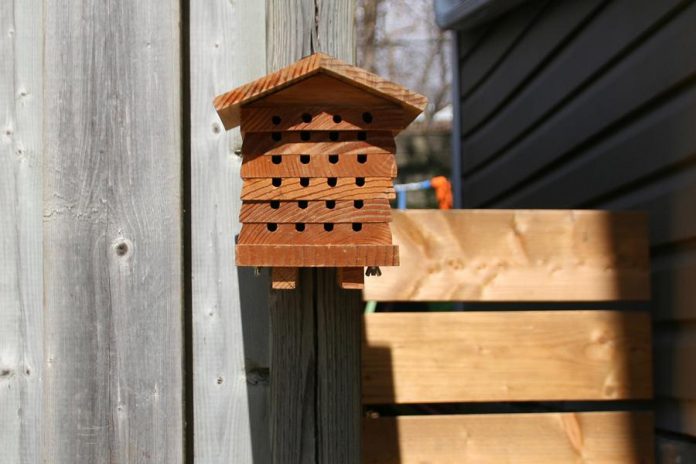
Supporting wild pollinators in your yard can be easy and fun. Cavity-dwelling native bees use hollow stems as nesting sites in the spring. You can buy or build a bee house like this one made by Three Sisters Natural Landscapes. (Photo courtesy of GreenUP)
Each week, GreenUP provides a story related to the environment. This week’s story is by Dawn Pond and Jenn McCallum from GreenUP’s Sustainable Urban Neighbourhoods and Downtown Vibrancy programs.
Growing season is nearly here, and those of us lucky enough to have a yard can enjoy quality time in the garden this spring and summer. You may be looking at which seeds to plant or considering how you could split or move plants around in your yard.
Before making those decisions, consider the network of organisms that actually help your garden grow.
Below are some fun activities (for kids and adults alike) and some tips on how to create gardens that are friendly for wild pollinators.
Find and support wild bees in your garden
Here are five ways you can find and support wild bees in your garden.
Look in hollow stems that have dried out over winter and are at least six inches long
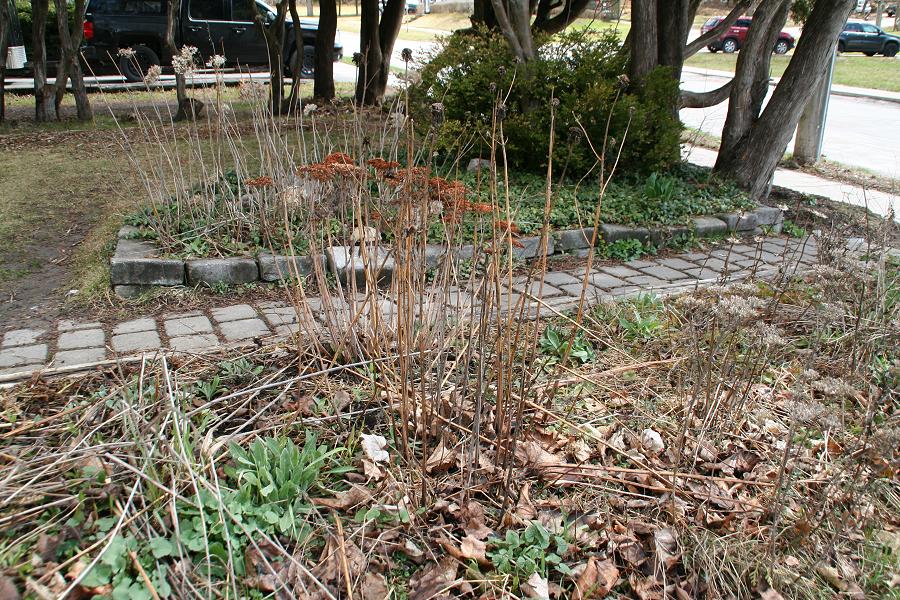
An easy way to support wild pollinators in your garden is to leave perennial flower stems in place instead of removing them. The stems provide nesting habitat for wild bees. (Photo courtesy of GreenUP)
These stems can be suitable nesting locations for cavity-dwelling native bees. If the hollow centre of a stem is filled with bee cells (made of leaves and natural material) then it was home for new bees throughout the winter.
Look in the bare soil for evidence of wild bees
Ground-dwelling solitary bees emerge from their burrows as the weather warms up. Approximately 70 per cent of our native bee species in North America are ground dwelling.
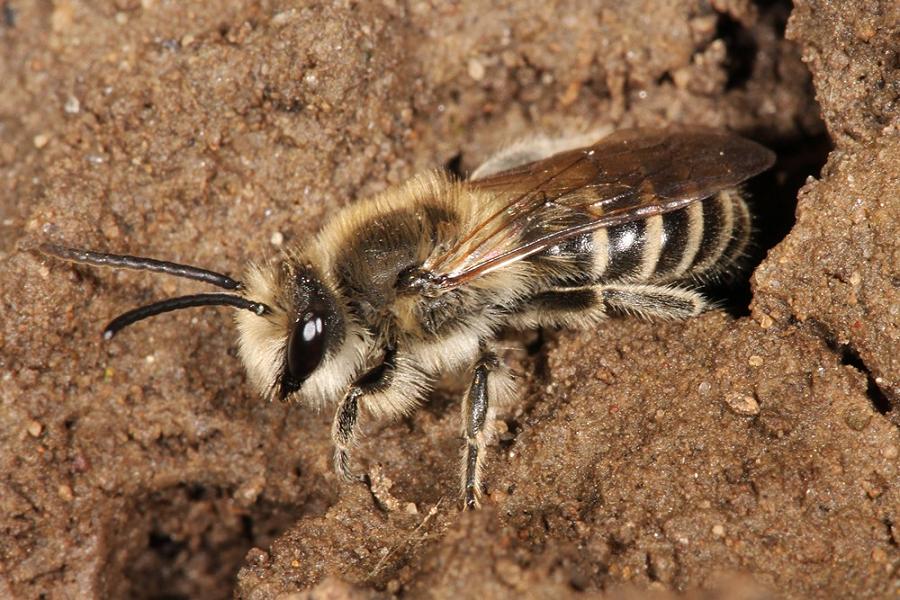
The polyester bee (Colletes inaequalis, also known as the plasterer and cellophane bee) is one of the common native bee species in North America and one of the first to emerge each spring. This bee makes its nest in sandy, bare soil.
Ground-dwelling solitary bees emerge from their burrows as the weather warms up. Approximately 70 per cent of our native bee species in North America are ground dwelling. Polyester bees are among the earliest to emerge in spring. (Photo: Jon Rapp)
Check sandy areas in your garden and keep checking regularly for signs that the bees have emerged. If you are lucky, you will see tiny burrows where the bees have dug themselves out of the soil to pollinate your plants throughout the spring and summer.
Build or buy a bee house for newly emerged cavity-dwelling bees
Providing lots of places for bees to make their nests is a great way to support them in your yard. You can also support these bees simply by leaving hollow stems on your plants instead of removing them after the winter. The plants will grow new stems and it won’t be detrimental to the plant’s health to leave old stems. It is a win-win-win. Less work for you, the gardener, more homes for bees, and happy pollinated plants for everyone.
Spring-emerged wild bees will soon help pollinate apple blossoms in Peterborough. (Photo courtesy of GreenUP)
Create pollinated lunches with your family
Use ingredients that are pollinated by different animals. For example, bumblebees pollinate tomatoes. Spring-emerged native bees and domesticated honeybees pollinate apples. Squash bees pollinate cucumbers, pumpkins, and squashes. Flies pollinate the Theobroma cacao trees that we make chocolate from.
Design or plan gardens that support pollinators
Whether it is one new plant or a whole new garden, you can add to the biodiversity of your yard by including more native flowering species that support wild pollinators.
Make a pollinator-friendly garden using native plants
You may have heard of plants being referred to as native, aggressive, or invasive. Understanding these terms is important when making pollinator-friendly gardens.
“Native species are plants that have been here for such a long time that other plants and animals have evolved, and sometimes adapted, around the existence of the native plant,” explains Vern Bastable, manager of GreenUP Ecology Park.
Native plants such as bee balm, purple coneflower, and wild strawberry provide excellent habitat for pollinators. Each of these plants also has edible and medicinal properties for humans. These plants are perennials, meaning that as long as they are planted properly and regularly watered, they should come back year after year.
Aggressive plants can spread quickly, moving into unintended areas of a garden, however this does not mean they are necessarily affecting the environment in a negative way. For example, the wild strawberry is known to spread aggressively through its trailing root system, but its native status and fruit bearing ability make it beneficial for our area.
Often sold as an ornamental ground cover, periwinkle is actually an invasive plant in Ontario. Replace it with native wild ginger, wild strawberry, or mayapple. (Photo courtesy of GreenUP)
In addition to the native plants and some beneficial aggressive plants in Ontario, there are plants that are invasive in the province. Invasive plants have been brought here from elsewhere in the world, commonly Europe or Asia, and have a tendency to spread, and even out compete, native species.
“When invasive plants are allowed to establish, they will take over the ecosystem, altering it irreversibly to the detriment of the environment, economy, and social enjoyment,” says Belinda Junkin, executive director of the Ontario Invasive Plant Council. “If invasive plants are allowed to spread uncontrollably, they will become a costly and difficult issue to resolve in the future.”
Some invasive species have been intentionally introduced for food, or because they are attractive and self-sustaining in garden plots. For example, European buckthorn was planted in fencerows and windbreaks on North American farms in the 1880s. When birds eat the buckthorn berries, the seeds are quickly and widely distributed through their fecal matter allowing this plant to proliferate and out-compete shrubs that are native to this area.
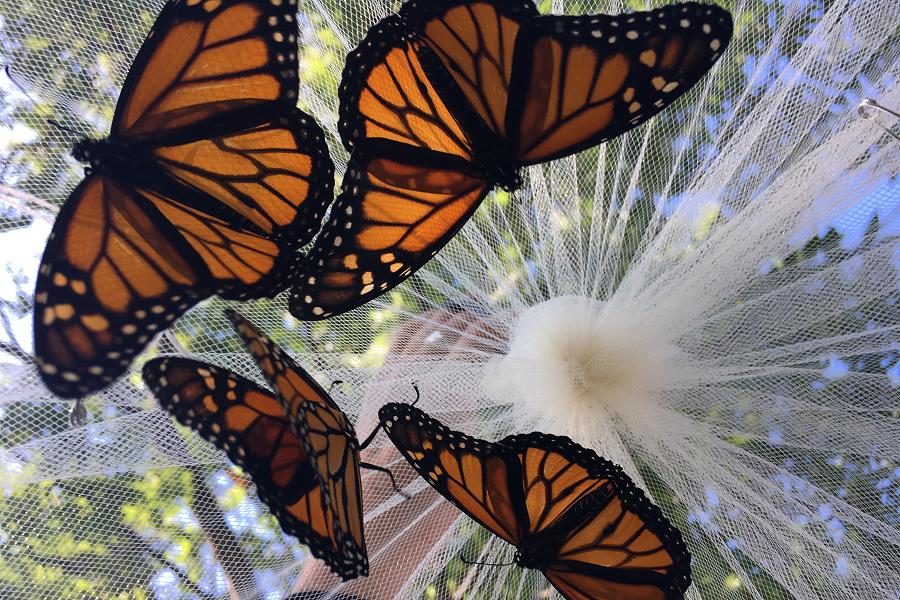
Monarch butterflies are pollinators that depend upon native milkweed plants to survive. After hatching, the larva (caterpillar) feeds on milkweed leaves before transforming into an adult butterfly. (Photo courtesy of GreenUP)
To prevent the spread of invasive plants in Ontario, you can learn which plants are invasive. Research plants before introducing them to your yard. The Ontario Invading Species Awareness Program and the Ontario Invasive Plant Council are great resources for learning about these species. Learn more at ontarioinvasiveplants.ca.
For example, periwinkle, goutweed, and English ivy are frequently sold as ornamental ground covers, but are actually native to Europe and Asia and are extremely invasive here in Ontario.
For a handy list of native plant replacements for invasive counterparts, check out the Grow Me Instead (Southern Ontario) guide. For example, replace invasive periwinkle with native wild ginger, wild strawberry, or mayapple.
You can help researchers monitor the spread of invasive plants by reporting them online at eddmaps.org. This reporting app includes images, descriptions, and distribution maps to help you identify invasive species. You can also take your own pictures and report you own discoveries of invasive species.
Enjoy your garden this year by encouraging the growth of native, locally adapted species that look beautiful and support wild pollinators.
The Ecology Park Market Garden offers a wide variety of native wildflowers, shrubs, and trees. For updates on changes at Ecology Park due to COVID-19, please follow PtboGreenUP on social media or visit greenup.on.ca/ecology-park/
kawarthaNOW is providing a daily report of COVID-19 cases in the greater Kawarthas region.
Here’s today summary: there are 53 confirmed positive cases in the Peterborough area, 109 in the City of Kawartha Lakes, 14 in Northumberland County, 6 in Haliburton County, and 27 in Hastings County and Prince Edward County. That’s a total increase of 1 case from yesterday’s report.
There have been 34 deaths, with no increase in deaths from yesterday’s report. Province-wide, there are 8,447 confirmed cases, an increase of 494 from yesterday’s report, and 385 deaths, an increase of 51 from yesterday’s report.
The number of cases under investigation in Ontario has jumped dramatically to 4,429, an increase of 2,322 from yesterday’s report, presumably because of expanding testing announced by the Ontario government earlier this week.
This report is based on data supplied by the province’s integrated Public Health Information System (iPHIS). This information is at least 24 hours old, so it is not real-time data.
We publish the daily report, usually by late afternoon, with the most current information released by health units. Note that each health unit reports the information in a different way.
Peterborough Public Health’s service area is the City and County of Peterborough and the Hiawatha and Curve Lake First Nations.
Confirmed positive: 53 (no change from April 14) Confirmed negative: 1,184 (increase of 51 from April 14) Under investigation: 233 (increase of 26 from April 14) Deaths: 1 (no change from April 14) Resolved: 29 (increase of 5 from April 14) Institutional Outbreaks: Peterborough Regional Health Centre, St. Joseph’s at Fleming, Riverview Manor*
*Number of cases not reported.
Haliburton, Kawartha, Pine Ridge District Health Unit
The Haliburton, Kawartha, Pine Ridge District Health Unit’s service area is the City of Kawartha Lakes, Northumberland County, and Haliburton County.
Confirmed positive: 129, including 109 in Kawartha Lakes, 14 in Northumberland, 6 in Haliburton (no change from April 14) Hospitalizations: 7 (no change April 14) Deaths: 33, including 29 in Pinecrest Nursing Home in Bobcaygeon (no change from April 14) Institutional Outbreaks: Pinecrest Nursing Home*
*Number of cases not reported.
Hastings Prince Edward Public Health
Hastings Prince Edward Public Health’s service area is Hastings County (including Bancroft) and Prince Edward County.
Confirmed positive: 27 (increase of 1 from April 14) Probable cases: 261 (increase of 1 from April 14) Deaths: 0 Institutional Outbreaks: Hallowell House (Picton), Hastings Manor (Belleville)*
*Number of cases not reported.
Province of Ontario
Confirmed positive: 8,447 (increase of 494 from April 14) Under investigation: 4,429 (increase of 2,322 from April 14) Hospitalized: 795 (increase of 26 from April 14) Hospitalized and in ICU: 254 (decrease of 1 from April 14) Hospitalized and in ICU with ventilator: 188 (decrease of 11 from April 14) Deaths: 385 (increase of 51 from April 14) Resolved: 3,902 (increase of 334 from April 14)
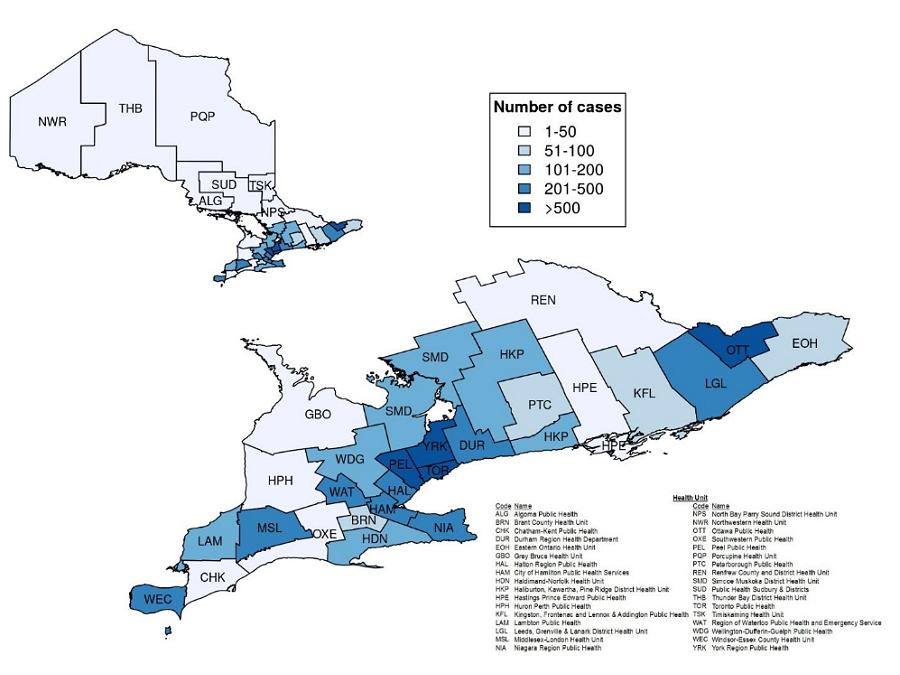
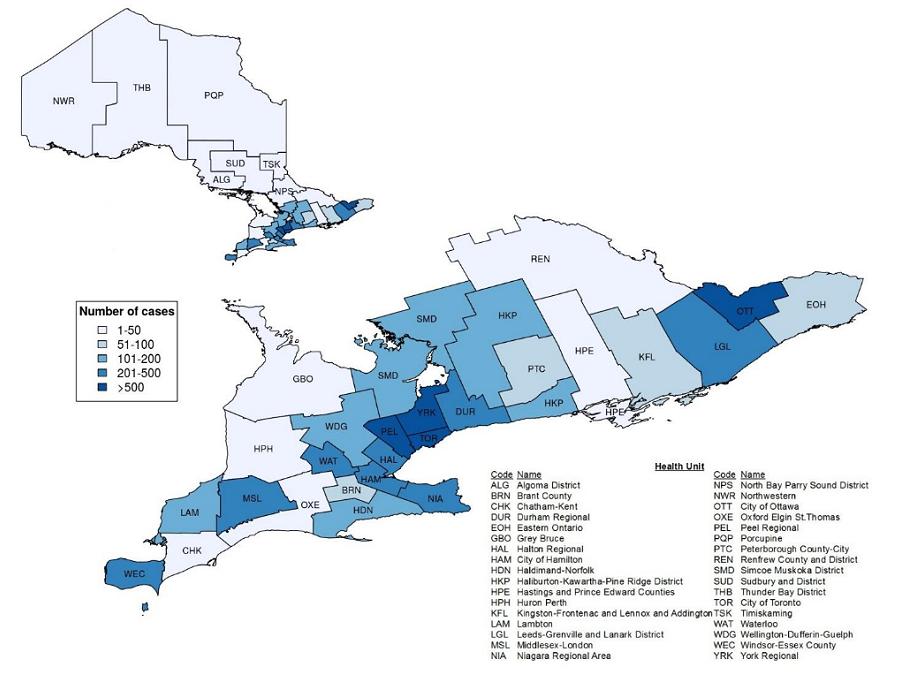
Confirmed cases of COVID-19 in Ontario by public health unit, January 15 – April 14, 2020. (Graphic: Public Health Ontario)
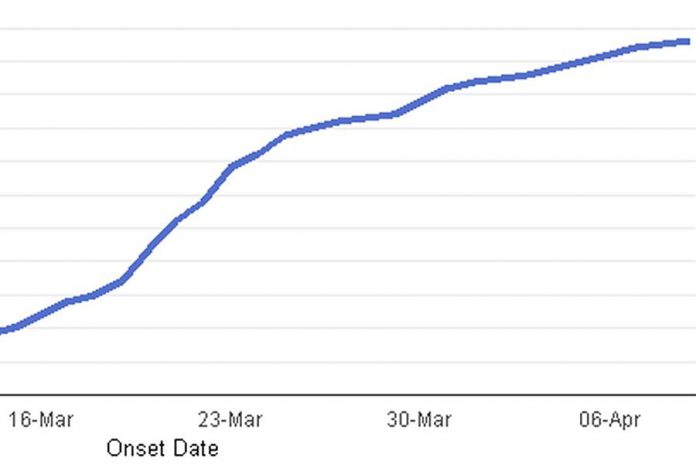
The curve of COVID-19 cases in the Peterborough area appears to be flattening as of April 15, 2020, as represented in this detail of a chart supplied by Peterborough Public Health.
The number of positive COVID-19 cases in Peterborough city and county, Curve Lake, and Hiawatha has held steady this week at 53 — an encouraging sign according to Peterborough Medical Officer of Health Dr. Rosana Salvaterra.
During her weekly media briefing held on Wednesday (April 15), Dr. Salvaterra notes there have been no new positive cases reported since Monday (April 13) and just eight reported over the last seven days.
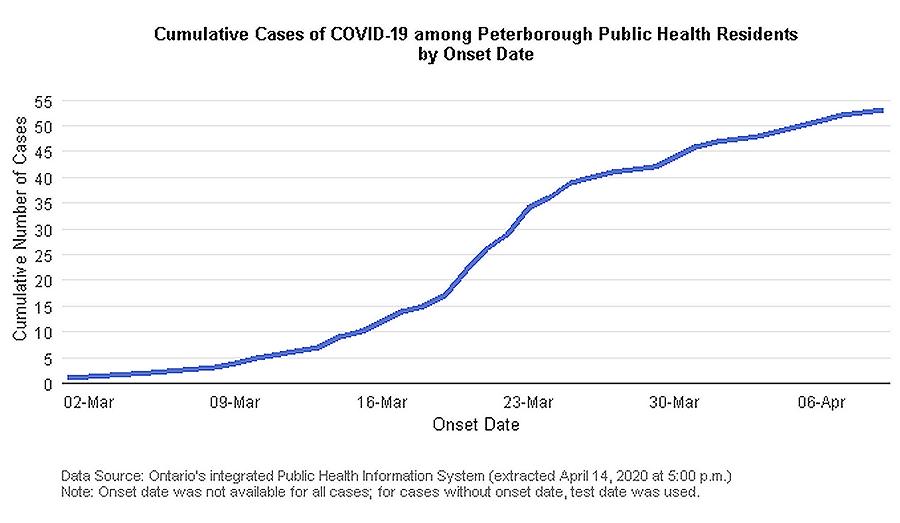
“We’ve put our data on a curve from the first case we had — March 2nd was the onset of symptoms — to today and you can see the curve is not rising as steeply as it was a few weeks ago,” says Dr. Salvaterra, adding there are benchmarks she has to see in the weeks ahead to convince her that we are closer to the end of the COVID-19 crisis.
“We would definitely want to see this continue. We would love to see days with no new cases. We would want to see the numbers at the hospital requiring ICU care decrease. We also want to see more testing being done and we’d like to see the tests coming back negative. The more we look for it and can’t find it, the more reassuring it is that we’re not missing it in the community.”
Since the first confirmed COVID-19 case in the Peterborough area on March 2, 2020, the curve is not rising as steeply between March 23 and April 15 as it was between March 16 and 23. (Graphic: Peterborough Public Health)
To date, 1,393 COVID-19 tests have been conducted locally with results awaited on 207 of those tested. Another 1,133 tests have come back negative, while 24 cases have now been resolved.
The first COVID-19 related death in the Peterborough area was reported on Sunday (April 12) by the Peterborough Regional Health Centre. Facebook posts identified the patient as 68-year-old Peterborough photographer and retired psychologist Dr. George Dimitroff.
Dr. Salvaterra notes there is now “capacity in the system to provide timely diagnosis for anyone who needs it,” adding test results for “priority populations are usually being reported within 24 hours.”
“Peterborough Public Health has now been asked to serve as regional hub for COVID-19 testing kits. We are in the process of assessing the needs of our community partners so we can order supplies to meet their demands. Peterborough is ready. We are awaiting guidance for testing specific vulnerable groups.”
Meanwhile, concerns expressed by rural township officials and resident about cottagers coming into their communities will soon see Peterborough Public Health reinforce the stay-at-home demand via the launch of a digital advertising campaign emphasizing that message.
“We’re taking an educational approach,” notes Dr. Salvaterra. “The measures that have been taken as part of the provincial directives — the closure of marinas, the closure of provincial parks — add to the messaging by removing access and making it more challenging for people to get their water access (properties).”
The health unit has also been in contact with the Federation of Ontario Cottagers’ Association (FOCA), which is “completely on board” according to Dr. Salvaterra and is asking its members to avoid heading to their cottages.
Prime Minister Justin Trudeau announces expanded eligibility for the Canadian Emergency Response Benefit on April 15, 2020. (Photo: CPAC)
Prime Minister Justin Trudeau announced on Wednesday (April 15) a loosening of the eligibility criteria for the Canadian Emergency Response Benefit (CERB).
The benefit will now be available for people who are earning some income during the pandemic, as well as seasonal workers and those whose employment insurance (EI) has run out.
“Maybe you’re a volunteer firefighter, or a contractor who can pick up some shifts, or you have a part-time job in a grocery store,” Trudeau said.
“Even if you’re still working or if you want to start working again, you probably need help making ends meet.”
People who are earning up to $1,000 a month can now apply for CERB. Those expecting a seasonal job that isn’t going to be available because of COVID-19 will also be eligible, as can people who have run out of EI benefits since January 1, 2020.
“For others who still need help, including post-secondary students and businesses worried about commercial rent, we’ll have more to say to you very soon,” Trudeau added.
While its buildings are closed to the public, the Peterborough Humane Society has a small animal care team on site daily to cae for animals and provide them with love and enrichment. SPCAs and human societies across the province have cancelled fundraising events due to COVID-19, and the Ontario SPCA and Humane Society has set up an urgent animal care fund to help shelters cover the costs of caring for animals. (Photo courtesy of Peterborough Humane Society)
The Ontario SPCA and Humane Society has launched an urgent animal care fund to help animal organizations in Ontario continue to care for animals and support pet owners during the COVID-19 pandemic.
SPCAs and human societies across the province have closed their buildings to the public to help slow and stop the spread of COVID-19, and have cancelled fundraising events.
With adoptions put on hold, many SPCAs and humane societies — including the Peterborough Humane Society (PHS) — are facing growing costs as they continue to care for the animals who will now have to wait longer to be adopted.
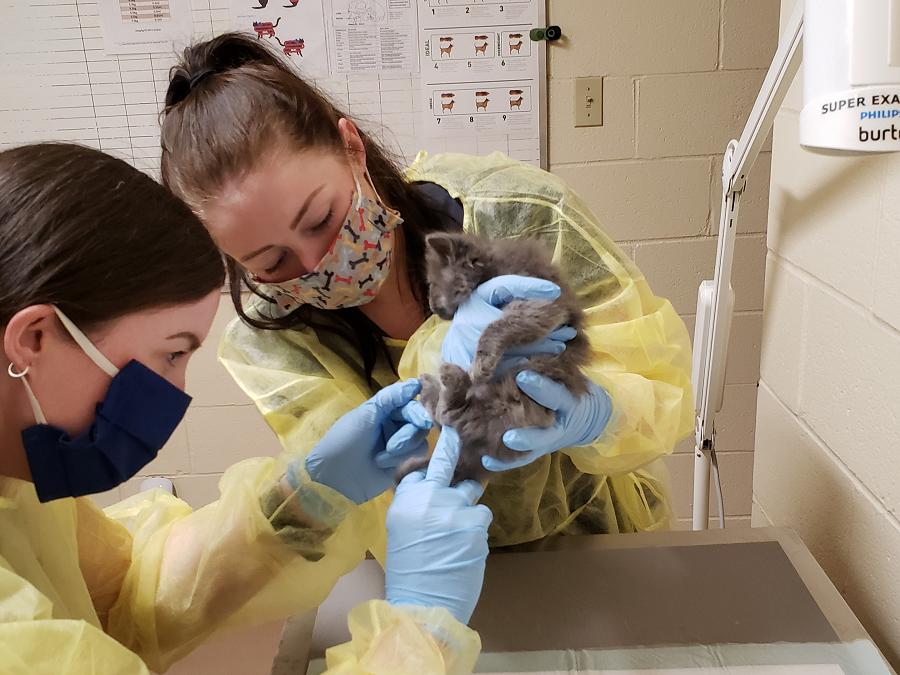
Staff at the Peterborough Humane Society wear personal protective equipment while attending to a kitten. SPCAs and human societies across the province have cancelled fundraising events due to COVID-19, and the Ontario SPCA and Humane Society has set up an urgent animal care fund to help shelters cover the costs of caring for animals. (Photo courtesy of Peterborough Humane Society)
While adoptions are on pause, animals in shelters still need to be fed and receive veterinary care and daily attention to keep them healthy and happy.
“As Peterborough and the Kawarthas only open-admission shelter, the team at PHS continues to take in and provide care for stray, abandoned and emergency care animals,” says PHS executive director Shawn Morey.
In addition to closing its adoption centre, the PHS also suspended its volunteer programs and reduced the number of staff on site.
“We have a small animal care team on site daily to provide our animals with the love and enrichment they need and have amplified our enrichment programs to ensure that our animals remain healthy and happy during their extended stay with us,” Morey adds.
“With so many owned pets entering the shelter on a day-to-day basis, it is not feasible to place all animals into temporary foster homes.”
The urgent animal care fund will help SPCAs and humane societies across the province cover the costs of caring for animals in shelters. To donate, visit urgentanimalcarefund.ca.
A virtual interfaith service is taking place on April 18, 2020 as the 17th annual Abraham Festival in Peterborough has been postponed due to COVID-19. (Graphic: Abraham Festival)
Although the 17th annual Abraham Festival in Peterborough — originally scheduled for Friday, April 17th to Sunday, April 19th — has been postponed because of COVID-19, local religious leaders are hosting a special virtual interfaith service on Saturday afternoon (April 18).
It’s the first service of its kind in Ontario, according to organizers.
The Abraham Festival is a coalition of Muslims, Jews, and Christians in the Peterborough area who consider themselves all to be descendants of Abraham, the common patriarch of Islam, Judaism, and Christianity. The group has been hosting the annual festival since 2003.
The special online service called “Our Faiths Teach Us to Look After Each Other” will take place on the Zoom video conferencing platform at 2:15 p.m. on Saturday, April 18th. It will feature readings from The Quran, The Torah, and The New Testament.
“Each of the three faith leaders will share a reading from their own scripture, and will discuss how each other’s readings give them comfort and wisdom in looking after family, friends and those in need in our communities,” organizers state in a media release.
The service co-leaders will be Imam Habeeb Alli, Dr. Daniel Houpt from Beth Israel Synagogue, and United Church Ministers Julie Haaften and Jessica Beecham Stockton.
After you register, organizers will email you instructions by Friday April 17th on how to join the virtual service. The service is limited to 100 people.
A six-year-old girl is in critical condition in Toronto after an attack by two dogs in Dysart Et Al Township south of Haliburton on Easter Sunday (April 12).
Shortly before 4 p.m., officers with Haliburton Highlands OPP and emergency crews were called to an address on Gainforth Road to assist with a serious dog bite complaint.
A six-year-old girl and her mother were walking near their home when they were attacked by two Saint Bernard dogs.
The child’s bites were extensive and she was flown by Ornge air ambulance to a Toronto area trauma centre with critical injuries.
The mother’s injuries were listed as non-life threatening and she has been released from hospital.
Pending the outcome of this ongoing police investigation, the animals have been placed in quarantine outside of the community by order of the health unit.
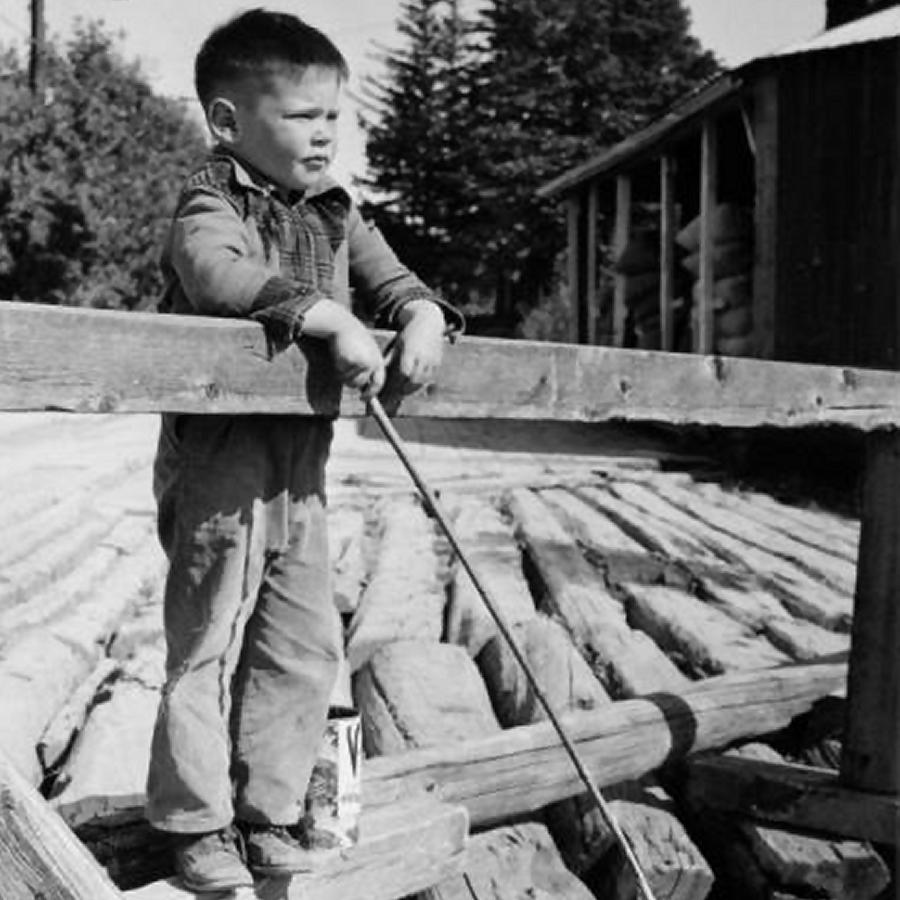
Five-year-old Neil Young in August 1950, fishing from a wooden bridge over the Pigeon River in Omemee. In August 1951, Young contracted polio and almost lost his life. (Photo: Harold Whyte)
It was 65 years ago this week when a vaccine was approved to prevent polio, the most feared disease of the 20th century and one that almost took the life of the Kawarthas’ most famous native son — Neil Young.
For many of us, the COVID-19 pandemic is the first time we’ve faced widespread closures of public facilities and experienced the stress and anxiety of catching a virus that causes a potentially deadly disease, and for which we have no vaccine.
But for Canadians who grew up in the first half of the last century, COVID-19 is a reminder of the ravages of polio, which was also called “infantile paralysis” and “the crippler” because the virus can permanently damage nerve cells that control muscles and result in paralysis.
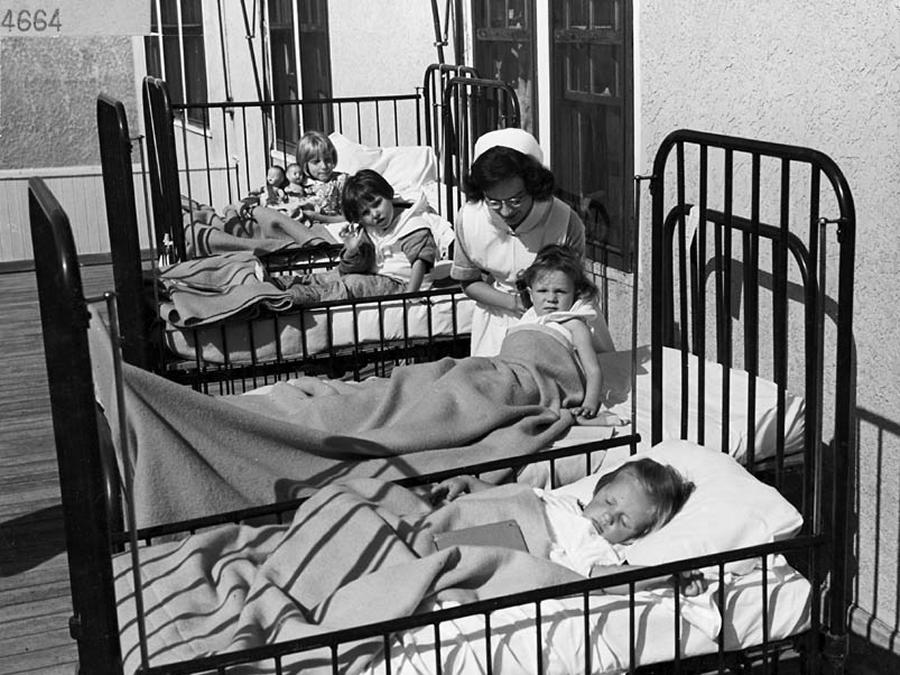
A nurse cares for children with polio at the University Hospital in Edmonton in this undated photo. (Photo: Library and Archives Canada)
Polio was also called the “summer plague”, because epidemics happened again and again during the warmest months, and the “middle class plague”, because it was most prevalent in countries with higher standards of living.
Famous Canadians who contracted polio include Neil Young and Joni Mitchell, who were both infected in 1951 during the a major outbreak of the disease in Canada — an epidemic with 2,568 cases nationwide, including 1,701 in Ontario.
Other celebrities who contracted polio in the 20th century include pianist Carl Perkins, folk singers Judy Collins and Donovan, jazz saxophonist David Sanborn, and rock musicians Ian Dury and Gene Simmons.
Five-year-old Neil Young in August 1950, fishing from a wooden bridge over the Pigeon River in Omemee. Some people believe that Young’s 1970 song “Helpless” partially refers to his experience with polio — both in the song’s title and with the line “The chains are locked and tied across the door” being a reference to a polio isolation ward. (Photo: Harold Whyte)
Neil Young developed symptoms on the morning of August 31, 1951, when he almost six years old and living in Omemee.
The previous day, he and his father Scott had gone swimming in Pigeon River and Neil woke up the next morning with a fever and a sharp pain in his shoulder. By the next day, the fever had intensified and the pain had worsened so much the Youngs’ family doctor suspected polio.
“I was real young and I had no idea what the fuck was goin’ on,” Neil says in Shakey, a biography by James McDonough. “I just remember lying there, partially paralyzed.”
Neil’s parents drove him to Toronto’s SickKids Hospital, where he underwent an excruciating extraction of spinal fluid to confirm he had polio. While Neil remained isolated in the hospital’s polio ward, the Young family returned to Omemee where they were quarantined in their home.
A physiotherapist with a young polio patient in at the walking bars in the polio clinic at Sudbury General Hospital in March 1953. (Photo: Canadian Public Health Association)
After six days in hospital, Neil returned home to Omemee to undergo several months of painful recovery. In December, the Young family moved to Florida, where they remained until the spring of 1952 so Neil could continue his recovery.
It’s believed that Young’s 1970 song “Helpless” refers to his experience with polio — both in the song’s title and with the line “The chains are locked and tied across the door” being a reference to a polio isolation ward.
Polio (poliomyelitis) is an infectious disease caused by the poliovirus. It enters the body through the mouth, multiplying along the way to the digestive tract, where it multiplies even more.
Highly contagious, poliovirus spreads through person-to-person contact, primarily through exposure to contaminated feces and sometimes through saliva.
In about 98 per cent of cases, polio is a mild illness, with no symptoms or with viral-like symptoms. In paralytic polio, the virus leaves the digestive tract, enters the bloodstream, and then attacks nerve cells in the brain and spinal cord.
Around one per cent of people who contract polio become paralyzed. In severe cases, the throat and chest may be paralyzed, resulting in death if the patient does not receive artificial breathing support.
The virus is believed to be thousands of years old, but reached epidemic proportions in the early 20th century. The first polio outbreaks appeared in Europe in the early 1800s and, in 1894, the first major documented polio outbreak in the United States occurred in Vermont, resulting in 18 deaths and 132 cases of permanent paralysis. In 1916, a major outbreak in New York City killed more than 2,000 people, and paralyzed thousands more.
VIDEO: “The Shot Felt ‘Round the World” Trailer
At the time, nobody knew how poliovirus spread or why outbreaks occurred without warning during the summer and early fall. Similar to wild theories about COVID-19, some believed polio was spread from imported bananas or stray cats. There was no cure or vaccine, creating fear and anxiety in families around the world.
The first known outbreak in Canada occurred in 1910 in Hamilton, Ontario. Despite various experimental treatments and efforts by public health authorities to contain the virus, including quarantining infected people, nothing worked. Later, it was theorized the virus spread in developed countries because improved sanitary conditions meant that mothers no longer had antibodies against the virus to pass on to their children.
Swimming pools and movie theatres were regularly closed during epidemics, and parents stopped sending their children to playgrounds or birthday parties for fear they would catch polio. During the polio epidemic in 1937, public schools in Ontario were closed until Thanksgiving.
Between 1949 and 1954, around 11,000 Canadians were left paralyzed by polio, with the disease peaking in 1953 with nearly 9,000 cases and 500 deaths — the most serious epidemic in Canada since the 1918 influenza pandemic.
A polio patient in the “iron lung”, an artificial respirator for patients suffering from paralytic polio developed by Philip Drinker and Louis Agassiz Shaw Jr. in 1929. (Photo: National Library of Medicine)
In 1929, Philip Drinker and Harvard University’s Louis Agassiz Shaw Jr. invented what became known as “the iron lung” — an artificial respirator for patients suffering from paralytic polio.
In 1930, Canada’s first iron lung was brought to The Hospital for Sick Children in Toronto from Boston. After a severe outbreak in 1937, there was a rush to assemble more iron lungs, with the Ontario government paying to have 27 iron lungs assembled in a six-week period.
Building on the work of scientists between the 1930s and 1950s, Jonas Salk and his team at the University of Pittsburgh developed the first successful polio vaccine, an injected dose of dead poliovirus. On April 12, 1955, the Salk vaccine was declared “safe, effective, and potent” and was rapidly adopted around the world.
Jonas Salk and his team at the University of Pittsburgh developed the first successful polio vaccine, an injected dose of dead poliovirus, which was approved for use on April 12, 1955. The vaccine was largely funded by the March of Dimes, an organization founded as the National Foundation for Infantile Paralysis in 1938 by U.S. President Franklin D. Roosevelt, who himself was thought to have contracted polio in 1921, leaving his legs paralyzed. (Photo: March of Dimes Foundation)
After two years of field trials involving more than 1.8 million children, the Salk vaccine proved to be up to 90 per cent effective in preventing paralytic polio. Following mass immunizations, the annual number of polio cases in the United States was reduced from a peak of nearly 58,000 cases to 5,600 cases. Salk become a hero, and was featured on the cover of Time magazine.
Entertainer Eddie Cantor with a model in a 1946 March of Dimes publicity shot. (Photo: March of Dimes Foundation)
The vaccine was largely funded by the March of Dimes, an organization founded as the National Foundation for Infantile Paralysis in 1938 by U.S. President Franklin D. Roosevelt. Roosevelt himself was thought to have contracted polio in 1921, leaving his legs paralyzed for life.
Despite the condition, which he hid from the public, Roosevelt went on to become Governor of New York in 1928, and then defeated Republican President Herbert Hoover in a landslide in the 1932 presidential election.
The name “March of Dimes” was coined by entertainer Eddie Cantor, who suggested on the radio that people send dimes to President Roosevelt at the White House to help fight polio. Within a few weeks, people had mailed 2,680,000 dimes to the President.
Eight years after the Salk vaccine, Albert Sabin developed an oral polio vaccine that used live but attenuated (weakened) poliovirus. After Sabin’s vaccine was approved for use, a second wave of mass immunizations led to a further decline in the number of cases, with only 161 cases recorded in the United States by 1961.
In Canada, the last major outbreak happened in 1959 with nearly 2,000 cases. The vaccines brought polio under control by the early 1970s, and Canada was certified polio free in 1994.
Humans are the only known reservoir of poliovirus and vaccination efforts continue today in the few regions where polio continues to circulate, including countries in the Middle East, Africa, and Asia — a testament to why vaccines are the greatest public health success of all time.
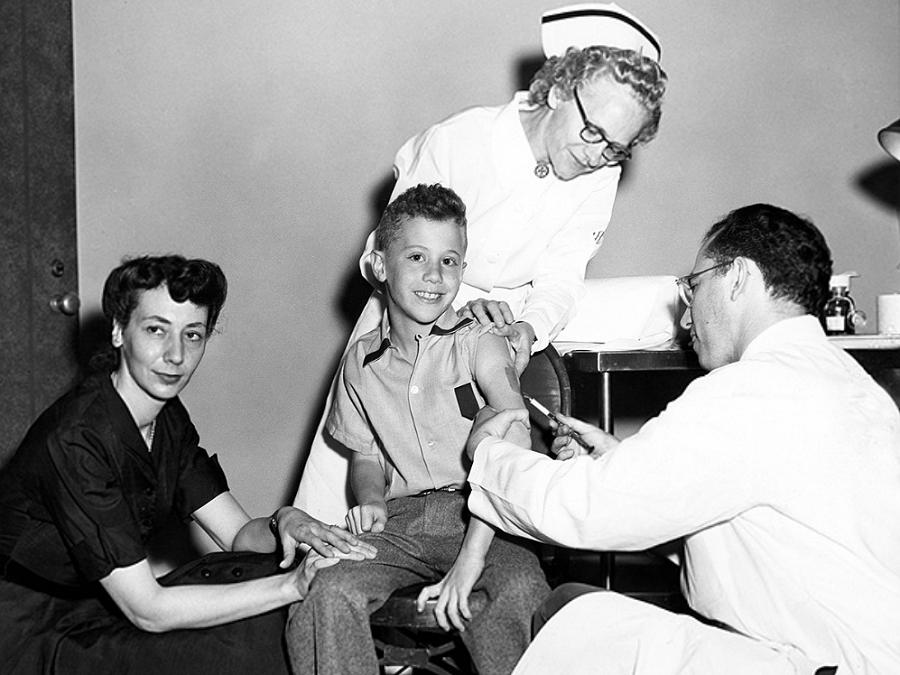
Peter Salk receiving the polio vaccine from his father, Jonas Salk, in 1953. Salk injected himself, his wife, and their three sons with his experimental poliovirus vaccine. Today, Dr. Peter Salk lives in California where he is president of the Jonas Salk Legacy Foundation, as well as a visiting professor of infectious disease and microbiology at the University of Pittsburgh, where his father created the polio vaccine. (Photo: March of Dimes Foundation)
kawarthaNOW is providing a daily report of COVID-19 cases in the greater Kawarthas region.
Here’s today summary: there are 53 confirmed positive cases in the Peterborough area, 109 in the City of Kawartha Lakes, 14 in Northumberland County, 6 in Haliburton County, and 26 in Hastings County and Prince Edward County. That’s a total increase of 1 case from yesterday’s report.
There have been 34 deaths, with no increase in deaths from yesterday’s report. Province-wide, there are 7,953 confirmed cases, an increase of 483 from yesterday’s report, and 334 deaths, an increase of 43 from yesterday’s report.
This report is based on data supplied by the province’s integrated Public Health Information System (iPHIS). This information is at least 24 hours old, so it is not real-time data.
We publish the daily report, usually by late afternoon, with the most current information released by health units. Note that each health unit reports the information in a different way.
Peterborough Public Health’s service area is the City and County of Peterborough and the Hiawatha and Curve Lake First Nations.
Confirmed positive: 53 (no change from April 13) Confirmed negative: 1133 (increase of 112 from April 13) Under investigation: 207 (decrease of 61 from April 13) Deaths: 1 (no change from April 13) Resolved: 24 (no change from April 13) Institutional Outbreaks: Peterborough Regional Health Centre, St. Joseph’s at Fleming, Riverview Manor*
*Number of cases not reported.
Haliburton, Kawartha, Pine Ridge District Health Unit
The Haliburton, Kawartha, Pine Ridge District Health Unit’s service area is the City of Kawartha Lakes, Northumberland County, and Haliburton County.
Confirmed positive: 129, including 109 in Kawartha Lakes, 14 in Northumberland, 6 in Haliburton (increase of 1 from April 13, with 1 new case in Kawartha Lakes) Hospitalizations: 7 (increase of 1 from April 13) Deaths: 33, including 29 in Pinecrest Nursing Home in Bobcaygeon (no change from April 13) Institutional Outbreaks: Pinecrest Nursing Home*
*Number of cases not reported.
Hastings Prince Edward Public Health
Hastings Prince Edward Public Health’s service area is Hastings County (including Bancroft) and Prince Edward County.
Confirmed positive: 26 (no change from April 13) Probable cases: 260 (decrease of 4 from April 13) Deaths: 0 Institutional Outbreaks: Hallowell House (Picton), Hastings Manor (Belleville), Quinte Healthcare (Belleville)*
*Number of cases not reported.
Province of Ontario
Confirmed positive: 7,953 (increase of 483 from April 13) Under investigation:2,107 (increase of 573 from April 13) Hospitalized: 769 (increase of 9 from April 13) Hospitalized and in ICU: 255 (decrease of 8 from April 13) Hospitalized and in ICU with ventilator: 199 (decrease of 4 from April 13) Deaths: 334 (increase of 43 from April 13) Resolved: 3,568 (increase of 211 from April 13)
Confirmed cases of COVID-19 in Ontario by public health unit, January 15 – April 13, 2020. (Graphic: Public Health Ontario)
kawarthaNOW.com offers two enews options to help readers stay in the know. Our VIP enews is delivered weekly every Wednesday morning and includes exclusive giveaways, and our news digest is delivered daily every morning. You can subscribe to one or both.
Submit your event for FREE!
Use our event submission form to post your event on our website — for free.
To submit editorial content or ideas, please contact us.